

For the birds
A “lone voice in the wilderness” booed Barbara Frittoli’s calamitous Nedda.
A “lone voice in the wilderness” booed Barbara Frittoli’s calamitous Nedda.
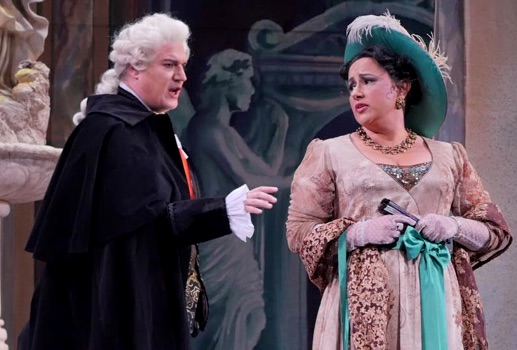
New York City Opera has officially launched its “renaissance” at Lincoln Center’s Rose Theater last night with a production of Puccini’s Tosca that should please a lot of older, conservative audiences, if not the adventurous operagoers that City Opera courted in the past.
The Canadian Robert Carsen would appear to love the theater to the point of fixation.

Is Manon Lescaut a cold, clinical tale of the splendors and pitfalls of transactional sex, or is it a romantic Italian opera at its most lush and melodic?
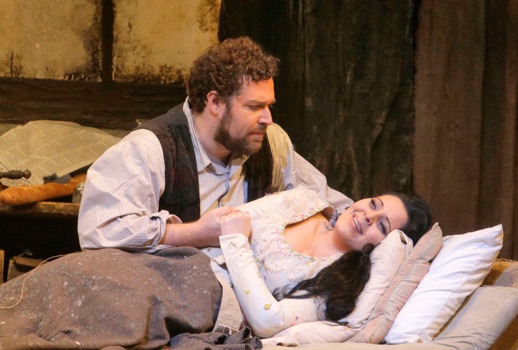
Maria Agresta‘s delicately-acted, sumptuously-sung seamstress transformed what might have been just an average Wednesday night revival into something finer.

Returning after 99 years for the Met’s annual New Year’s Eve gala, Bizet’s youthful exercise in Orientalia Les Pêcheurs de Perles proved a real crowd-pleaser.
It would be generous to say that history comes alive on the operatic stage.
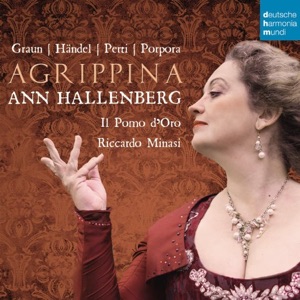
Fans of divas who sing 19th and 20th century opera may find themselves searching in vain for CDs to buy with this season’s gift cards, since their idols so rarely put out solo recitals these days.

Enthusiasm is contagious–you have to cover up carefully lest it make you sick.
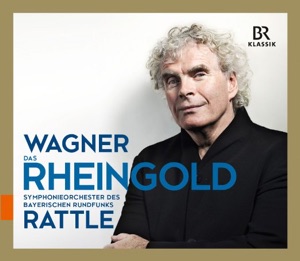
Das Rheingold is the outlier among the Ring operas, an ensemble work with a fast-shifting plot, animated dialogue, fewer set pieces and less character development.
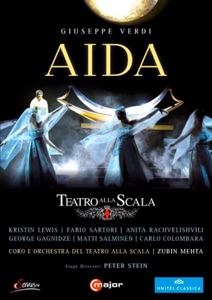
The most recent Egyptian voluptuary of 2006 by our friend Franco has now been replaced by the most singularly spartan production of Verdi’s masterpiece I think I’ve ever seen.
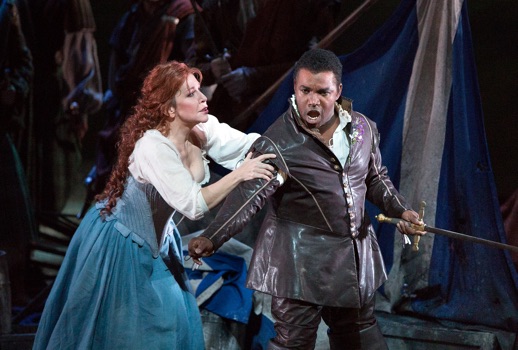
The sound of Joyce DiDonato, Lawrence Brownlee and John Osborn nailing La Donna del Lago’s thrilling second-act trio alone made worthwhile enduring one of the ugliest, most bone-headed productions seen at the Metropolitan Opera in many a year.
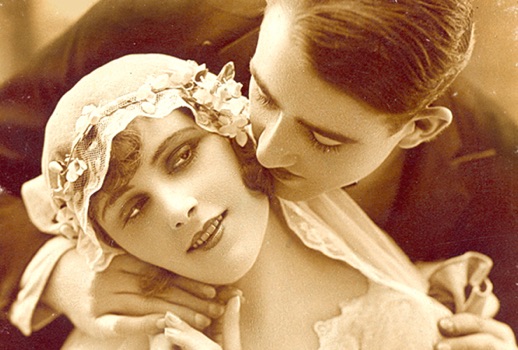
The name Joseph Rumshinsky might ring a bell (or a shofar).
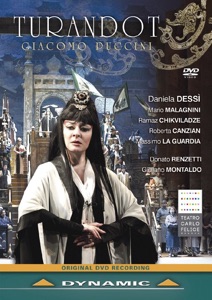
Giacomo Puccini’s final opus interruptus is and shall always remain my favorite opera. The reasons for this preference are so varied and numerous that if they were printed and bound the volume would most assuredly require its own stand.

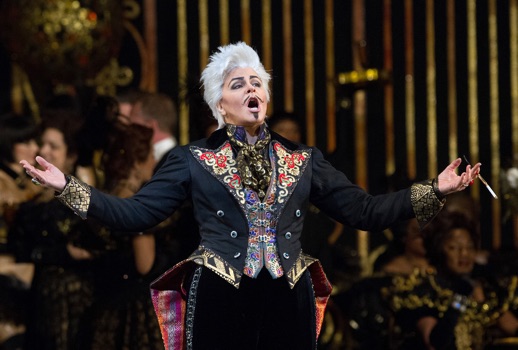
One can only pray that “three strikes, you’re out” applies at the Met. If so, we can rest easy that Jeremy Sams won’t be getting any new assignments.

Emilio Sagi’s production of The Barber of Seville is ungepotchket in the flesh.
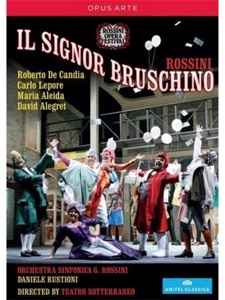
There might be nothing in the world as joyous as a Rossini overture.
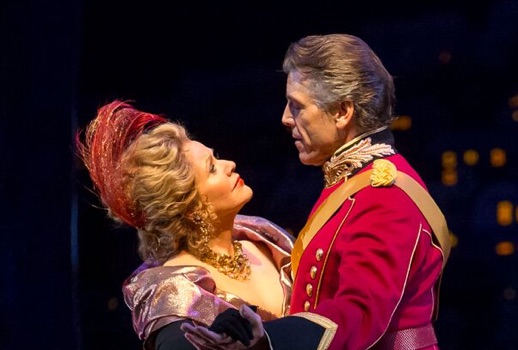
As a whole, the evening seemed forced and a bit dispiriting.
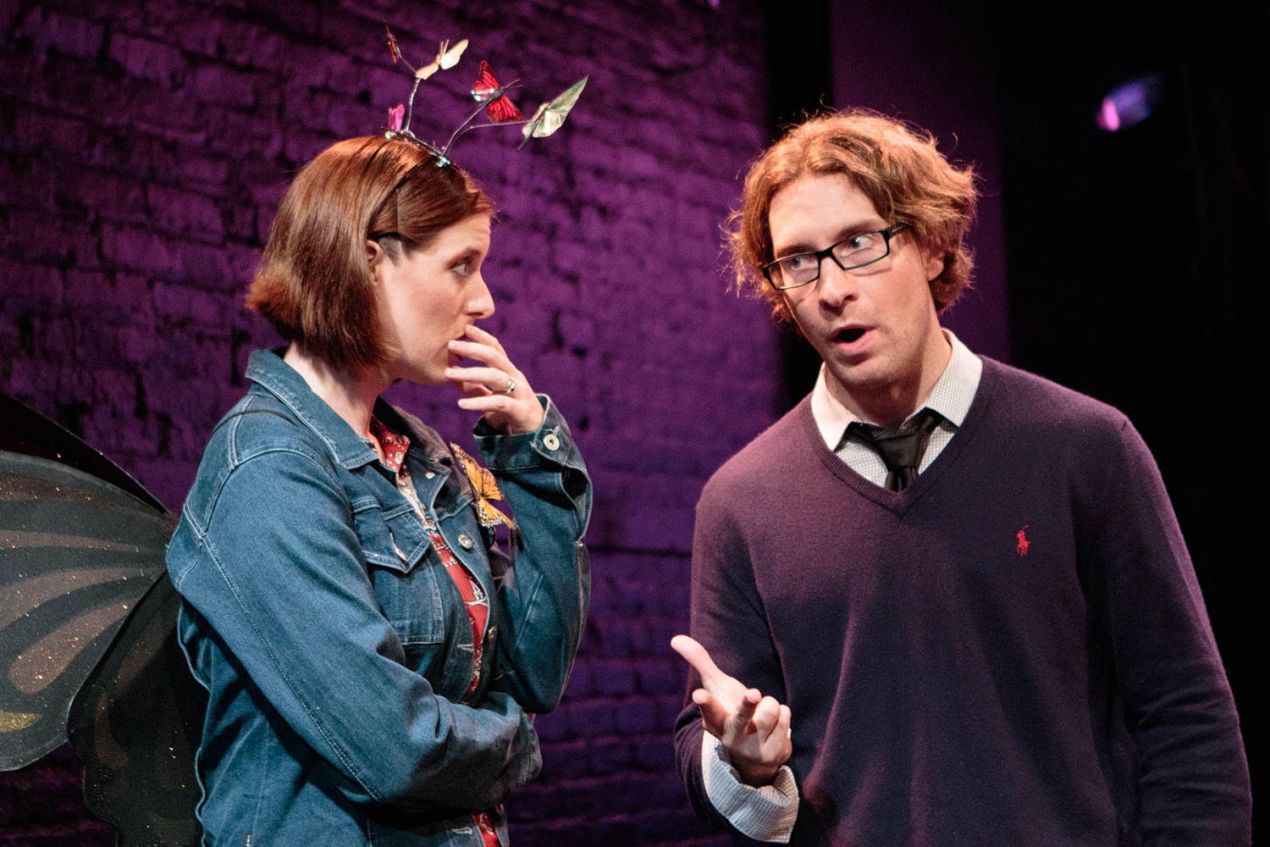
Our Own JJ confesses he just doted on Heartbreak Express, but “You Us We All was not my cup of twee.”

Bare Opera, the feisty little company that gave Debussy’s exquisite L’Enfant Prodigue in Chelsea last spring, is now operating in chic, rundown Bushwick where so many original enterprises sprout.
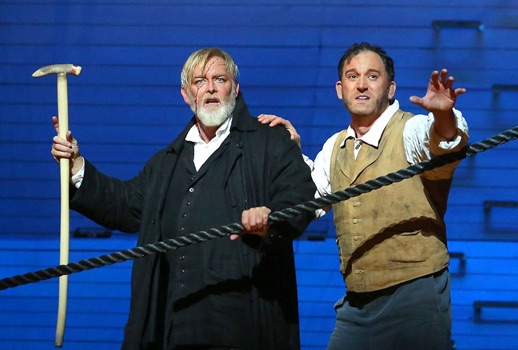
Hopefully the assignment of Herman Melville’s endless whaling opus Moby-Dick as compulsory reading for High School students is a thing of the past.
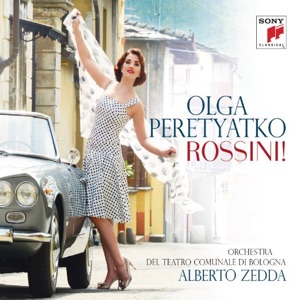
For her third solo recording, Olga Peretyatko summons the two men who launched her career less than a decade ago

On Thursday evening Jennifer Wilson “finally” made a belated, disappointing Met debut as Turandot.

The days are getting shorter, but you can keep the prattle going this fall’s Talk of the Town! You will, you can, you must join in the discussion about: Great mezzo soprano performances (October),
Gained in translation (November), Teleport me back to… (December).
Exclusive opera reviews, commentary, and top reads
delivered to your email weekly…ish.