
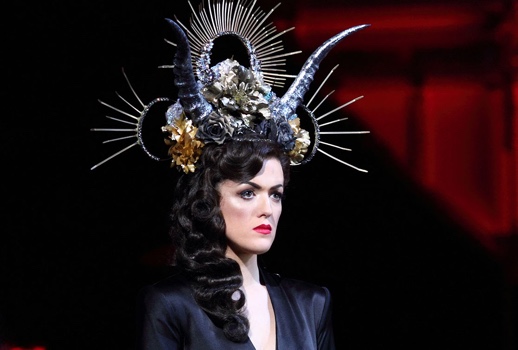
A new production of La traviata by Daniel Kramer, the current artistic director of ENO, brings fresh ideas to the classic drama.
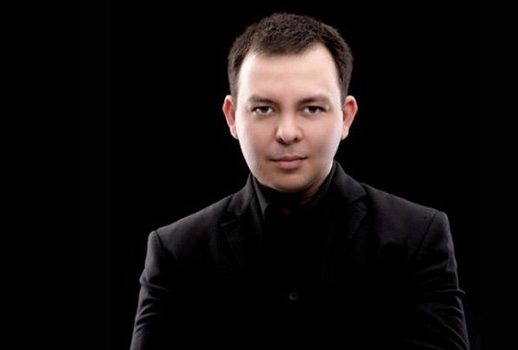
Amadigi di Gaula performed the Opera Settecento orchestra last Saturday night at St. George—Handel’s own parish church—fit perfectly into the venue.
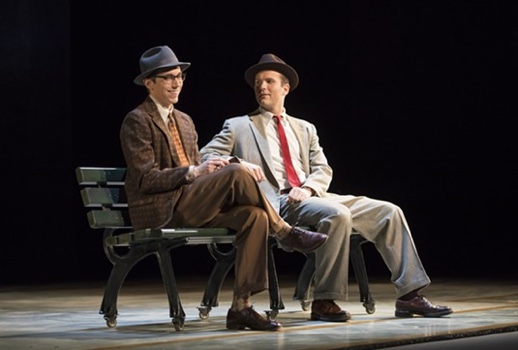
I found Fellow Travelers intellectually and politically riveting, musically thrilling, and profoundly moving. It was a triumph.

Iestyn Davies’s theatrical blandness combined with his vocal unsuitability for the role left a hole at the center of Rinaldo.
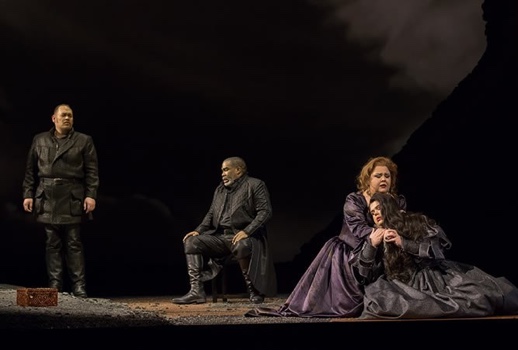
A regular day in 2018 Washington, D.C., or Verdi’s Don Carlo?
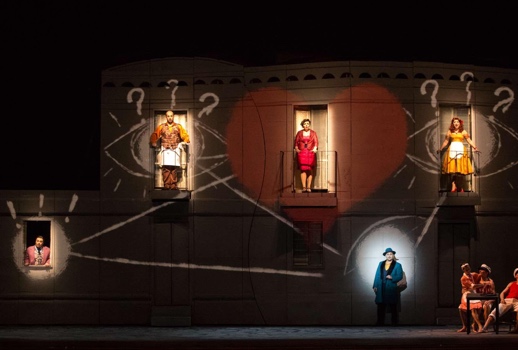
At Palermo’s Teatro Massimo, Zerline, the heroine of Auber’s once beloved Fra Diavolo , undresses down to frilly French skivvies.
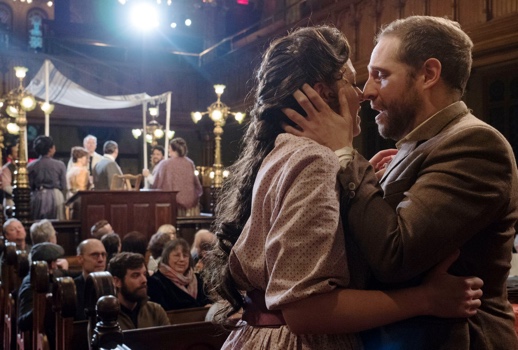
Wedlock, betrayal, sibling rivalry, feminism, and union strikes give the opera Morning Star much of its driving thematic material.
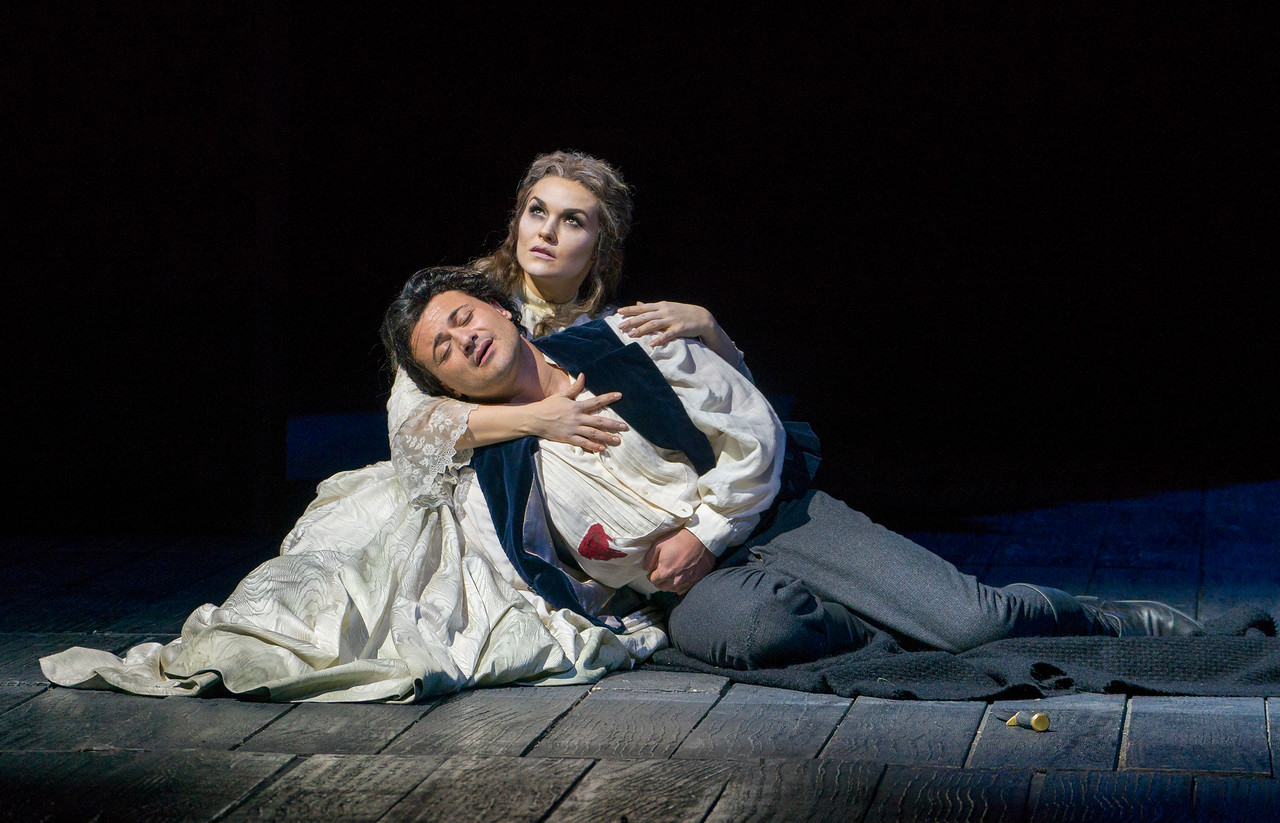
Lucia di Lammermoor, a bloody story of a young woman’s mental degeneracy amidst feuding families, remains Donizetti’s most popular exploration of the landscape and culture of Britain.
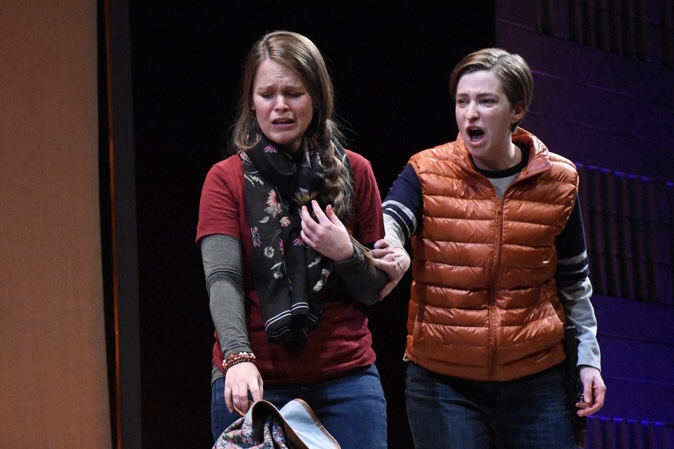
Thursday evening Piramo e Tisbe demonstrated that its assembled forces were the little opera theatre of ny that could.
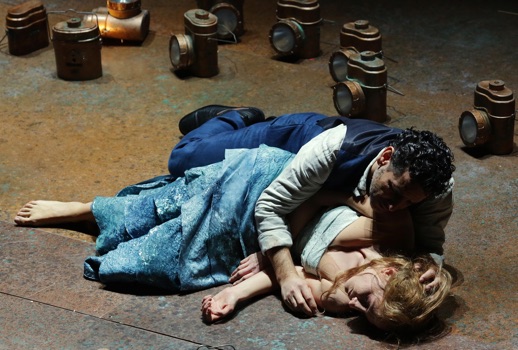
If opera as a genre in justified in its claim to one particular story, history confirms that the Orpheus myth would be that story.
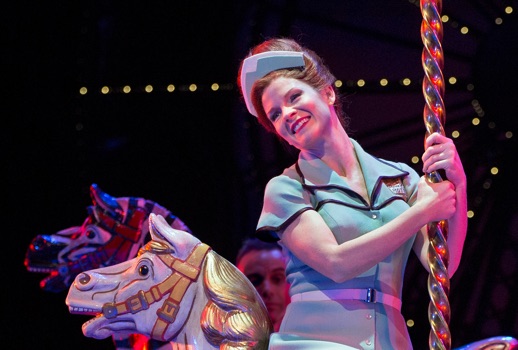
As Despina in the Metropolitan Opera’s new production of Così fan tutte, Kelli O’Hara injects much needed vitality into an otherwise lethargic evening.
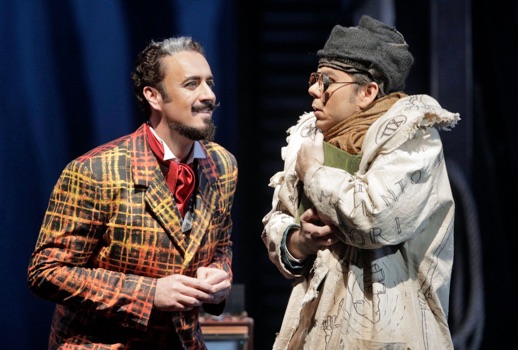
The production is at all times visually arresting, but it’s also extremely distracting.
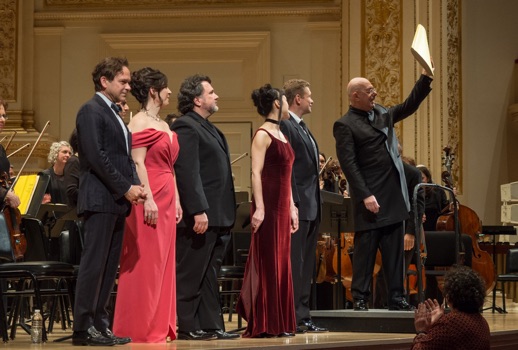
Intolleranza was presented by Leon Botstein and his American Symphony Orchestra at Carnegie Hall on Thursday night, holding the audience rapt and intrigued for 65 minutes.
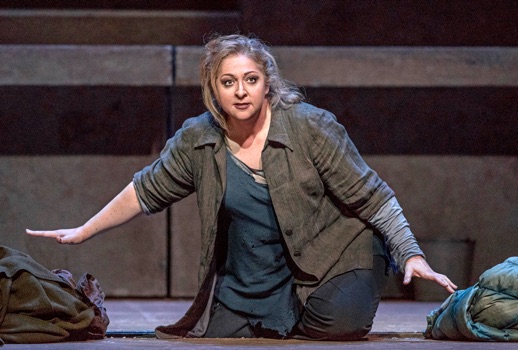
Christine Goerke‘s puzzling high register has become an increasingly troubling aspect of her singing. One just never knew what was going to come out from one moment to the next.
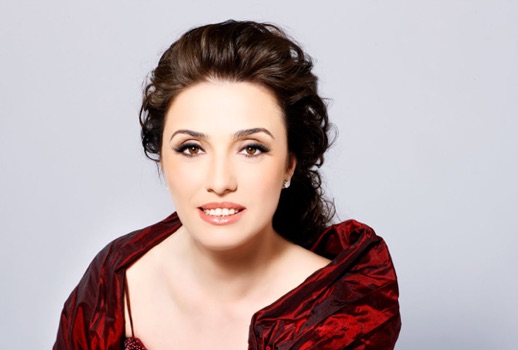
While she brought many exceptionally appealing qualities to her portrayal, Ermonela Jaho’s slender soprano often struggled to cope with Puccini’s demanding music.
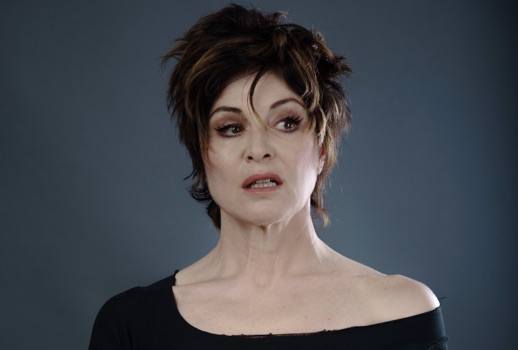
Antonacci’s singing is remarkably beautiful for one who clearly doesn’t make that a top priority.
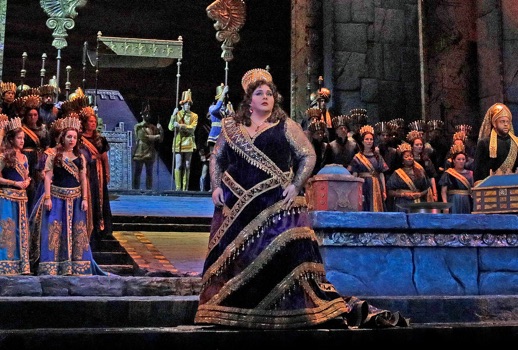
As a diehard completist I felt guilty as the Met’s scattered, campy revival of Semiramide lumbered toward its abrupt conclusion after nearly four hours.
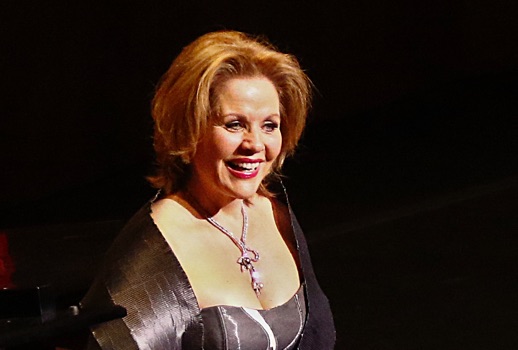
My mother leaned in and quietly whispered,”Is that Leontyne Price?” to which I replied,”Shhhh!”
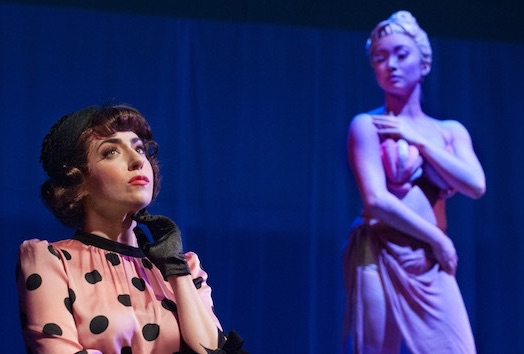
In recent years, Opera Paralléle has established a reputation for creative programming of contemporary opera in San Francisco. Persuaded both by the promise of an unusual Bernstein-Heggie double bill, and the unusual venue of SF Jazz’s Miner Auditorium, I had the pleasure of attending an excellent production this past week.
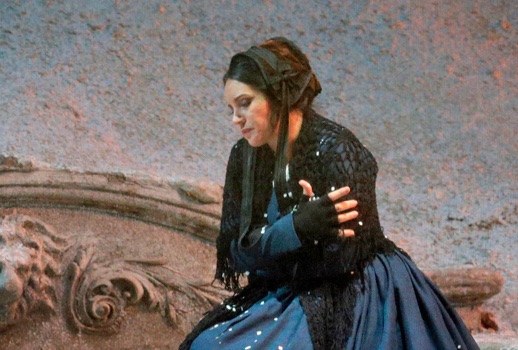
La bohéme returned to the stage of the Metropolitan Opera once again last night (does it ever leave?)
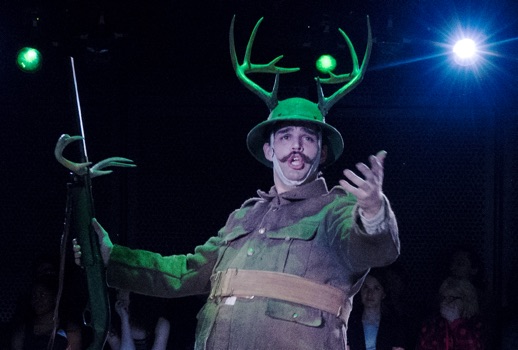
There are two delights here: a delectable score too rarely heard and an introduction at close quarters to half a dozen young singers ready for takeoff, indeed already flying.
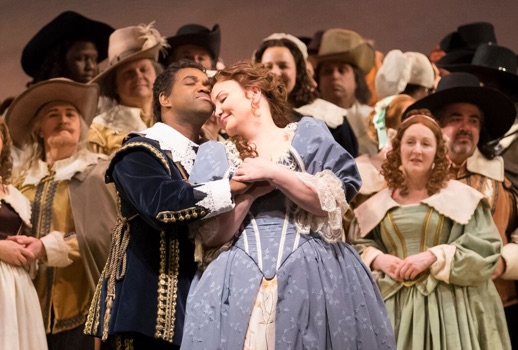
It was an afternoon of spectacular singing, particularly from the two principals and the glorious Lyric Opera Chorus.
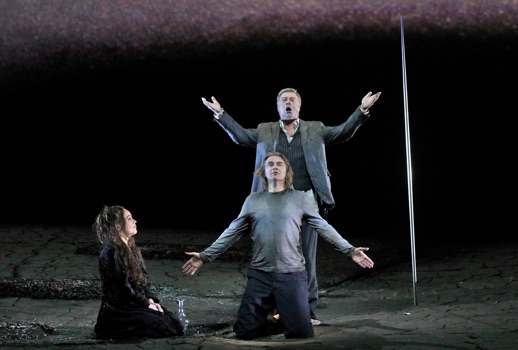
The Met’s magnificent revival which opened on Monday night with a superb cast under the mesmerizing leadership of Yannick Nézet-Séguin nearly converted me into a devoted Parsifal disciple.
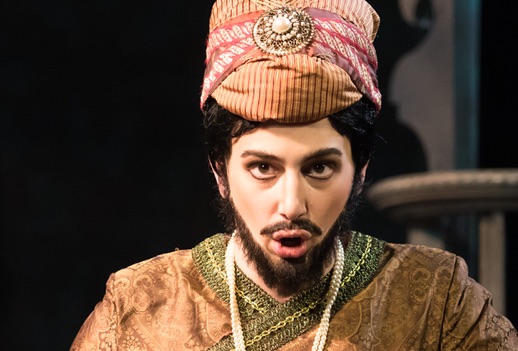
For all the company’s good intentions this opera-dance combo was not one of its happiest outings.
Tell us: What’s your favorite Verdi performance?
Hasten thee to feed another quarter of conversation for The Talk of the Town!

