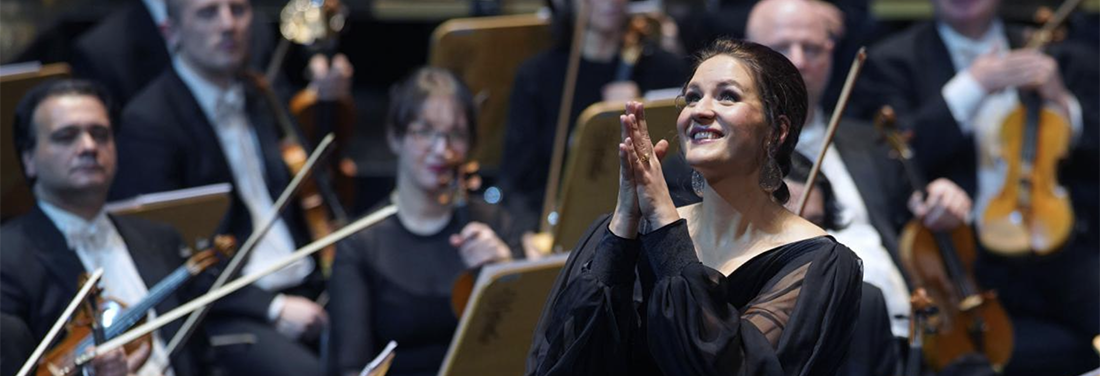
Nothing says “diva” like an insane recital program.

Marc-Antoine Charpentier and Thomas Corneille’s Médée is a monument of the 17th century French baroque lyric tragedy.
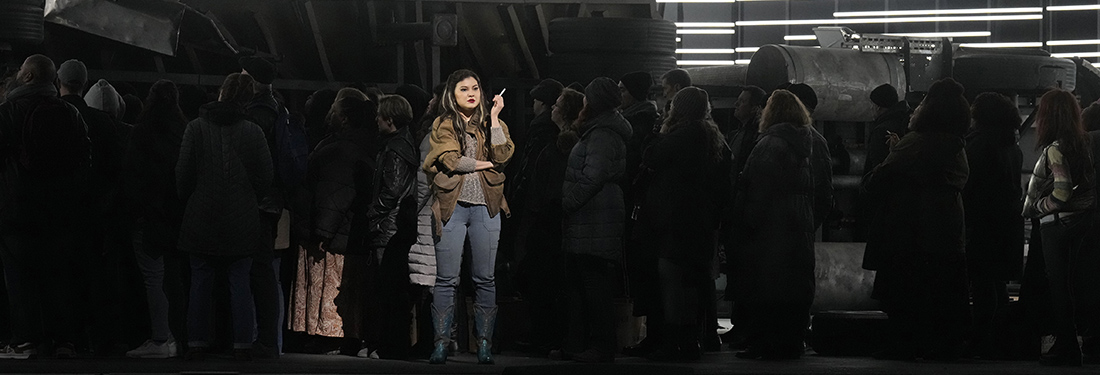
This Carmen, in other words, was somewhat less radical than its initial image suggested.
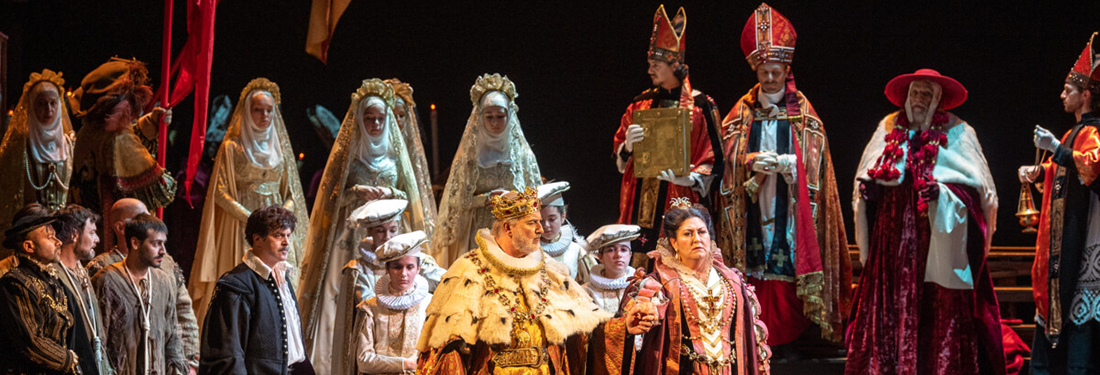
The whole performance was reminiscent of long-forgotten ways of doing opera (ways which still find the full approval of an Italian public tired of proposals that are all too “experimental”)


A frigid air swept through the crypt of the Church of the Intercession on Friday, December 8, nearly blowing out the candles that cast a golden light on the bundled-up audience.
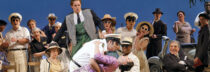

A perfect escape for a city laden with recent layoffs and job cuts coming into Holiday season
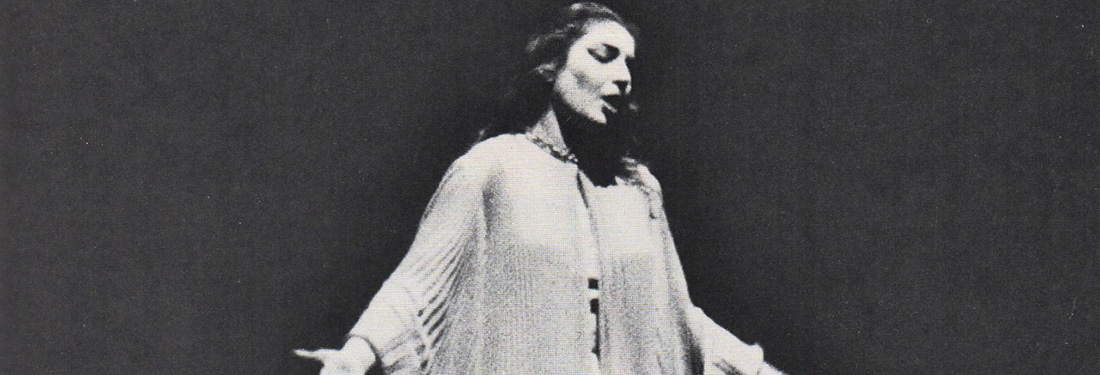
Perhaps the greatest souvenir of her art there is.
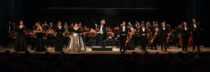
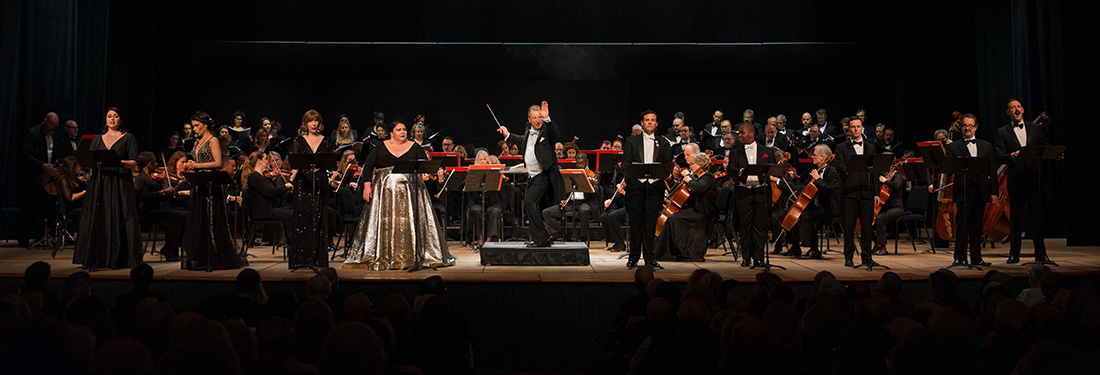
Washington Concert Opera’s season opened with a triumphant performance of Gioachino Rossini’s rarely heard Ermione Saturday night at George Washington University in D.C., led by Antony Walker and a stellar quartet of principals in Angela Meade, Lawrence Brownlee, David Portillo, and Ginger Costa-Jackson.

In any case, we probably got as good a Tannhäuser cast as could be assembled these days.

As far as I know, Juan Diego Flórez last appeared in New York City (not totally to his advantage) as Alfredo in the Met’s garish new production of La Traviata back in December 2018, nearly five years ago.


I can still vividly remember the first time the music of George Frideric Handel made an impression on me.

Anna Bolena might be the earliest of Donizetti’s operas that might have name recognition to a non-specialist audience.
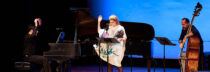

Although primarily known as a vanguard of the Downtown music scene, John Zorn’s artistic and intellectual ethos is at home at the decidedly Uptown institution of Columbia University.
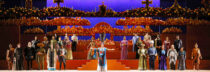

Despite this being the first full-length opera for Gabriela Lena Frank, there’s no lack of experience across the creative team which, along with favorable reviews for the production, contributed to high levels of anticipation.
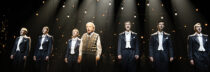

It took more than 25 years for Harmony, the passion project of singer-songwriter Barry Manilow, to reach Broadway, where it opened recently at the Ethel Barrymore Theatre.
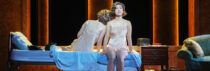
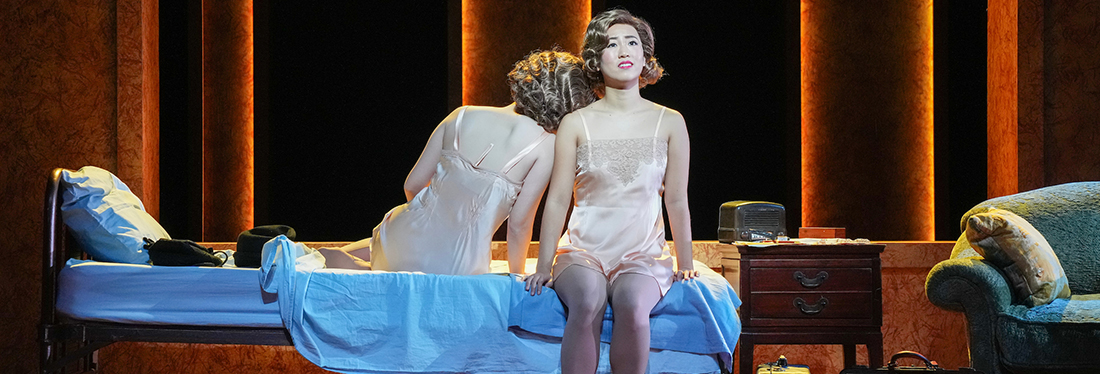
Edward Hopper’s paintings from the 1930s and 1940s are simply lousy with windows.
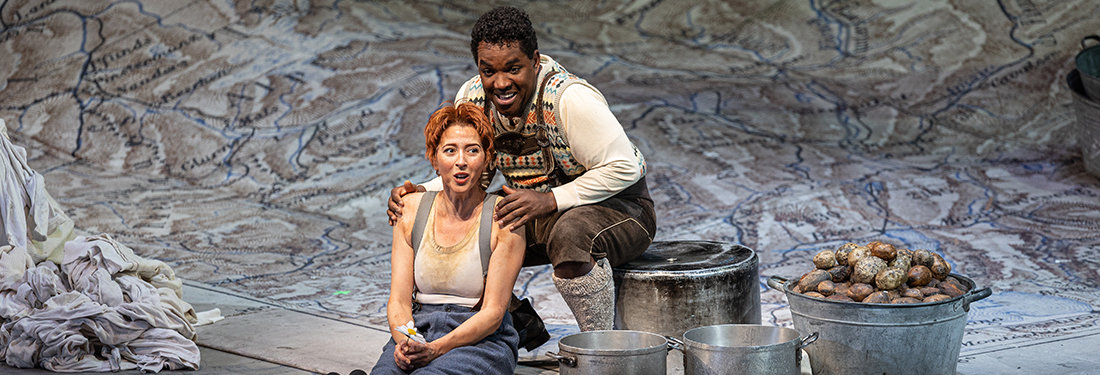
I’ve never had a better time in an opera house.
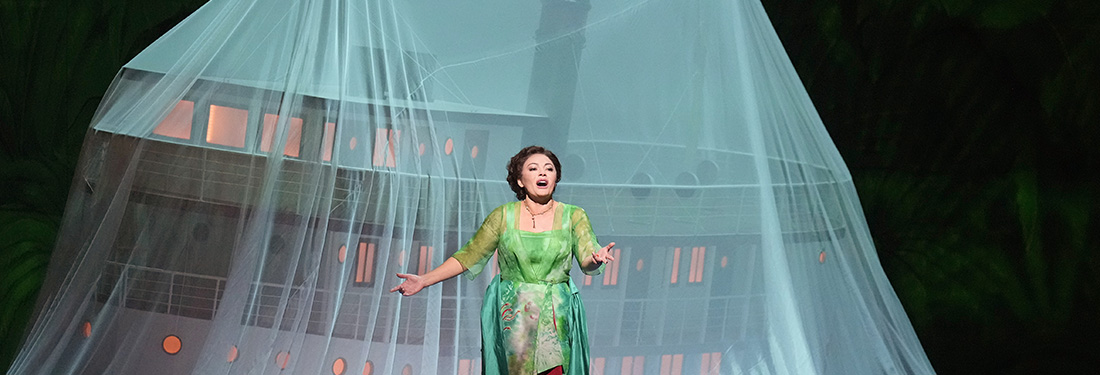
In its Met premier, neither a talented cast nor some beautiful musical moments were enough to make Florencia feel new or vital.

Leos Janacek’s 1904 opera Jenufa could be a rather grim affair.
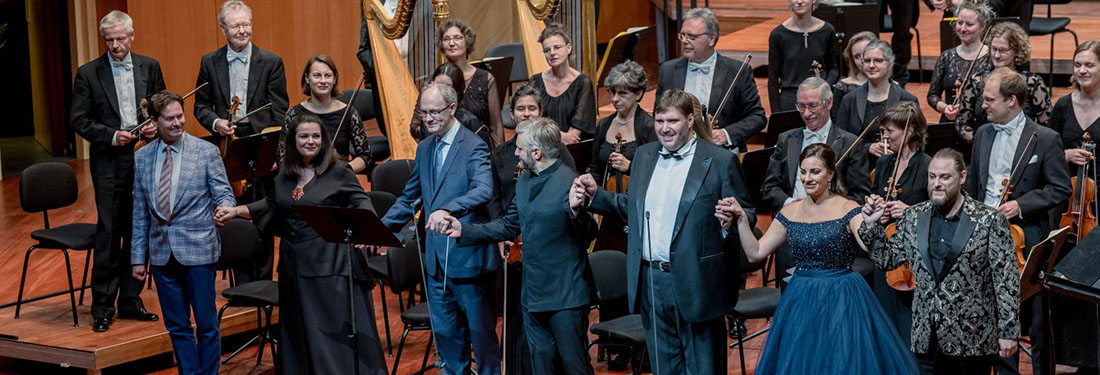
Franz Liszt attempted practically every musical genre in vogue in the nineteenth century, although it is undeniable that a handful of the genres he only sampled (like string quartet) or adapted to his own temperament in original ways (like the symphony).
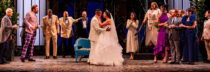

Gioachino Rossini’s adorable adaptation of Cinderella famously dispenses with a slipper in favor of a bracelet to lead the Principe Ramiro back to his Cenerentola. If only this performance had benefitted from such a glittering guiding hand.
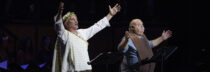

Aristophanes’ The Frogs is a comedy with a lump in its throat – laughter coming from tears.
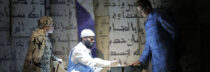

“What would you do if the world you knew was suddenly gone and you were thrown into the deepest abyss stripped of all humanity? Would you fight to remember who you were?”
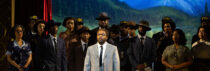

Let’s not forget that it’s only been two years since the Met mounted its first-ever opera by a Black composer.
Tell us: What’s your favorite Verdi performance?
Hasten thee to feed another quarter of conversation for The Talk of the Town!