

Seiji Ozawa was a great opera conductor
I first experienced the magic of Seiji Ozawa in 1972 when I was 12 years old.
By TildyDiva
43 comments
16 pieces since 2011.
I first experienced the magic of Seiji Ozawa in 1972 when I was 12 years old.
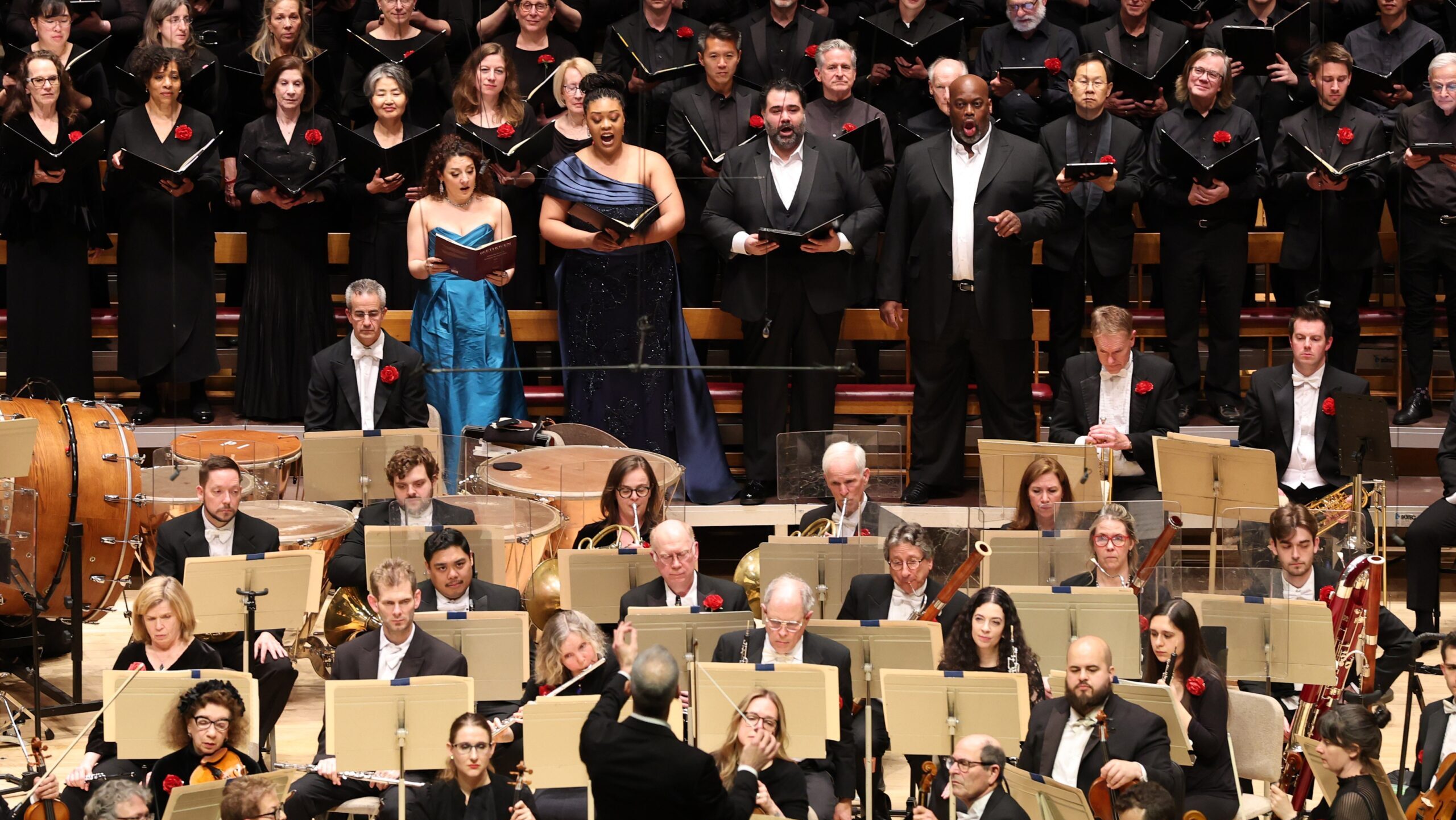
A joint Beethoven–Adams program conducted by Dima Slobodeniouk suggests a way forward for the embattled Boston Symphony Orchestra.
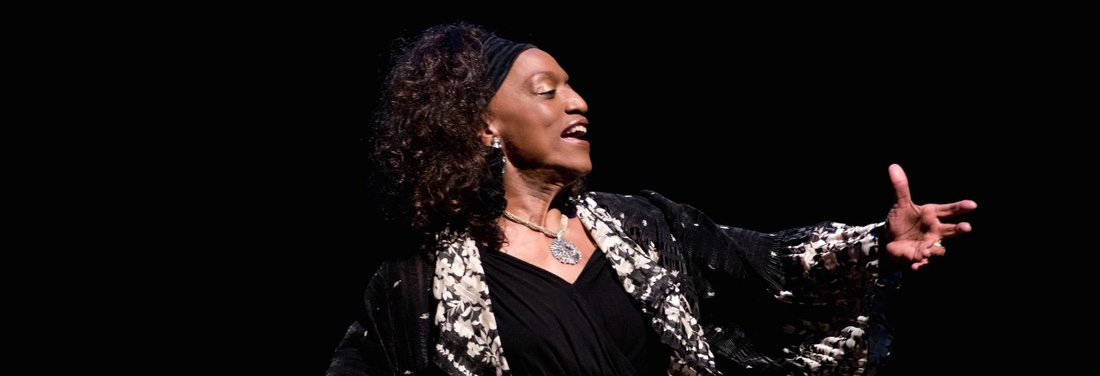
Welcome, beloveds, to the Jessye Norman Memorial Museum. I’ll be the docent for your tour today.
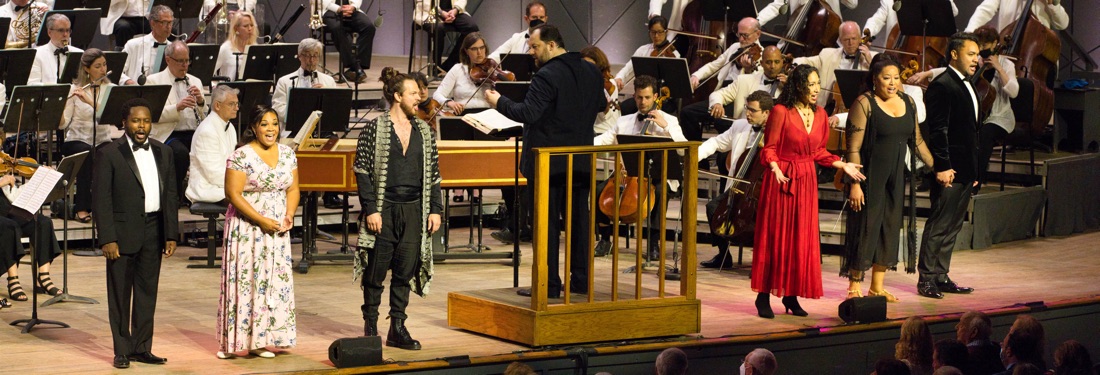
A trip to Mediterranean climes came through musically, as the Boston Symphony Orchestra presented a largely satisfying concert performance of Don Giovanni on July 16.
A hefty thunderclap shook Tanglewood’s Koussevitzky Shed just as Andris Nelsons raised his baton for the third act of the weekend’s concert Die Walküre.
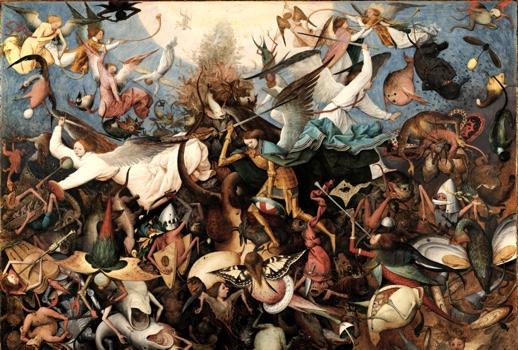
Trove Thursday presents a double dose of the Verdi Messa da Requiem performed by the Los Angeles Philharmonic.

A double-barreled “Trove Thursday” birthday salute to Renée Fleming who turns 60 today.
Winsome, tony, and studded with overbooked bistros, Tanglewood is not exactly crawling with bohemians these days.
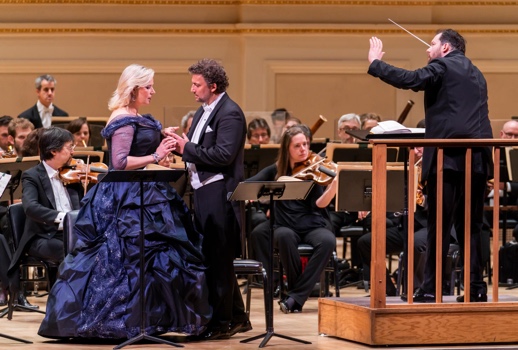
A heady audience paid top price to pack Carnegie Hall Thursday for just 80 minutes of unstaged Wagner.
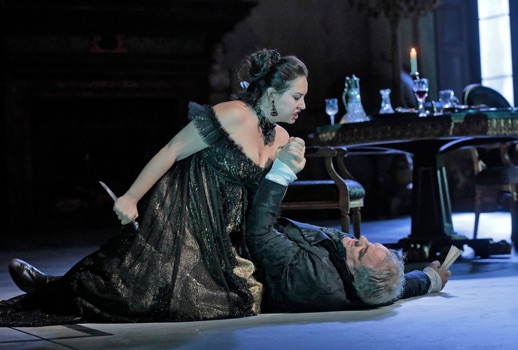
The Met got exactly what it asked for: a safely opulent, resolutely unchallenging Tosca that was far from shabby or little but couldn’t have been less shocking
Another five-Thursday month invites “Trove Thursday” to offer a combo of shorter works.
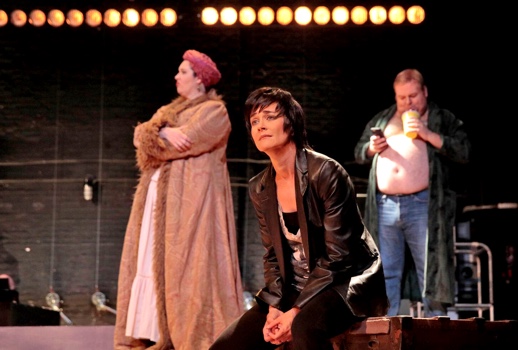
For those who thought opera to be a rare enough commodity that there shouldn’t be duels, Saturday night in the Berkshires offered the odd rebuttal.
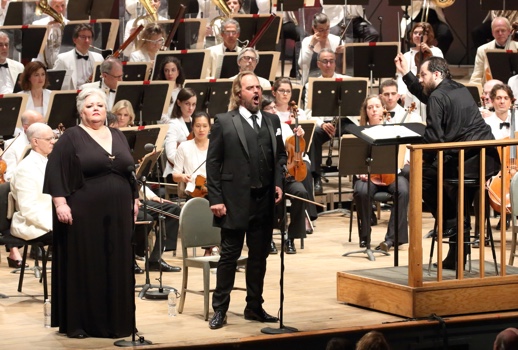
Skirting the leafy, patrician Berkshires of Western Mass, and flush with wine coolers and white people, pastoral Tanglewood doesn’t much resemble the dark Nibelung settings of Norse myth.
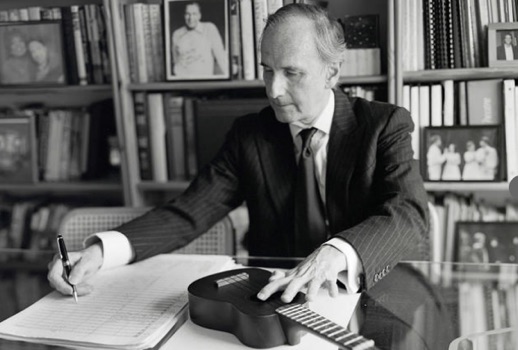
Subtitled by its creators as “A Fearful Radio Show,” this opera reminded Jerome Robbins of Orson Welles’ 1938 broadcast of War of the Worlds.

Notable purveyor of mayhem and infanticide Medea has lately been missing from the local operatic scene, but Sunday afternoon sections of the recently renovated Alice Tully Hall were singed by Canadian soprano Dominique Labelle’s blazing incarnation of the Greek sorceress.
Despite baby-steps over the years, America’s musical scene, especially opera, remains decidedly un-HIP. (HIP: “historically-informed performance,” also called “period performance.”) While European opera houses turn increasingly to “original instrument” orchestras and specialist singers for seventeenth and eighteenth century works, this rarely occurs in the US.

The days are getting shorter, but you can keep the prattle going this fall’s Talk of the Town! You will, you can, you must join in the discussion about: Great mezzo soprano performances (October),
Gained in translation (November), Teleport me back to… (December).
Exclusive opera reviews, commentary, and top reads
delivered to your email weekly…ish.