
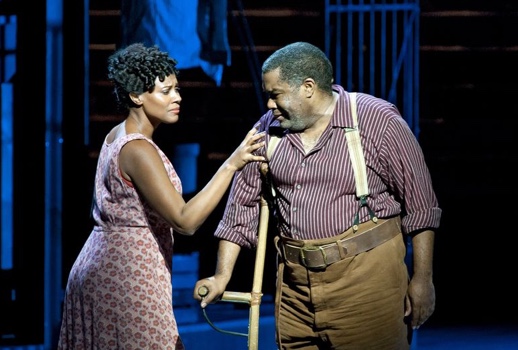
Wintertime, and the living is easy
Porgy and Bess, George Gershwin, Ira Gershwin and DuBose Heyward’s 1935 “folk” opera, graced the stage of Dutch National Opera for the first time last month, and it was resounding success from start to finish.
15 pieces since 2015 — in 13 roles, at 10 companies, most often at Metropolitan Opera.
Porgy and Bess, George Gershwin, Ira Gershwin and DuBose Heyward’s 1935 “folk” opera, graced the stage of Dutch National Opera for the first time last month, and it was resounding success from start to finish.
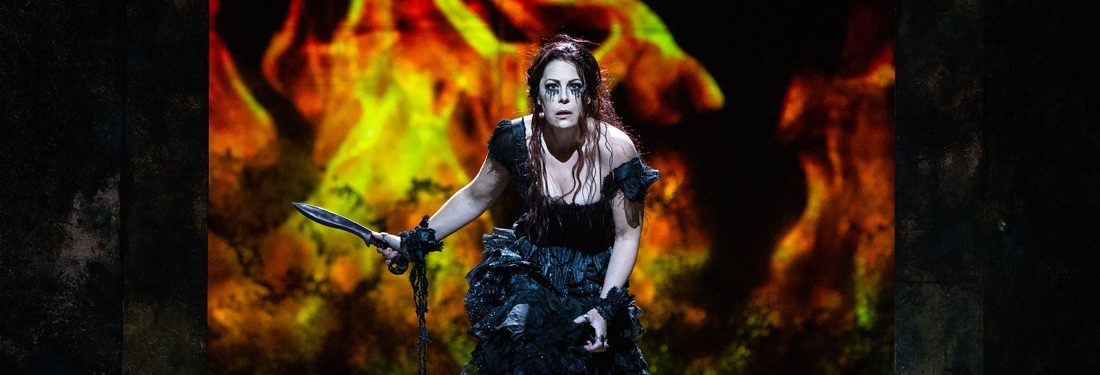
Sondra Radvanovsky has an unconventional voice that is suited to unconventional characters and is best used in rangy, difficult music. The lack of lush beauty was no deficit in depicting Medea’s jealousy and vengeful rage.
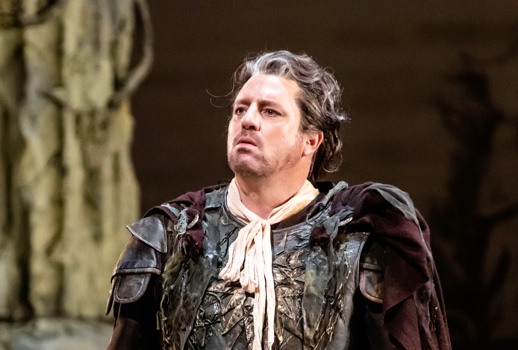
Those readers who know my musical tastes will not be shocked to find that I have a somewhat conflicted view of Mozart’s operatic works.
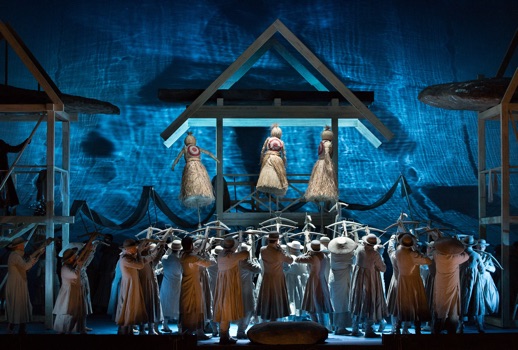
Thoughtless direction stifled the epic drama.
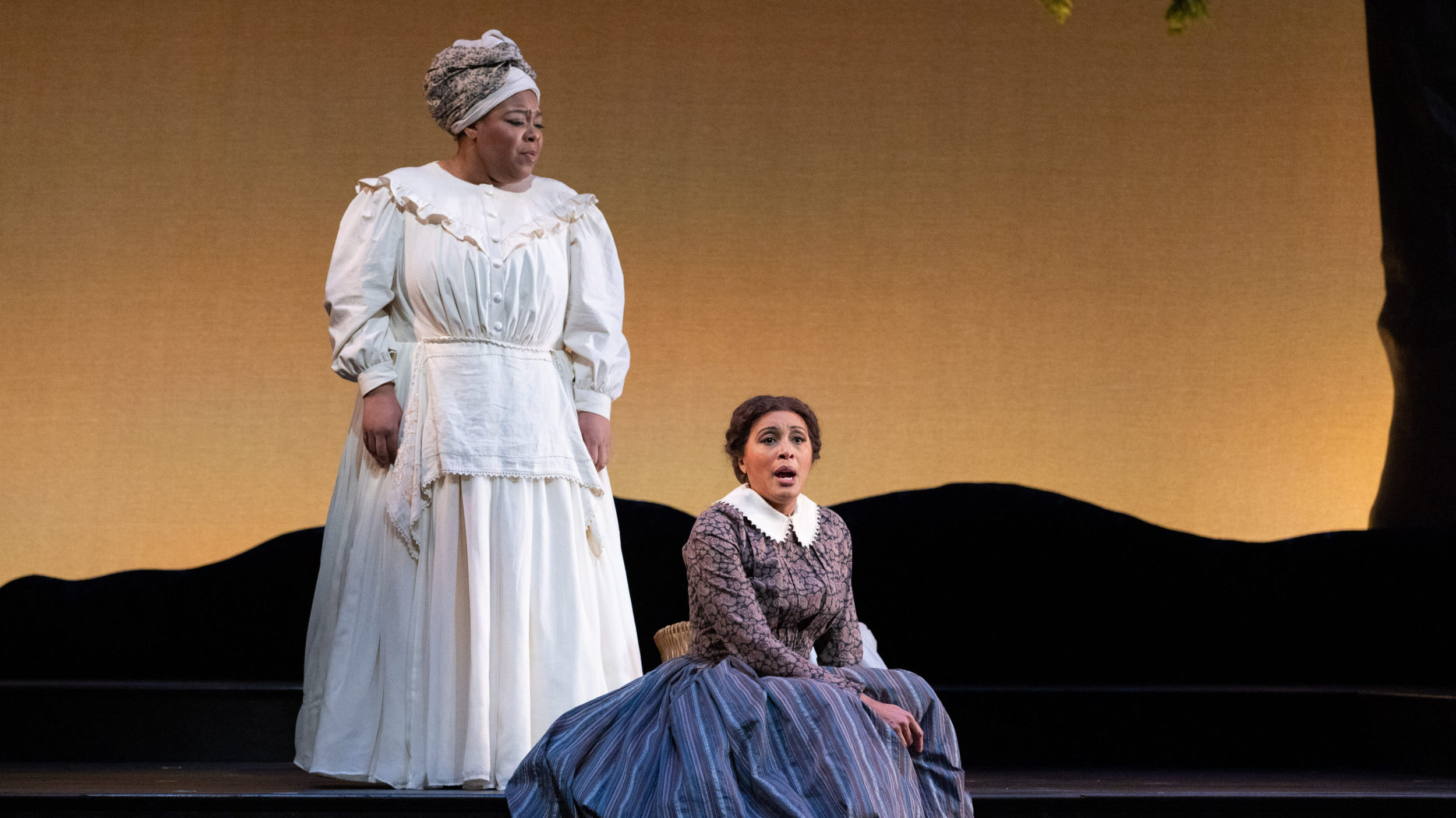
Jake Heggie and Gene Scheer’s Grammy-winning Intelligence makes a largely successful East Coast debut at Virginia Opera.

Along with Don Giovanni, Carmen is an odd bird on the list of the most beloved and frequently performed works.

Though perhaps showing its age, a storied production of La bohème nonetheless makes a welcome return to the Los Angeles Opera
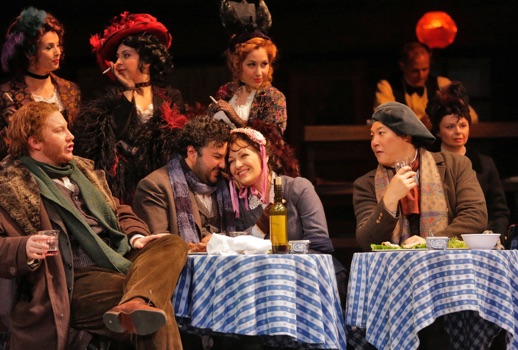
Los Angeles saw the first U.S. performance of Giacomo Puccini’s snow-dusted weeper in 1897 just a year after the young Toscanini led the prima in Turin.

John Yohalem reports on a serendipitous recital from J’Nai Bridges and Joshua Mhoon in Montclair, New Jersey
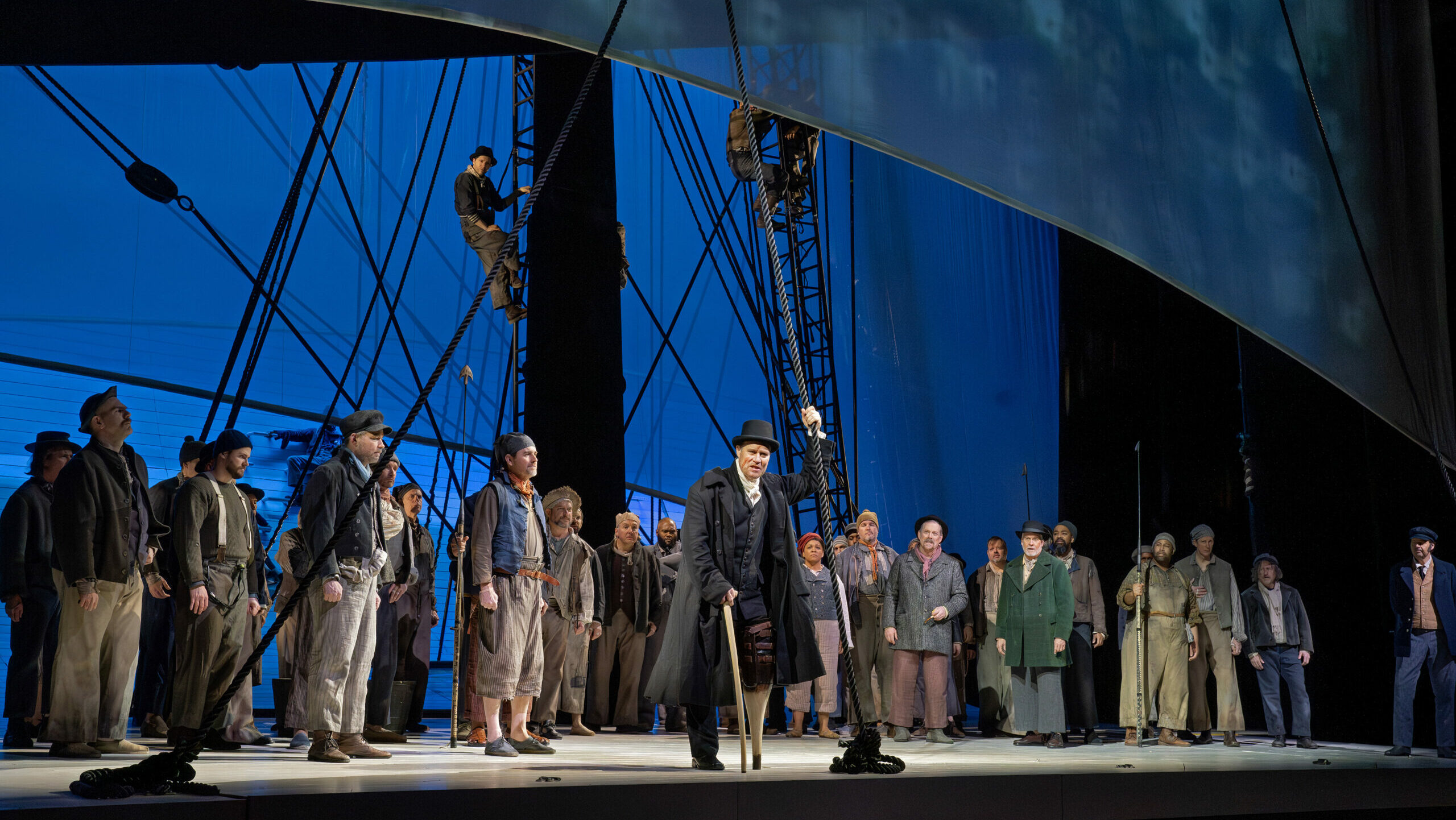
The term “narrative prosthesis” refers to the tendency for works of literature to use disability as the conflict upon which the whole narrative hinges. Herman Melville’s Moby-Dick is a quintessential example of “narrative prosthesis.”
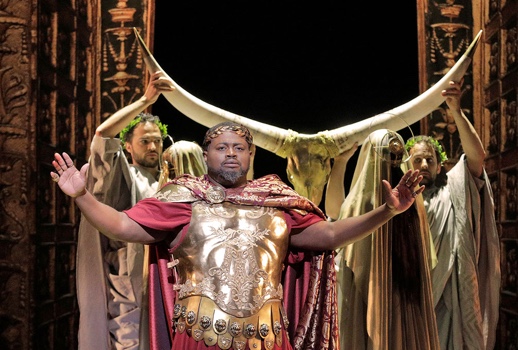
Russell Thomas’s opening aria, “Del piu sublime soglio” displayed an intense attention to the text and some surprisingly beautiful piano phrasing that I’ve never heard risked before and it brought wonder and gooseflesh.

All in all, Mahler’s ethereal evocation of the natural world, and the world beyond our own, is becoming old hat.
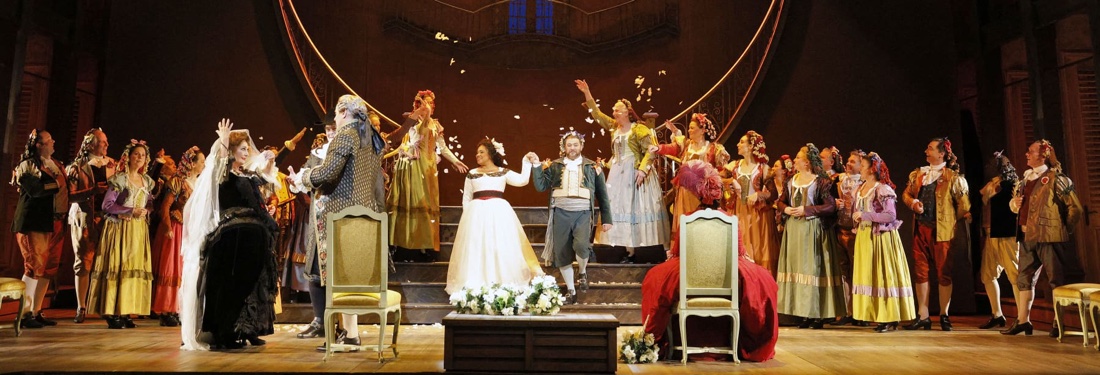
For anyone who thought that Downton Abbey, with its plot lines divided between the gentry and their faithful (or not-so) servants was somehow unique, that particular tale, and lo its many variations, has been told in one form or another since Pierre-Augustin Caron de Beaumarchais put quill to paper in 1778 with La Folle Journée, ou Le Mariage de Figaro.

Next Marko Mimica discussed which music “reached” him most and how he regards expressing himself in various languages.
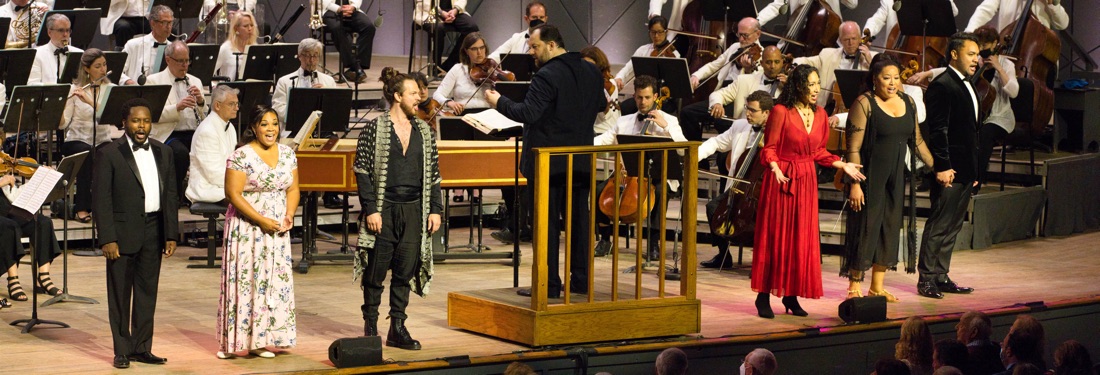
A trip to Mediterranean climes came through musically, as the Boston Symphony Orchestra presented a largely satisfying concert performance of Don Giovanni on July 16.

The days are getting shorter, but you can keep the prattle going this fall’s Talk of the Town! You will, you can, you must join in the discussion about: Great mezzo soprano performances (October),
Gained in translation (November), Teleport me back to… (December).
Exclusive opera reviews, commentary, and top reads
delivered to your email weekly…ish.