
Unnecessary performance problems
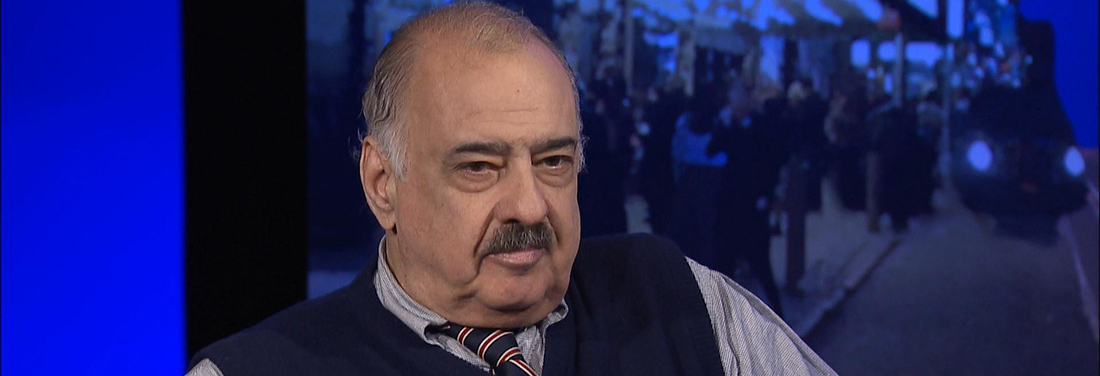
Patrick Mack on the iconic Ethan Mordden‘s career and his first book on opera in 30 years – and it appears that time has mostly stopped in the Mordden manse.
11 pieces since 2007.
Patrick Mack on the iconic Ethan Mordden‘s career and his first book on opera in 30 years – and it appears that time has mostly stopped in the Mordden manse.
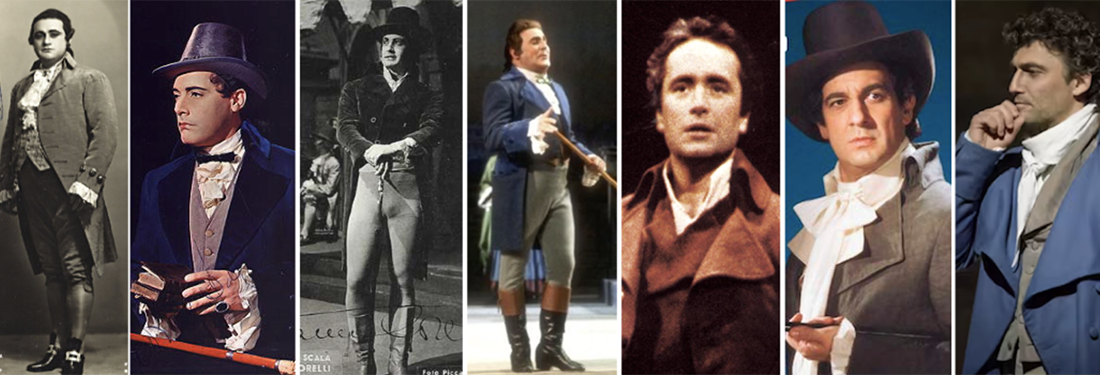
Quite simply, the singers are not around today who are steeped in the tradition of verismo, or for that matter the later part of the 19th century.

It’s been eight decades since darling Aix-en-Provence was under attack—its last formal invasion, at least by non-operagoers, was in 1942 during the German occupation of southern France. But on Friday, the town was besieged once again by its annual festival, with two dazzling premieres that examined the cruel and constructive dimensions of war and revolution.
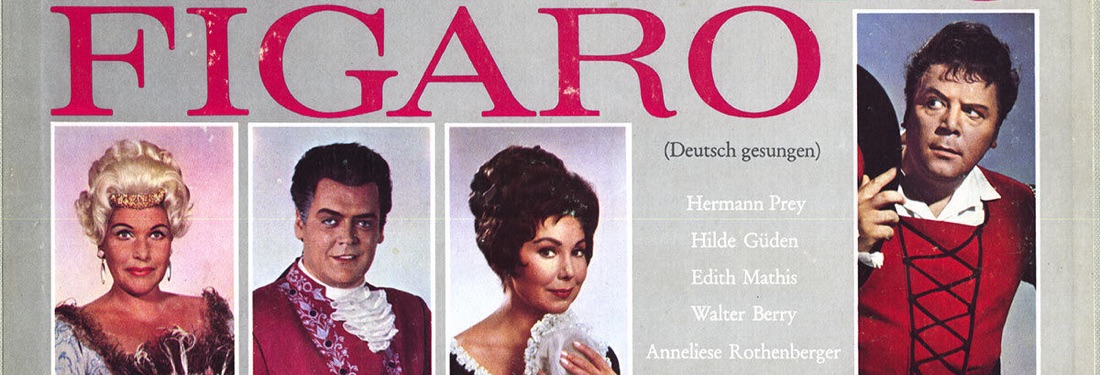
It was love at first hearing. The music was glorious, the conducting bouncy and pointed, and the singers sure sounded terrific to me.
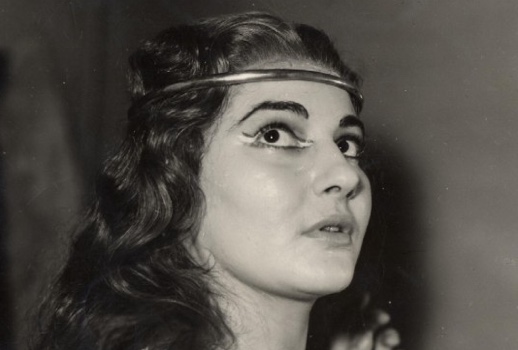
All the daring and imagination of La Divina’s live work, particularly in the early years, is revealed in Warner Classics’ Maria Callas: The Live Recordings.
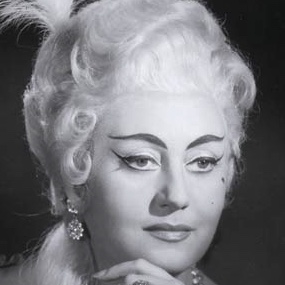
We leave behind the Vienna of the 1740s, the time of breeches, fans and white wigs.
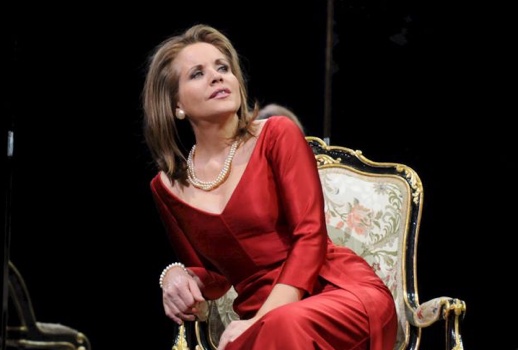
A week from tonight the Met premieres an eagerly anticipated new Der Rosenkavalier, its first in nearly 50 years—probably to the dismay of many grown used to the venerable Nathaniel Merrill–Robert O’Hearn production. As a preview “Trove Thursday” offers a live broadcast of Richard Strauss’s most popular opera with a delicious cast headed by Régine […]
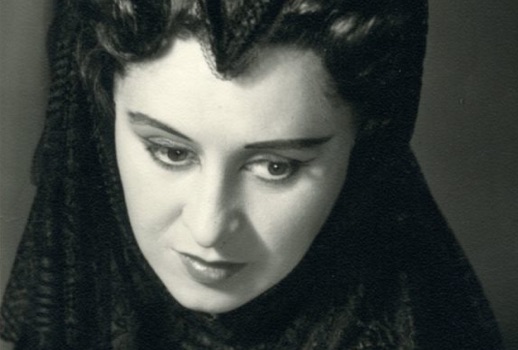
“Trove Thursday” presents Sena Jurinac‘s radiant portrayal of Janacek’s Jenufa opposite the implacable Kostelnicka of Martha Mödl.
A documentary about the heldentenor Max Lorenz would seem to be an ideal prism through which to examine the moral ambiguities and trade-offs of artistic life in the Third Reich. The preeminent Siegfried, Tristan and Tannhauser of the Nazi era was considered so essential to the success of Bayreuth that Winifred Wagner told Hitler that […]
[La Cieca is delighted to introduce a new reviewer, @scazzasofija.] I found Rosenkavalier (Met, Oct. 13) to be mostly sublime. My quibbles come from a preference for Kleiber’s tempos. I found that de Waart was waving his arms as fast as he could for the beginning, but I think the prelude and up until the […]
The American dramatic soprano is heard in the final scene of Daphne (R. Strauss) in a performance from Buenos Aires, 1948. Set Svanholm is Apollo; Erich Kleiber conducts. Rose Bampton sings Daphne

The days are getting shorter, but you can keep the prattle going this fall’s Talk of the Town! You will, you can, you must join in the discussion about: Great mezzo soprano performances (October),
Gained in translation (November), Teleport me back to… (December).
Exclusive opera reviews, commentary, and top reads
delivered to your email weekly…ish.