
A favorite Donizetti performance from Cornelia
Donizetti’s never been a desert island composer of mine, but he comes close when I hear Edita Gruberova in her prime.
By Cornelia
75 comments
70 pieces since 2008 — in 14 roles, at 7 companies, most often at Metropolitan Opera.
Donizetti’s never been a desert island composer of mine, but he comes close when I hear Edita Gruberova in her prime.
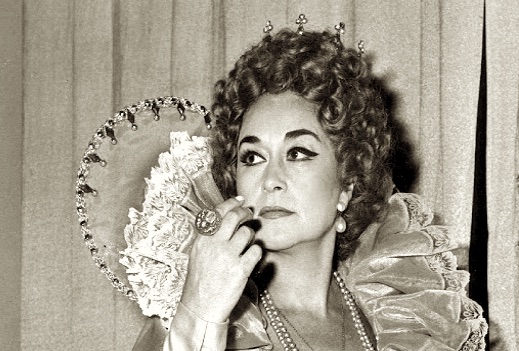
By the time Roberto Devereux saw its premiere at Napoli’s Teatro San Carlo on 29 October, 1837, Gaetano Donizetti had lost, in an 18-month time frame, both his parents, two still-born children, and his beloved wife Virginia.
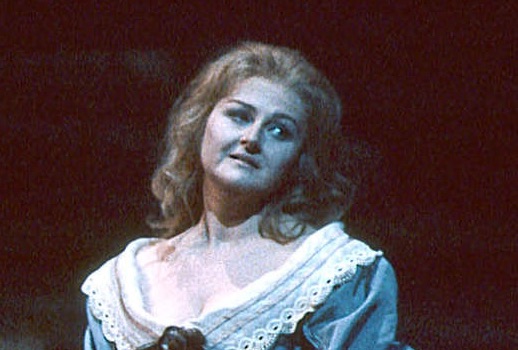
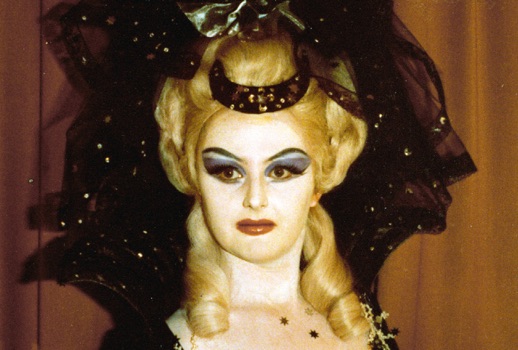
In observance of Edita’s Gruberova’s 50th anniversary in opera, I would like to offer a series of commentaries, over successive days, of my favorite performances.
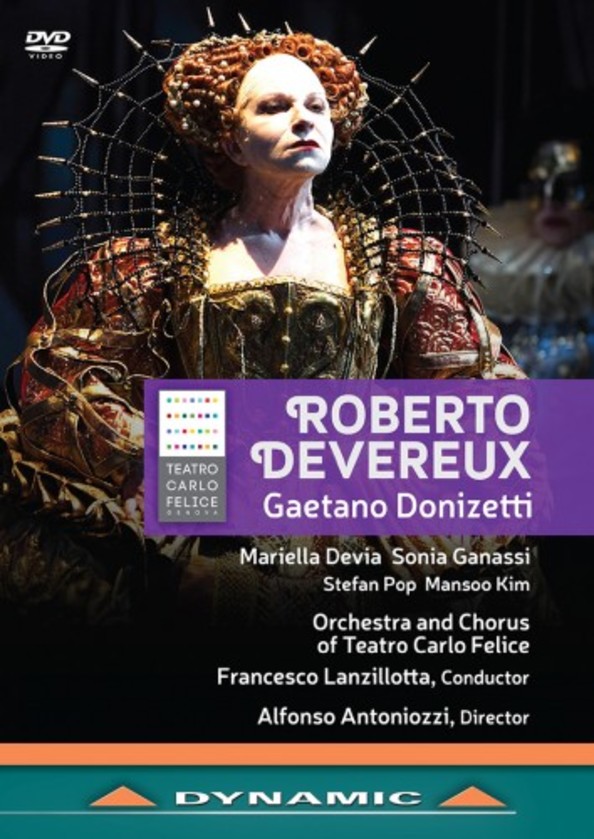
Now we find Mariella Devia, a diva held in near mythic regard due to her vocal longevity, with competing videos of two of her performances that were released, literally, on the same day.
On his 86th birthday last month, the great Austrian conductor Nikolaus Harnoncourt announced his retirement.

I proposed to Edita that we turn my 20-page paper into a book, a musical biography.
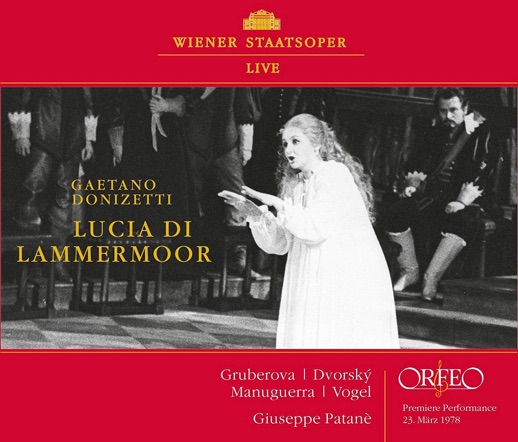
Orfeo’s latest edition is a 1978 performance of Lucia di Lammermoor with a very estimable cast that on its surface may seem a tad mundane but the extensive liner notes (with performance photos) tell the story of why it held such magic.
Christof Loy’s dreamlike, pared-down production of Donizetti’s 1833 masterpiece Lucrezia Borgia, created for the Bayerischen Staatsoper, is brought to life on Medici DVD from performances in July 2009. The DVD of the performance is accompanied by another hour-long DVD, The Art of Bel Canto: Edita Gruberova, which includes some fascinating rehearsal and performance footage of […]
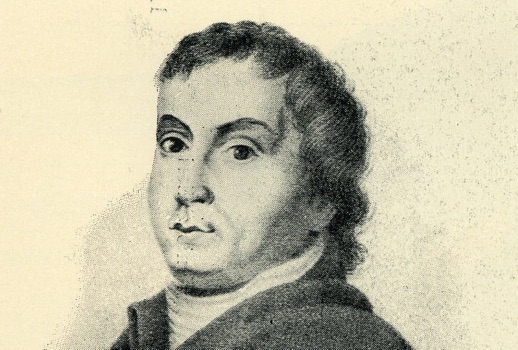
“Trove Thursday” presentsFerdinando Paër’s 1804 Leonora ossia L’Amore coniugale.

In Bellini’s opera Norma, the “padre” role of Oroveso, it may be safely said, is “undistinguished”—dull and conventional. The bass entrusted with the role usually will engender two reactions: more frequently than not, “Cut this boring music,” and rather more rarely: “What a pity Oroveso doesn’t have more music.”
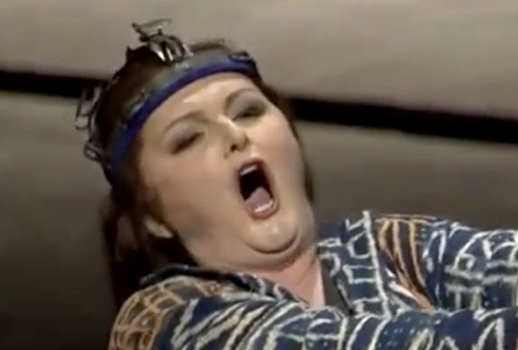
If one looks at trends in the last 40 or so years, the most successful Normas are mainly those who’ve made not just bel canto, but Bellini as a mainstay in their repertoire.
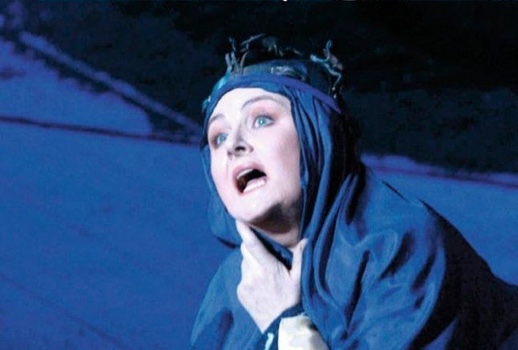
Edita Gruberova takes on the requirements of the title role in Bellini’s Norma.
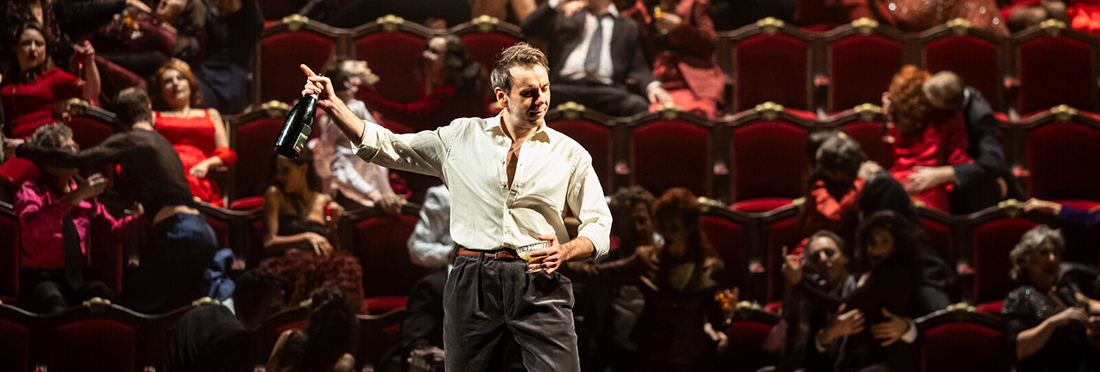
When my editor suggested to me a round-up of my favorite recordings of Jacques Offenbach’s Les Contes d’Hoffmann I was très, très, intrigued.
Die Zauberflöte is a perennial favorite with audiences, and modern productions have attracted top singers and production teams. Yet every production struggles with the performance text, particularly with the issues of race and sex. The dreams of the Enlightenment may be lovely, but the social mores of their dreamers have not aged gracefully. Despite a […]

Beethoven expressed it best when he reportedly threw Rossini shade: “Any other other style than opera buffa would do violence to your nature.”
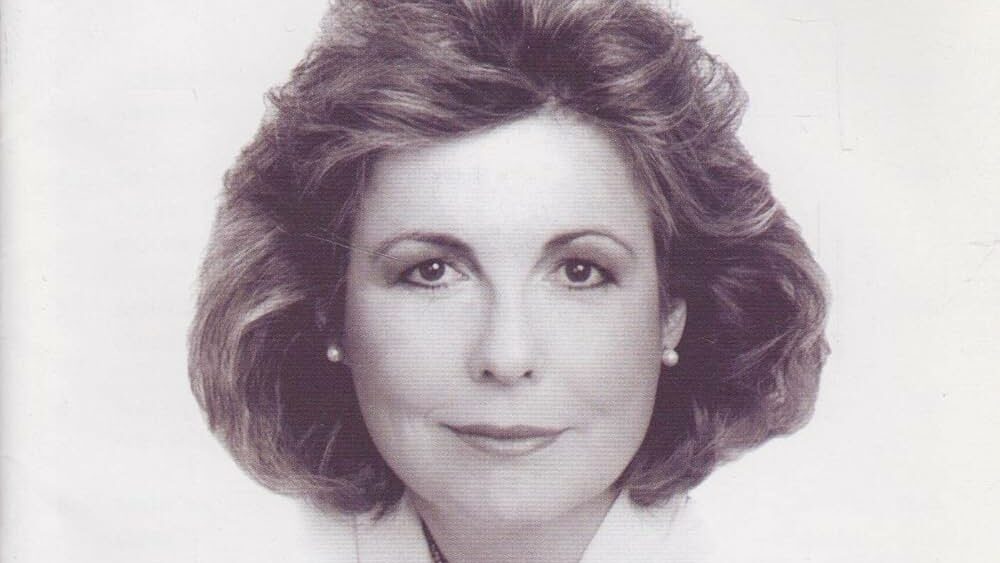
A perfect meeting of voice with composer occurred when Arleen Auger took part in the rediscovery of early works by Mozart.
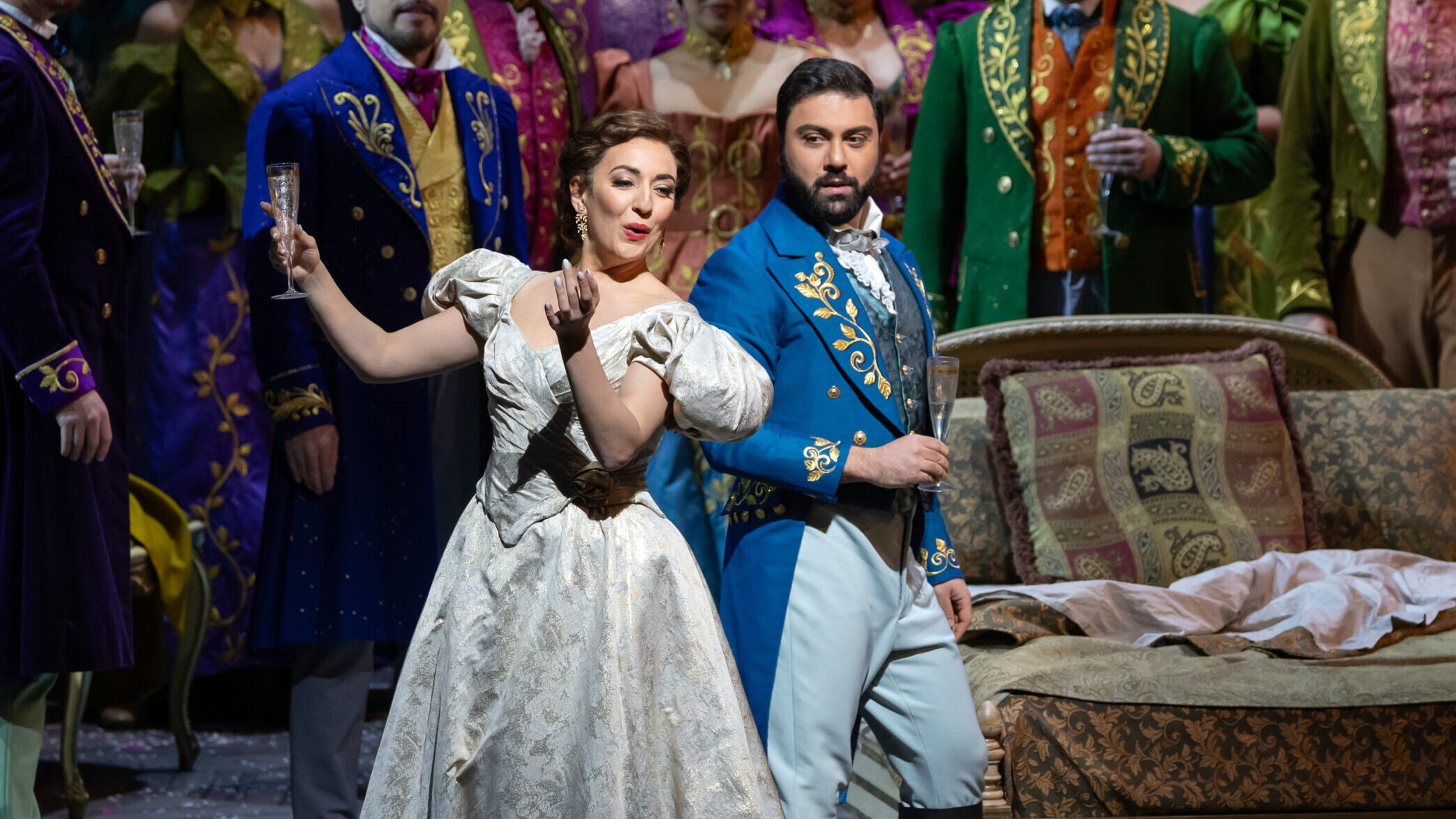
Christopher Corwin surveys the three Traviata casts — led by Lisette Oropesa, Rosa Feola, and Ermonela Jaho — at the Met this spring.

Tuesday the Met unveils its sixth new production of La Traviata since moving to Lincoln Center.
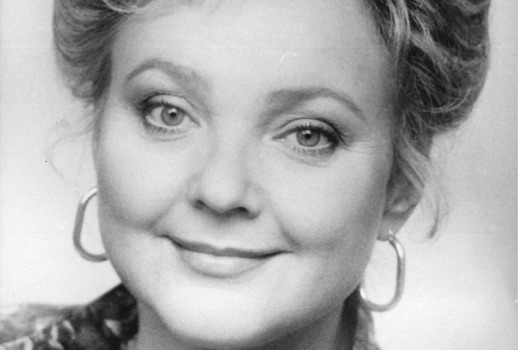
Arabella with Wolfgang Sawallisch conducting a prime-time 1980s Munich cast.
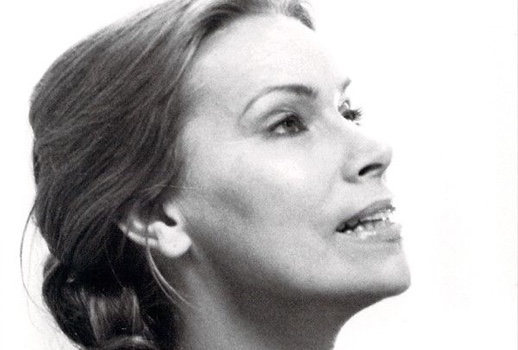
A live broadcast of the prologue to Ariadne auf Naxos featuring Julia Varady, a favorite sopranos in a role she sang only rarely.

The days are getting shorter, but you can keep the prattle going this fall’s Talk of the Town! You will, you can, you must join in the discussion about: Great mezzo soprano performances (October),
Gained in translation (November), Teleport me back to… (December).
Exclusive opera reviews, commentary, and top reads
delivered to your email weekly…ish.