

I’ll plant my own tree
Richard Strauss’ “Bucolic Tragedy in One Act” Daphne is one of his most beautiful and most frustrating works.
23 pieces since 2015 — in 10 roles, at 12 companies, most often at Metropolitan Opera.
Richard Strauss’ “Bucolic Tragedy in One Act” Daphne is one of his most beautiful and most frustrating works.

The old adage “the third time’s the charm” proved to be the case with me and Daphne, Richard Strauss’s ravishing bukolische Tragödie, when I recently heard it performed by Franz Welser-Möst and the Cleveland Orchestra.
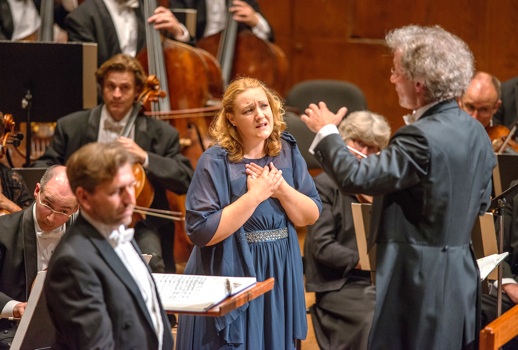
Richard Strauss’s many one-act operas make excellent concert programs, both for their length (usually under two hours) and the primary place each gives the orchestration, a specialty where Strauss’s brilliance seldom deserted him.
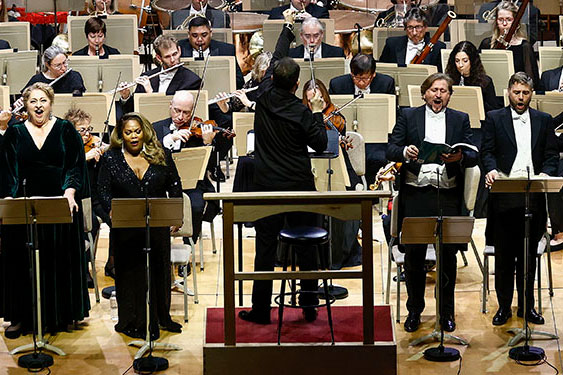
Mahler’s 8th Symphony is an enormous and enigmatic work.

A sense of celebration was definitely in the air last Thursday at the Vienna State Opera.
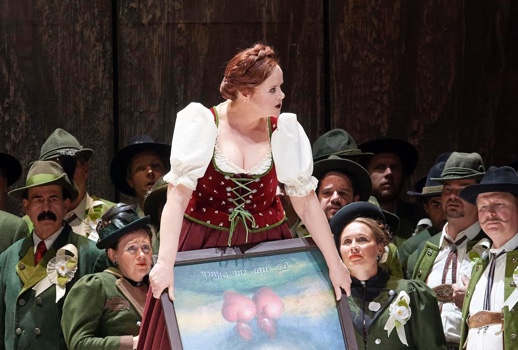
Lohengrin descended upon the Wiener Staatsoper this month like American college students to Oktoberfest: loudly, spastically, not especially coherent, and in full lederhosen and dirndls.
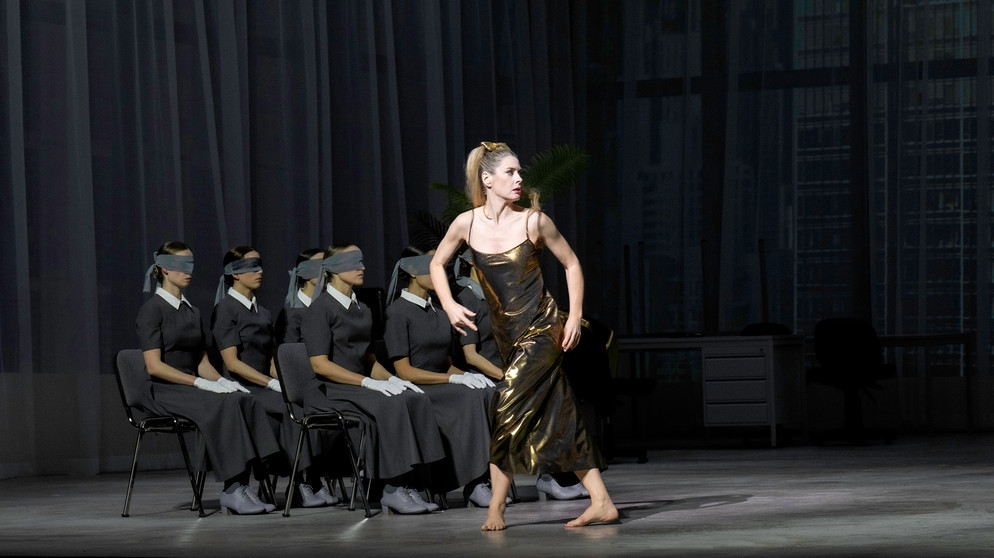
Claus Guth mines urgent and contemporary commentary from Die Liebe der Danae in Munich.
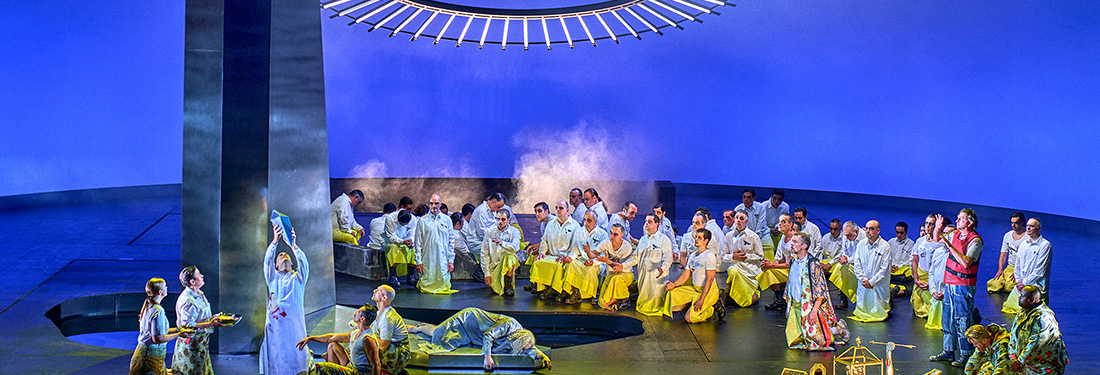
Jay Scheib’s Augmented-Reality Parsifal is a cautionary reminder that technological innovation shouldn’t absolve directors from the exacting work of deriving intelligent and fascinating theater from the source material.

Awaiting the return of Parsifal to the Met, “Trove Thursday” hops to the other end of Wagner’s oeuvre with a recent Rienzi der letzte der Tribunen.
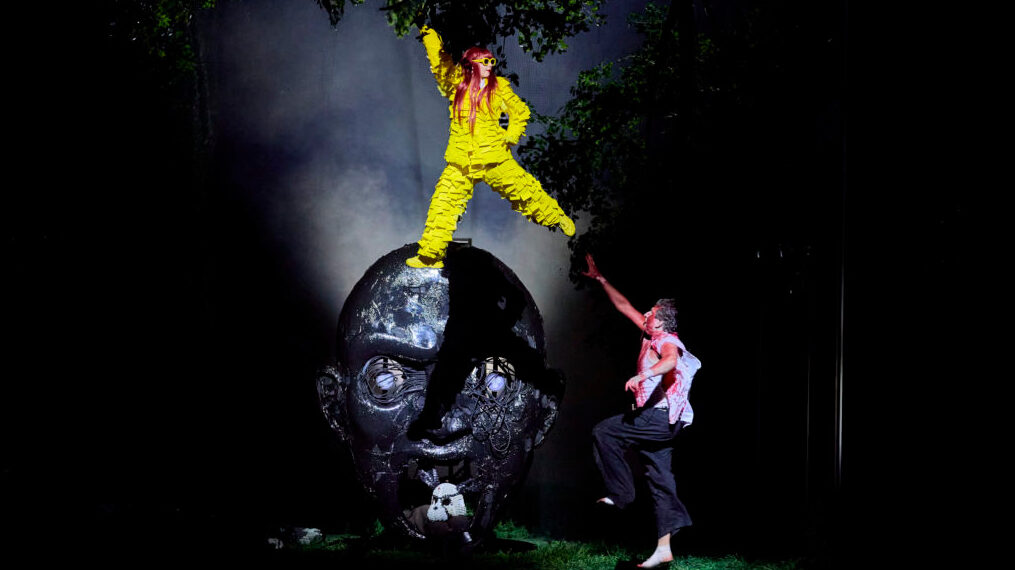
With Siegfried, the directorial vision of the Paris Opera‘s Ring cycle finally takes root.

Cycle II represented an embarrassment of musical riches.
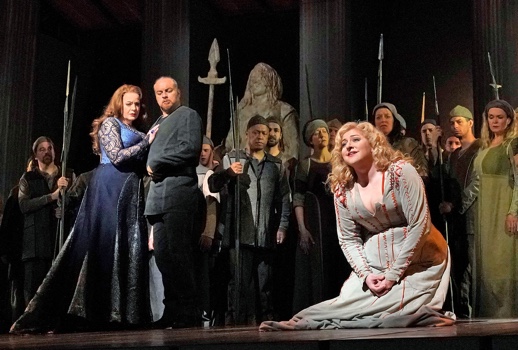
At the Metropolitan Opera’s Götterdämmerung on Saturday afternoon, the fires which consumed the Gods burned lukewarm.
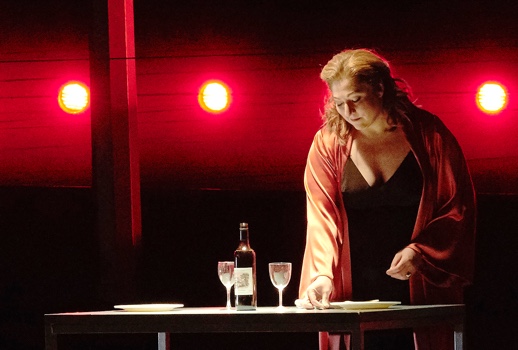
The Canadian Opera Company scored a coup when they secured Christine Goerke for the revival of their Ring productions over the last three seasons

In any case, we probably got as good a Tannhäuser cast as could be assembled these days.
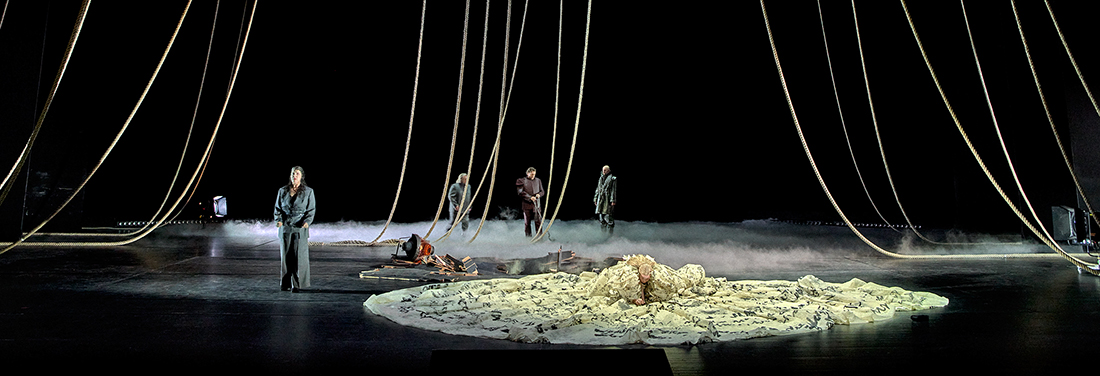
In Nike Wagner’s essay “The Sounding Silence,” the German dramaturge argues that “the longing for deathrepresents the central motif” of her great-grandfather’s opera Tristan und Isolde.
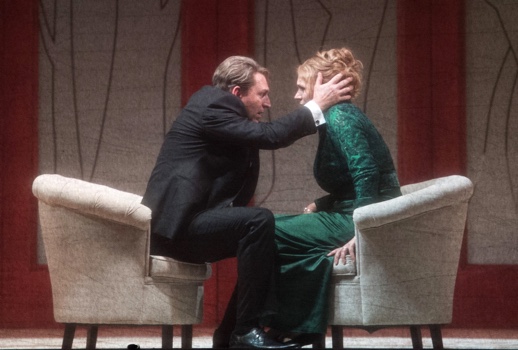
Whether you love the 2018 Berlin Staatsoper Tristan and Isolde depends on what you think the opera is about.

The days are getting shorter, but you can keep the prattle going this fall’s Talk of the Town! You will, you can, you must join in the discussion about: Great mezzo soprano performances (October),
Gained in translation (November), Teleport me back to… (December).
Exclusive opera reviews, commentary, and top reads
delivered to your email weekly…ish.