Review
Dazed and confused
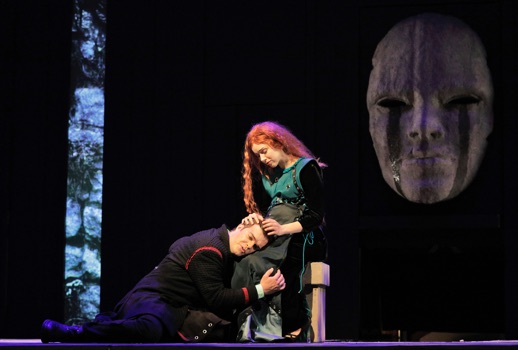
Last weekend marked the opening night for West Edge Opera: Debussy’s Pelléas et Mélisande.
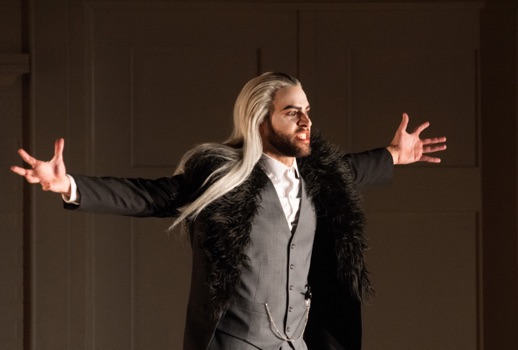
Call me madman
This past weekend was a busy one for operas in San Francisco (and Bay Area).
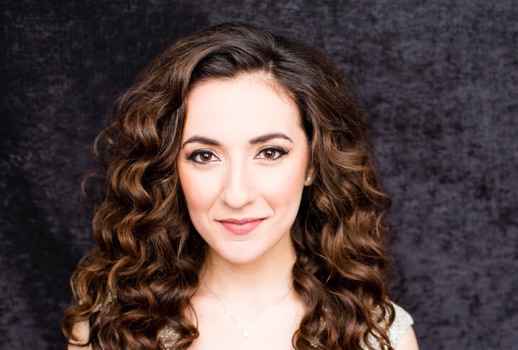
Rosa’s turn
To heck with Bayreuth and Salzburg, Glimmerglass and Santa Fe as Rosa Feola sang Mozart at Lincoln Center Friday night and I wouldn’t have been anywhere else!
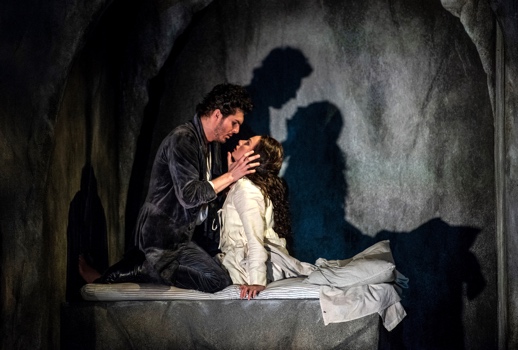
I’m no angel
Bard cultish Summerscape series continues to test our esoteric limits with Demon, Anton Rubinstein’s little-known opera about a demon who hankers for a Georgian princess.
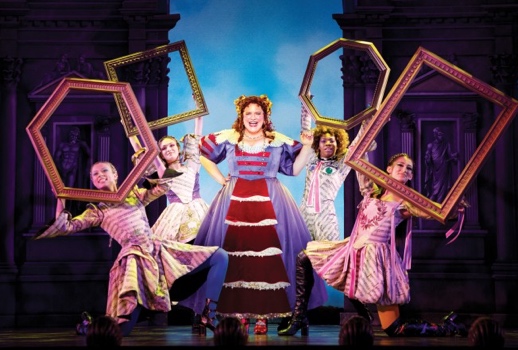
Heaven is a place on Broadway
Broadway’s new Head Over Heels is anything but under committed; it’s a show with an irresistibly fun spirit and an infallibly good heart.
Social Medea
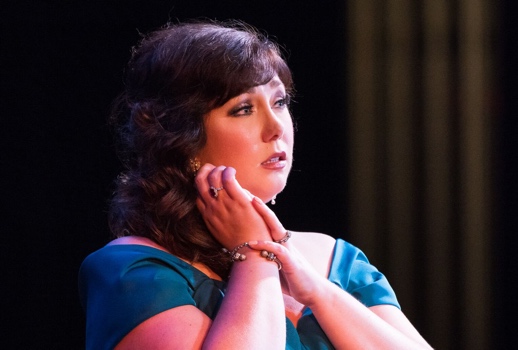
Simone Mayr’s Medea in Corinto, a curious work of 1813, has been revived by Will Crutchfield’s new enterprise, Teatro Nuovo.
Country matters
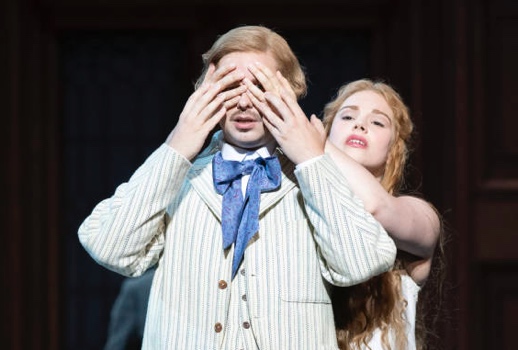
Stefan Herheim productions may be many things, but they’re always theatrical.
Alexander was great
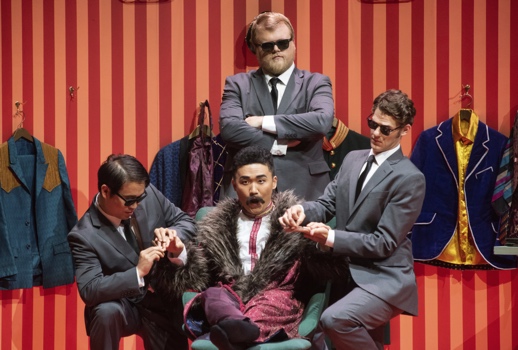
As the first of the 2018 opera productions last Saturday, the Merola Opera Program chose Mozart’s rarely-performed early serenata, Il re pastore.
Lakeside ‘Story’
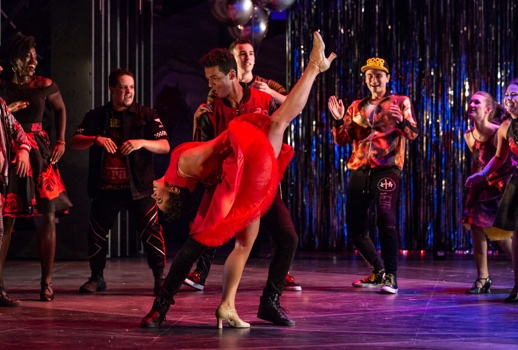
Sunny, lakeside Cooperstown presents a peppy, exuberant, winning production of West Side Story, the musical.
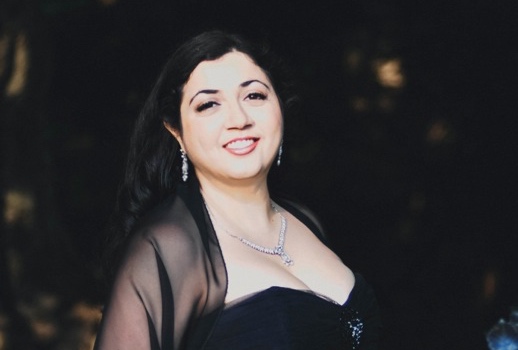
The wedding singers
Caramoor imported the venerable West-Coast period orchestra Philharmonia Baroque to perform Atalanta, an obscure pastoral work by Handel.
O sofa fanciulla
Winsome, tony, and studded with overbooked bistros, Tanglewood is not exactly crawling with bohemians these days.
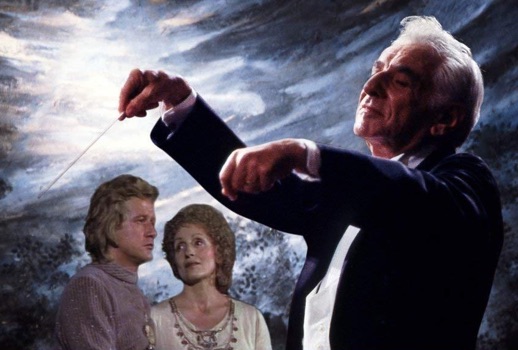
O sink hernieder, Nacht der Lenny
Well here we are, beloveds, still swathed in the warm glow of the Leonard Bernstein centennial. Box sets abound like bunnies in a hutch.
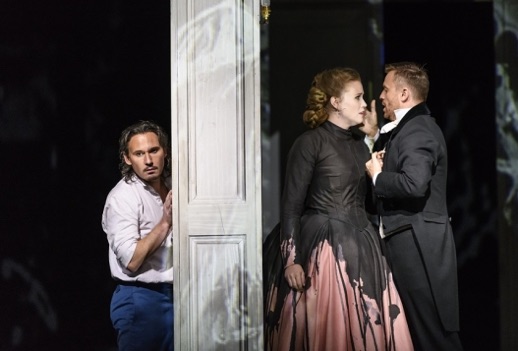
Summer night
The dream cast put together for this second revival of Kasper Holten’s Don Giovanni production shines at the Royal Opera House.
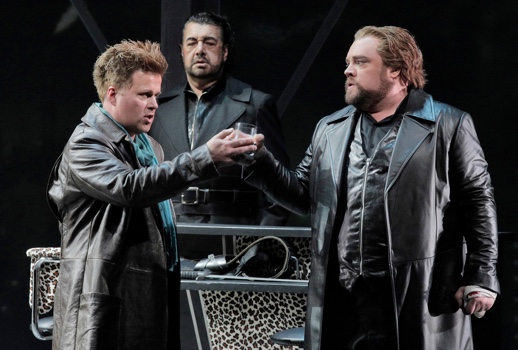
Baby the rain must fall
As Brünnhilde invokes the gods of an empty Valhalla for one last time and strides confidently into a wall of flame, we pause for a moment, unsure of what will follow.
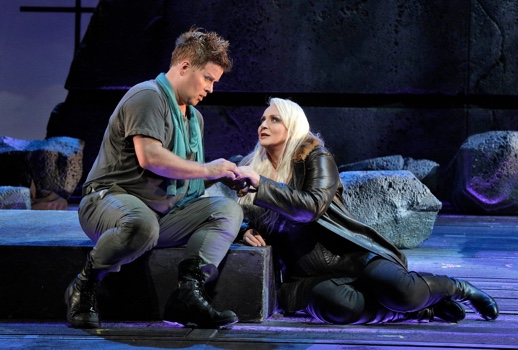
Human, all too human
Siegfried is, in a sense, The Ring’s odd one out.
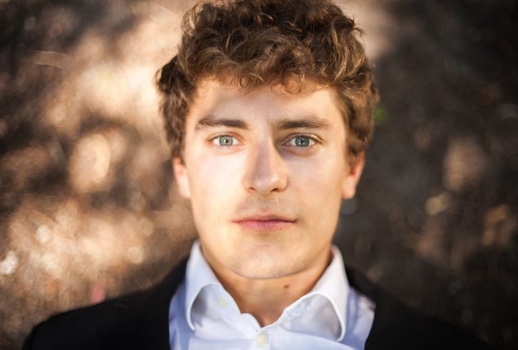
Boys of the baroque
In less than 10 days two outstanding countertenors, Franco Fagioli and Jakub Józef Orlinski, visited London.
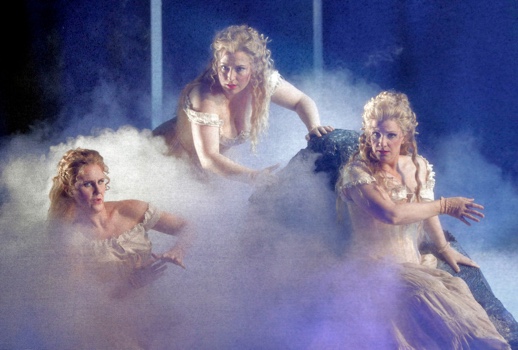
San Francisco, open your Rheingold gate
Casting the Ring as a parable for the state of the current world, seen through the eyes of a progressive urban opera lover (and not an early German nationalist), offers us soothing self-justification.
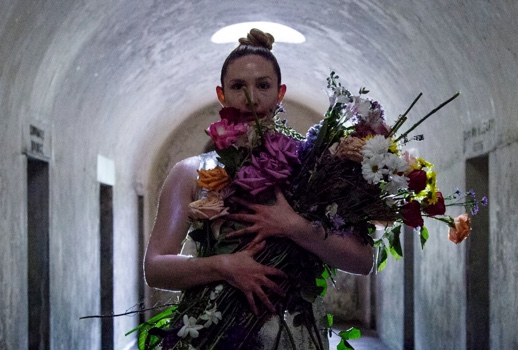
Cave dwellers
Composer/librettist David Hertzberg’s The Rose Elf, which gave its world premiere in the Green-Wood Cemetery Catacombs last weekend, is indeed a marvel of elfin proportions.
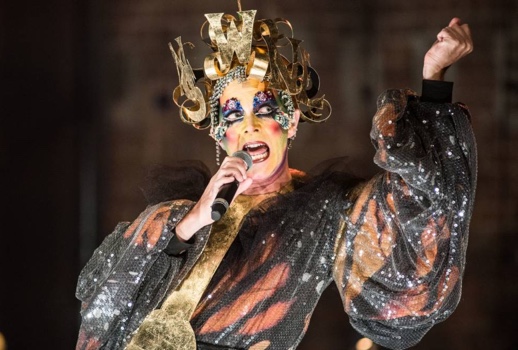
The sun shines nellie
Warmth, humor, and joyful out-and-proud-ness dominate the mood, yet there is considerable darkness in Taylor Mac’s view of both past and present.
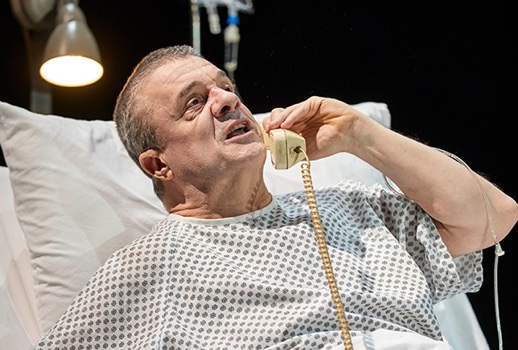
Painful progress
Many lessons surface in Tony Kushner’s epic Angels In America: A Gay Fantasia on National Themes.
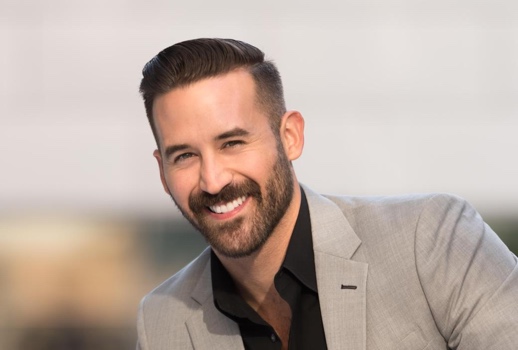
Too cloistered for comfort
New Amsterdam Opera’s concert version of Donizetti’s elaborate score La favorita, offered energy, panache and several top-notch young soloists.

If it ain’t ‘Brokeback’
Between staging, music, and material, it’s hard to decide what feels most broken about New York City Opera’s American premiere of Brokeback Mountain.
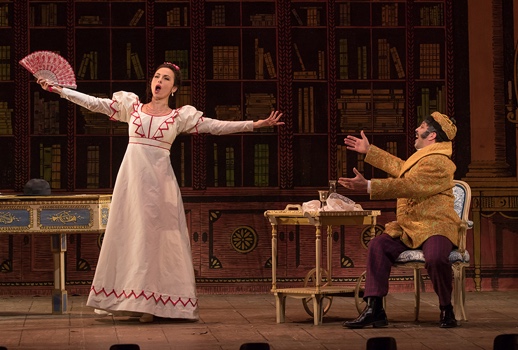
Home run
The Barber of Seville turned out to be the most overall solid production of the year and even a bit of old-fashioned fun.

I’ll take the fall
The days are getting shorter, but you can keep the prattle going this fall’s Talk of the Town! You will, you can, you must join in the discussion about: Great mezzo soprano performances (October),
Gained in translation (November), Teleport me back to… (December).
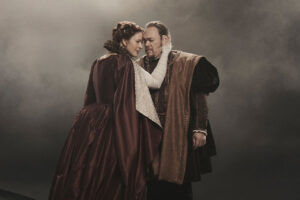
Win a Free Ticket to Opening Night at the Met!
Quinn Kelsey and Lise Davidsen star in the Met's new Macbeth. We're giving away one ticket, so screw your courage to the sticking place and enter now!