
Moon and stars
One of the major complaints about the five year casting system (as well as the shared productions by different companies) is that operatic events are rarely surprises anymore.
One of the major complaints about the five year casting system (as well as the shared productions by different companies) is that operatic events are rarely surprises anymore.

For many in New York and around the world, if the name William Christie appears on a concert or opera program, it’s a must-attend.
Whenever opera-lovers are canvassed about what neglected operas they hunger to see revived, the resulting lists inevitably feature a goodly number of grand operas, those once wildly popular monstrosities–particularly by Meyerbeer–written primarily for Paris in the mid-19th century.
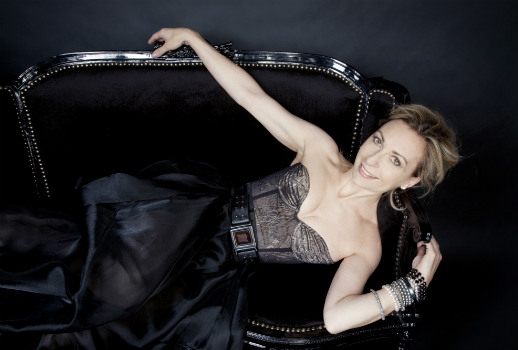
Almost exactly twenty years after her auspicious Metropolitan Opera debut as the Fiakermilli in Arabella and a year following what she has claims was her final appearance on the operatic stage, Natalie Dessay returned Sunday afternoon to Lincoln Center—to sing opera.

What would you do if I asked you to take a old, faded version of Puccini’s score for La Bohème and fill in the unreadable parts with a mélange of disco, kabarett, and Alban Berg?
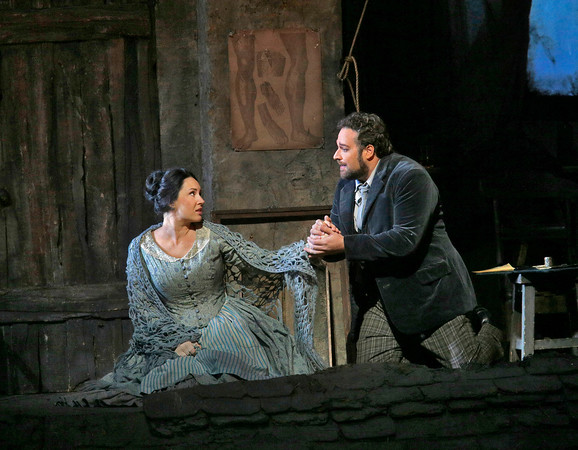
Every year I say I’m not going to another La Bohème because I’ve seen this too many times.
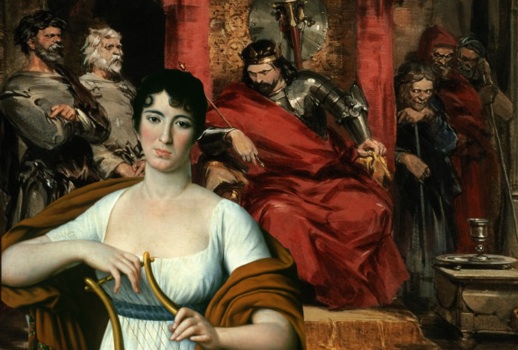
A young friend messaged me to ask if I knew Rossini’s Macbeth.

Throw in a trio of murders and a healthy splash of vodka and you have, more or less, the plot of Shostakovich’s Lady Macbeth of Mtsensk.
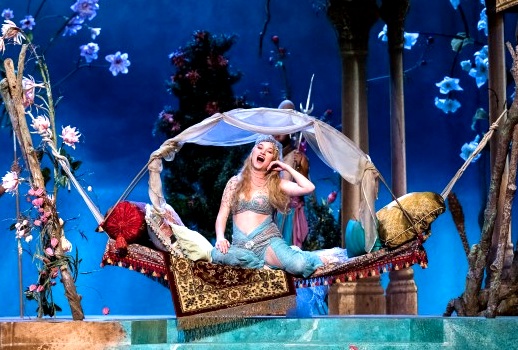
“With radiant looks, we shall depart this world,” sing Konstanze and Belmonte near the end of Mozart’s exotic yet charming opera Singspiel Die Entführung aus dem Serail.
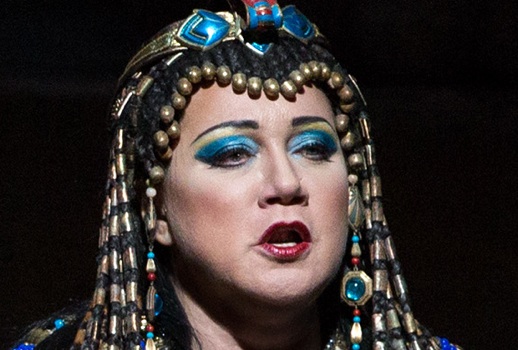
At the first intermission at last night’s Met revival of Aida, I turned to my companion and said, “So… what about the Aida? I thought she was supposed to be good.”

Sunday afternoon’s intermittently involving concert performance of Handel’s Alcina at Carnegie Hall starred an unusually intense Joyce DiDonato as a powerful sorceress blinded by her romantic delusions.
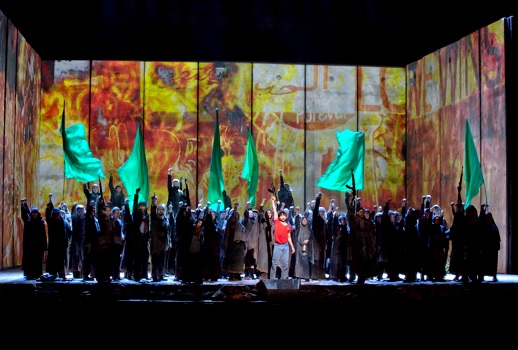
It was a night a-tingle with excitement at the Metropolitan Opera House.
Three nights, three concert halls, and three incredibly diverse programmes.
Passion propels more operas than almost any other human emotion; however, many musical dramas have a very different sort of passion—the final days of Jesus—as their subject.

The big news out of the Bay this week, of course, is that David Gockley, after ten years at the helm here and over forty in opera, has decided not to pull a Bloomberg/Galupe-Borszkh.
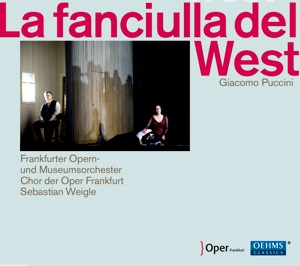
Giacomo Puccini’s horse-opera version of “Snow White and the Seven Dwarfs,” La Fanciulla del West, based on David Belasco’s play, The Girl of the Golden West, enjoyed the status of a curate’s egg for quite a while.
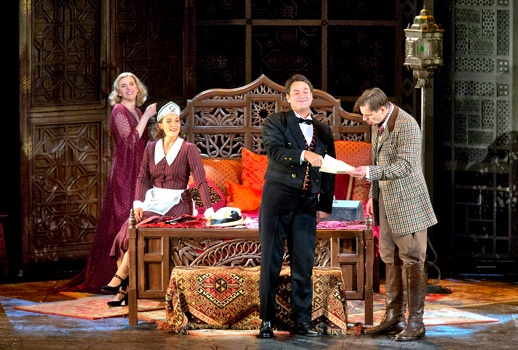
The Metropolitan Opera desperately needed a new production of Le nozze di Figaro.
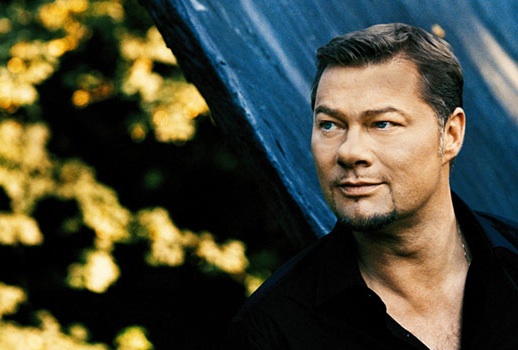
There is something so very Don Draper about René Pape .
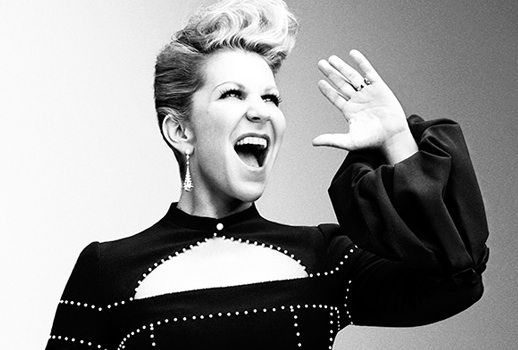
I just arrived back from Stella di Napoli’s.

Wednesday brought the Met’s “real” season opener, an indelible, indispensable night at the opera: a starry revival of Verdi’s Macbeth crowned by Anna Netrebko’s demented Lady.
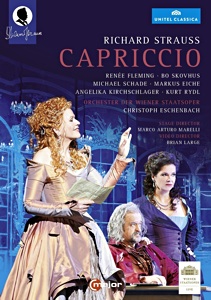
Soprano Renée Fleming is certainly making the role of the Countess in Richard Strauss’s final opera Capriccio the focus of her late-career years.
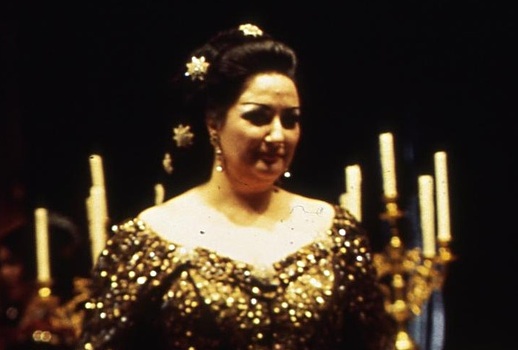
Our Own Jungfer Marianne Leitmetzerin celebrates tonight’s opening of the season at the Met with an opening night from the past: a 1967 performance of La traviata.

For those who like their Handel loud, with no forfeit of baroque finesse, one promising solution is to make the hall smaller.
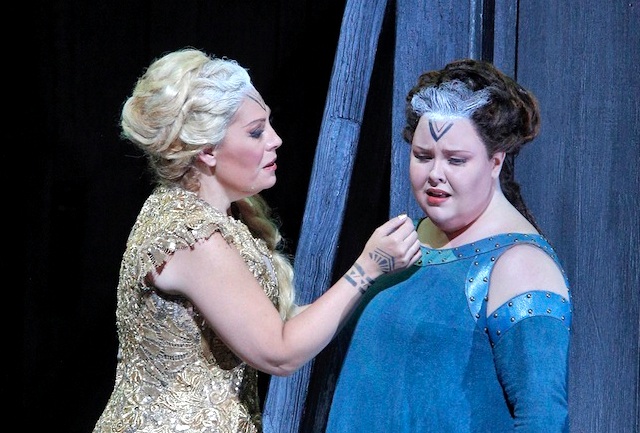
Far be it from me to join the Schadenfreudian chorus of “Bye, Bye, Berti!” you may have been hearing in certain quarters, but the first thing I am duty-bound to report about San Francisco Opera’s Norma (of which three performances remain) is that they’ve hit the jackpot, coverwise.

The days are getting shorter, but you can keep the prattle going this fall’s Talk of the Town! You will, you can, you must join in the discussion about: Great mezzo soprano performances (October),
Gained in translation (November), Teleport me back to… (December).
Exclusive opera reviews, commentary, and top reads
delivered to your email weekly…ish.