
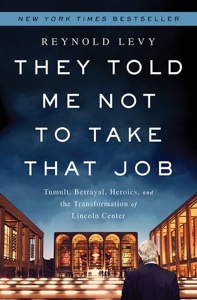
But the Levy was dry
The redevelopment that took place at Lincoln Center during Reynold Levy’s tenure as president of Lincoln Center represents a considerable accomplishment.
The redevelopment that took place at Lincoln Center during Reynold Levy’s tenure as president of Lincoln Center represents a considerable accomplishment.
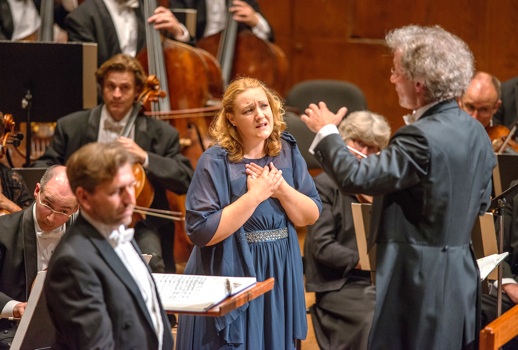
Richard Strauss’s many one-act operas make excellent concert programs, both for their length (usually under two hours) and the primary place each gives the orchestration, a specialty where Strauss’s brilliance seldom deserted him.
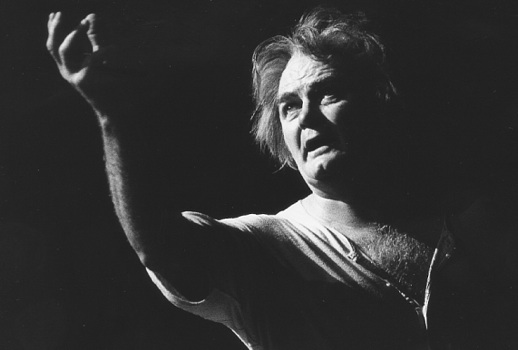
By some quirk of fate, I tend to hear about the deaths of many operatic legends via radio news while out driving.

Saturday evening conductor Will Crutchfield revived Donizetti’s La Favorite—unheard in New York for fifteen years.
Few things in opera are more exciting than a beloved young singer taking on a new role, especially in a new Fach.

Harry Lawrence Freeman’s Voodoo, begun sometime before 1914, was completed and first heard on radio in May, 1928, then staged on Broadway later that year—seven years before Porgy and Bess, please note.
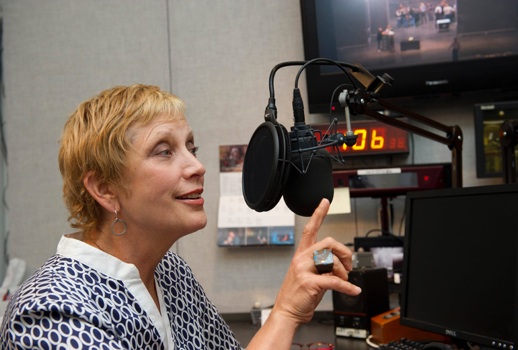
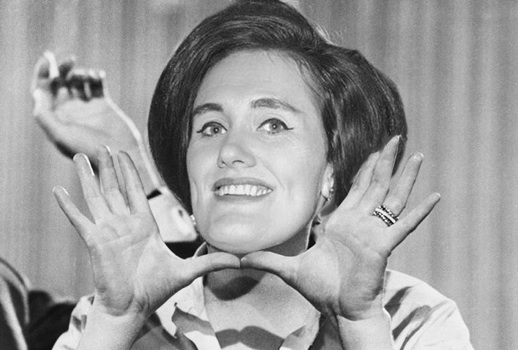
The host of the Metropolitan Opera’s Saturday Afternoon Radio Broadcasts and longtime public radio personality died today of complications from ovarian cancer. She was 58.
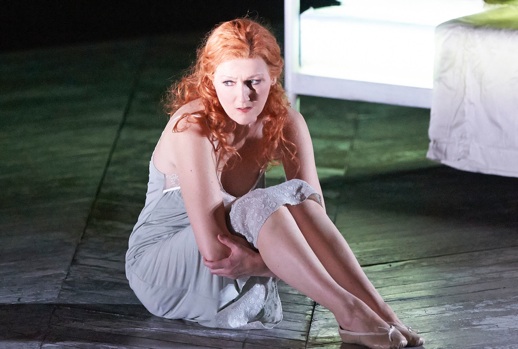
I can’t think of another 20th century opera which has grown so fast in popularity so long after its composition than Lady Macbeth of Mtsensk.

Mezzo Rinat Shaham takes a short break from being the world’s busiest Carmen and rehearsing for the theatrical concert “The Sorrows of Young Werther” to dish with your doyenne.

Töt erst sein Weib!” shrieks Anja Kampe as Leonore during the very first moments of Andreas Homoki’s ingenious production of Beethoven’s only opera, Fidelio, at Opernhaus Zürich.
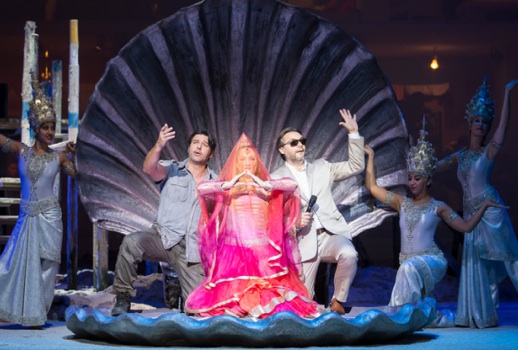
Theater an der Wien did justice to Bizet earlier this season with a cast starring Diana Damrau, Dmitry Korchak, and Nathan Gunn.
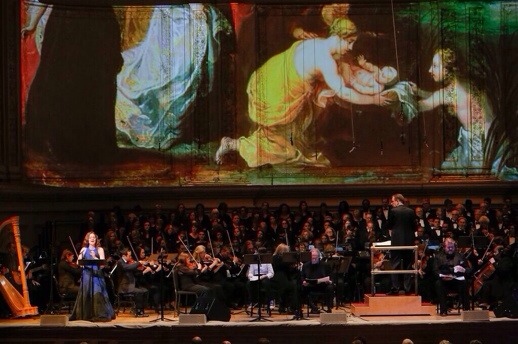
The creation of Kurt Weill’s The Eternal Road and its lately remodeled avatar, The Road of Promise, boiled down and premiered at Carnegie Hall Wednesday night by the Collegiate Chorale and the Orchestra of St. Luke’s, was an intricate process, far more interesting than the work itself.
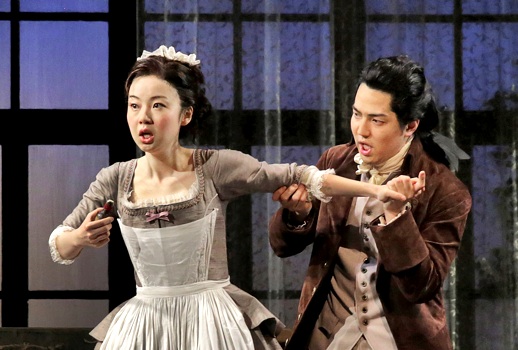
All those who have been in a rage since the news broke this week that the Metropolitan Opera has invited Calixto Bieito to stage Verdi’s La Forza del Destino can relax and embrace the Juilliard Opera’s new Le Nozze di Figaro which opened Friday night.
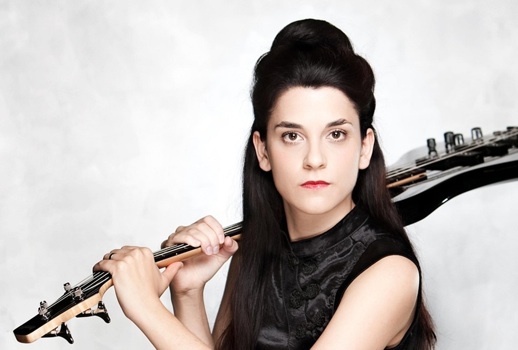
Many large opera companies these days host valuable young artist programs dedicated to helping singers negotiate the difficult transition between leaving the conservatory and becoming full-time performing artists.
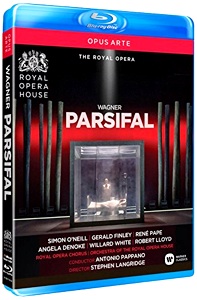
Contemporary stagings of Parsifal tend to be spare, abstract affairs scrubbed of religious associations, knights in armor and, sometimes, a grail.
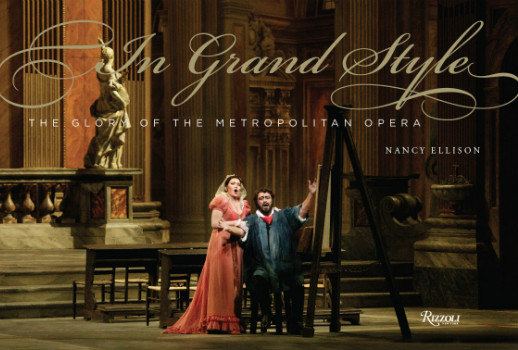
Some thoughts about the perishability of opera productions follow.
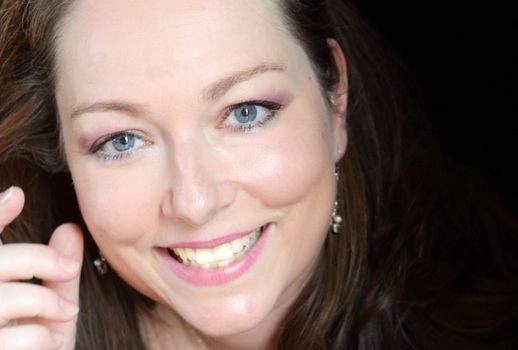
Although she began her career nearly 25 years ago recording and performing lots of baroque music, I was surprised to see German soprano Dorothea Röschmann promoted as the star attraction of an all-Purcell concert Sunday at Carnegie Hall.
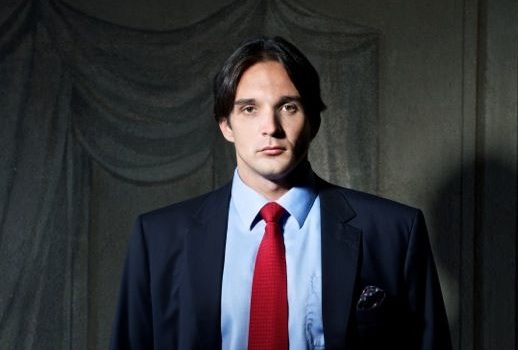
No surprises this week: back to normal with what is perhaps the world’s most favorite opera: Puccini’s La bohème.

Who needs sets and costumes anyway?

Coming from placid, luxurious Geneva, where I am currently living, Berlin felt even more jarring than usual.
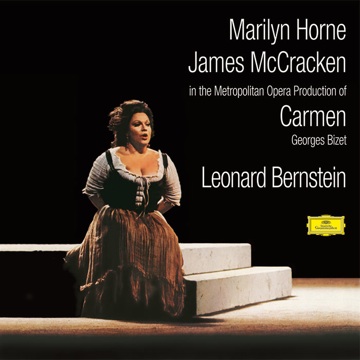
As the Deutsche Grammophon producer for the 1972 Metropolitan Opera Carmen recording, I was delighted to read Patrick Mack’s review of its recent re-release on a surround-sound/stereo CD set.
The opening night of the Metropolitan Opera of September 1972 was supposed to be the dawn of a new era.
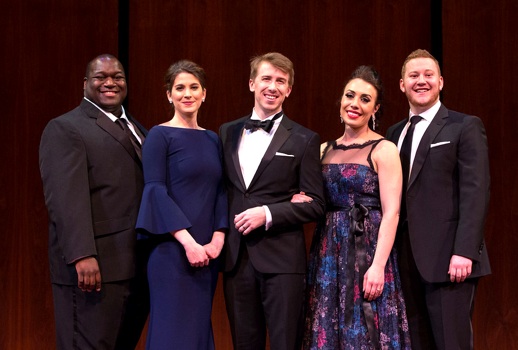
The Metropolitan Opera yesterday afternoon was an uncommonly cozy place, as the auditorium was packed to the rafters with friends and family members of the nine National Council Audition Finalists.

A performance space called the Sheen Center has opened its doors way down the far end of Bleecker Street, a stoner’s throw from where CBGB’s used to thrive beside the itsy-bitsy Amato Opera House. (You never forget your first Oberto, Conte di San Bonifacio.) Sheen Center, sizable and modern and slim on personality, contains two […]

The days are getting shorter, but you can keep the prattle going this fall’s Talk of the Town! You will, you can, you must join in the discussion about: Great mezzo soprano performances (October),
Gained in translation (November), Teleport me back to… (December).
Exclusive opera reviews, commentary, and top reads
delivered to your email weekly…ish.