
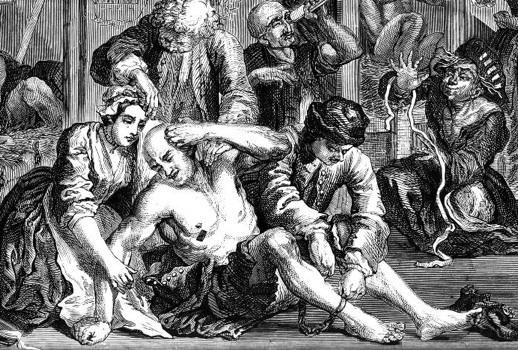
“If there is no struggle, there is no progress”
In New York, tradition insists, there are no limits to where a preposterous idea, talent and relentless determination will take you, in defiance of all the odds.
In New York, tradition insists, there are no limits to where a preposterous idea, talent and relentless determination will take you, in defiance of all the odds.
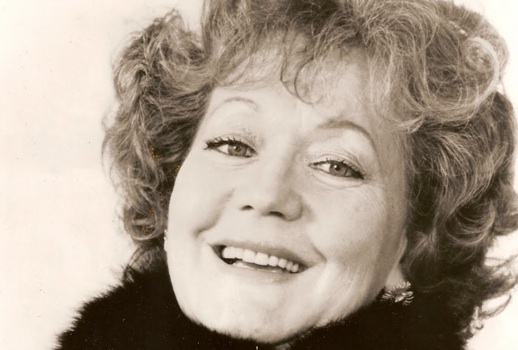
It’s time for the annual celebration of the birth of Leonie Rysanek (who, as you know, is your alte Jungfer’s Diva of Divas).

Lilith. Pandora. Circe. Salome. “La Belle Dame sans Merci.” Carmen. Brigid O’Shaughnessy: the eternal “femme fatale” still fascinates us.
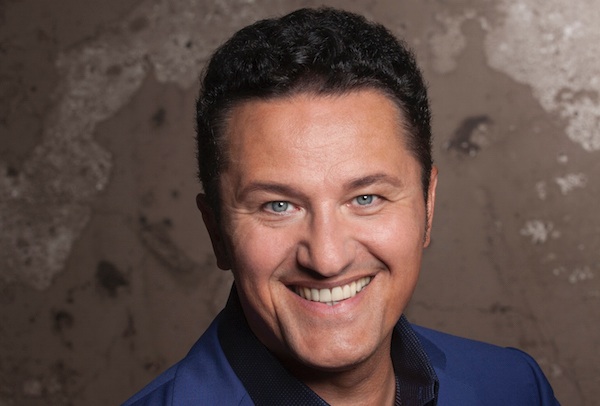
Polish singers are chameleons. They have to be.
William Christie’s Les Arts Florissants made a much-anticipated appearance at Lincoln Center’s White Light Festival Saturday performing Theodora.

The annual Richard Tucker Gala is probably the event of the year to indulge your love of verismo staples and can belto screaming.
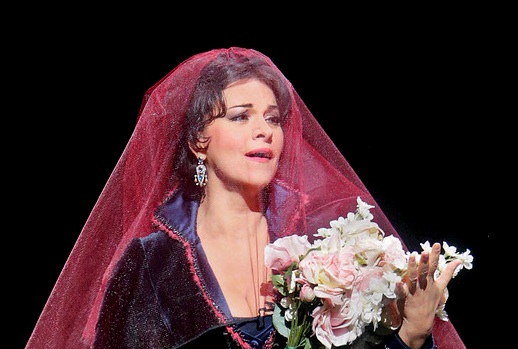
Angela Gheorghiu‘ s idiosyncratically alluring, sometimes maddening, always fascinating Floria Tosca inevitably became the evening’s unmissable raison d’être.

With help from the Met’s invaluable performance archive, here is a look back at just some of what you could have seen, and perhaps did see, on October 31st through the years at the Met.
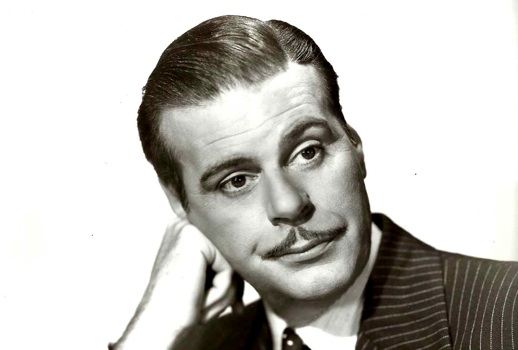
“Trove Thursday” presents Don Procopio, an early two-act confection in Italian featuring an all-star French (and Belgian) cast.
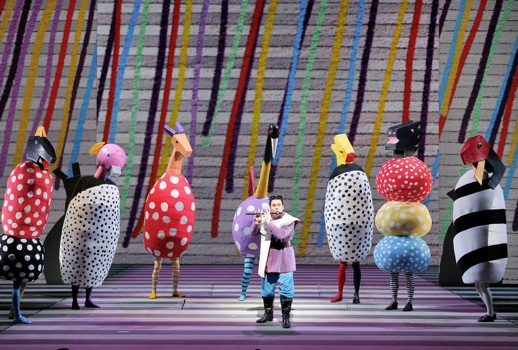
With a primary color, projection-heavy English-language Magic Flute that’s going to feel like a matinee whenever you see it, the SFO season has lived up to its initial promise.
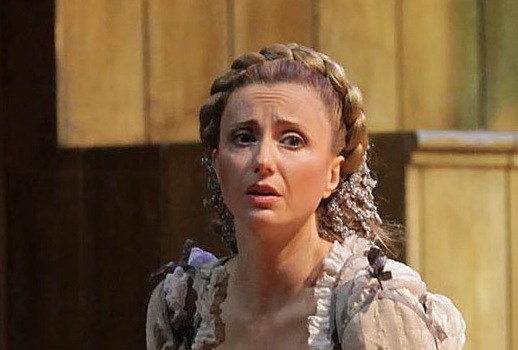
Whatever happened to Stefania Bonfadelli?

Simply put, Christine Goerke is a stupendous Elektra.
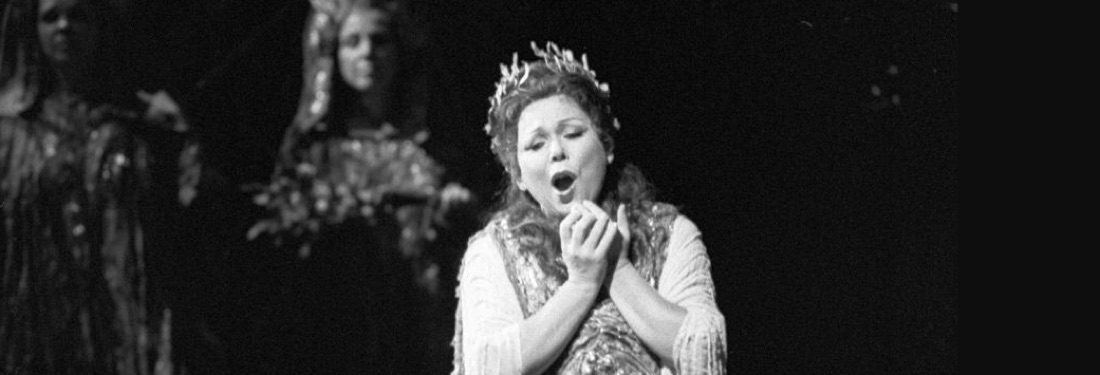
Several prima donnas have ought to resurrect La Vestale, including Renata Scotto, whose priestess highlights this week’s “Trove Thursday.”
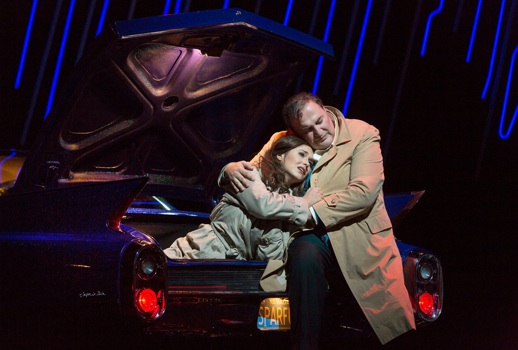
After nearly three years and over 20 performances Michael Mayer’s “Las Vegas” production of Rigoletto at the Metropolitan Opera still outrages many.

New York is different now, and John Zorn has this hangout, The Stone, on Avenue C (you heard me) at Second Street, a performance space the size of a largeish dorm room.
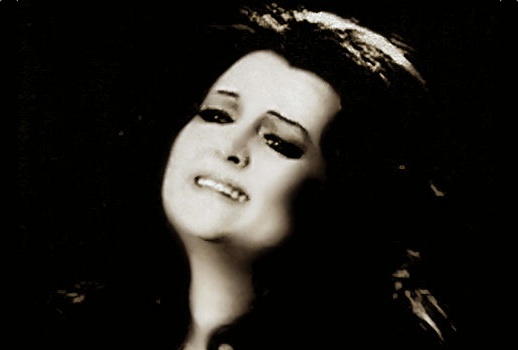
One Saturday afternoon during my freshman year in college, Richard Strauss’s Elektra made me fall in love with Ursula Schröder-Feinen—or maybe vice versa.
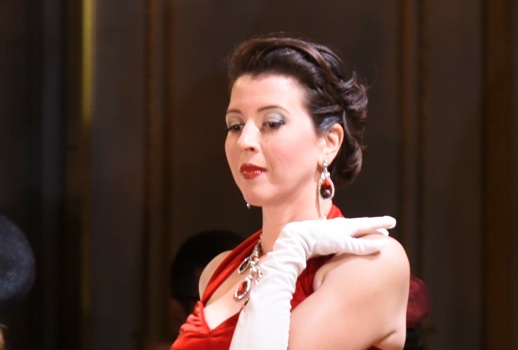
Lisette Oropesa sang “The Lost One”—the meaning of “traviata.”
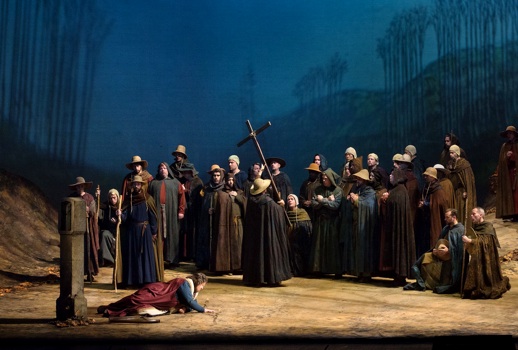
Although the season is less than three weeks old, Metropolitan Opera audiences may hear nothing else this season as beautiful as Peter Mattei’s “Song to the Evening Star.”
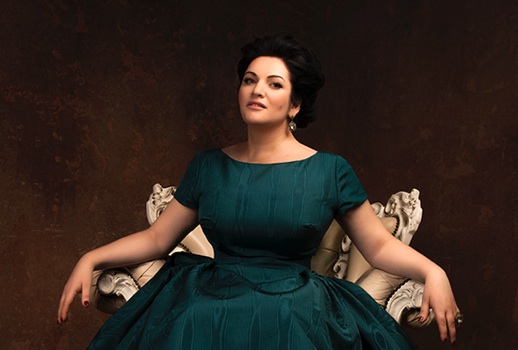
Besides the heavens and a sweater in The Devil Wears Prada, it is the hue of Hibla Gerzmava’s soprano, in contrast to the red or rose or red-orange voices of most sopranos.
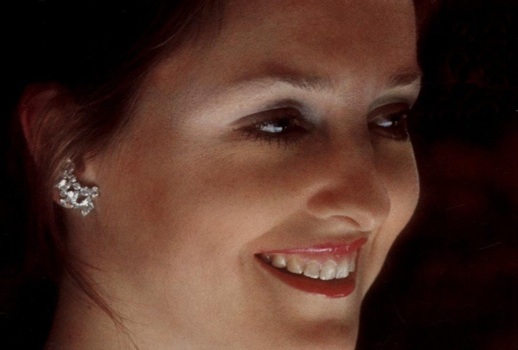
Three decades before Joyce DiDonato and Juan Diego Flórez dazzled the world with their La donna del lago roadshow, another deluxe team headed by Frederica von Stade and Marilyn Horne shone in Rossini’s neglected masterpiece.
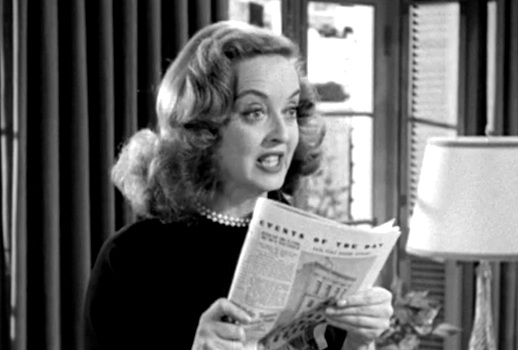
What gets me, La Cieca snaps, is not so much that Levine bit off more than he could chew, because that’s old news.

Which operatic character could be best described as a spider?
If you had told me 20 years ago that at some point in the future I would have over 550 of the Metropolitan Opera’s performances, audio and video, at my command with the touch of a button I would say my eulogy had just been read and I’d been taken to my reward.

This is the tenth season of the Met’s HD broadcasts, not that I would know it.

The days are getting shorter, but you can keep the prattle going this fall’s Talk of the Town! You will, you can, you must join in the discussion about: Great mezzo soprano performances (October),
Gained in translation (November), Teleport me back to… (December).
Exclusive opera reviews, commentary, and top reads
delivered to your email weekly…ish.