
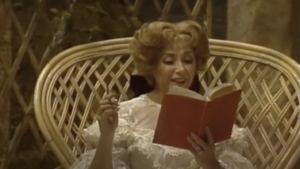

Is there anything more essentially operatic than the suffering of women?
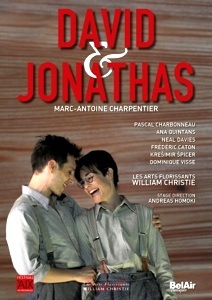
Marc-Antoine Charpentier’s opera David et Jonathas, written for a celebration at a Jesuit school in 1688, premiered together with a Latin verse drama, Saul, now lost.
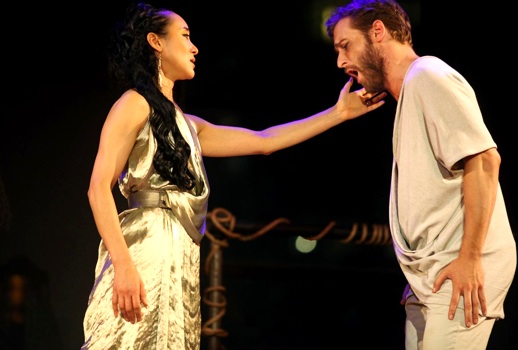
In the program for Opera Omnia’s production of Monteverdi’s Il ritorno di Ulisse, Crystal Manich, the company’s stage director, speaks of producing “baroque works in non-traditional ways.”

The 19th century could not cope with Così fan tutte, ossia La scuola degli amanti (Thus Do They All, or The School for Lovers) with a libretto by Lorenzo da Ponte and music by Mozart, first presented in Vienna in 1790.
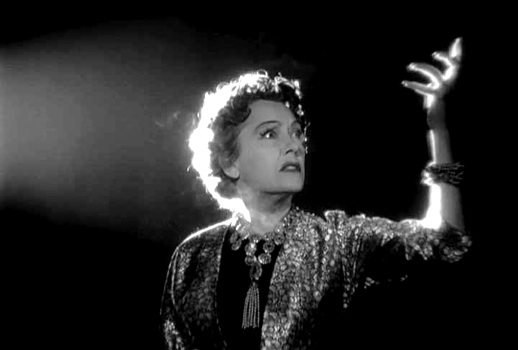
Strange as it is to encounter two such disparate works presented with the identical production concept, it’s odder still that the opera you’d think would be the slam dunk is anything but.
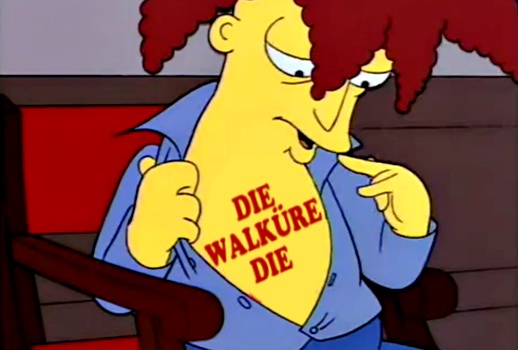
If Frank Castorf‘s work on Der Ring des Nibelungen at Bayreuth accomplishes nothing else, it should serve as a sort of loud disorganized reminder of the dangers of indulging in the intentional fallacy.

The 1965 season was a time of big changes at the Vienna State Opera.

I’m told that the public were, if hardly enthusiastic, at least ambivalent toward the Frank Castorf Ring up until the first performance of Siegfried, at which point things got really ugly and the booing started in earnest.

What we have here is the grandest opera never heard.

Seventeenth century opera remains the true connoisseur’s delight partly because it’s so rarely done.
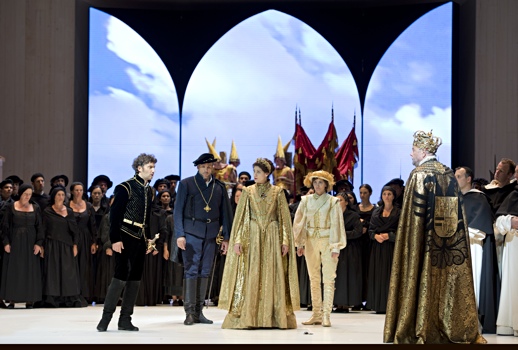
Well, my dears, if you thought Frank Castorf‘s Ring or Stefan Herheim‘s Meistersinger were outré, then wait until you get a load of the radical take on Don Carlos by Peter Stein for the Salzburg Festival!
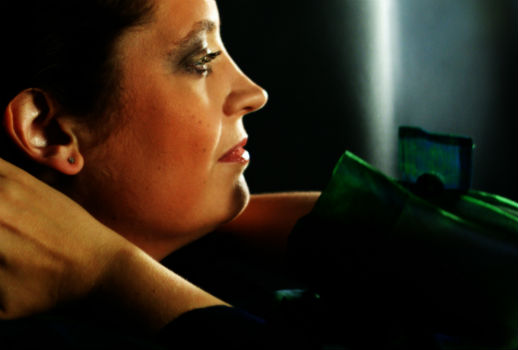
The behavioral phenomenon of limerence has been described as “an involuntary potentially inspiring state of adoration and attachment to a limerent object involving intrusive and obsessive thoughts, feelings and behaviors from euphoria to despair, contingent on perceived emotional reciprocation.”
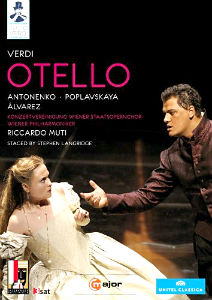
It may have taken most of Verdi’s canon to do it, but the “Tutto Verdi” collection finally manages to do justice to Verdi in his last two operas.

It is quite unusual to stage a new indoor production in the middle of summer in Italy when so many outdoor venues are open, but general manager of La Scala Stéphane Lissner – who will leave next year – decided to close the first half of this Verdi-Wagner year with a beloved hit of il cigno di Busseto.
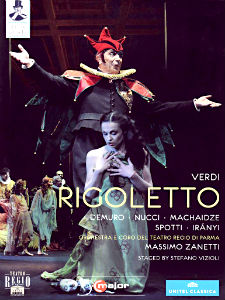
I’m happy to report that Rigoletto from the 30 DVD Tutto Verdi set from the Teatro Regio di Parma is a blockbuster .
.
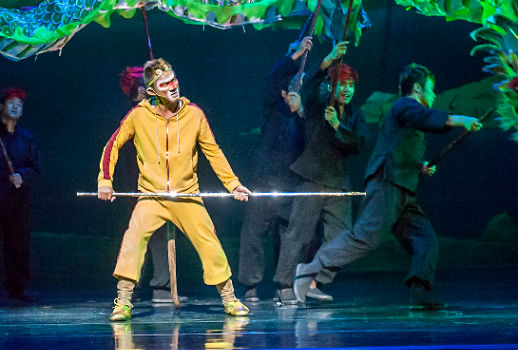
East is West and West is East—the border ever less easy to fix.
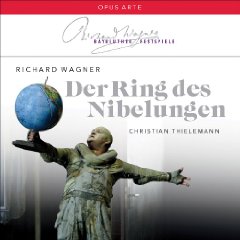
The complete recording of Der Ring des Nibelungen conducted by Christian Thielemann at the Bayreuth Festival is now on sale for only $5.99. And, no, I am not making this up.
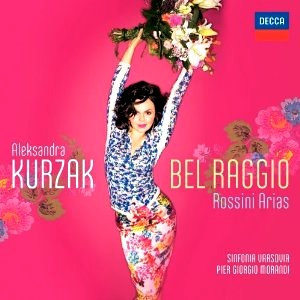
Everything about Aleksandra Kurzak’s new disc is a variation on the term “fioritura.”

Of all of Verdi’s operas. Aida is the one I find least interesting dramatically.

Name a Verdi opera, based on a play by Voltaire, described in the immortal words of the composer as “Questo e proprio brutto.”
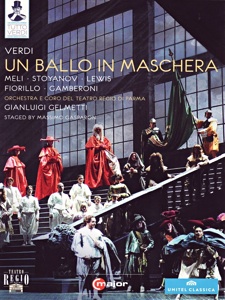
When I acquire DVDs of opera performances, I look for performances which truly merit a video recording; performances in which the totality of the musical and dramatic elements are worth preserving for repeated viewing.

For decades thousands and thousands have attended Handel’s Messiah (usually around Christmas or more appropriately near Easter) making it easily one of the most widely known works of classical music.
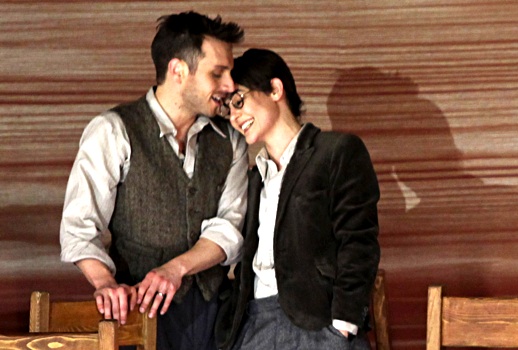
You have only until Sunday to catch the most heart-breaking moments seen on New York City operatic stages this season.

Giulio Cesare at the Met proved an evening that added up to much more than the sum of its uneven parts.
Tell us: Filth or dementia?
Hasten thee to feed another quarter of conversation for The Talk of the Town!
×
Sign up for Parterre’s free newsletter.
Exclusive opera reviews, commentary, and top reads
delivered to your email weekly…ish.