
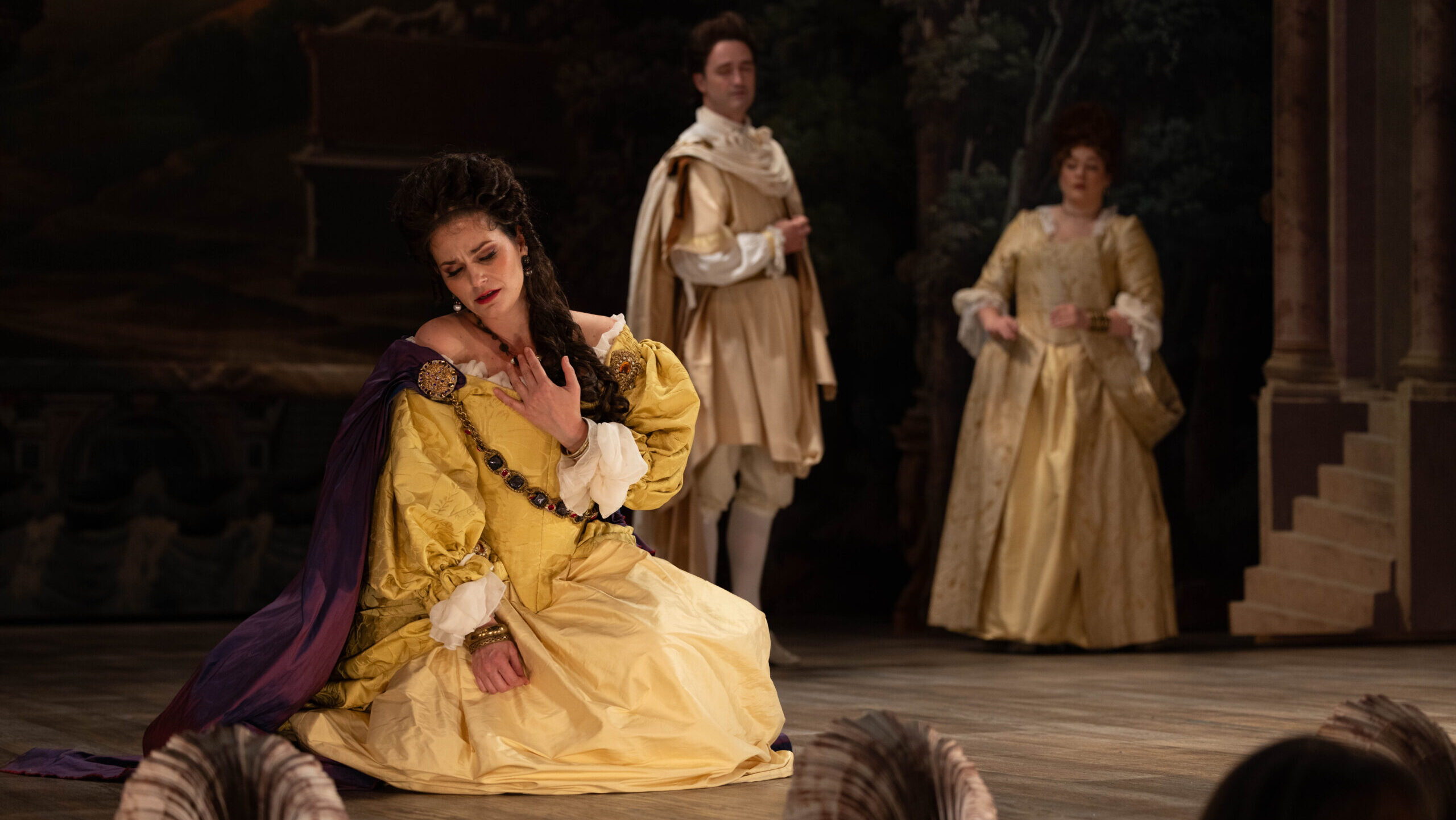
Up an Octavia
The operatic offerings of Boston Early Music Festival — Keiser‘s Octavia and Telemann‘s Pimpinone and Ino — are delectable discoveries
25 pieces since 2011.
The operatic offerings of Boston Early Music Festival — Keiser‘s Octavia and Telemann‘s Pimpinone and Ino — are delectable discoveries
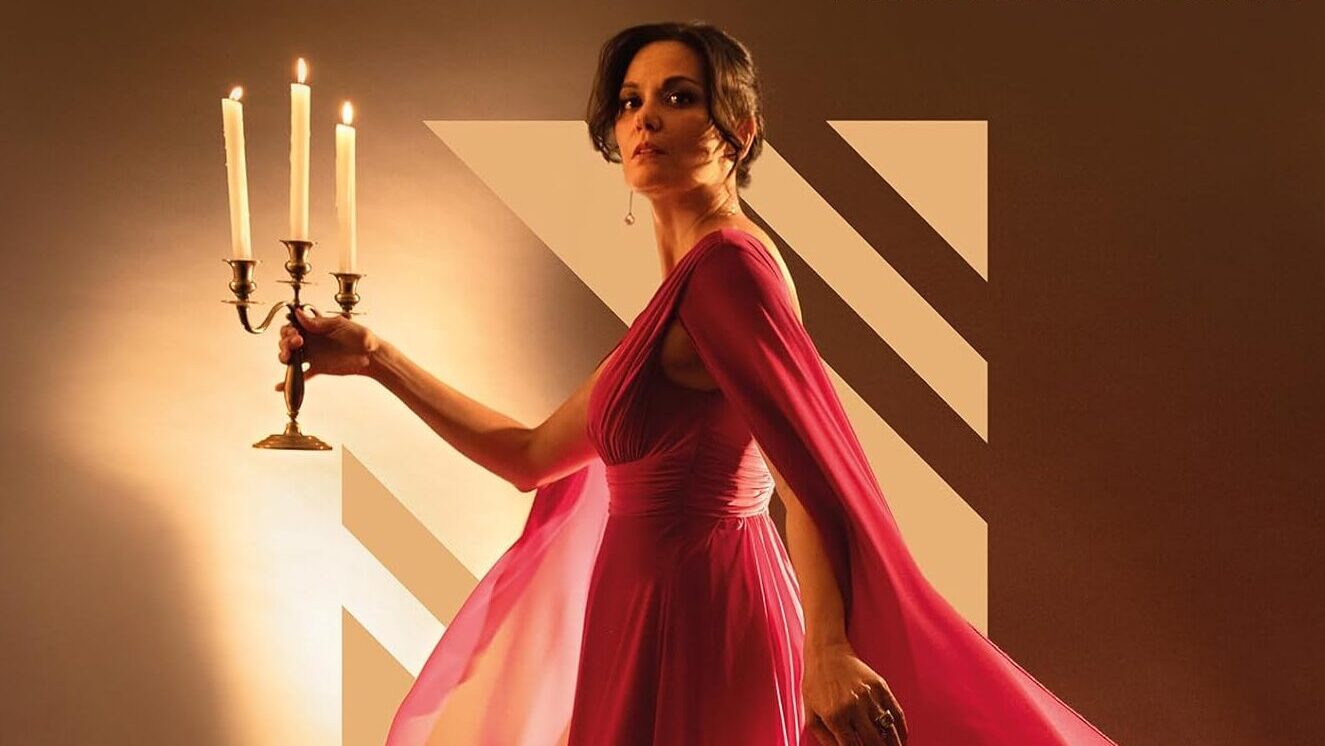
Christopher Corwin on three stylish sopranos delighting audiences live in New York and on recording in a trio of new releases.

On Tuesday night, in the commodious concert hall of the Morgan Library, the Boston Early Music Festival forces brought Georg Philipp Telemann’s Don Quichotte auf der Hochzeit des Comacho to New York.
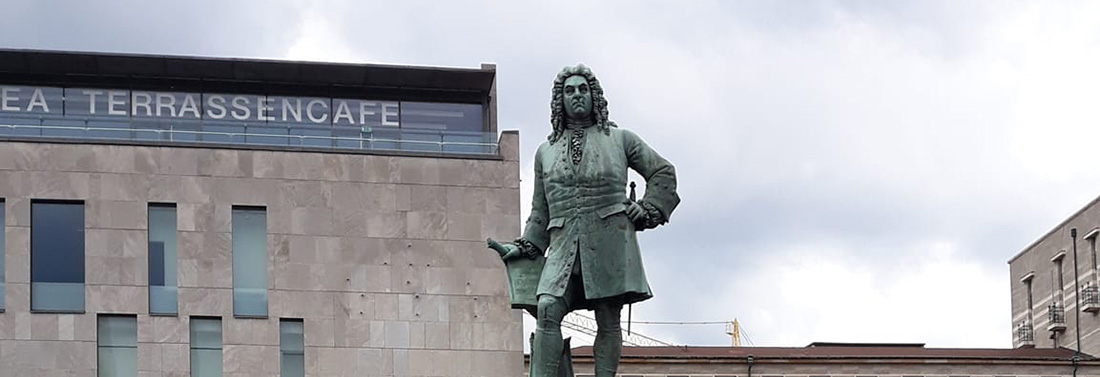
Bergamo hosts an annual Donizetti festival, Salzburg presents a Mozart-woche every January, and of course there is Bayreuth for Wagner. But Handel gets two festivals every spring, and this year I was finally able to attend one of them.
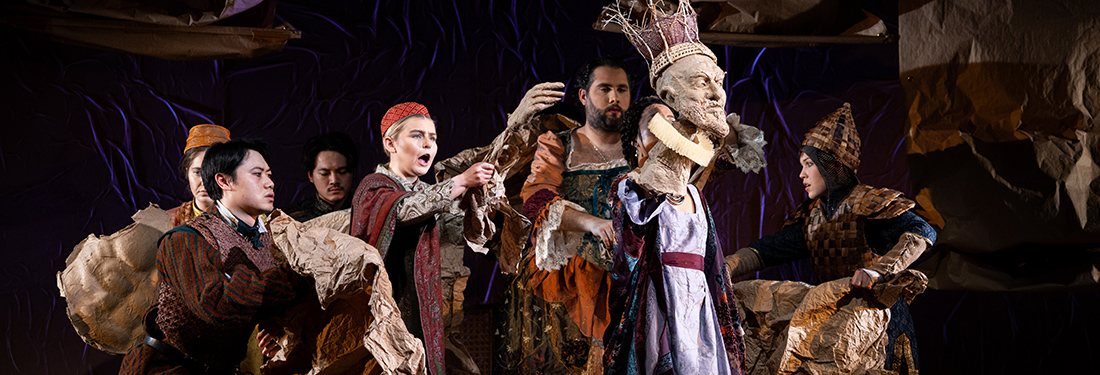
Those of us in New York City who relish 17th century Italian vocal music were offered an enticing banquet over the past few weeks.

For those who relish 17th and 18th century vocal music, the annual visits to the Morgan Library by the singers and instrumentalists of the Boston Early Music Festival invariably guarantee delight

Before Wednesday I don’t remember gasping when I entered a concert venue.

Last night should have seen my favorite of this season’s revivals but instead Trove Thursday must step up with Jean-Marie Leclair’s irresistibly captivating Scylla et Glaucus conducted by Christophe Rousset.
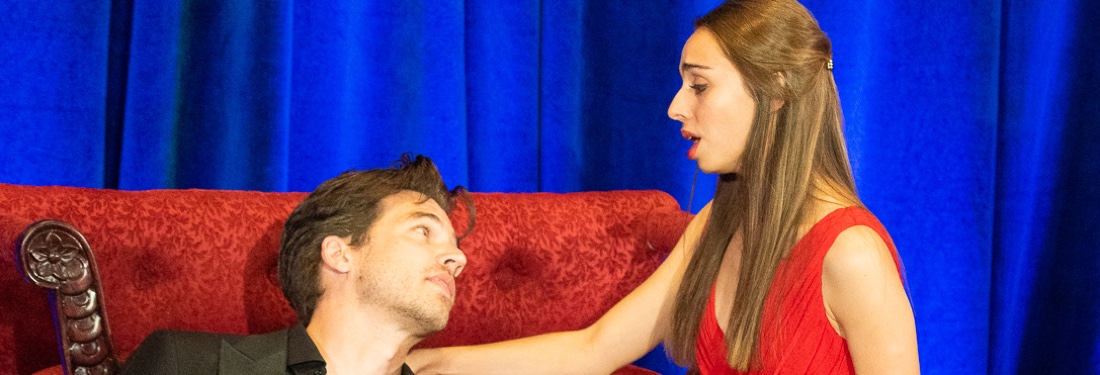
Over the past week New York City was blessed by two appealing 17th century presentations: John Blow’s Venus and Adonis from Opera Lafayette and La Storia di Orfeo courtesy of the Boston Early Music Festival.
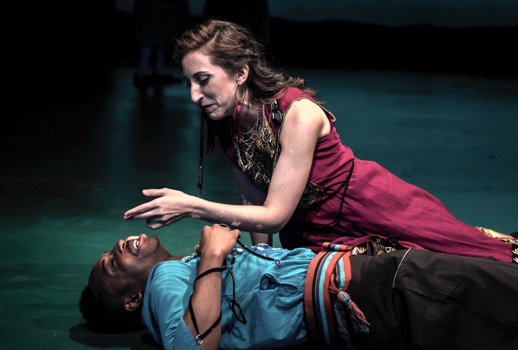
Dell’ Arte Opera Ensemble theme this summer is women composers, which is timely, and the more to be applauded as likely to turn up unusual works.
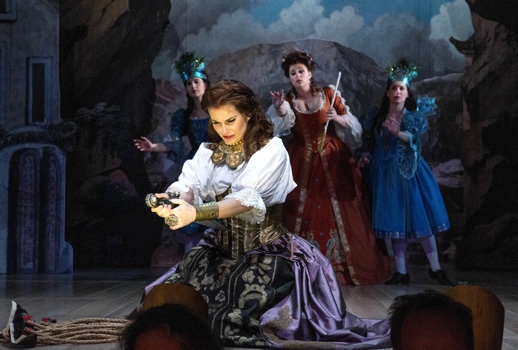
In the triumphant American premiere of Orlando Generoso at the Boston Early Music Festival last week, the hippogriff was among the many stars of the show.
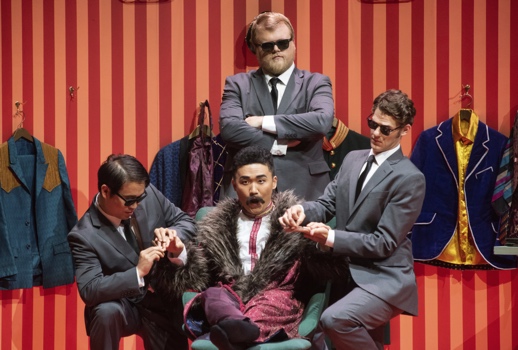
As the first of the 2018 opera productions last Saturday, the Merola Opera Program chose Mozart’s rarely-performed early serenata, Il re pastore.
New York fans of 17th century Italian vocal music should be rejoicing this month.
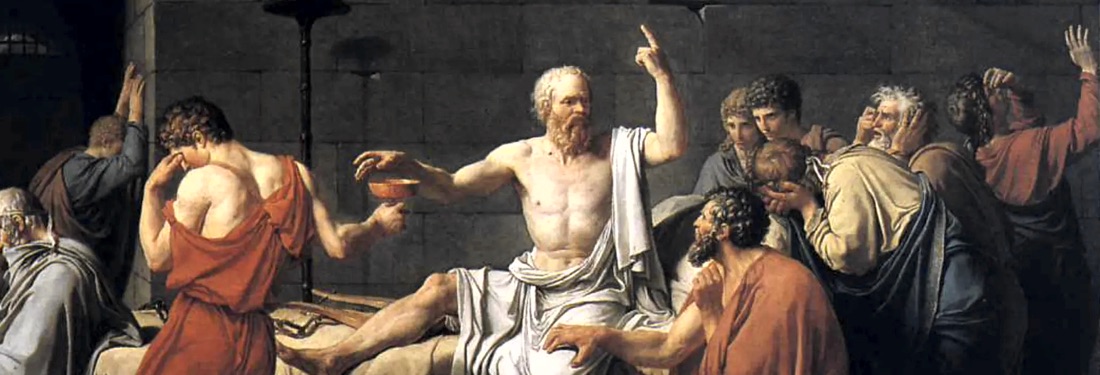
A rollicking performance of his delightful comic opera Der geduldige Sokrates featuring a fine cast and the magnificent Akademie für Alte Musik conducted by René Jacobs.
I was, to my astonishment, quite bored.

An opera revolving around chastity vows, adultery, slut-shaming, lesbianism, transvestism and much more!

They say that Boston, despite many cultural distinctions, ain’t no opera town, and for some decades—generations?—this has been true. But tides of change will break, even on the shores of the Hub.

Notable purveyor of mayhem and infanticide Medea has lately been missing from the local operatic scene, but Sunday afternoon sections of the recently renovated Alice Tully Hall were singed by Canadian soprano Dominique Labelle’s blazing incarnation of the Greek sorceress.
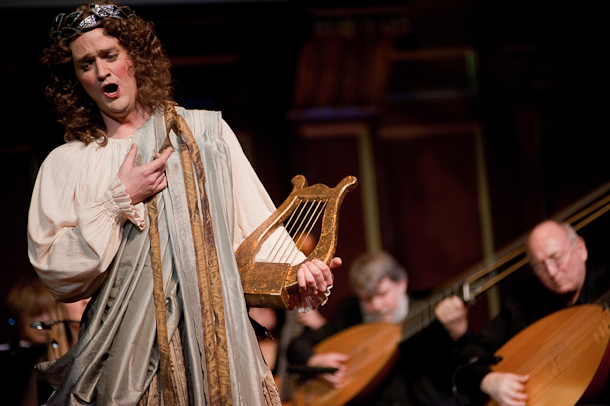
For one week every two years since 1981 the eyes—and ears—of those interested in period performance turn to the Boston Early Music Festival, particularly to its opera centerpiece, but that organization doesn’t rest on its laurels in between festivals.
The behavioral phenomenon of limerence has been described as “an involuntary potentially inspiring state of adoration and attachment to a limerent object involving intrusive and obsessive thoughts, feelings and behaviors from euphoria to despair, contingent on perceived emotional reciprocation.”
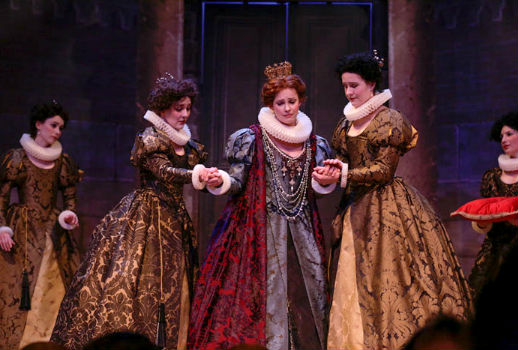
Handel’s first surviving musical composition is Almira, the opera he wrote in a hurry when shake-ups at the Hamburg opera house, where the 19-year-old had been playing in the violin section, left a planned production unfinished.

Giulio Cesare at the Met proved an evening that added up to much more than the sum of its uneven parts.

Can it be nearly a quarter-century ago that an Italian mezzo-soprano in her early twenties recorded her first recital?

Sneaking in under the wire during the final week of May were two highpoints of New York’s opera season: the Cleveland Orchestra’s Salome with a stunning Nina Stemme and operamission’s revelatory US stage premiere of a complete edition of Handel’s first opera Almira.

The days are getting shorter, but you can keep the prattle going this fall’s Talk of the Town! You will, you can, you must join in the discussion about: Great mezzo soprano performances (October),
Gained in translation (November), Teleport me back to… (December).
Exclusive opera reviews, commentary, and top reads
delivered to your email weekly…ish.