
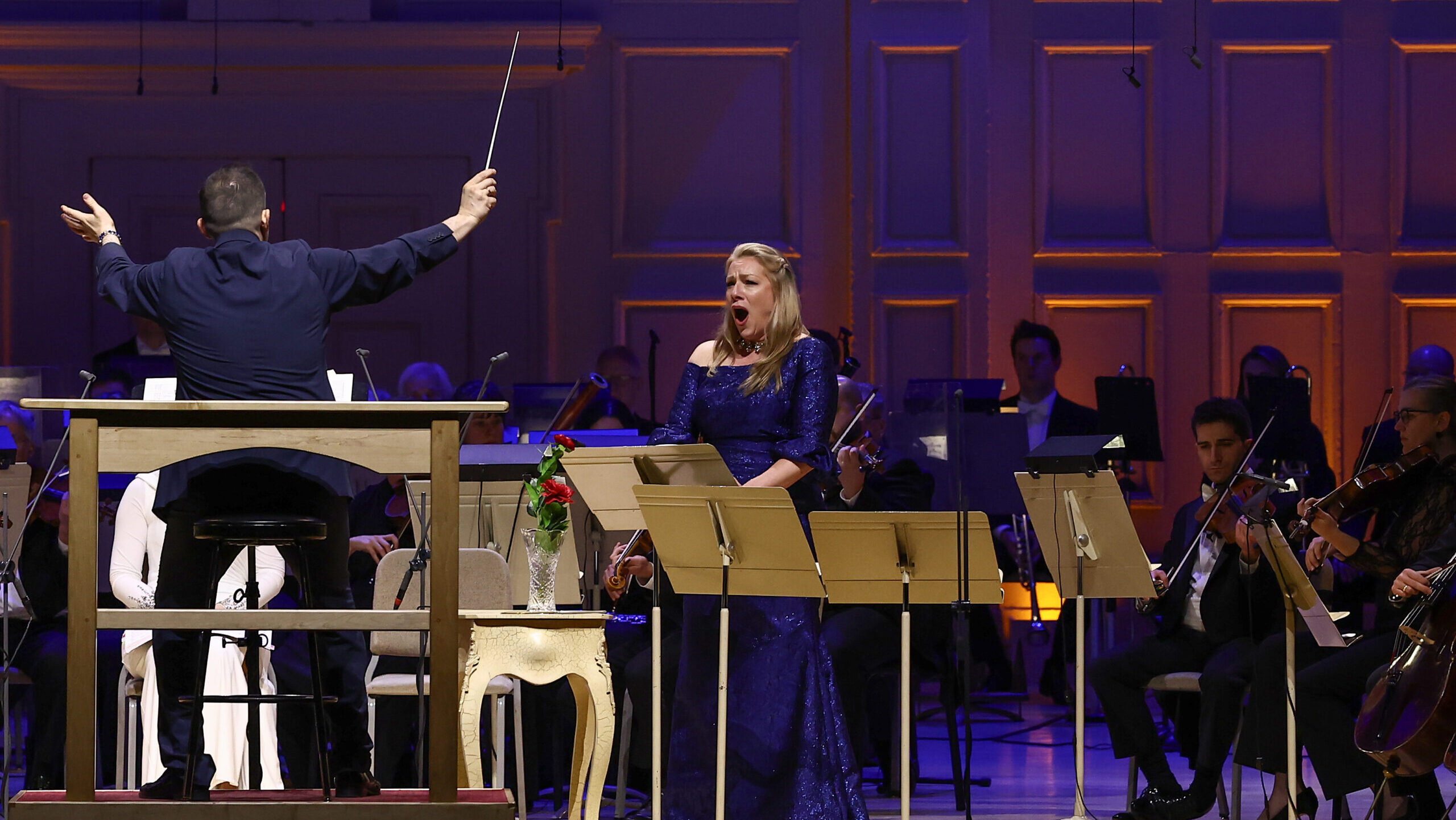
Lucky those people who are so anxious to believe
A high-drama Vanessa by the Boston Symphony Orchestra offers something to believe in.
7 pieces since 2005.
A high-drama Vanessa by the Boston Symphony Orchestra offers something to believe in.

In operatic pathology, diseases are endowed with preposterous mythological properties: they are both an emblem of desire and the punishment for desire. They are crime, confessional, and executioner all rolled into one.
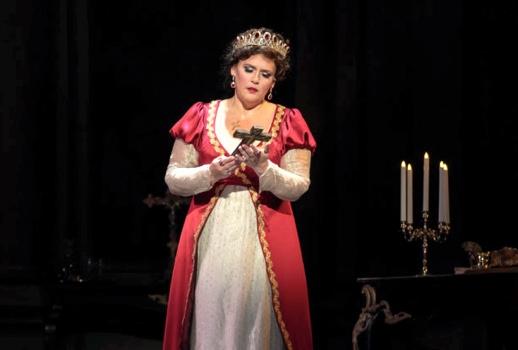
Tosca, as it exists now, can’t be real, spontaneous drama-it’s just Camp.
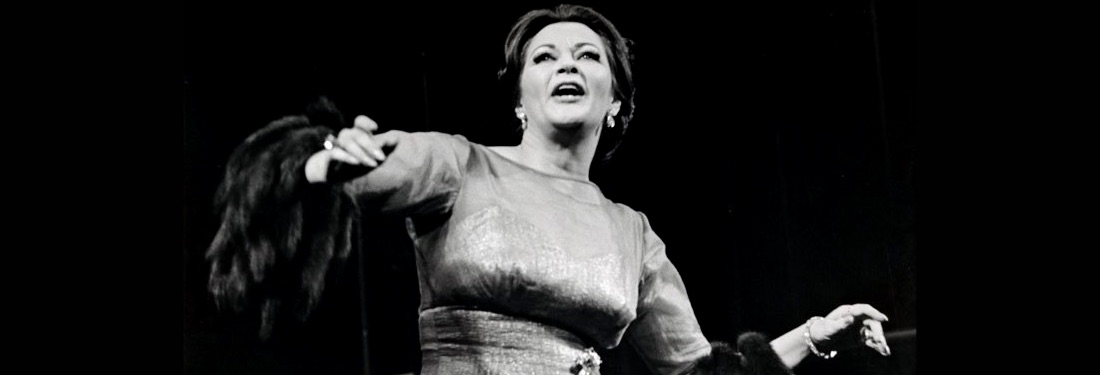
The singularity of Stephen Sondheim contributes to the conception of him as a camp figure.
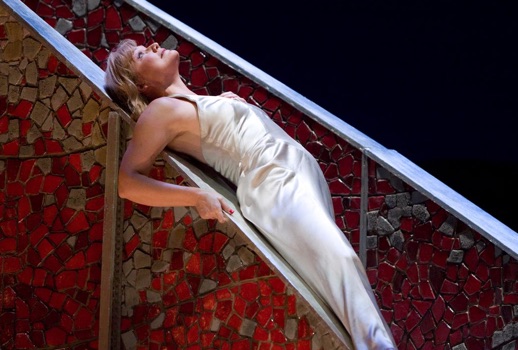
I struggle to articulate the notion of an erotics of art.
Like the double or triple negative (where theoretically pairs of “nots” cancel each other out, but in practice you can’t be so sure) this tidbit of news La Cieca just read has her confused and uncertain. It seems that at a recital in Tulsa last night, Dame Kiri te Kanawa sang as an encore a […]
The hallmark of Camp is the spirit of extravagance. Camp taste turns its back on the good-bad axis of ordinary aesthetic judgment. Camp doesn’t reverse things. It doesn’t argue that the good is bad, or the bad is good. What it does is to offer for art (and life) a different — a supplementary — […]

The days are getting shorter, but you can keep the prattle going this fall’s Talk of the Town! You will, you can, you must join in the discussion about: Great mezzo soprano performances (October),
Gained in translation (November), Teleport me back to… (December).
Exclusive opera reviews, commentary, and top reads
delivered to your email weekly…ish.