

Keeper of the dumpster fire
To get right to the point, the performance did not come together despite some good elements and was a major missed opportunity.
15 pieces since 2009.
To get right to the point, the performance did not come together despite some good elements and was a major missed opportunity.

Rossini’s Semiramide is a highly original and imaginative work of theater that impresses for its creative and beautifully scored orchestration, incisive recitatives and ensembles, and theatrically intriguing characters.
Zelmira, a work of 1822, was the last of the eight operas Rossini composed for the Teatro San Carlo in Naples, then the largest opera house in Italy—perhaps in Europe.
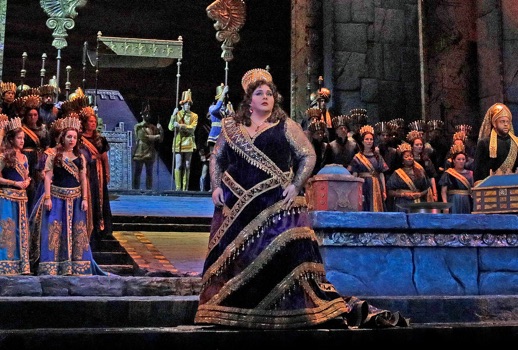
As a diehard completist I felt guilty as the Met’s scattered, campy revival of Semiramide lumbered toward its abrupt conclusion after nearly four hours.
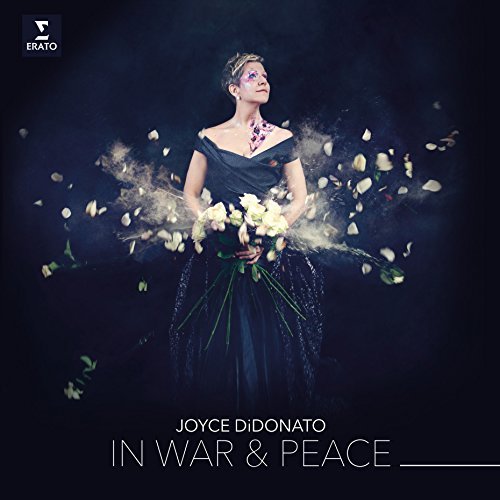
Joyce DiDonato’s atest album, In War & Peace: Harmony through music, is more specific than it sounds.
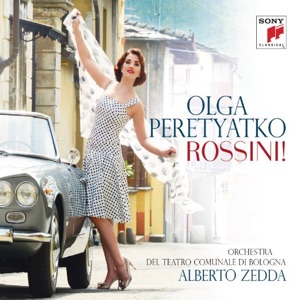
For her third solo recording, Olga Peretyatko summons the two men who launched her career less than a decade ago

Heaven temporarily relocated to the Théâtre des Champs-Élysées Sunday evening for a concert performance of Rossini’s revered but rarely heard Semiramide.
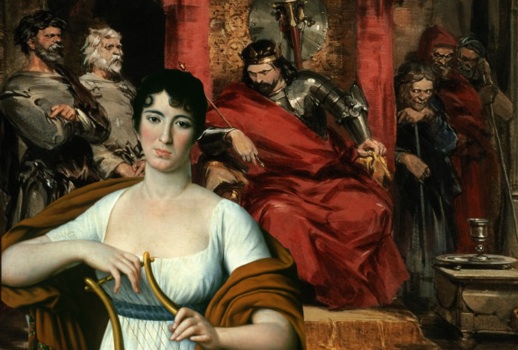
A young friend messaged me to ask if I knew Rossini’s Macbeth.
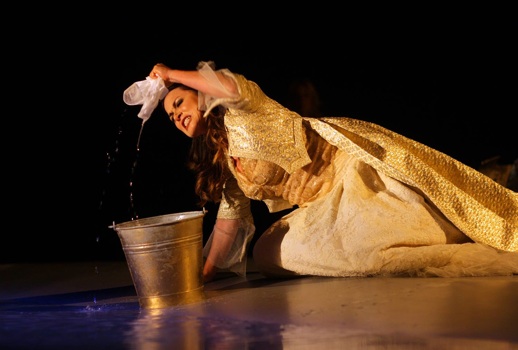
I suspect most New York City opera-lovers had long since given up hope that the fascinating soprano Anna Caterina Antonacci would ever return to their city.
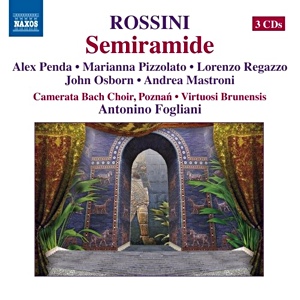
Say what you will about Naxos, but this company has created a sizeable number of recordings of works on the periphery of the standard repertory and have managed to document quite a few interesting singers in the bargain-and at bargain prices.

Beethoven expressed it best when he reportedly threw Rossini shade: “Any other other style than opera buffa would do violence to your nature.”
Giovanni Simone Mayr was one of the most important musical figures of his day, a man Rossini referred to as the “father of Italian opera” whom Napoleon personally lobbied to come work in Paris. Though he wrote nearly 70 operas and taught Donizetti and Bellini, the Bavarian-born composer had the misfortune of hitting his peak […]
1817 was a fertile and diverse time for 26 year old Gioachino Rossini. It opened with his last true opera buffa, La Cenerentola, continued with his most important semiseria, La gazza ladra, and ended with two operas, which, although both nominally belonging to the seria genre, could not be more different from each other.
Our Own Gualtier Maldè (right) escaped today’s Armida dress rehearsal at the Met with his wits intact. He reports:
Joyce Di Donato‘s latest release is a CD entirely devoted to music Rossini composed for his first wife, Isabella Colbran, one of the most celebrated divas of the early 19th century.

The days are getting shorter, but you can keep the prattle going this fall’s Talk of the Town! You will, you can, you must join in the discussion about: Great mezzo soprano performances (October),
Gained in translation (November), Teleport me back to… (December).
Exclusive opera reviews, commentary, and top reads
delivered to your email weekly…ish.