
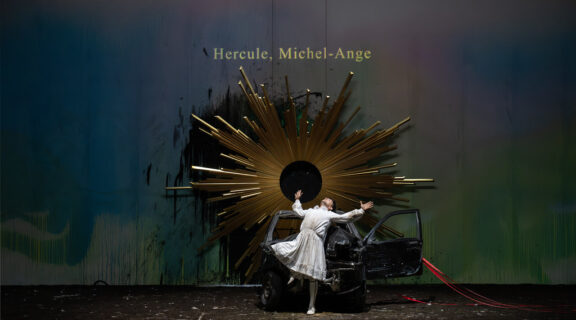
Aix tremendae, salva me
Festival d’Aix-en-Provence confronts the living and the dead — and its own future — through audacious productions and an intimate world premiere.
17 pieces since 2009 — at 1 company, most often at Metropolitan Opera.
Festival d’Aix-en-Provence confronts the living and the dead — and its own future — through audacious productions and an intimate world premiere.
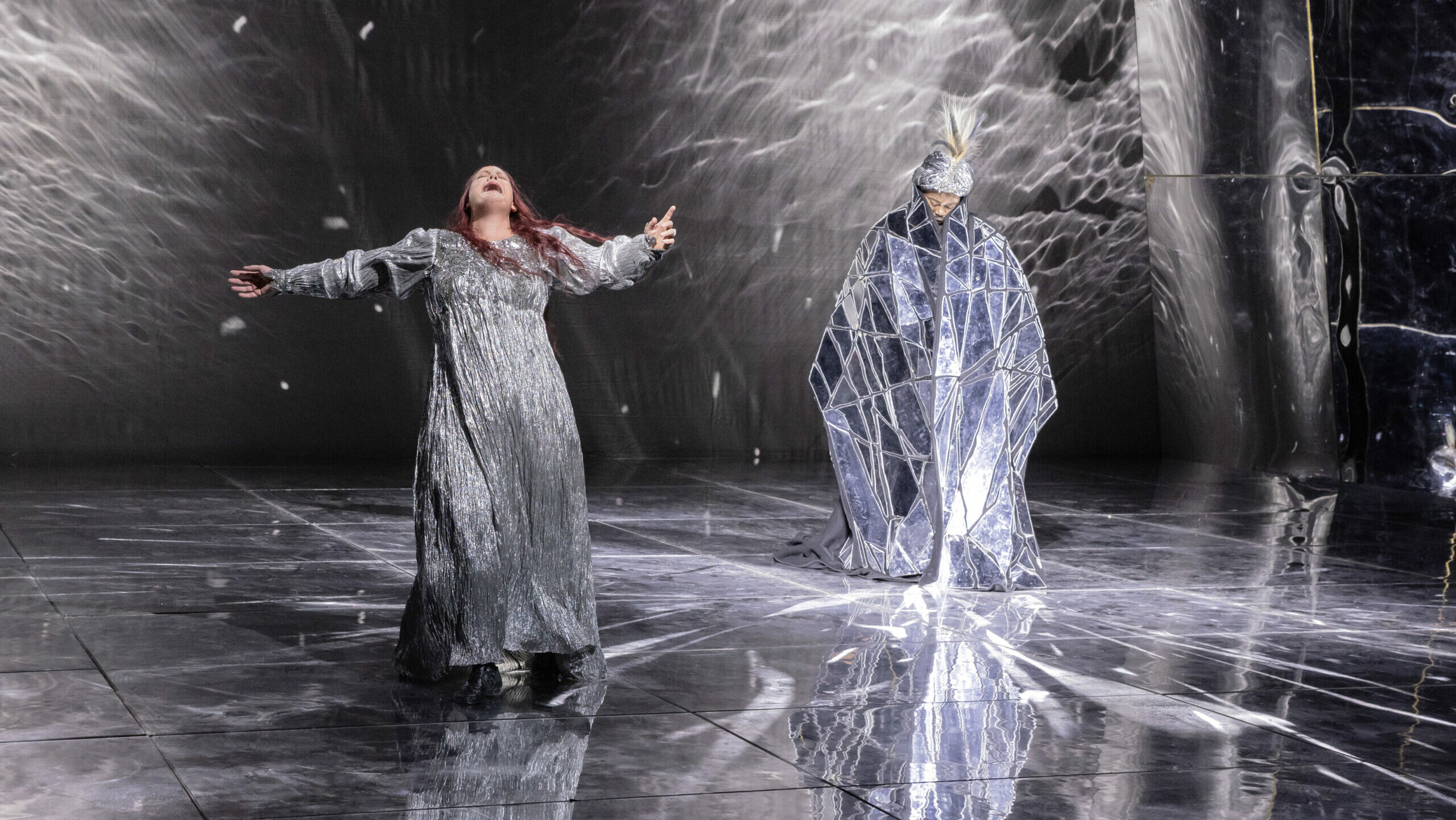
A recent conversation with a friend who has loved Die Frau ohne Schatten for twice as long as I have been alive revealed that we both had some unresolved questions about the plot.
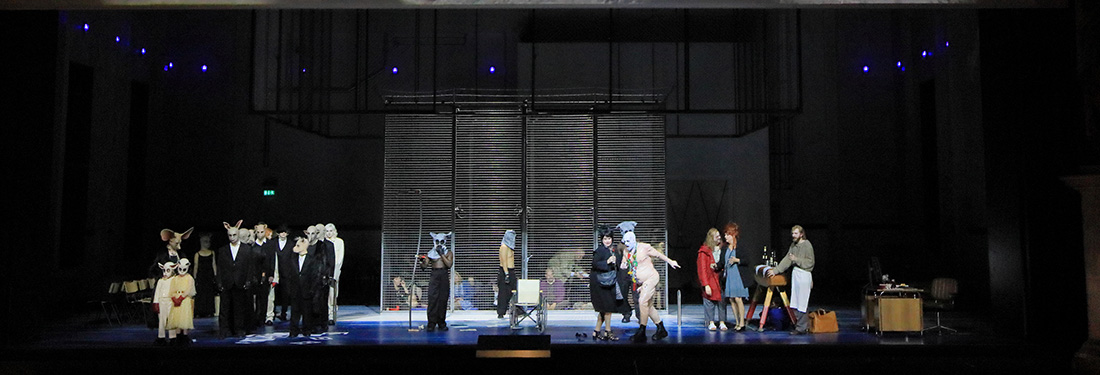
As a burgeoning opera fan, I relied on YouTube to connect me with the art form.
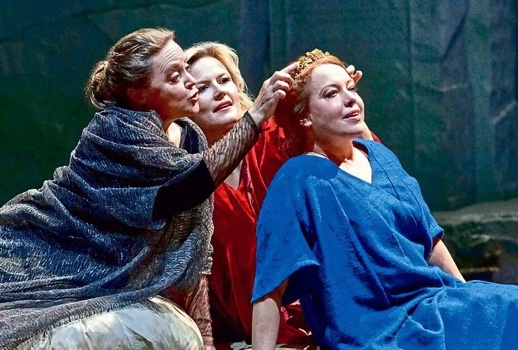
The Wiener Staatsoper commemorated its 150th anniversary with a musically sensational presentation of Richard Strauss’ Die Frau Ohne Schatten.

Cycle II represented an embarrassment of musical riches.
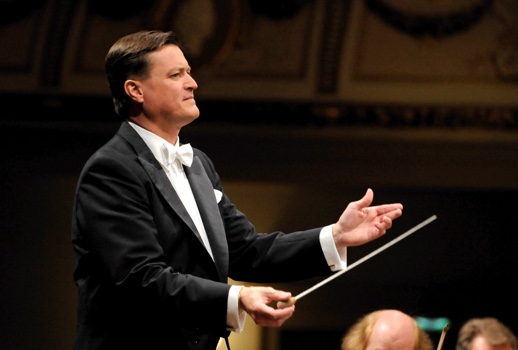
Christian Thielemann is widely regarded as our time’s preeminent master of the Austro-German symphonic ensemble.
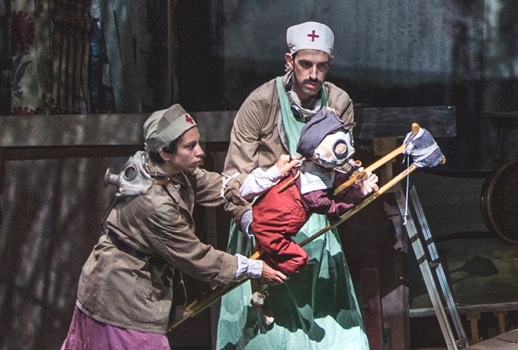
Alban Berg’s compact yet potent oeuvre has long played an outsized role in shaping my understanding of music’s aesthetic evolution.
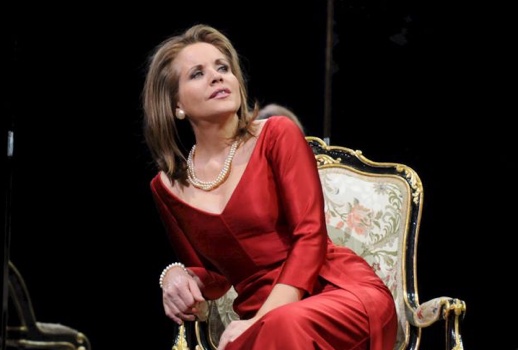
We leave behind the Vienna of the 1740s, the time of breeches, fans and white wigs.
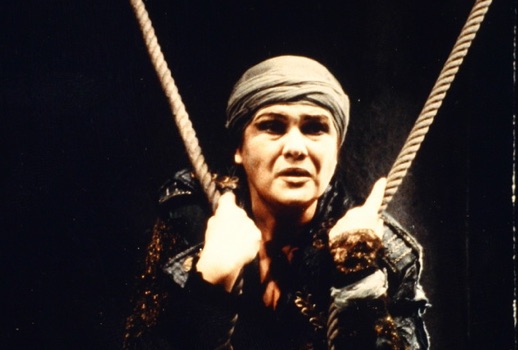
“I will never sing the role again. It was frightful. We were a set of madwomen…There is nothing beyond Elektra. We have lived and reached the furthest boundaries in dramatic writing for the voice with Wagner. But Richard Strauss goes beyond him. His singing voices are lost. We have come to a full stop.”

An opera revolving around chastity vows, adultery, slut-shaming, lesbianism, transvestism and much more!

Anja Silja staked a claim as a leading Senta of her era with a series of searing performances of Der Fliegende Holländer while in her early twenties.

The simple fable at the heart of Die Frau ohne Schatten shouldn’t be difficult to parse, but Hugo von Hofmannsthal’s libretto juggles its vaguely Jungian, vaguely Arabian Nights symbolitry as if with intent to mystify and bewilder.
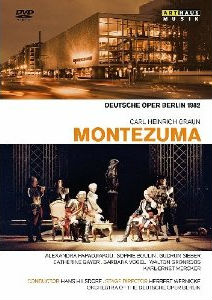
Sometime in 1753, Frederick The Great of Prussia, following a tiff with his great friend Voltaire, began writing an opera libretto in French prose that was to elucidate his ideas about the role of an enlightened monarch.
Noticing how often she turns up lately, one might guess that the operatic “heroine” for the global economic crunch is Medea, the mythological Greek sorceress and filicide.
Is it possible for a performance of Richard Strauss’s Elektra to be exciting without an exciting Elektra? It of course depends on your priorities and expectations, which will ultimately determine whether such a performance, as preserved on this DVD from Baden-Baden is for you. Linda Watson’s first assumption of the punishing role of Elektra (she […]
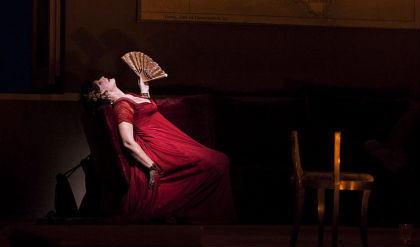
I’m not sure who I find more annoying – the partisans who vigorously defend Luc Bondy‘s production of Tosca at the Met or those who decry it. As Bondy’s production replaces one of the Met’s signature offerings, both groups have seized on this event as a watershed event in the history of opera in America […]
Anthony Tommasini‘s Sunday Times think piece about opera direction (fetchingly adorned with the Susannesque headline “Halfway Won’t Do”) is online now. La Cieca thinks TT’s heart is in the right place (and of course she’s still all aglow after the Babs interview), so she’s going to stay mum about that Herbert Wernicke production of Die […]

The days are getting shorter, but you can keep the prattle going this fall’s Talk of the Town! You will, you can, you must join in the discussion about: Great mezzo soprano performances (October),
Gained in translation (November), Teleport me back to… (December).
Exclusive opera reviews, commentary, and top reads
delivered to your email weekly…ish.