
A favorite bass performance from Cornelia
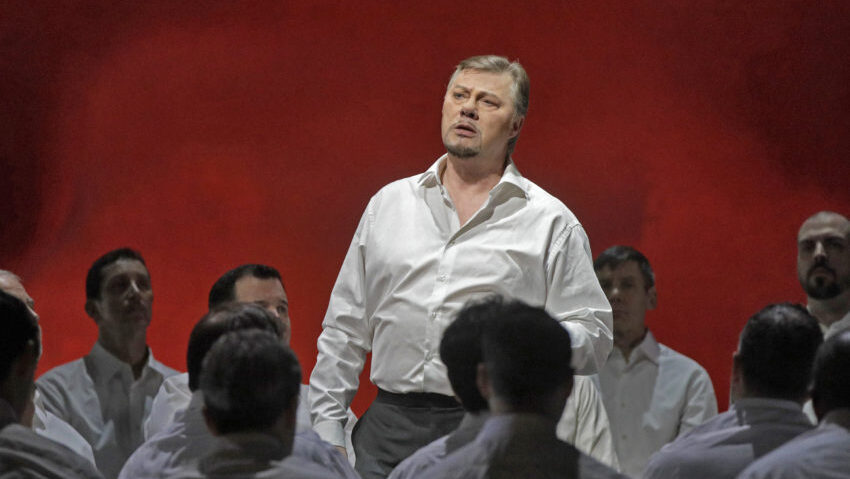
I don’t know if I’ll ever hear as great a performance as René Pape‘s Gurnemanz.
By Cornelia
42 comments
16 pieces since 2013 — at 2 companies, most often at Metropolitan Opera.
I don’t know if I’ll ever hear as great a performance as René Pape‘s Gurnemanz.
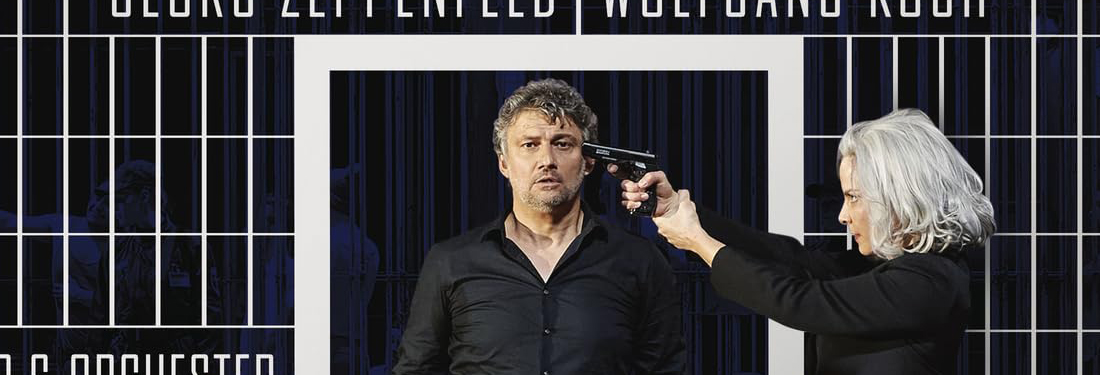
And what a luxury it is to experience this musically outstanding Parsifal with a cast of this caliber!

This Holländer offers neither a clear narrative vision for the work nor a sense of turbocharged drama; it simply sits on the Met’s cavernous stage as a dull gray mass.
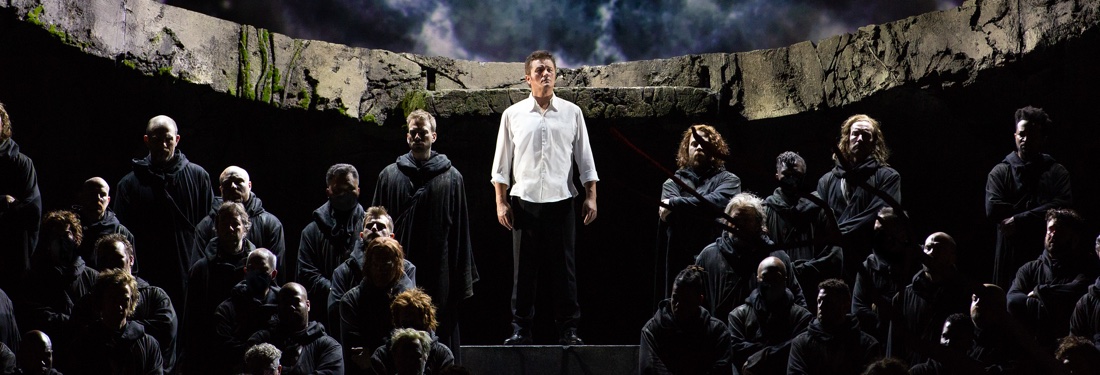
Here’s an update for those keeping up with the Lohengrin casting sweepstakes at the Met.
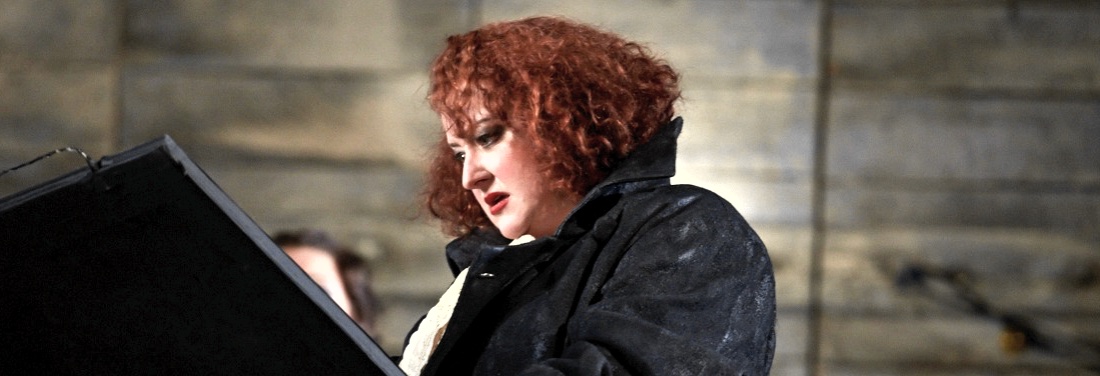
I can’t imagine anything more anxiety-inducing than being put in at last-minute to sing a role in a high-profile production at the Met.
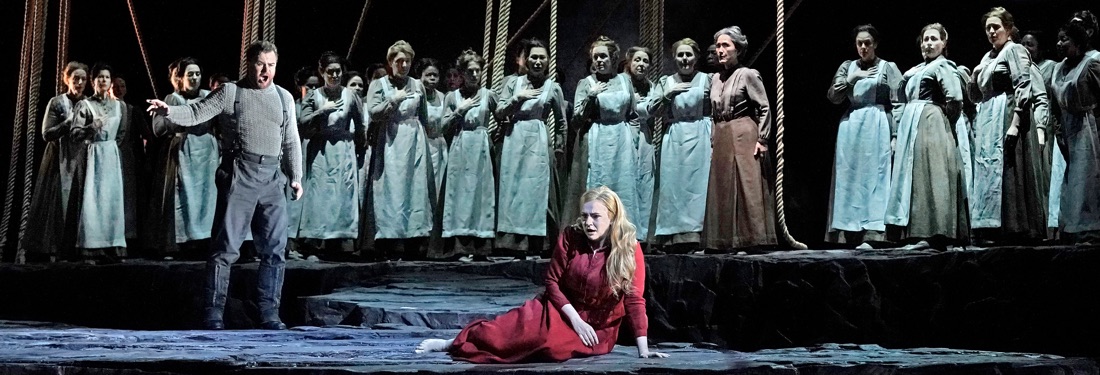
I never imagined I’d see such a rote park-and-bark Wagner production created in 2020!
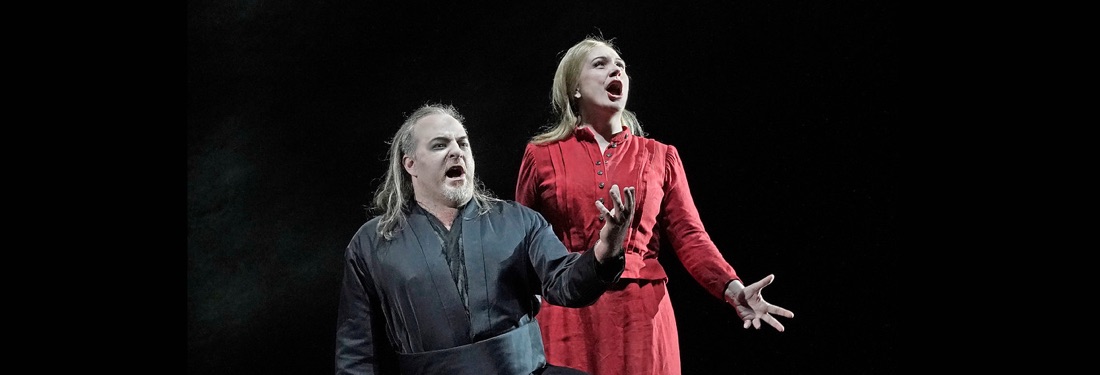
After tonight’s dark drab dud of a Dutchman, I was plunged into despair.
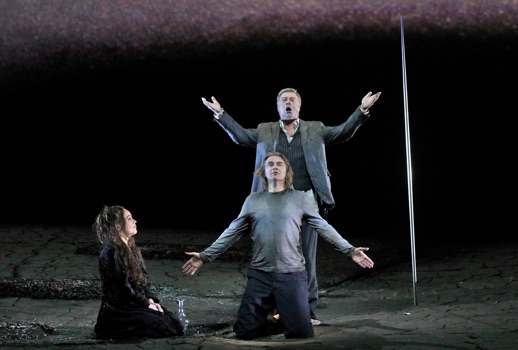
The Met’s magnificent revival which opened on Monday night with a superb cast under the mesmerizing leadership of Yannick Nézet-Séguin nearly converted me into a devoted Parsifal disciple.
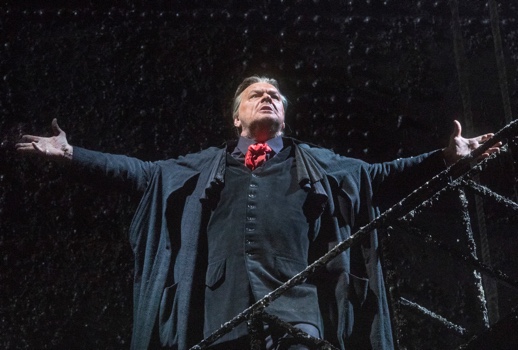
The wild tempest that whipped and drenched the audience as it exited the Met after Tuesday’s season premiere of Wagner’s Der Fliegende Holländer mirrored the finer features of the evening.
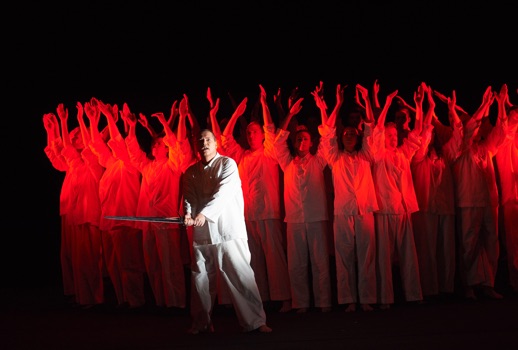
First seen in 2005, Siegfried makes a welcome return as a stand-alone production this season.
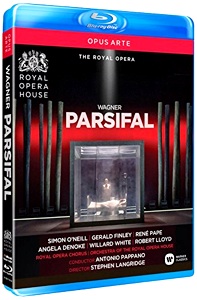
Contemporary stagings of Parsifal tend to be spare, abstract affairs scrubbed of religious associations, knights in armor and, sometimes, a grail.
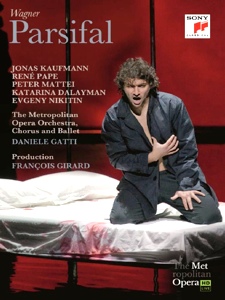
One of the things that made François Girard’s 2013 production of Parsifal at the Met so compelling was the way he tried to make the tale of suffering and temptation relevant to a contemporary audience.

I am grateful to Sony for this new release of the Metropolitan Opera’s latest production of Parsifal and I hope I’m not the only one who discovers what a rich experience this opera can be because of it.

The experience of watching Wagner’s final opera Parsifal is frequently elevated to a spiritual occurrence, and productions have historically emphasized the religious dimension of the opera’s core themes of redemption and the dangers of temptation.
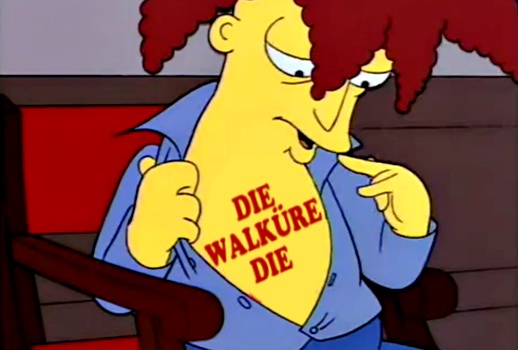
If Frank Castorf‘s work on Der Ring des Nibelungen at Bayreuth accomplishes nothing else, it should serve as a sort of loud disorganized reminder of the dangers of indulging in the intentional fallacy.
As with all good myths, certainly all the myths at the heart of Wagner’s operas, the juggling of symbols and archetypes and themes in Parsifal opens the piece to a great variety of interpretations.

The days are getting shorter, but you can keep the prattle going this fall’s Talk of the Town! You will, you can, you must join in the discussion about: Great mezzo soprano performances (October),
Gained in translation (November), Teleport me back to… (December).
Exclusive opera reviews, commentary, and top reads
delivered to your email weekly…ish.