
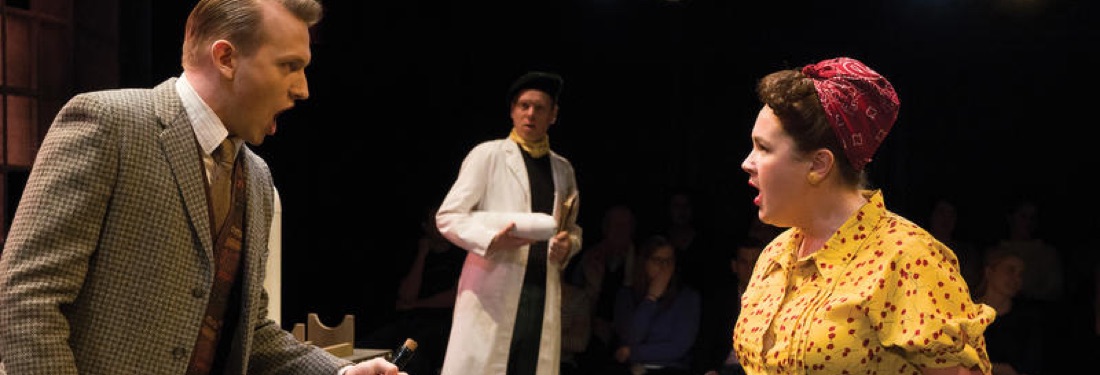
No sex please, we’re German
Why is so twinkling, tuneful a score so little known?
14 pieces since 2010.
Why is so twinkling, tuneful a score so little known?
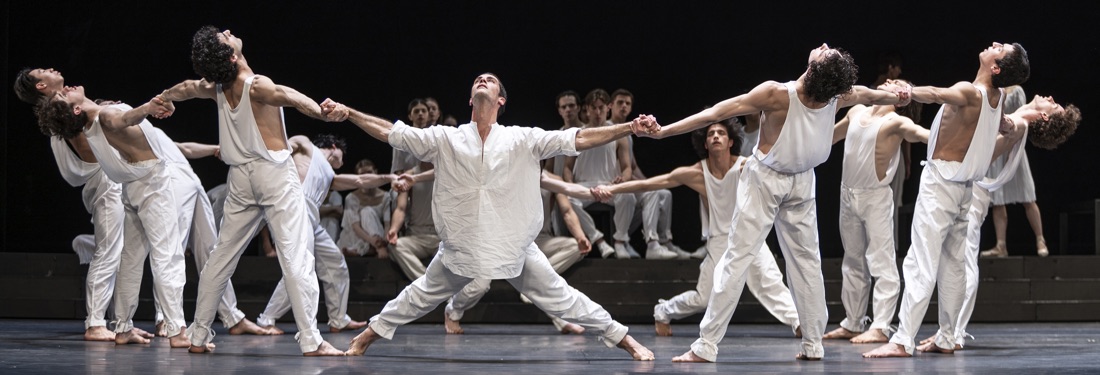
Los Angeles Opera’s St. Matthew Passion was by equal parts challenging and hypnotic to watch.

We can delight in films that make use of motif to give opera-lovers an extra little jiggle.

When Arthur Sullivan (not yet Sir Arthur) composed his “dramatic oratorio” The Martyr of Antioch in 1880, he had just completed The Pirates of Penzance.
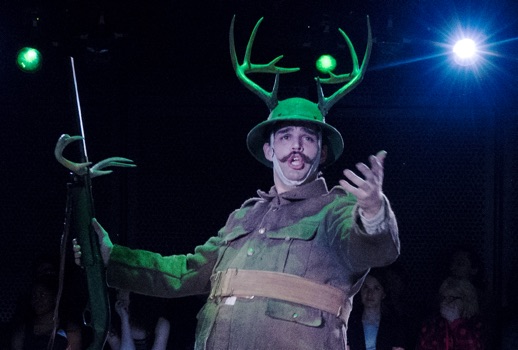
There are two delights here: a delectable score too rarely heard and an introduction at close quarters to half a dozen young singers ready for takeoff, indeed already flying.

Sandrine Piau‘s lovely recital with pianist Susan Manoff at The Philadelphia Chamber Music Society on February 14 entered around the themes of sleep, dreams and waking.
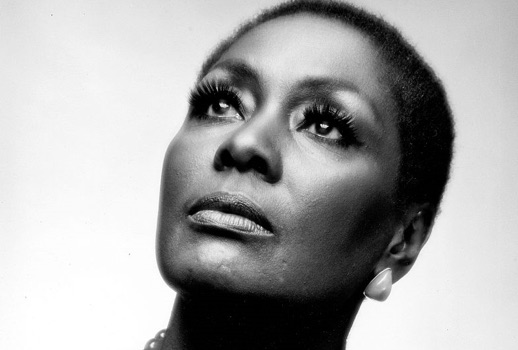
Shirley Verrett remains one of my all-time favorite artists, and I am pleased to introduce her to my Mixcloud site in one of her parade roles: the femme fatale in Saint-Saëns’ Samson et Dalila.
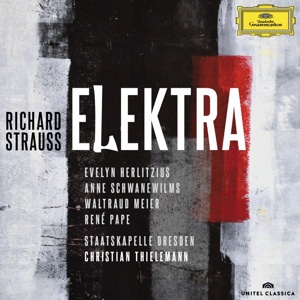
“Conduct Salome and Elektra as if they were by Mendelssohn: Fairy music.” Seriously, how often has that happened?
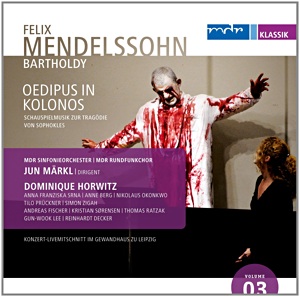
His 75-minute setting of Oedipus in Kolonos, heard in a live 2009 performance on MDR Klassik, illustrates how Mendelssohn tried to link ancient forms with Romantic-era sensibilities by fashioning harmonically adventurous chorales and believable characters instead of abstract musical representations of mythical figures.
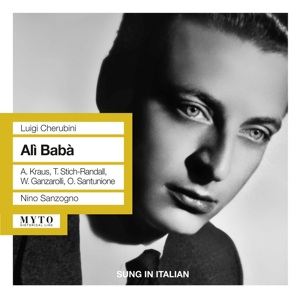
Perhaps there are not that many people in the world who would look at a CD cover and think “Oh, goody, goody! A libretto by Eugène Scribe I’ve never come across before!”

We must be doubly grateful that The English Concert’s recent Theodora was so quickly followed by the American Classical Orchestra’s fine Samson on Tuesday evening at Alice Tully Hall.

What we have here is the grandest opera never heard.
Sir Arthur Sullivan, the son of an Irish father and an Italian mother, studied Mendelssohn’s composition style in Leipzig. He was therefore, inevitably, the supreme English theater composer of his day, and his often Mozartean style of melody is not out of place in a bel canto festival. After all, in the fourteen operettas he […]
Some composers write as if the dividing line between instruments that play notes and the voice, which usually sings a text and takes some of its attitude towards the music from that text, were not an all-important factor.

The days are getting shorter, but you can keep the prattle going this fall’s Talk of the Town! You will, you can, you must join in the discussion about: Great mezzo soprano performances (October),
Gained in translation (November), Teleport me back to… (December).
Exclusive opera reviews, commentary, and top reads
delivered to your email weekly…ish.