
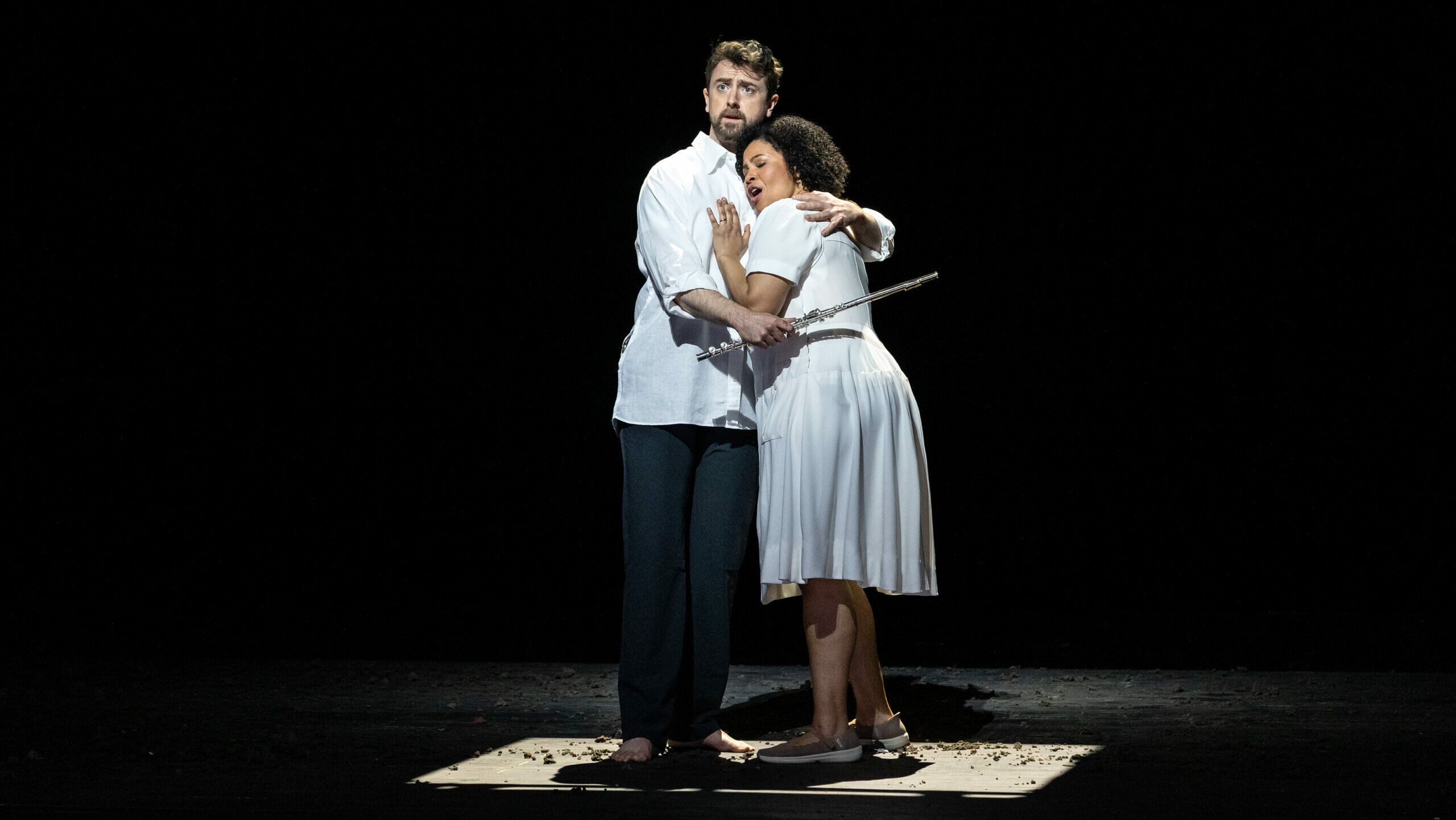
This magic moment
Look, for one of the most-staged operas in the repertoire, Mozart’s Die Zauberflöte seems awfully difficult to stage.
11 pieces since 2010.
Look, for one of the most-staged operas in the repertoire, Mozart’s Die Zauberflöte seems awfully difficult to stage.
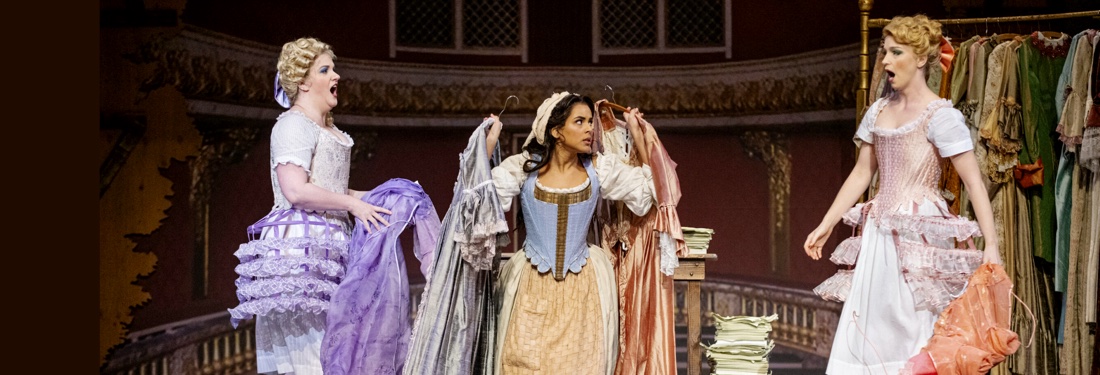
Alma Deutscher’s quest for beautiful music permeates the score of her Cinderella from the hushed opening of the Overture.

Nathan Hull was an operatic Quixote who did not go it alone, but inspired bands of optimists, giving proper employment to the many worthy New Yorkers mad enough to study voice and pleasure rare elsewhere to those of us thrilled to take it in.
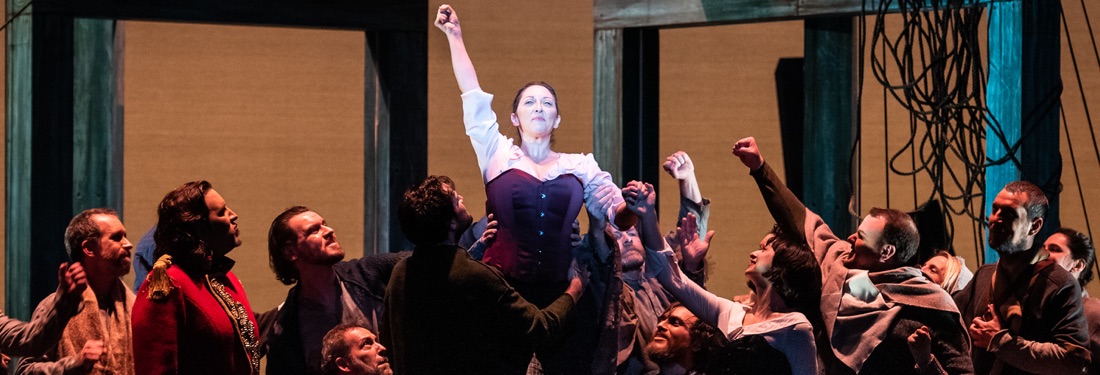
Not everyone is happy about the Beethoven sestercentennial.
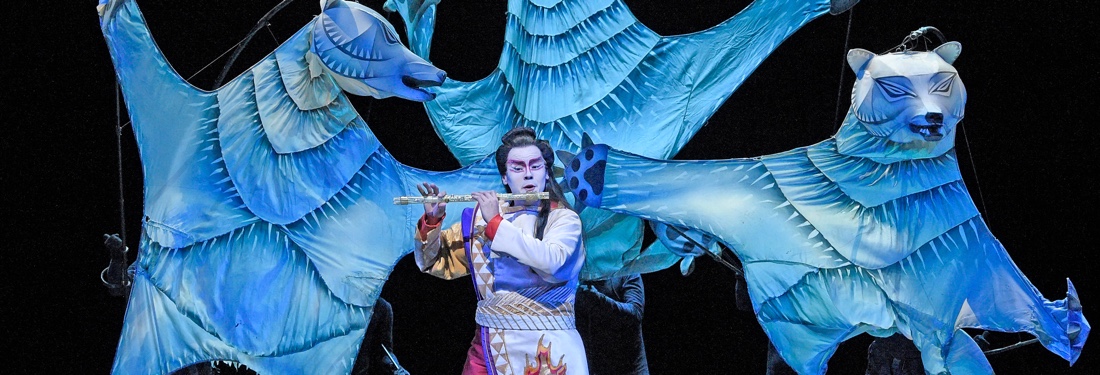
If Sunday’s performance of Magic Flute at the Met demonstrated one thing, it is that opera targeted at children must be just as good as (if not better than) opera targeted at adults.

“Die Zauberflöte is an opera!” “No, it’s the first musical comedy!”

In Schikaneder’s patriarchal cosmology, darkness is the province of emotional women—not just the erratic fury of the Queen of the Night, but the pathetic supplications of Pamina as well.

The rewards of Leonore lie almost as much in the ensembles as the solo contributions.
An impresario with a hit on his hands—Emanuel Schikaneder, for instance, after the initial run of Die Zauberflöte—will crave nothing so much as an opportunity to hit the same bell.
Although Walter Braunfels was among those German composers whose music was banned in their home country after 1933, and whose political rehabilitiation in 1945 was not accompanied by a commensurate revival of his music, his 1920 opera Die Vögel should need no special pleading on musical or dramatic grounds. Though Braunfels is traditionally described as […]
Long ago, in a galaxy far away – I mean, the era before supertitles became common in opera houses around the world – you could always tell the text-mad opera fan. He was the one who arrived early to the theater and spent the remaining minutes to curtain hunched over his libretto booklet, trying to […]

The days are getting shorter, but you can keep the prattle going this fall’s Talk of the Town! You will, you can, you must join in the discussion about: Great mezzo soprano performances (October),
Gained in translation (November), Teleport me back to… (December).
Exclusive opera reviews, commentary, and top reads
delivered to your email weekly…ish.