
Crete-ed rivalry
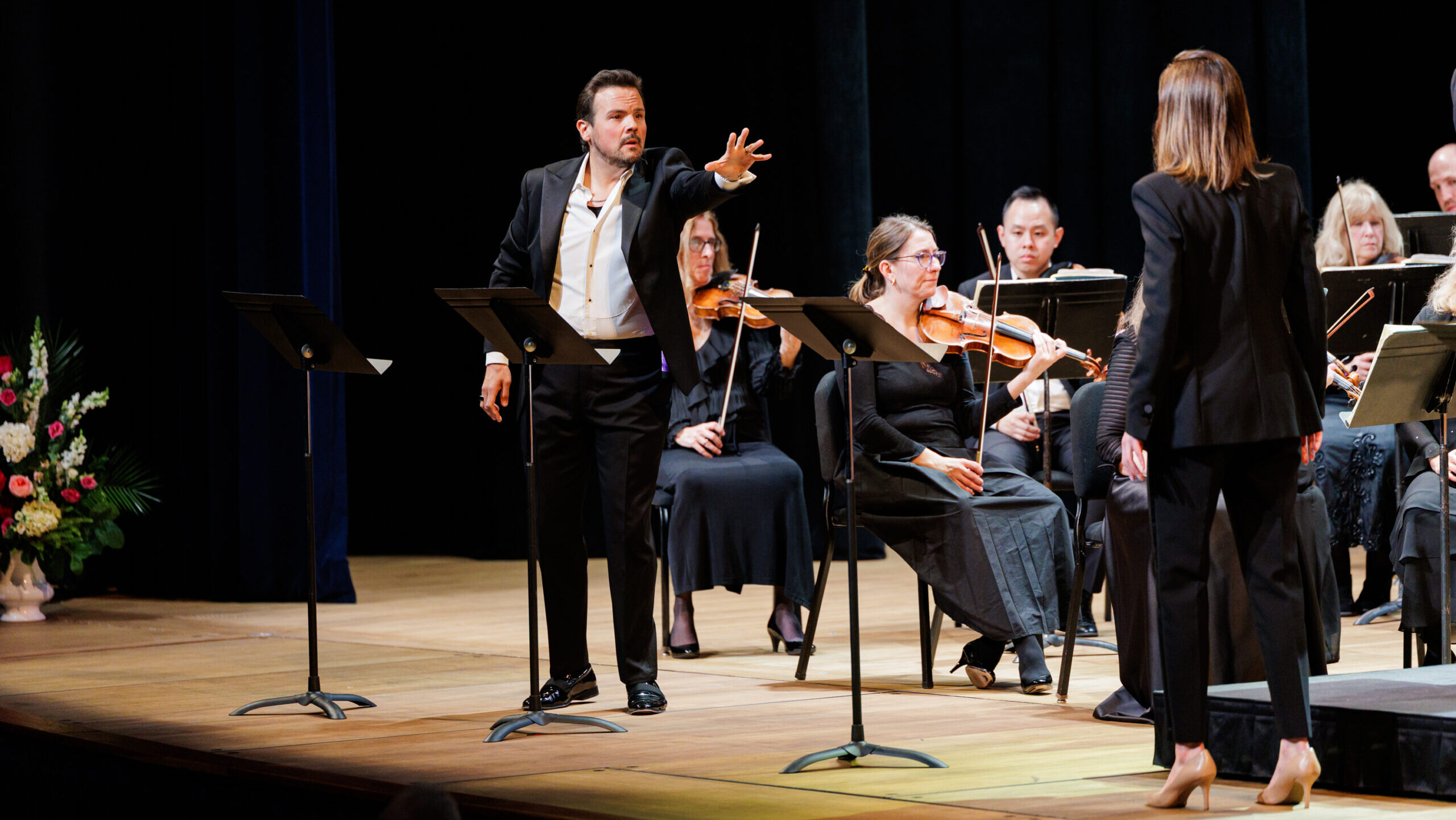
Soprano Amanda Forsythe as Ilia and tenor David Portillo in the titular role were highlights of Washington Concert Opera’s robust Idomeneo.
13 pieces since 2014 — at 3 companies, most often at Washington Concert Opera.
Soprano Amanda Forsythe as Ilia and tenor David Portillo in the titular role were highlights of Washington Concert Opera’s robust Idomeneo.
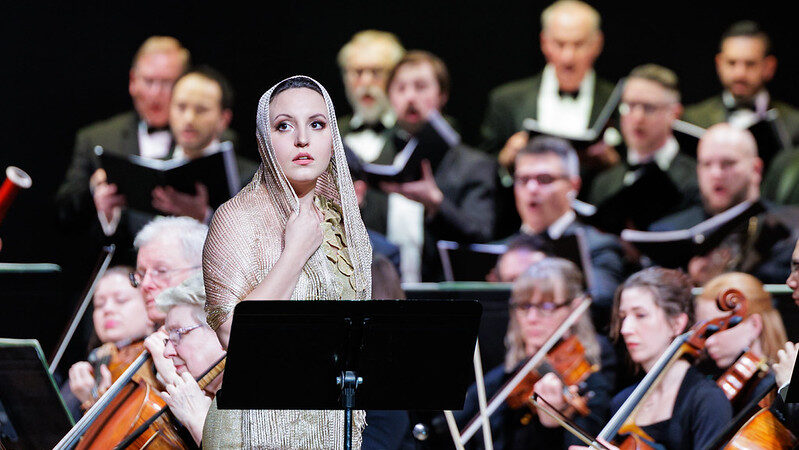
Washington Concert Opera returned to its roots with a delightful performance of Georges Bizet’s Les Pêcheurs de perles.
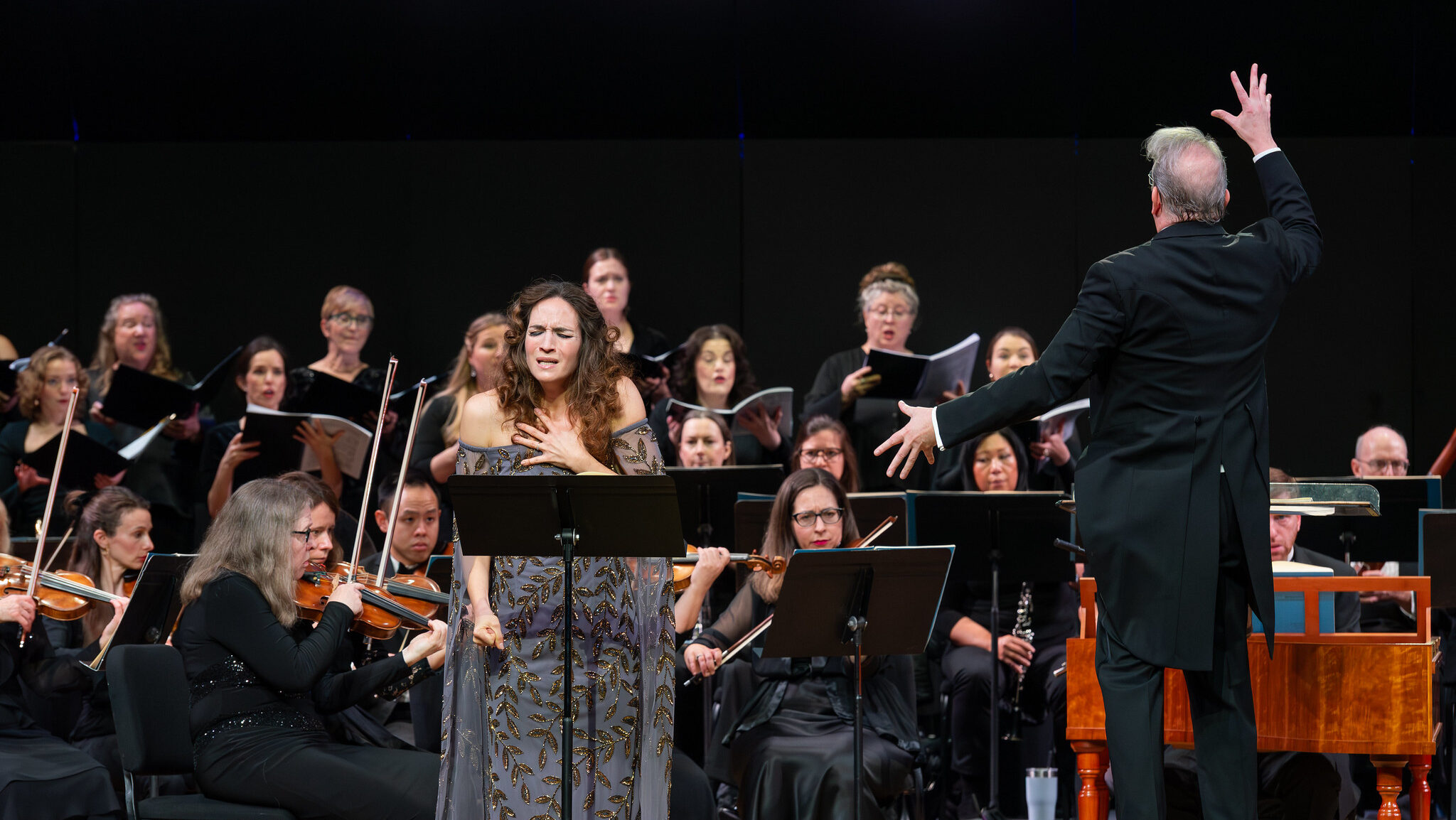
Washington Concert Opera began its 39th season last month with Christoph Willibald Gluck’s late masterpiece Iphigénie en Tauride.
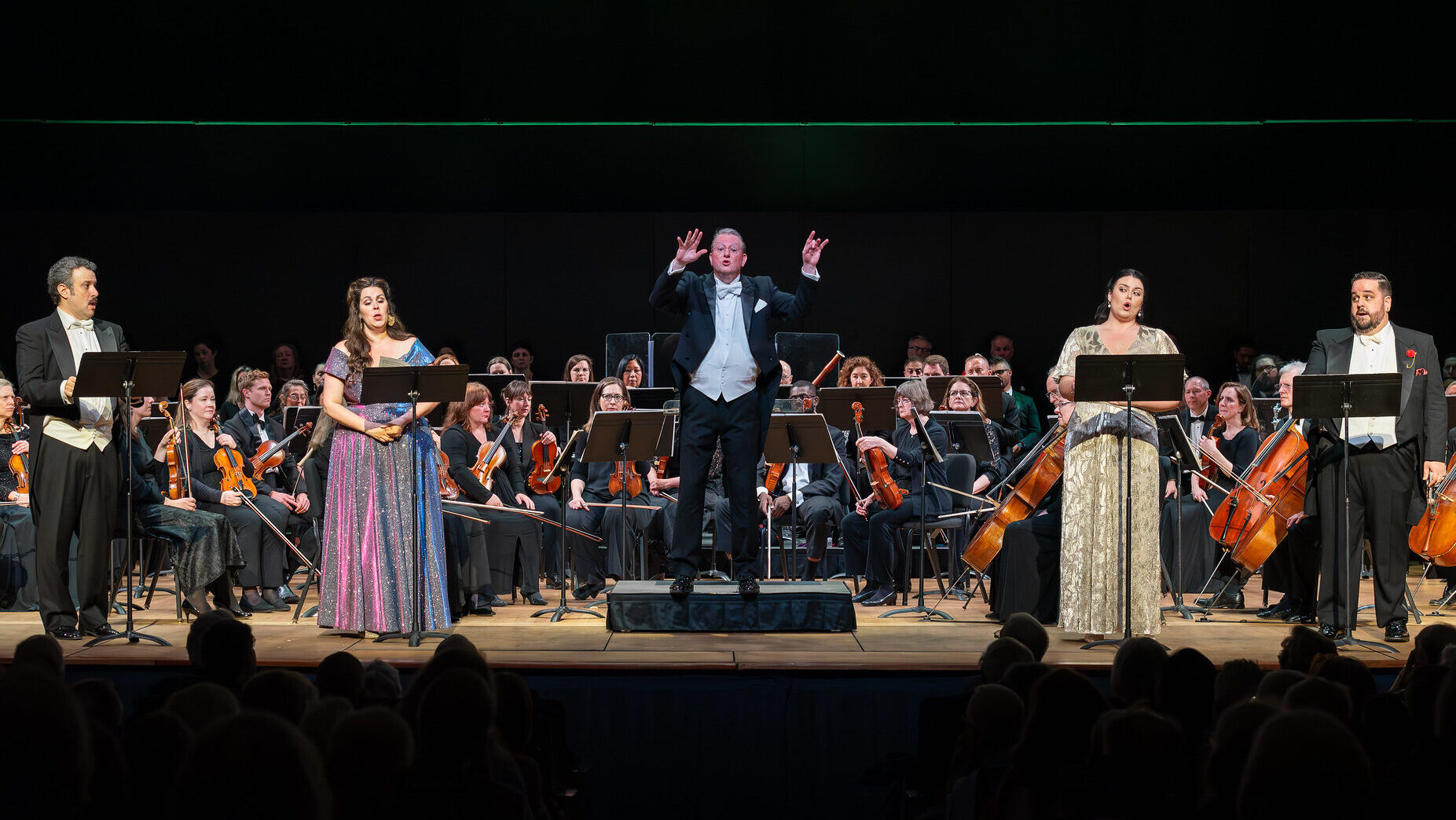
By the time the curtain rose on Verdi’s Luisa Miller last Sunday in Washington Concert Opera’s final show of the season, the originally announced line-up was about as accurate as a federal agency org chart from February.
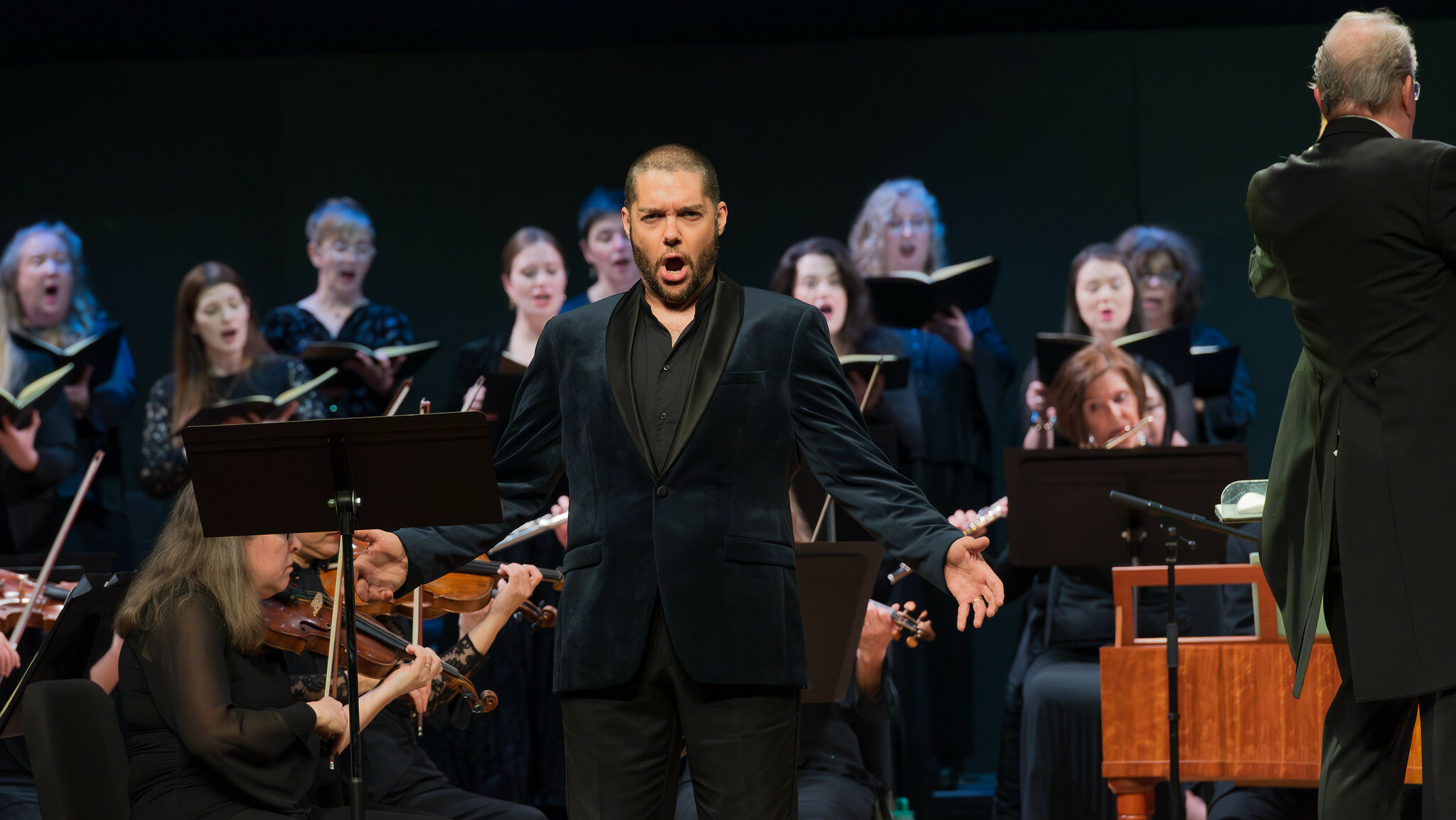
Washington Concert Opera delved into Mozart for the first time earlier this month with the composer’s once neglected penultimate stage work, La Clemenza di Tito, led by Maestro Antony Walker.
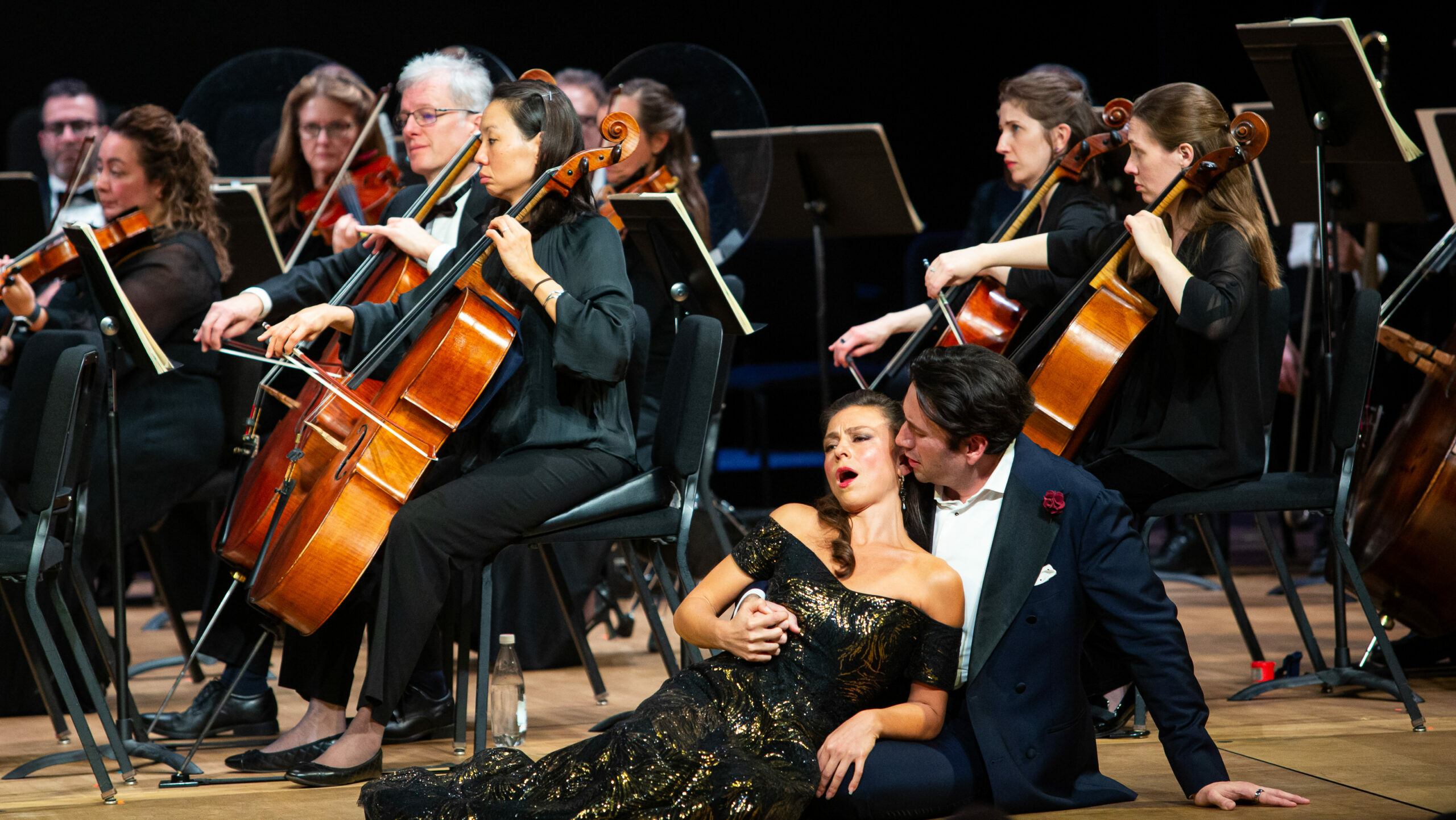
Washington Concert Opera returned on November 24th for its first show of the 2024-2025 season with a production of Puccini’s Manon Lescaut, another (relative) rarity from the composer following last year’s season-closing presentation of La rondine.
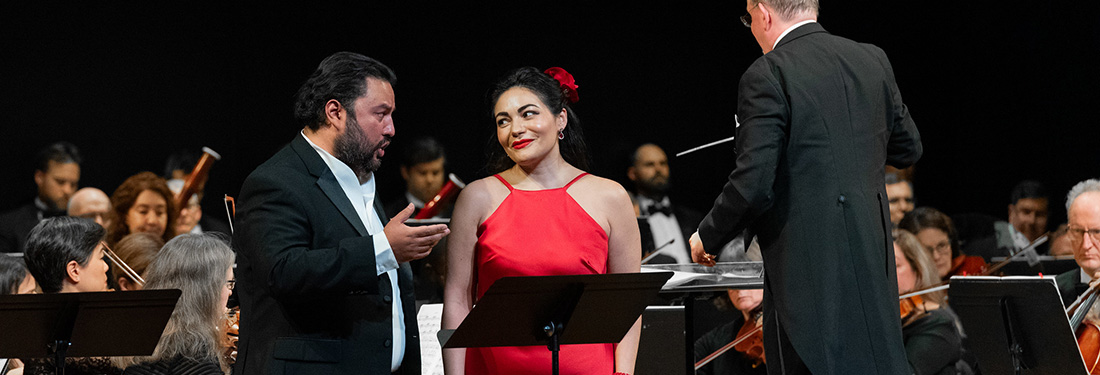
After a century of searching, the world has perhaps finally found a definitive Magda in ethereal soprano Ailyn Pérez.
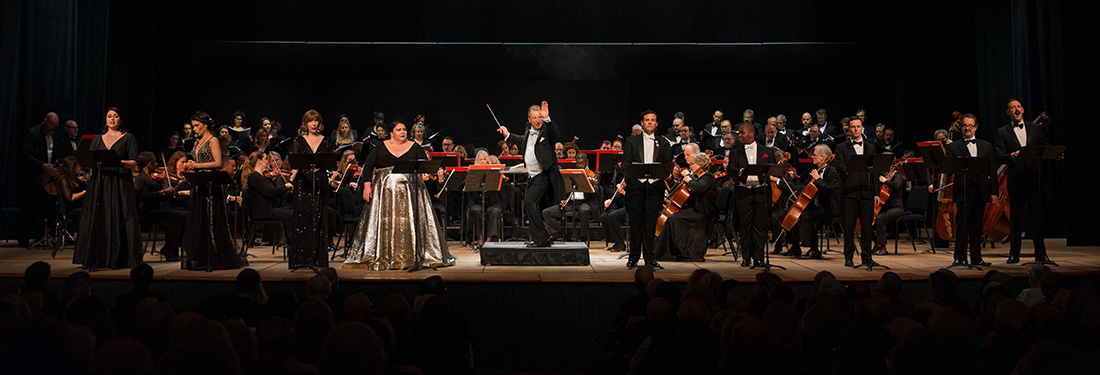
Washington Concert Opera’s season opened with a triumphant performance of Gioachino Rossini’s rarely heard Ermione Saturday night at George Washington University in D.C., led by Antony Walker and a stellar quartet of principals in Angela Meade, Lawrence Brownlee, David Portillo, and Ginger Costa-Jackson.

The monsoon outside was no match for the torrents of gorgeous, dramatic singing and playing that was unleashed inside George Washington University’s Lisner Hall Sunday afternoon when Washington Concert Opera, in a glorious deluge of Léo Delibes, presented Lakmé to round out its return season.

While the formulaic nature of some of Rossini’s other operas can undermine his ability to balance bravura singing and playing with legitimate drama, a concert Maometto II proves, with what it offers as much as what it lacks, that the formula still works.

South African Jacques Imbrailo’s high-lying baritone did much to highlight the lyrical possibilities of the title role of Hamlet, originally conceived for a tenor.
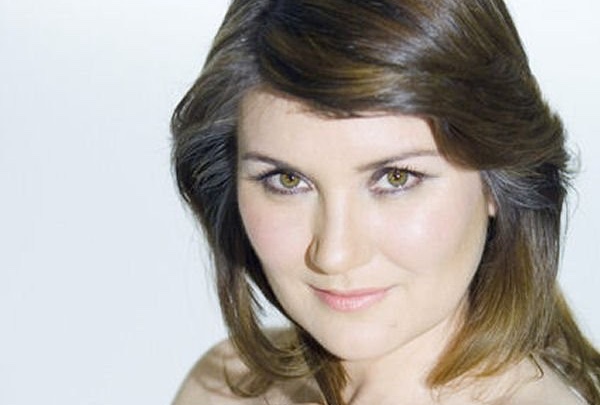
Zelmira, a work of 1822, was the last of the eight operas Rossini composed for the Teatro San Carlo in Naples, then the largest opera house in Italy—perhaps in Europe.
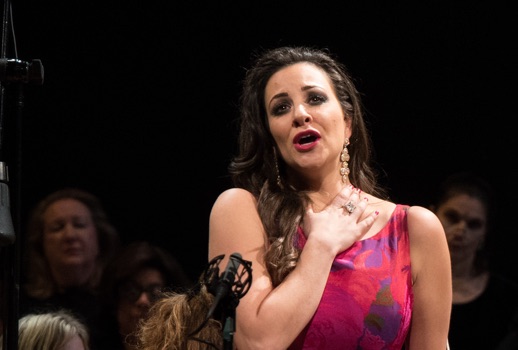
Operatic history can be cruel where multiple works with the same subject are concerned

New York City isn’t a bad place to live, operatically-speaking.

The days are getting shorter, but you can keep the prattle going this fall’s Talk of the Town! You will, you can, you must join in the discussion about: Great mezzo soprano performances (October),
Gained in translation (November), Teleport me back to… (December).
Exclusive opera reviews, commentary, and top reads
delivered to your email weekly…ish.