Patrick Mack
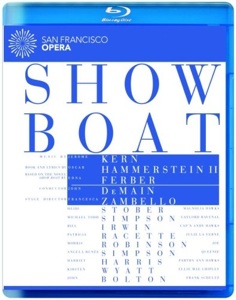
You might be surprised, though, when that title turns out to be Show Boat.
I was once accused—by my own mother, mind you!—of having too many recordings of Verdi’s Aida. The blistering audacity of that recrimination did get me to thinking: How many recordings of Aida is too many? I mean, you’ve got the old classic you cut your teeth on. Then there’s he one where the tenor and…
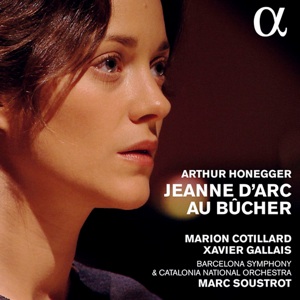
Tonight’s program at the New York Philharmonic, Arthur Honegger’s massive oratorio dramatique Jeanne d’Arc au Bûcher, has been an occasional visitor to the orchestra’s repertoire starting with the performance conducted by Charles Munch in January of 1948.
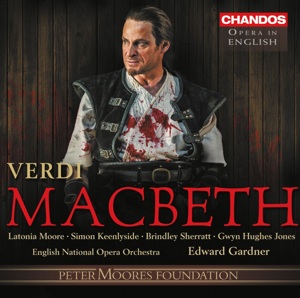
I’m a long-time fan of the Opera in English series funded by The Peter Moores Foundation that started, fittingly enough, with conductor Reginald Goodall’s performances of Wagner’s Ring cycle recorded live from the London Coliseum and released by EMI
The opening night of the Metropolitan Opera of September 1972 was supposed to be the dawn of a new era.
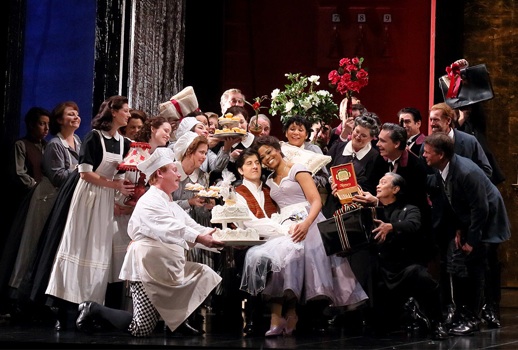
As I leaned forward the woman in front of me turned to her seatmate and very quietly, in a voice thick with emotion and not a few tears, said, “it’s so beautiful.”

James Conlon, Music Director for the LA Opera, often does the pre-game lecture in the huge open space on the second floor lobby of the Dorothy Chandler Pavillion and it’s almost always a standing room only crowd.
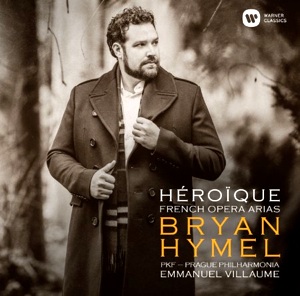
Imagine two tenors releasing French opera aria collections at the same time without duplicating a single track!
My first experience with John Corigliano’s music was in high school with the ear and mind blowing score he wrote for Ken Russell’s film Altered States.
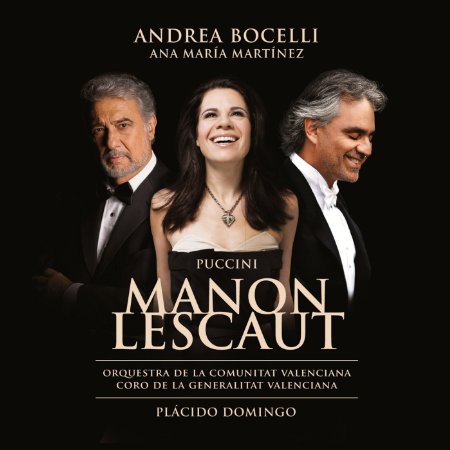
Manon Lescaut was Giacomo Puccini’s first big international success. His publisher, Giulio Ricordi, tried to put him off the project by citing Jules Massenet’s very successful adaptation just nine years previously. Puccini was intent on making the story his own, insisting, “A woman like Manon can have more than one lover… I shall feel it…
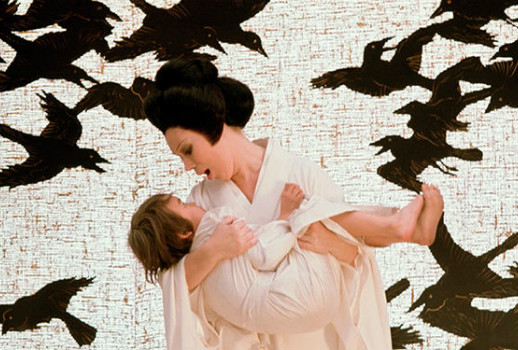
It seems almost comical to think now but the designer-director Jean-Pierre Ponnelle, who died in 1988, was at one time considered the height of regie-theatre scandal.
The role debut of a world-class singer is always a time of great anticipation, hopefully to be followed by celebration, if not unbridled jubilation.
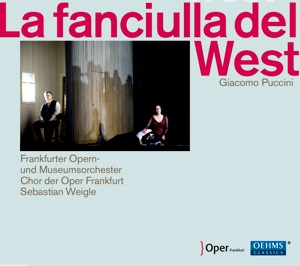
Giacomo Puccini’s horse-opera version of “Snow White and the Seven Dwarfs,” La Fanciulla del West, based on David Belasco’s play, The Girl of the Golden West, enjoyed the status of a curate’s egg for quite a while.
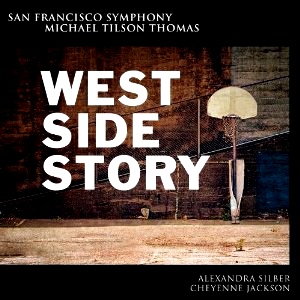
I fall on my knees before this new live recording issued by the San Francisco Symphony.
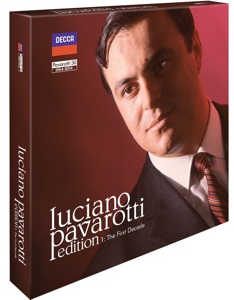
With much laying-on of fanfares and gift boxes our friends at Decca Classics have unleashed Luciano Pavarotti Edition 1: The First Decade on a weary and satiated public.
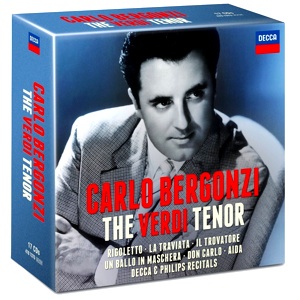
A great man has passed and our consolation is that so much of his art has been preserved for us on recordings.
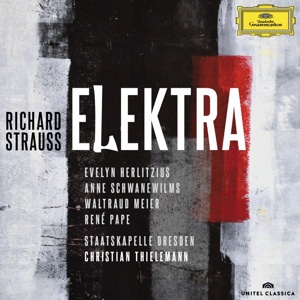
“Conduct Salome and Elektra as if they were by Mendelssohn: Fairy music.” Seriously, how often has that happened?
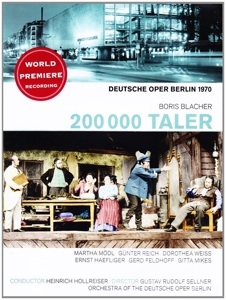
With the help of our friends at ArtHaus Musik, the Deutsche Oper Berlin have really been emptying out their archives and that’s certainly all for the good.
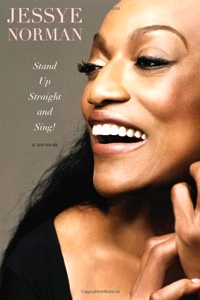
I am certain that we Parterrians are a very literate, even literary, group.
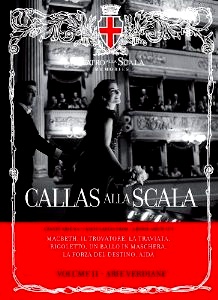
Once again, beloveds, we approach the Milanese shrine that simultaneously attempted to cultivate and destroy the career of Maria Meneghini Callas.

Pytor Ilyich Tchaikovsky’s Eugene Onegin is his masterwork and its themes of social convention and unrequited longing surely struck a deep chord in a composer who, in late 19th century Russia, was gay and had to conduct himself carefully.

I am grateful to Sony for this new release of the Metropolitan Opera’s latest production of Parsifal and I hope I’m not the only one who discovers what a rich experience this opera can be because of it.
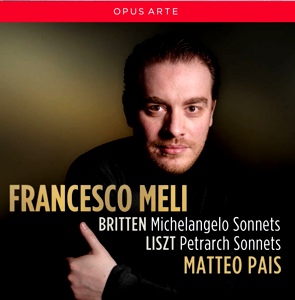
Mr. Ian Rosenblatt is a London solicitor and patron of charitable causes in Britain primarily focused on classical music.
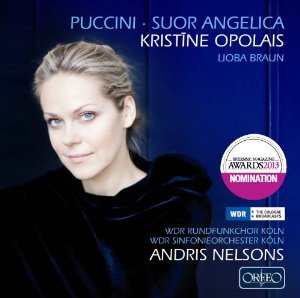
I’ve always had a fondness for Giacomo Puccini’s Suor Angelica and apparently so did he since he often referred to it as, “among the finest of my children.”
Tell us: What’s your favorite Verdi performance?
Hasten thee to feed another quarter of conversation for The Talk of the Town!