John Yohalem


It is a physical pleasure to hear Kate Lindsey at close quarters.


A brief concert at the Frick Collection teases the multifaceted artistry of Davóne Tines


Restrictions encourage creative staging, for which the Berkshire Opera Festival is renowned.


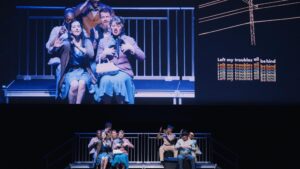
R.B. Schlather‘s shadowy production with Heartbeat Opera at the Williamstown Theatre Festival proves that Vanessa might be coming into its own at last
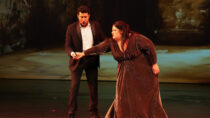
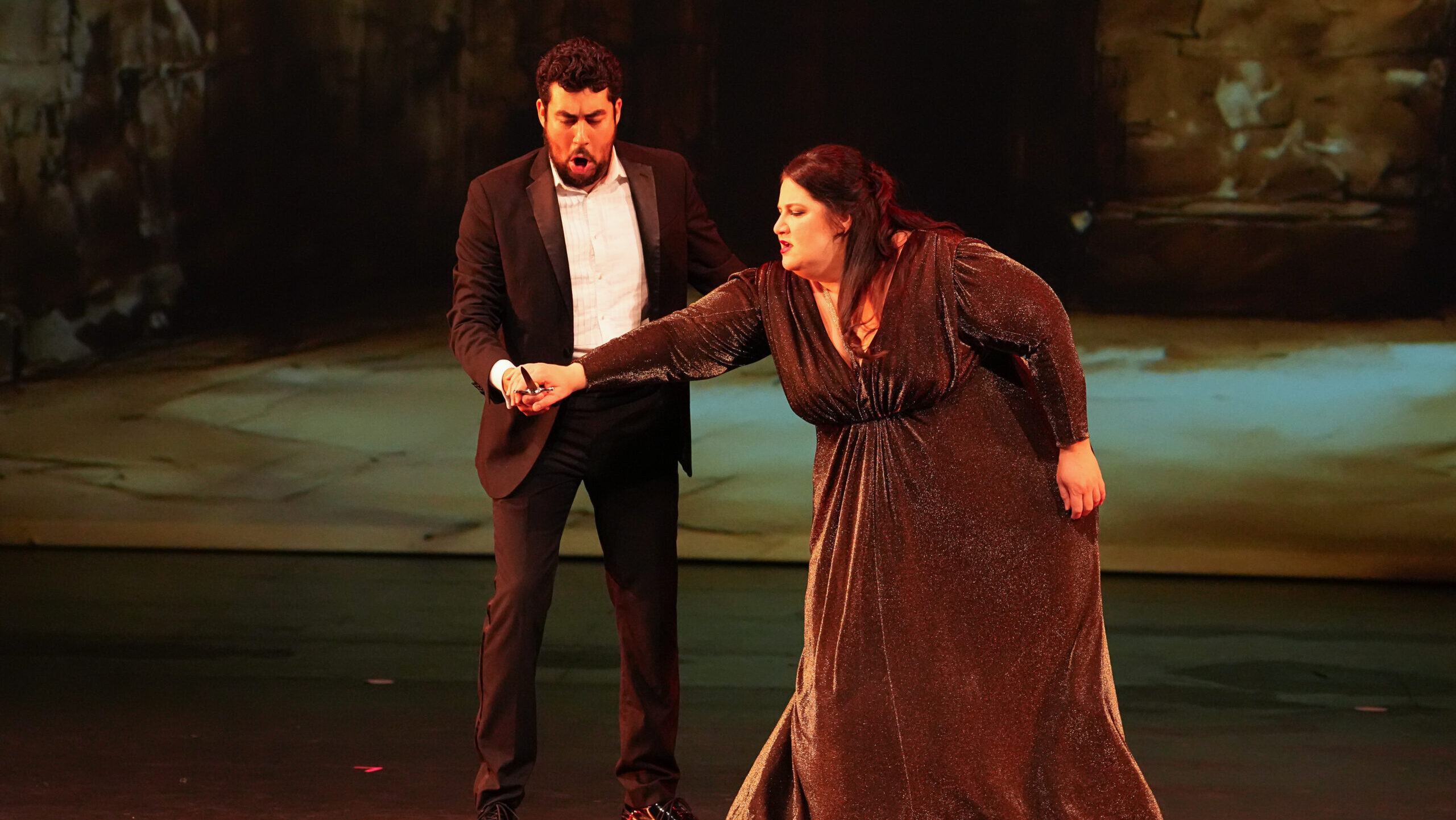
In the 1847 version of Macbeth, the forces of Teatro Nuovo lacked the thunderous punch this music can pack, but provided a pleasant ride
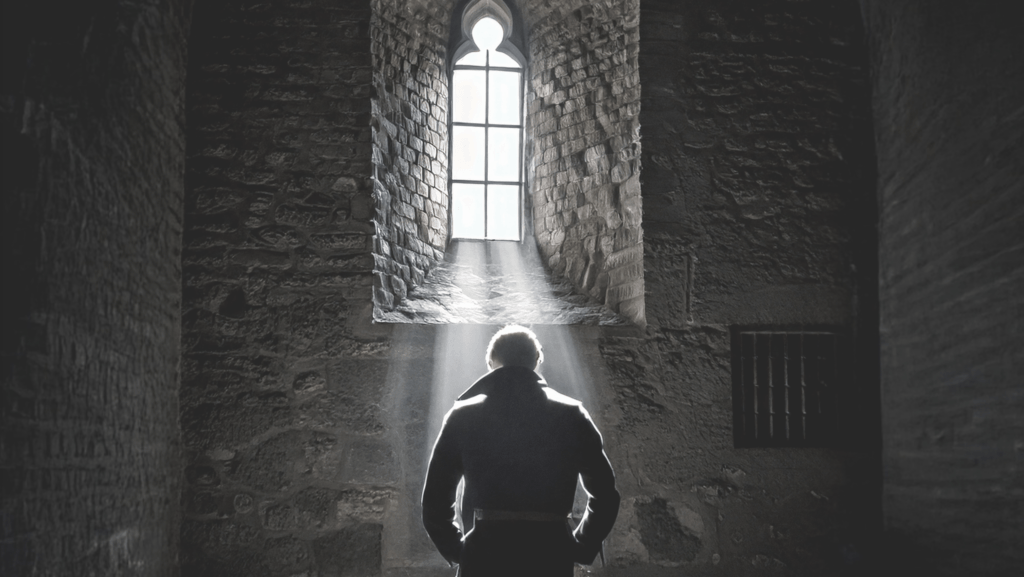
In Smetana‘s Dalibor, a rescue opera and a nationalistic fable collide at this year’s SummerScape Festival
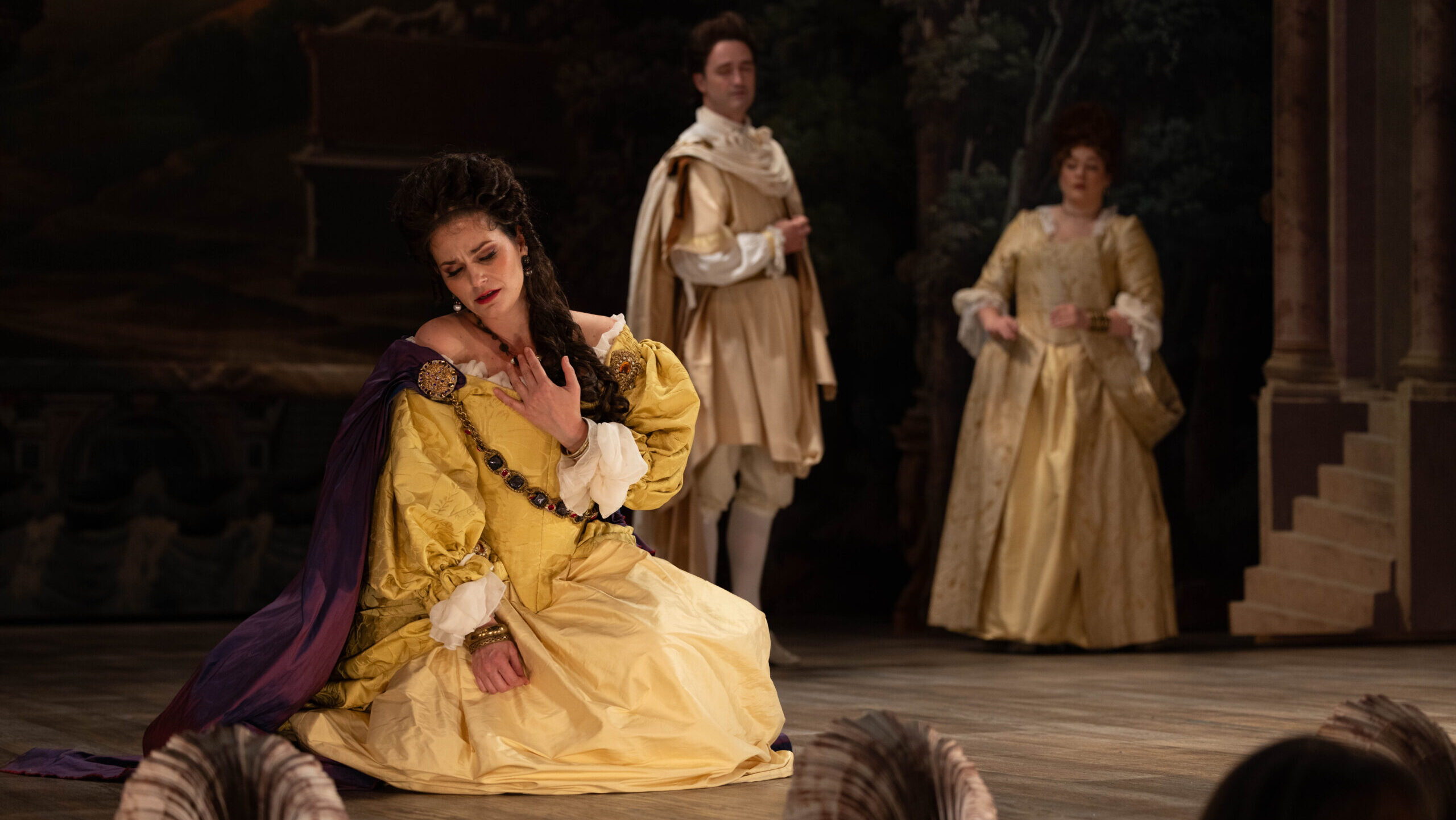
The operatic offerings of Boston Early Music Festival — Keiser‘s Octavia and Telemann‘s Pimpinone and Ino — are delectable discoveries
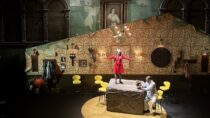

John Yohalem reports on Catapult Opera’s satiating San Giovanni Battista
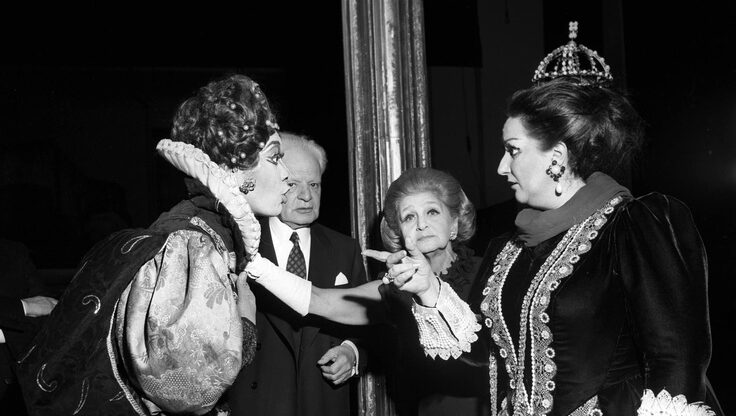
John Yohalem wraps up Donizetti Month at parterre box with a look back at nearly six decades of Donizetti operagoing.


Karen Slack is downright magisterial in her recital African Queens.

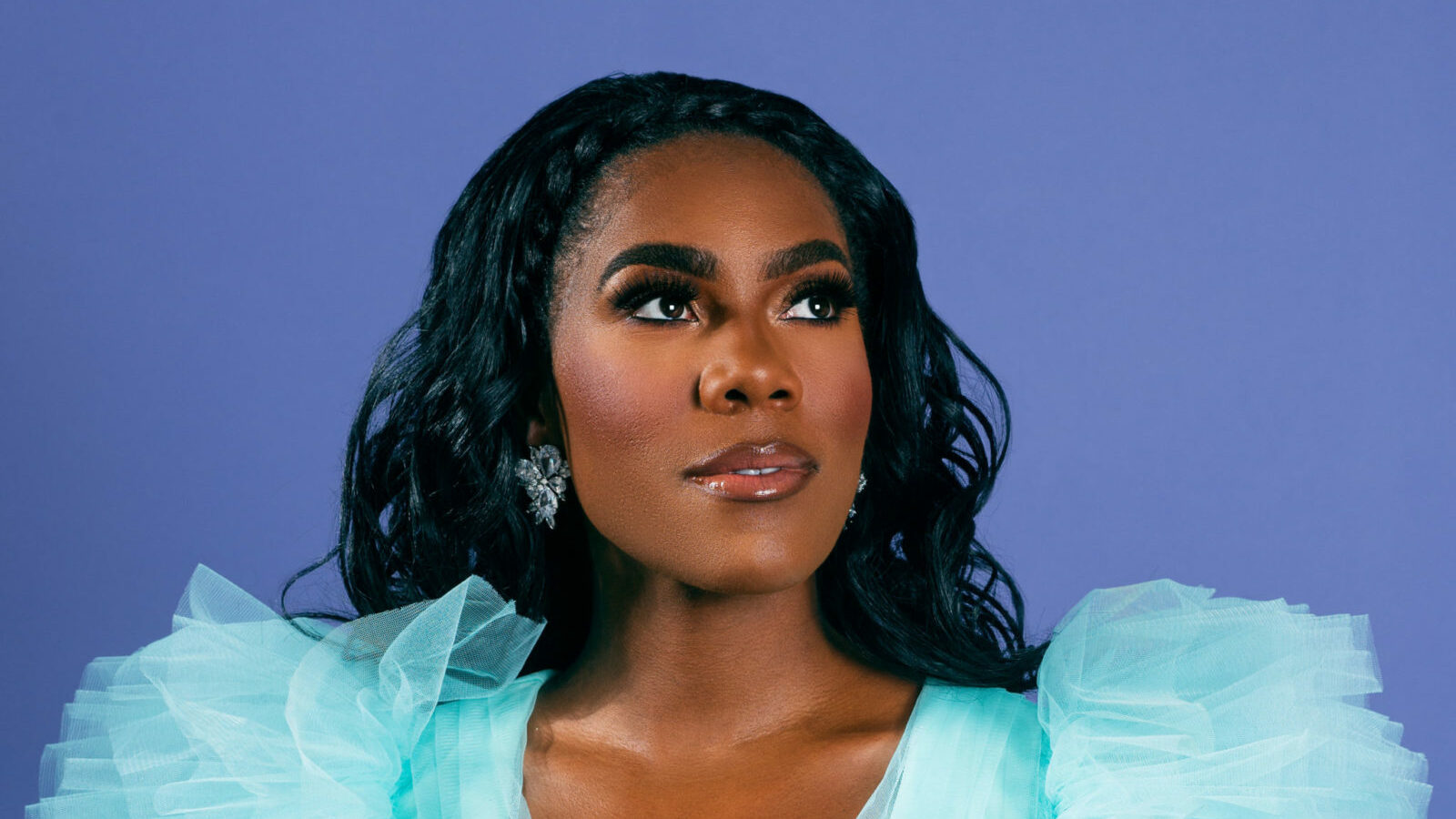
John Yohalem reports on a serendipitous recital from J’Nai Bridges and Joshua Mhoon in Montclair, New Jersey

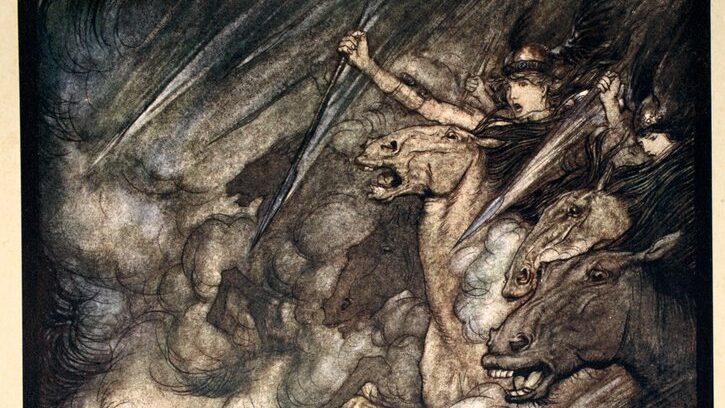
John Yohalem reports from the New York Dramatic Voices performance of Act III of Die Walküre


Target Margin Theater proudly boasts that Show/Boat: A River, its small-scale and bare-bones staging of Show Boat (at the Skirball Center on Washington Square through the 26th), is a “bold reimagining” of the classic Jerome Kern & Oscar Hammerstein show, a “new adaptation that explores America’s transformation from the Jim Crow 1880s to the Chicago of the Great Migration to the challenges of today,” but I don’t see it.
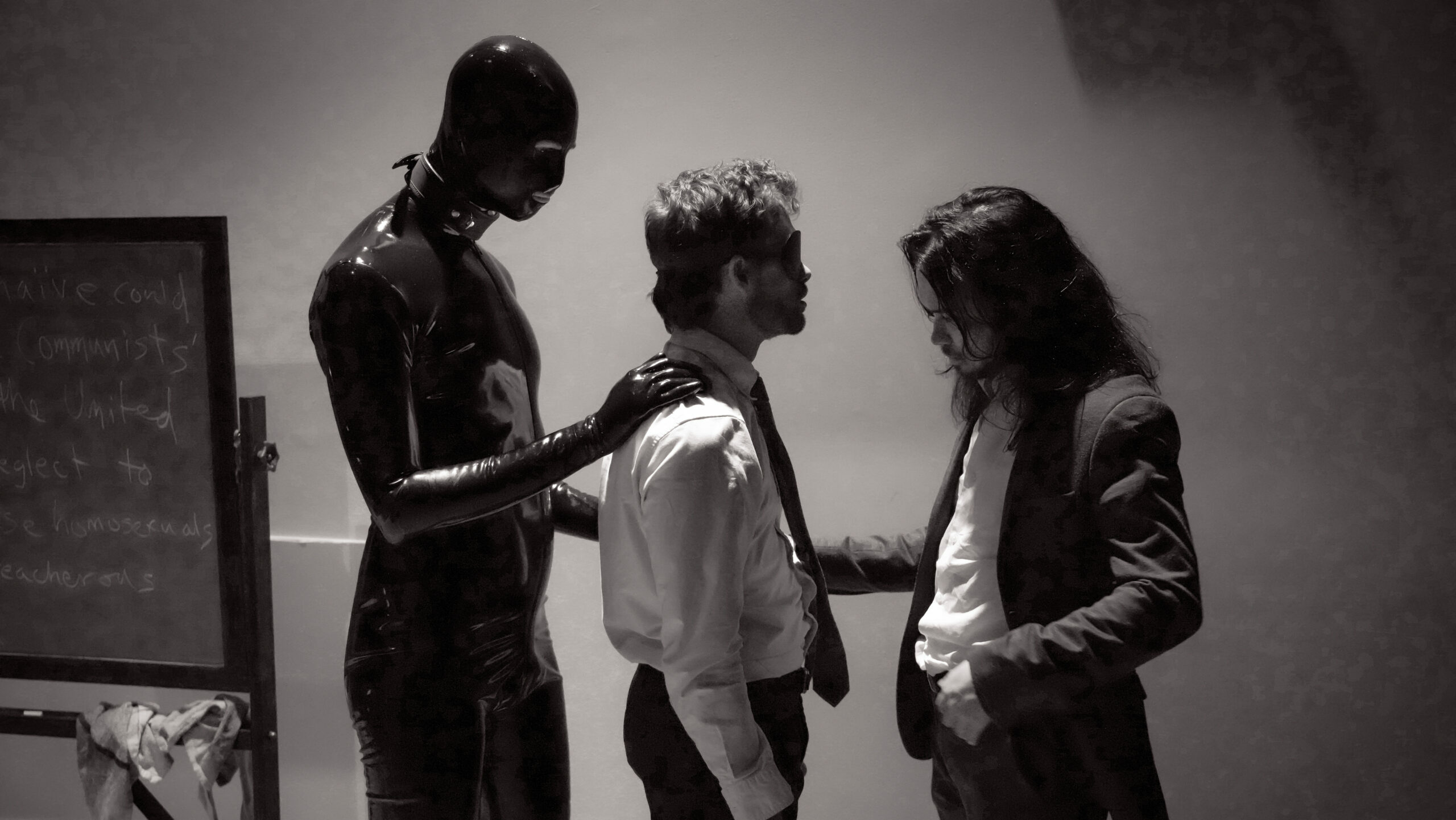
There are two problems to address – problems of the sort the arts thrive on addressing.

On Tuesday night, in the commodious concert hall of the Morgan Library, the Boston Early Music Festival forces brought Georg Philipp Telemann’s Don Quichotte auf der Hochzeit des Comacho to New York.
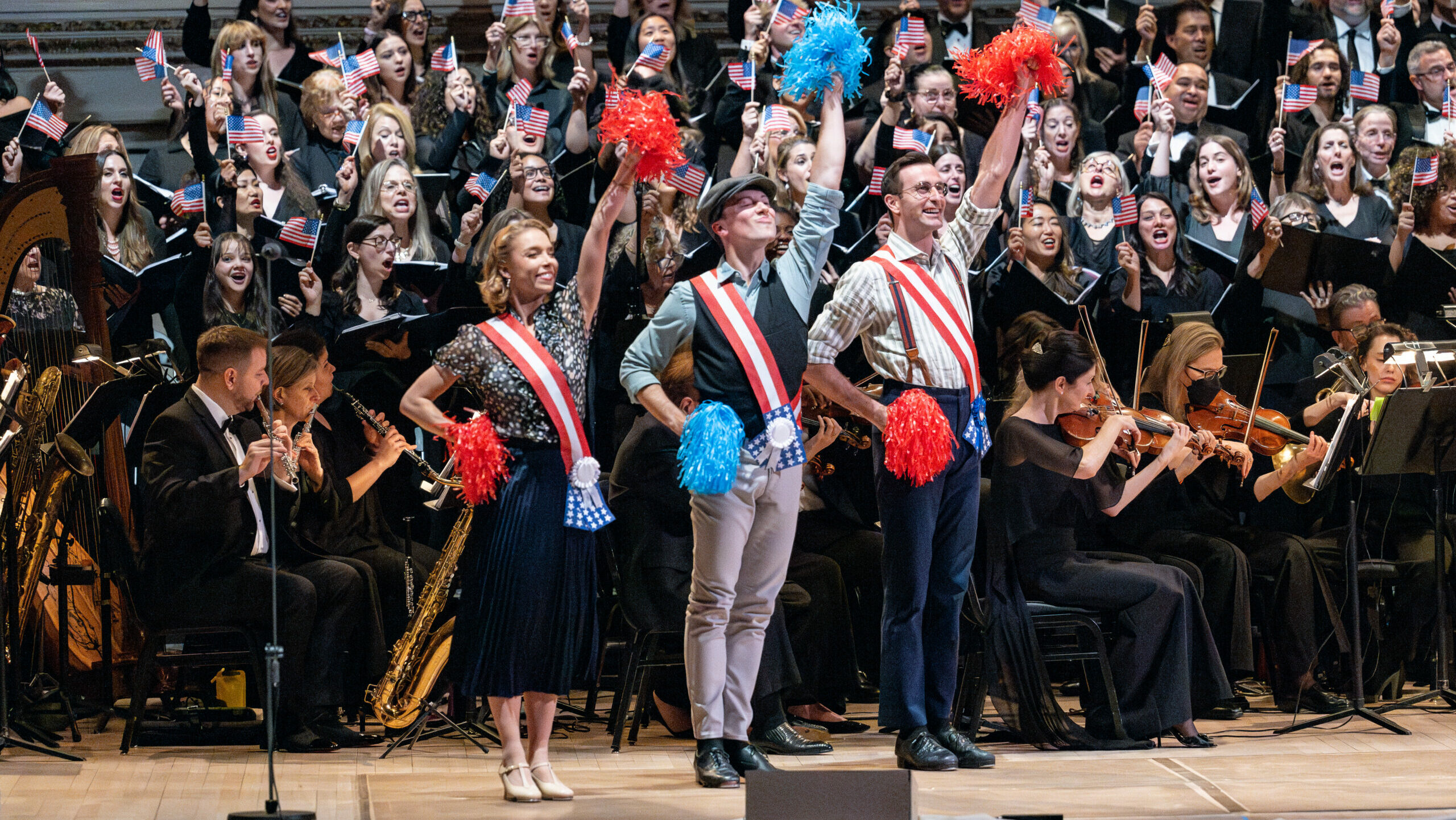
Strike Up the Band! cried the brothers Gershwin (and book-writers George S. Kaufman and Morrie Ryskind) in the first of their three satirical, vaguely political operettas—sort of jazz Gilbert & Sullivan—that they dreamed up in the late 1920s.
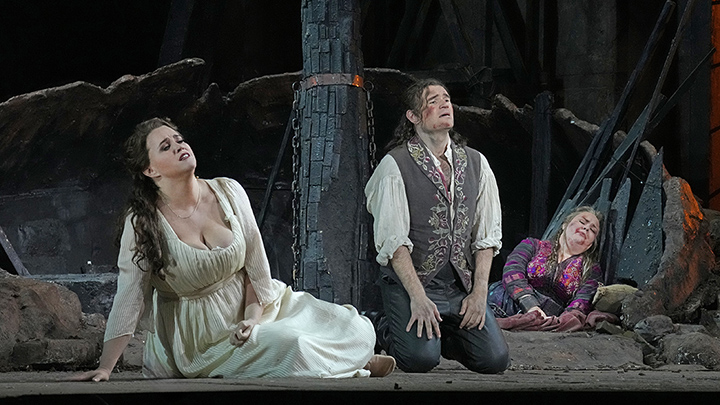
Rare is the revival of Il trovatore that boasts five first-rate singers, and such an occasion should be treasured. And so, at the Met last Saturday, it was.
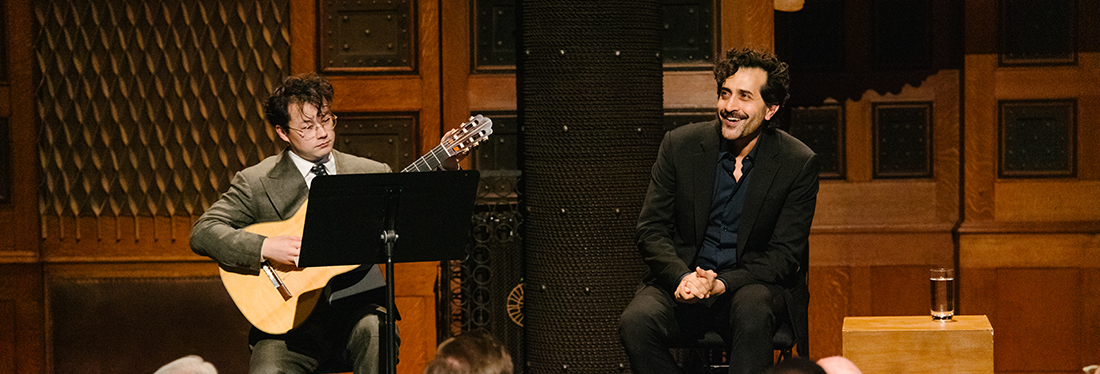
Karim Sulayman’s intentions are to demonstrate links and roots, in themes musical and poetic, crossing every boundary of culture, religion, nationality, genre.
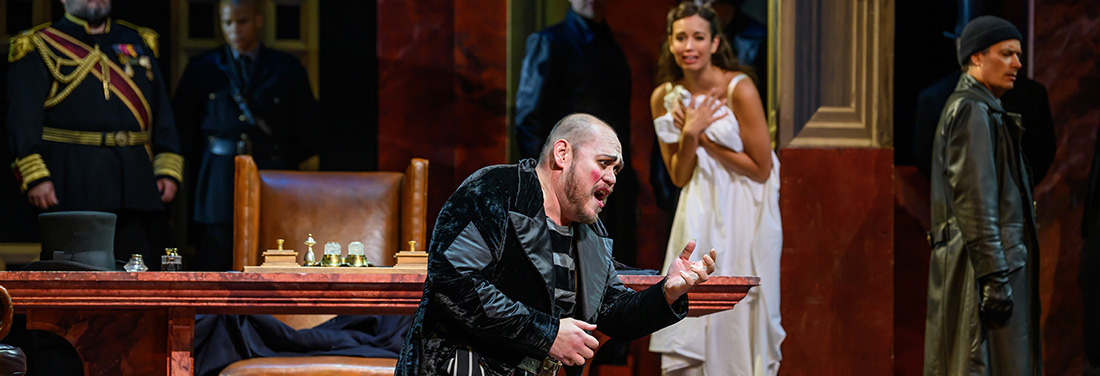
Rigoletto is the perfect opera. The story is straightforward and powerful; none of the action occurs backstage or between scenes or twenty-seven years before curtain rise; and the ethical anvil lands not once but twice, on the title character singing, “La maledizione!” The curse!
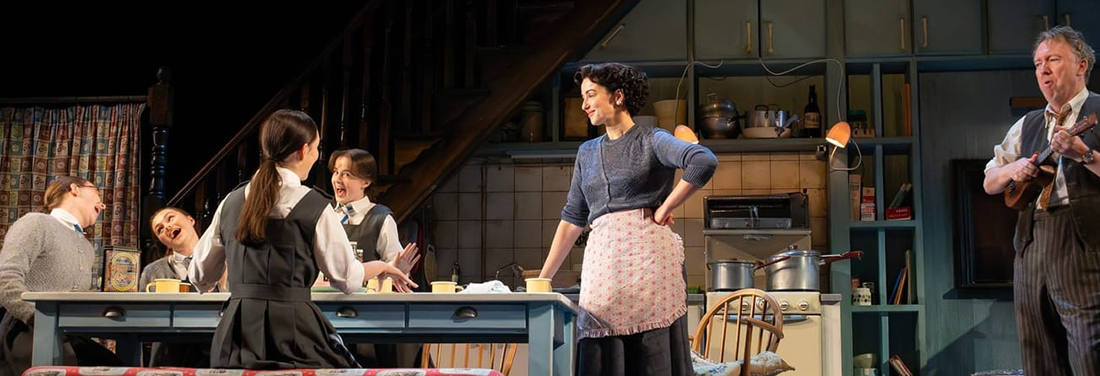
Nostalgia ain’t what it used to be.
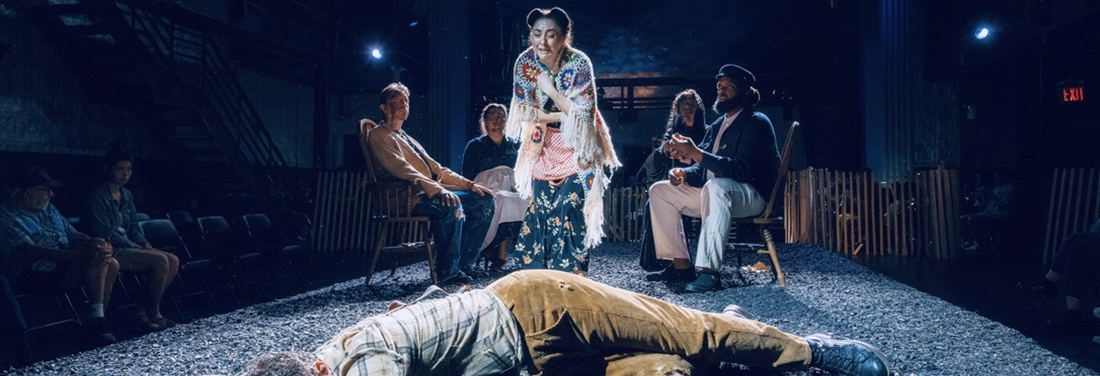
One moral is that Eugene O’Neill may just not be opera fodder.

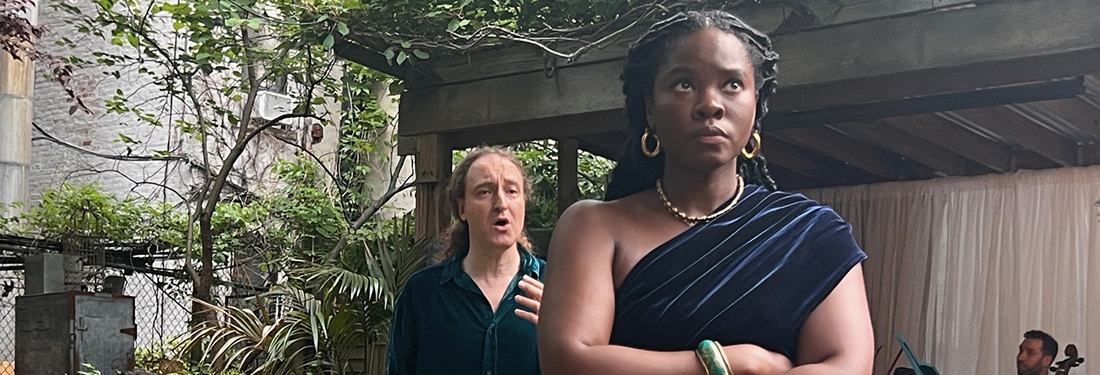
They used to say of the island of Crete that it produces more history than can be consumed locally.
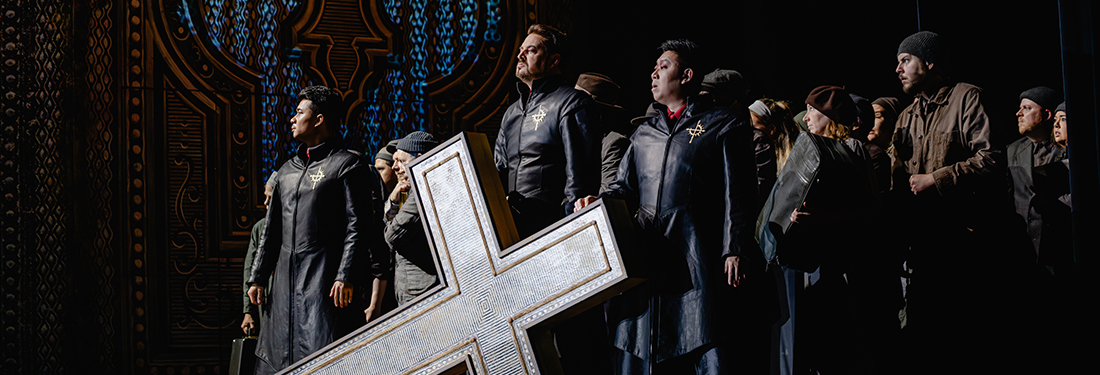
Folks who have never attended a full-length, uncut Giacomo Meyerbeer grand opera have been known to pout and ponder: Why did the most popular opera composer of the mid-nineteenth century all but vanish from the stages of the world after a hundred years?
I suspect Carolina Uccelli was tough.
Tell us: What’s your favorite Verdi performance?
Hasten thee to feed another quarter of conversation for The Talk of the Town!