
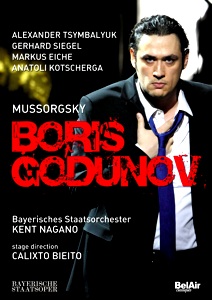
A tsar is torn
In Mussorgsky’s Boris Godunov, all the Russian people starve and suffer, but none has suffering like the mental agonies of Tsar Boris.
54 pieces since 2010 — at 5 companies, most often at Metropolitan Opera.
In Mussorgsky’s Boris Godunov, all the Russian people starve and suffer, but none has suffering like the mental agonies of Tsar Boris.
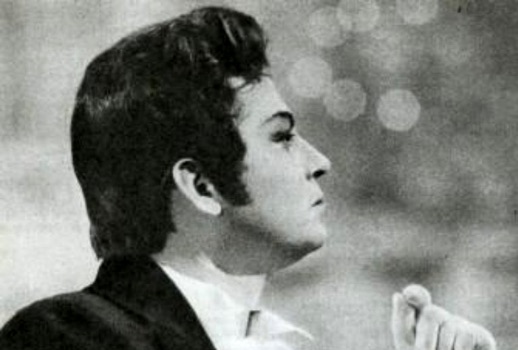
If you were in New York on July 7, 1975 chances are you were at the Met reveling in the visiting Bolshoi Opera’s Eugene Onegin.

Reflecting my new mantra — “and would have gone on longer, had he not died” – here is The Curate’s Egg edition of the Saturday breakdown.
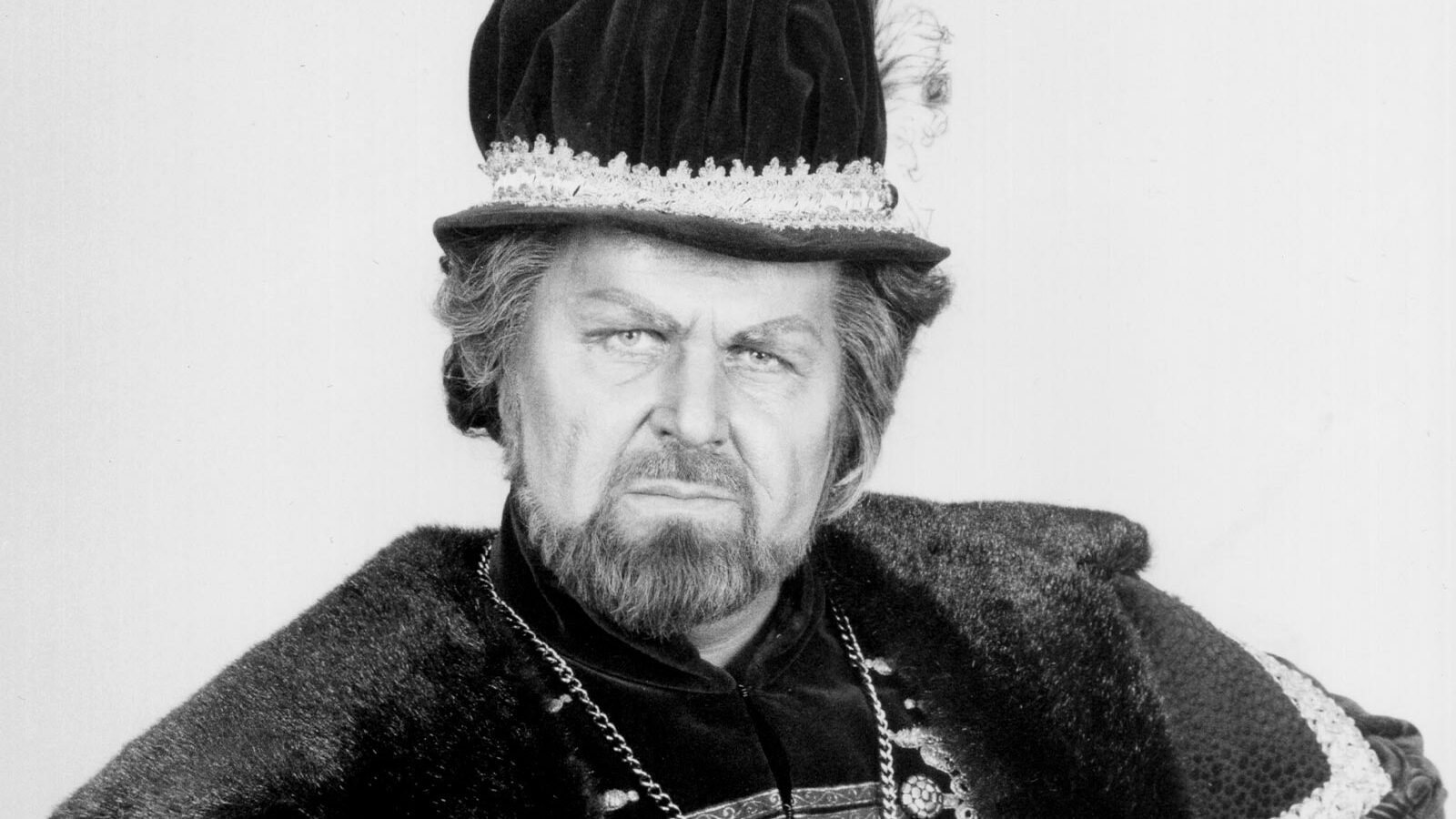
The American bass, a fixture of the Metropolitan Opera between 1967 and 2018, was 83.
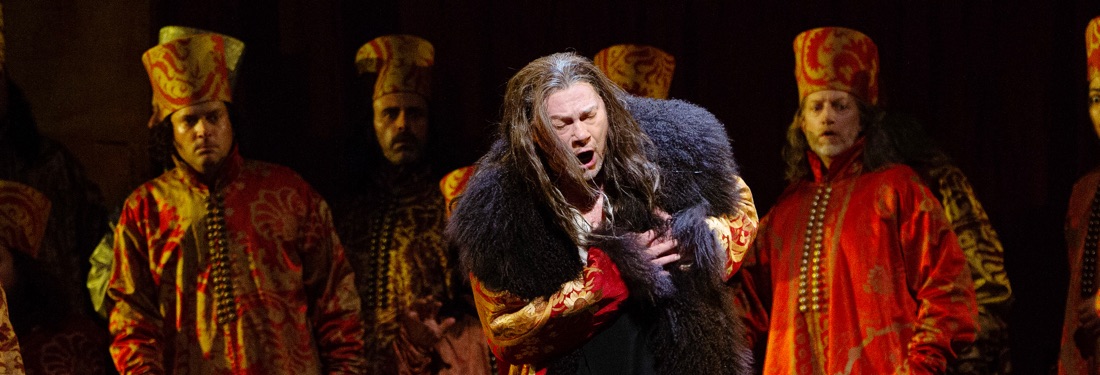
A snarky commentator might dub last night at the Met “Boris of the divo hair flip” but that would do a disservice to a serious, often effective performance of the challenging original version of Mussorgsky’s masterpiece.

When Mikhail Gorbachev assumed the mantle of the General Secretary of the Communist Party of the Soviet Union in 1985, a palpable change was felt in the air, from Novosibirsk to East Berlin. Words like glasnost (openness) and perestroika (restructuring) began to replace the gradually outmoded Leninist philosophies that had become warped under Stalin and Andropov.
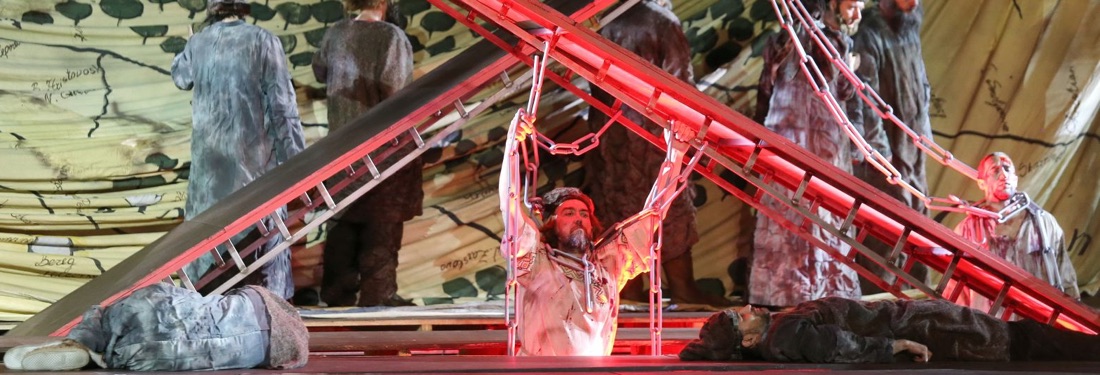
I have seen all sorts of Boris Godunovs, but nothing quite like this.

The days are getting shorter, but you can keep the prattle going this fall’s Talk of the Town! You will, you can, you must join in the discussion about: Great mezzo soprano performances (October),
Gained in translation (November), Teleport me back to… (December).
Exclusive opera reviews, commentary, and top reads
delivered to your email weekly…ish.