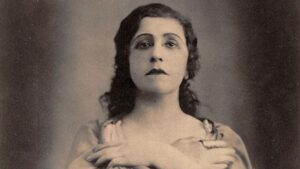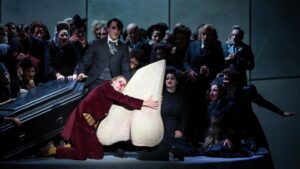

Fyodor Chaliapin, the very great Russian basso, to this day owns the role of Massenet’s Don Quichotte.
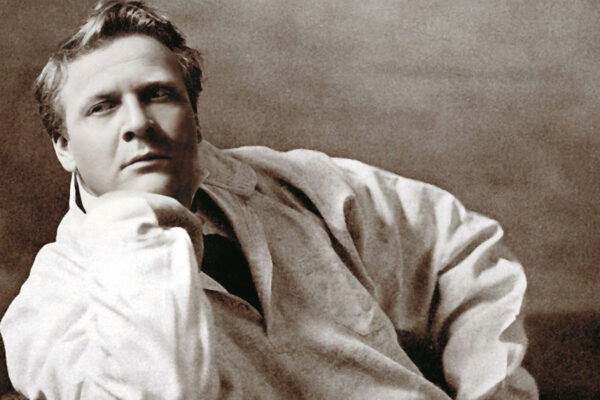
The one, the only Fyodor Chaliapin, singing Massenet’s “Elegie” (with, I believe, a young Piatigorsky on the cello part).
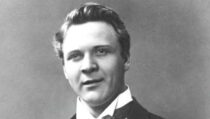
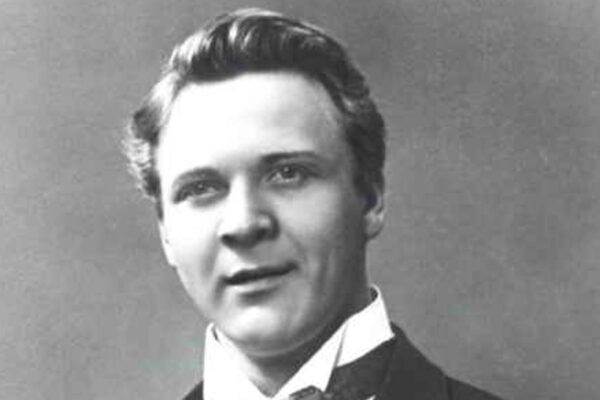
Fyodor Chaliapin is considered one of the greatest basses ever because he combined a dark, flexible, and instantly recognizable bass voice with extraordinary musical intelligence and nuance.
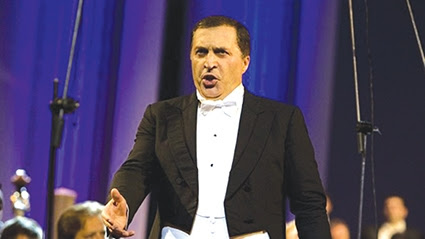
I wanted to make sure Paata Burchuladze gets celebrated in this series.
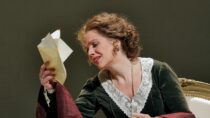

Hasten thee to feed another quarter of conversation for The Talk of the Town!
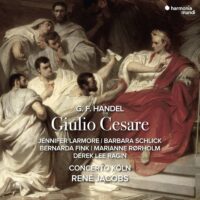
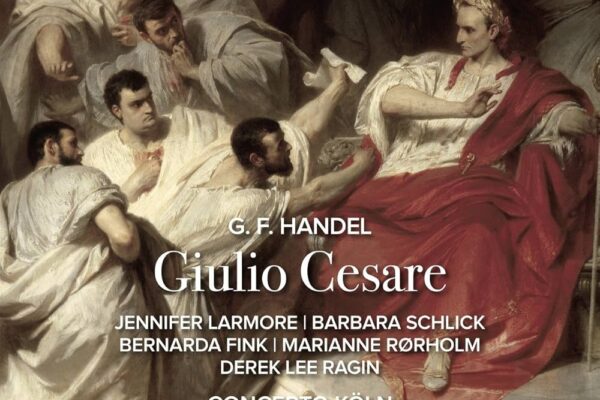
George Frideric Handel (born 341 years ago on Monday) composed over 40 operas including many masterpieces, but his Giulio Cesare is the one that everyone knows best.


For all his undeniable precision and discipline, I still find Toscanini’s tempi rushed and unyielding and his lack of rubato a chilly turnoff.


While the three leads do sing the material well, there has been a glut of recordings since then which are more complete and at least as well sung.


It was many decades ago that I first listened to the Solti Ring Cycle.

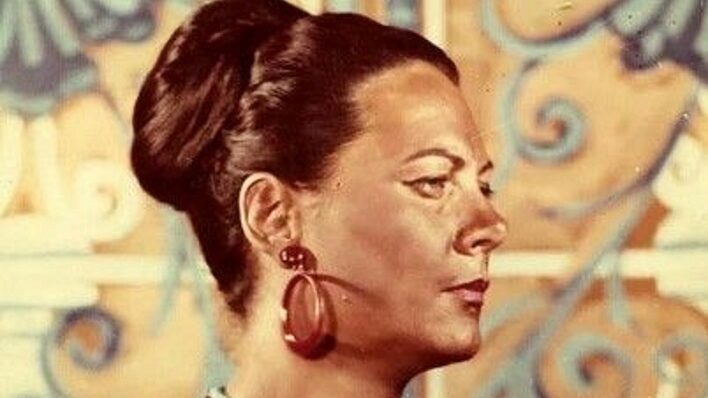
Karajan’s 1959 Aïda was once treated like gospel, a wall of plush Vienna Philharmonic sound and star power that critics dutifully genuflected before.

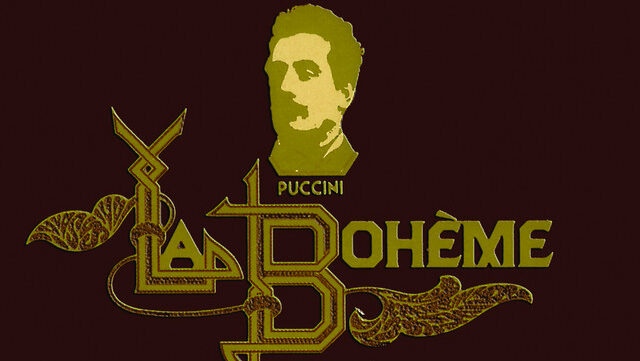
The Solti recording of Bohème is completely miscast.
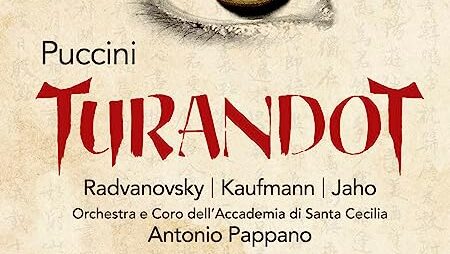
The recent highly hyped studio recording of Puccini’s Turandot left me greatly disappointed.

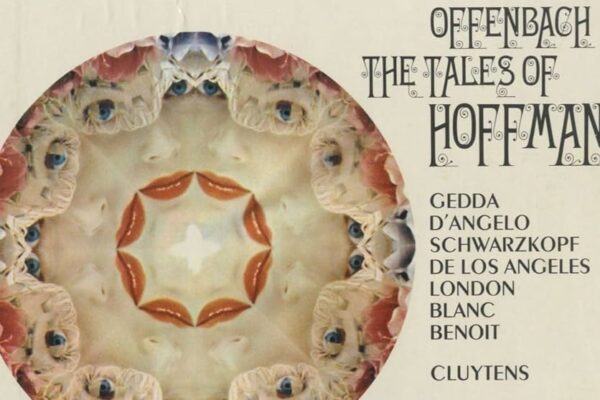
All in all, an ill-advised venture.
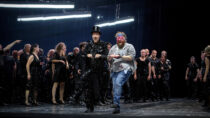
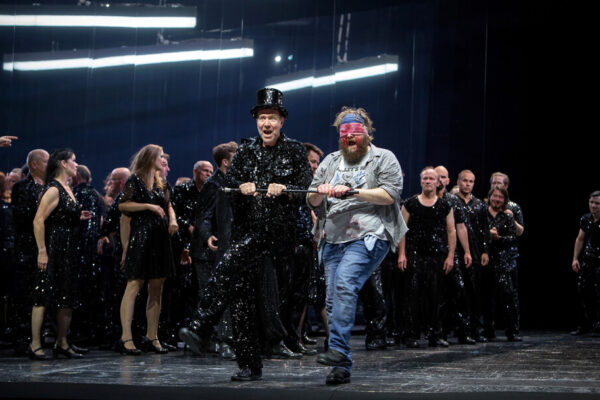
It’s always surprised me how so many performances of the major Brecht/Weill collaborations seem to have zero clue of how to handle either Weill’s music.
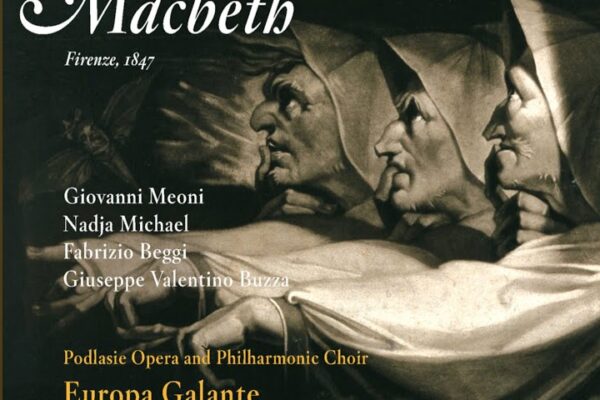
I don’t know if it’s overrated because I don’t think anyone rates it, but for pure party disc joy not much beats this 2018 recording of the original 1847 version of Verdi‘s Macbeth.
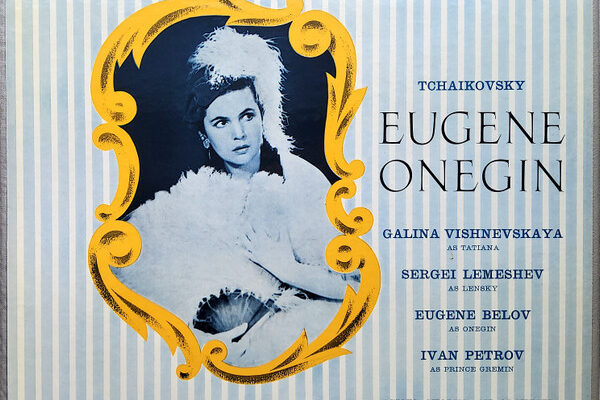
This is the classic Onegin and there’s much to love, especially from Khaikin‘s sensitive conducting and Lemeshev‘s ideal Lensky.
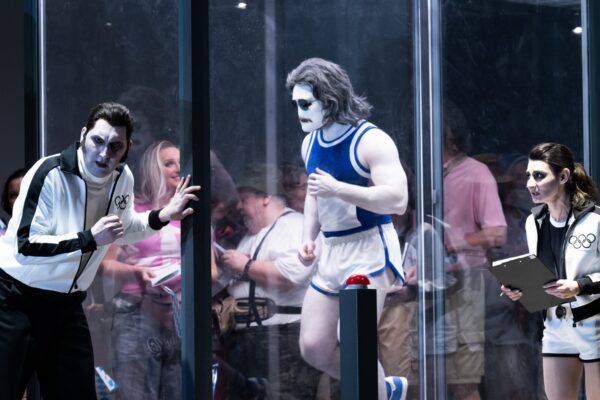
An opera about the massacre of Israeli athletes at the 1972 Munich Olympics was never going to be an easy task.
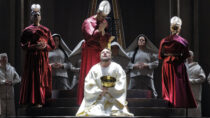
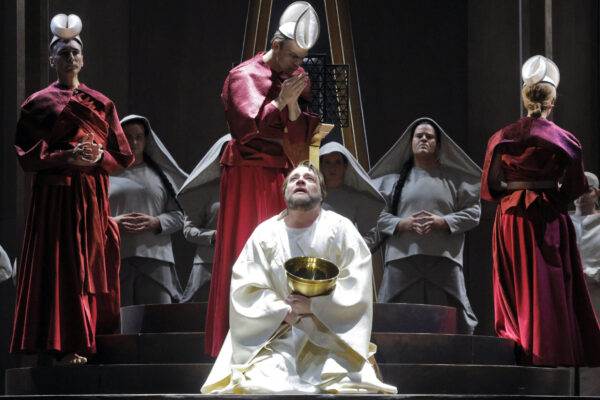
Both performances moved me profoundly and served as a form of catharsis, ending a challenging 2025 with a glimmer of hope for the future
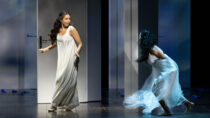
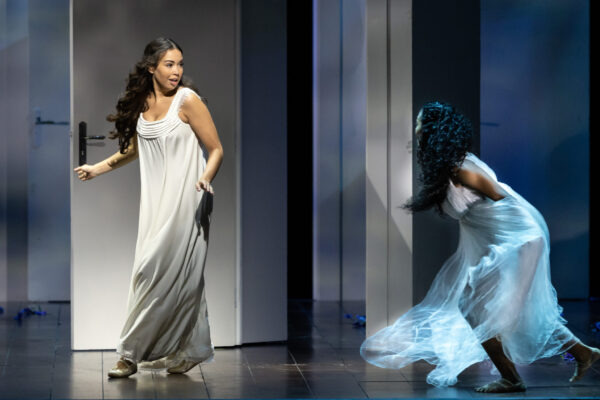
Easily the Met’s new Sonnambula, where cast and production team delivered a gorgeously sung and well thought out concept for a libretto often derided for its simplicity.
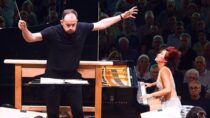
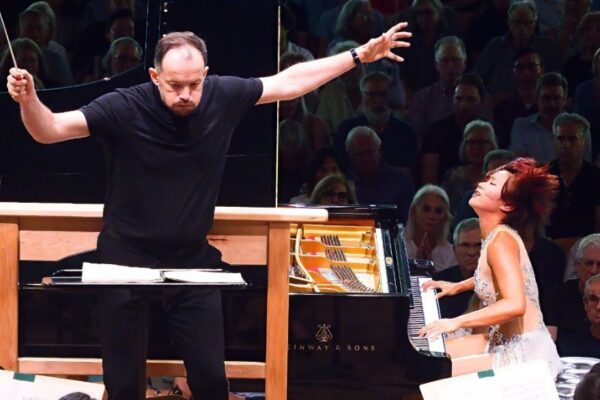
Yuja Wang slayed in this performance of Prokofiev‘s 2nd piano concerto with the Boston Symphony.
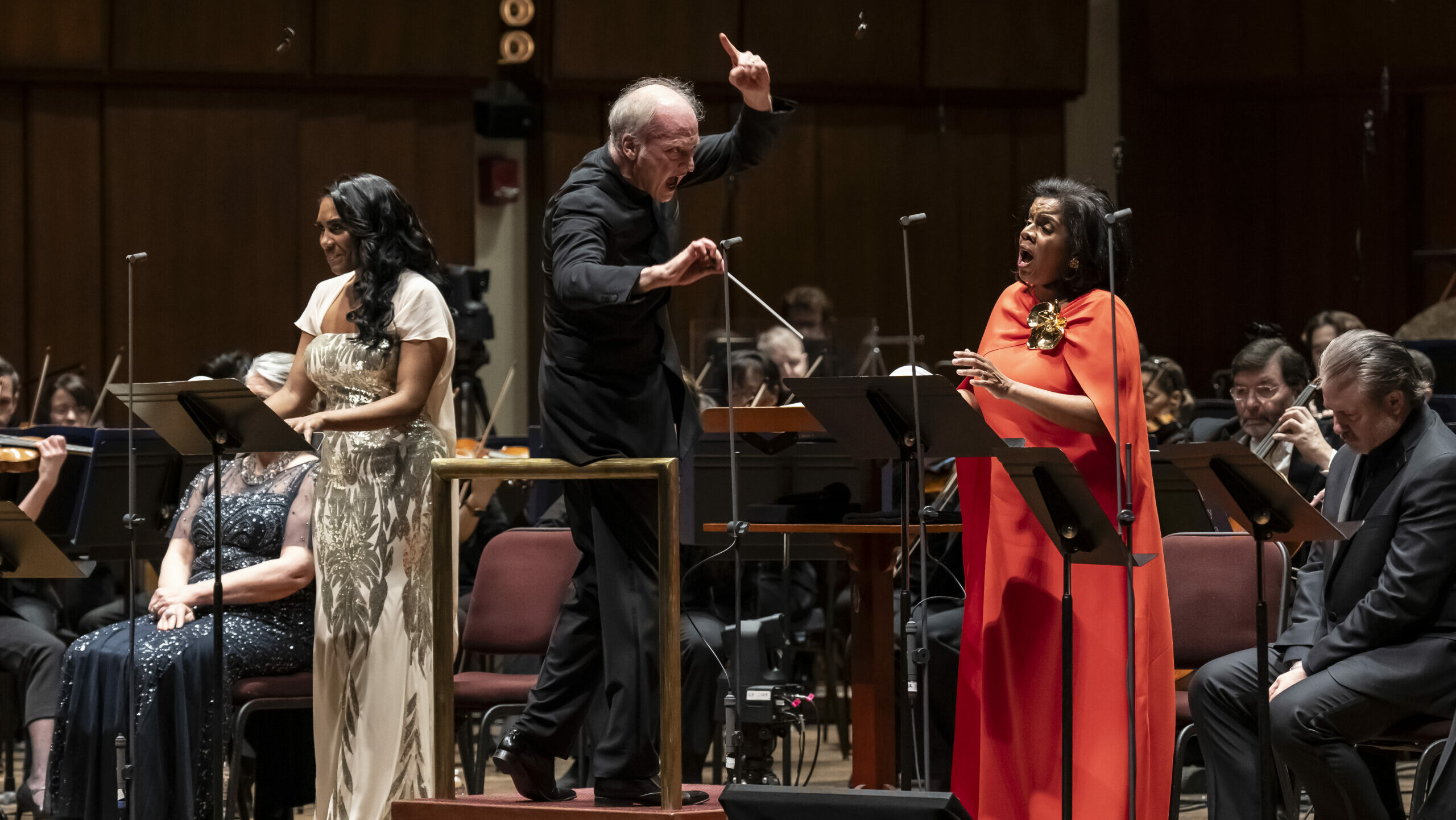
“Let me look around once more. Who knows when I shall see this house again?”
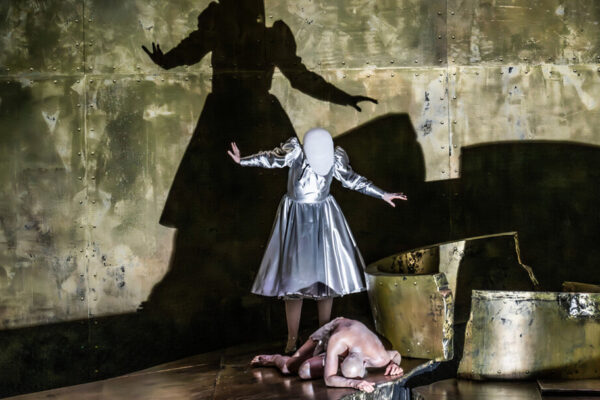
Many productions have emphasized Salome’s youth, but few have gone as far as this spectacular and visceral production at the Komische Oper by Evgeny Titov.
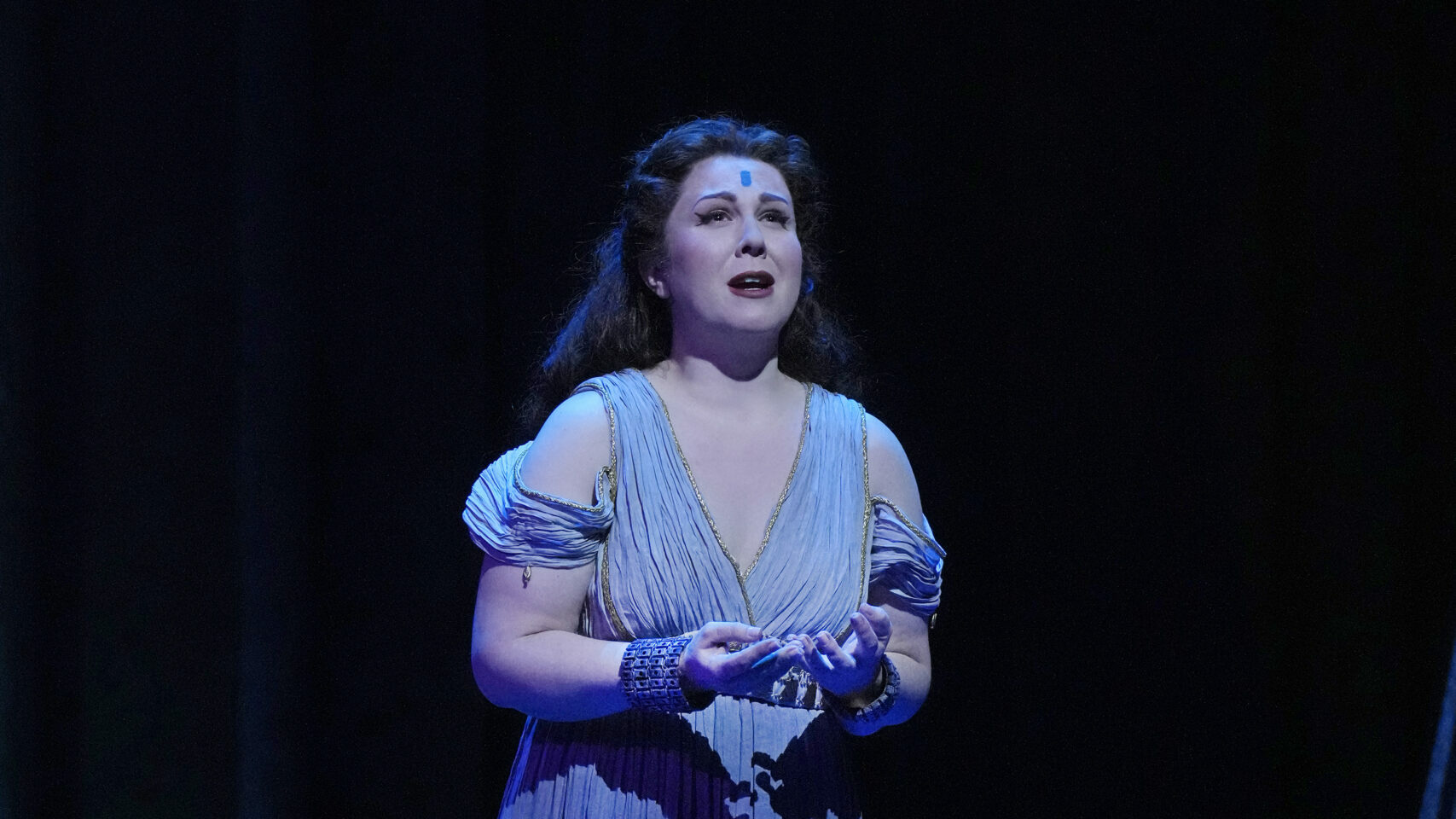
Christina Nilsson‘s successful Met debut as Aïda was for me one of the shining highlights of the 2025 season.
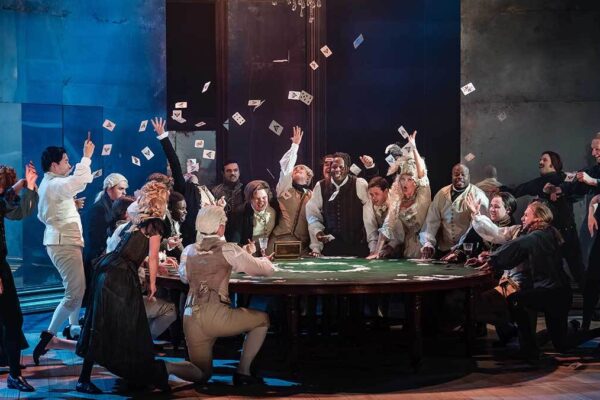
Garsington’s new production of The Queen of Spades, directed by Jack Furness, had better become a house staple.
Tell us: What’s your favorite Verdi performance?
Hasten thee to feed another quarter of conversation for The Talk of the Town!