
His cup runneth over
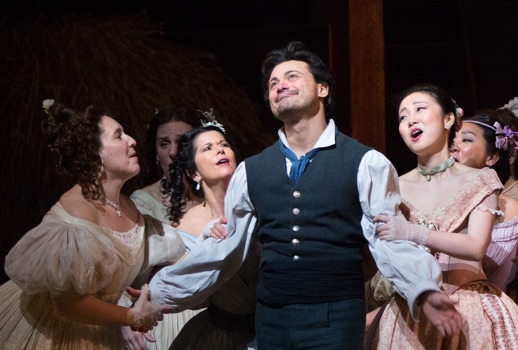
As portrayed by Vittorio Grigolo, Nemorino was a manic self-absorbed, probably bipolar, stalker who—against all odds and good sense—gets the poor girl.
As portrayed by Vittorio Grigolo, Nemorino was a manic self-absorbed, probably bipolar, stalker who—against all odds and good sense—gets the poor girl.
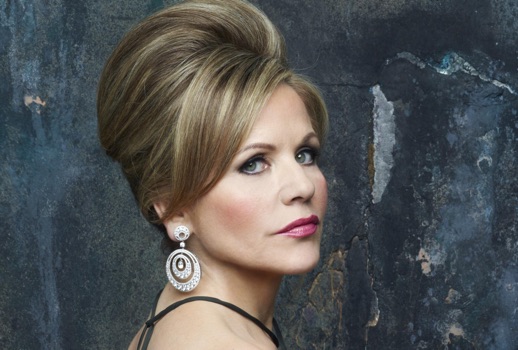
If I were Renée Fleming, I, too, would indulge myself.
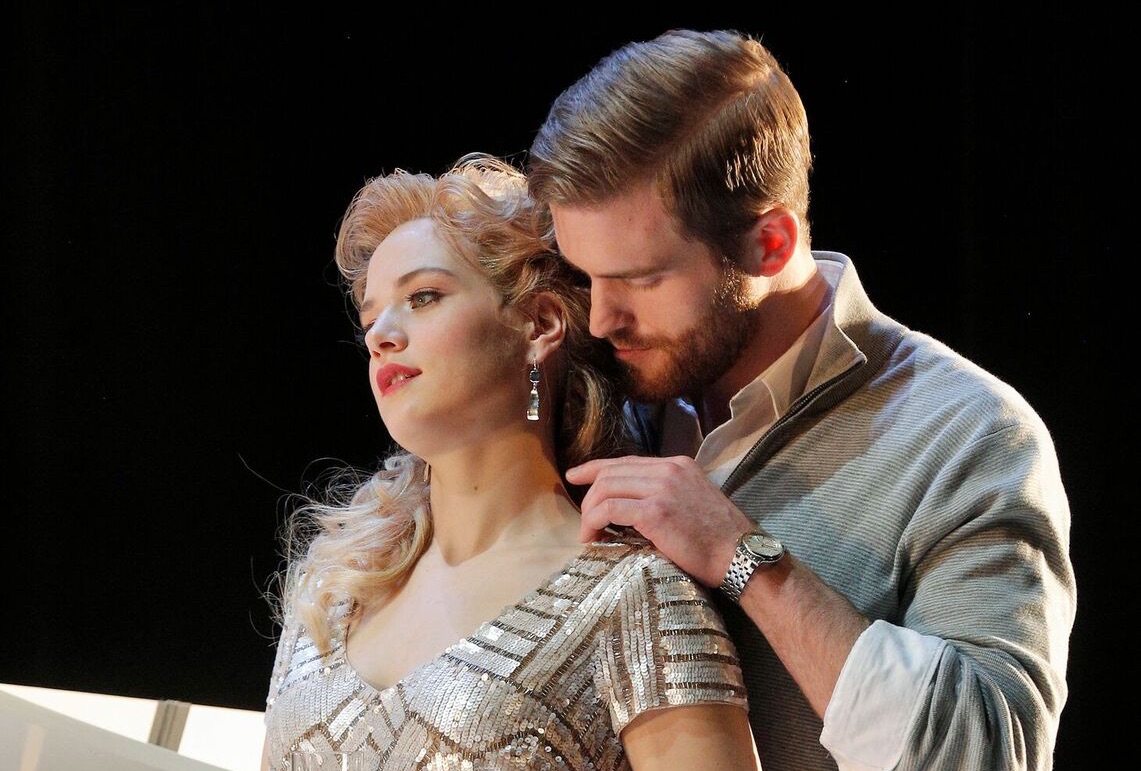
Capriccio was a great pleasure on Friday night, March 4. This was a co-production of Opera Philadelphia and The Curtis Institute, presented in the intimate Pearlman Theater at the Kimmel Center.
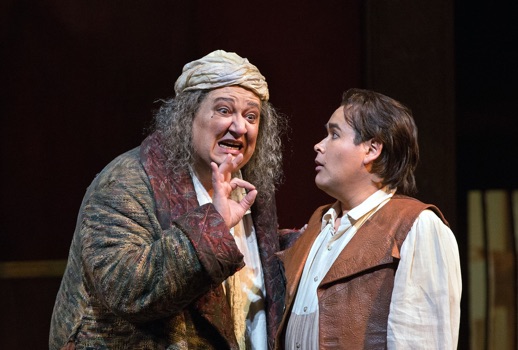
These days a cadre of voluble opera-goers regularly issues dire warnings that anyone about to attend this or that production at the Met should close her eyes and just listen rather than witness yet another Peter Gelb regie “atrocity.”
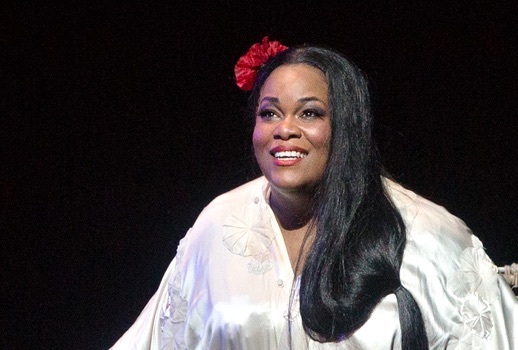
Anna Netrebko and Latonia Moore (pictured) rekindle “The Grand Opera Buzz.”
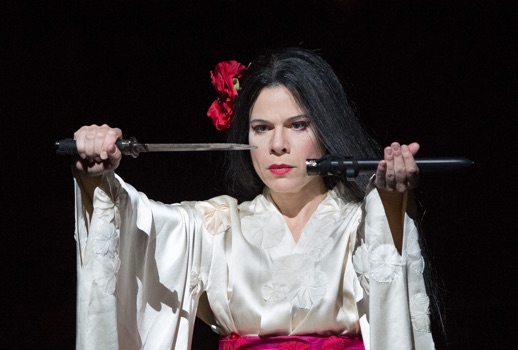
“Friday night’s triumph may well leave the Met’s management wondering how it let such a gem slip through its fingers.”
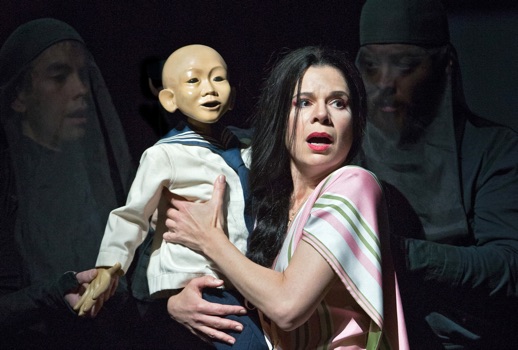
Ana Maria Martinez’s tremendously impressive Cio-Cio-San dominated the season premiere of Puccini’s Madama Butterfly at the Met.
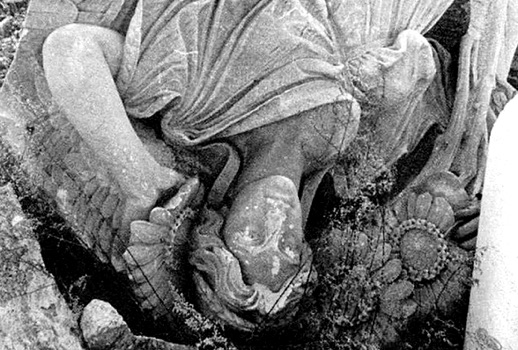
“Mr. Eyre’s production… was just another in a series of ugly, gargantuan stagings signaling the Met’s endemic lack of imagination or artistic ambition.”
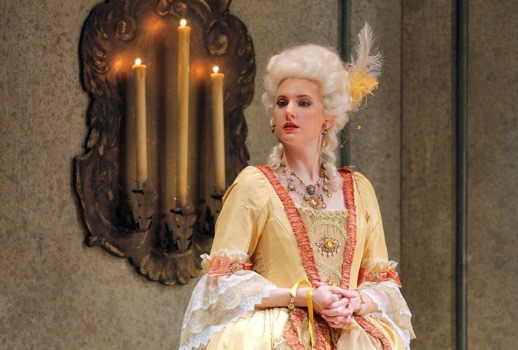
This was a Rosenkavalier that aspired to excellence and almost achieved it.
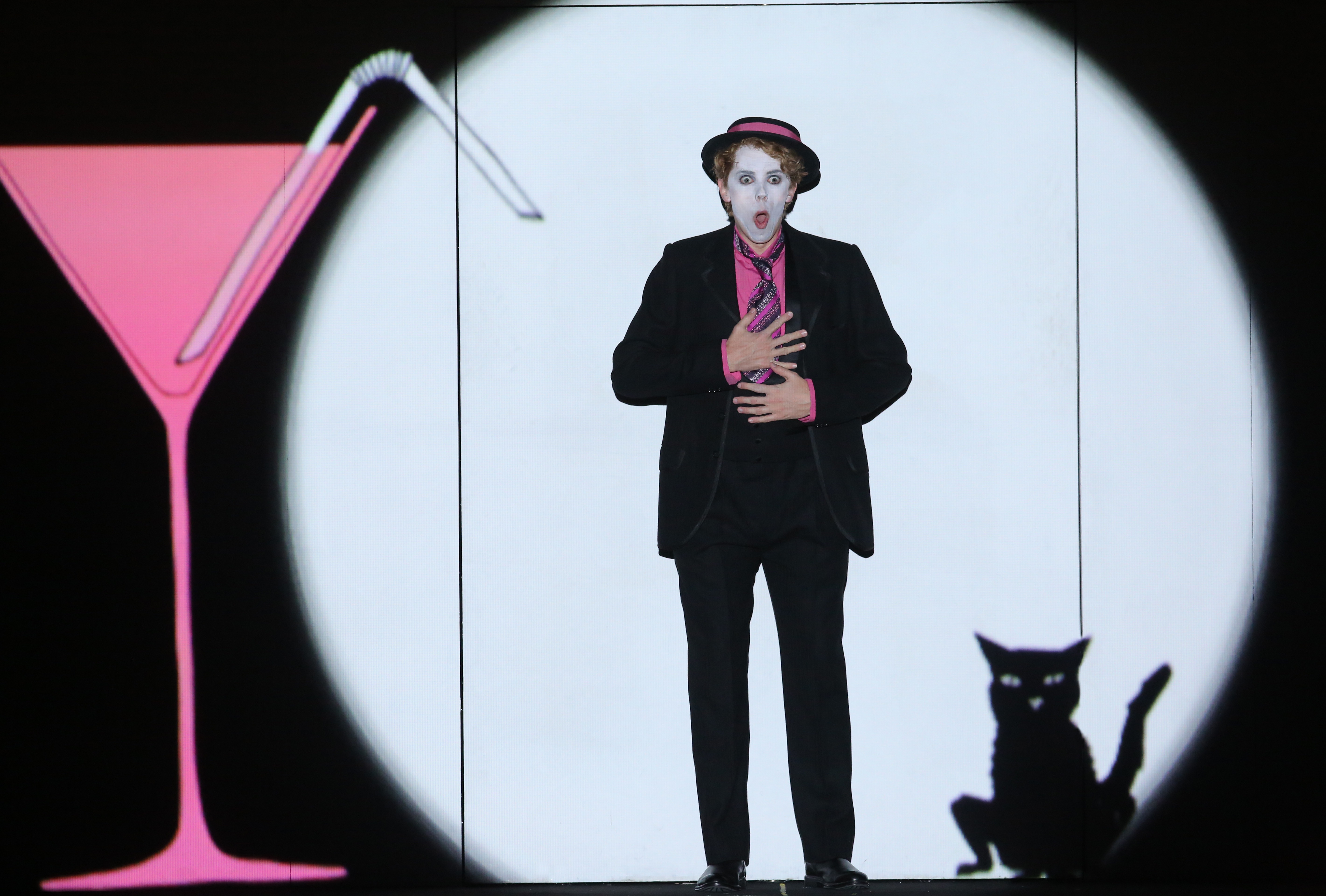
The revival of Mozart’s The Magic Flute at the Music Center downtown, last seen at LA Opera in 2013, is reason for jubilation for everyone except perhaps the singers engaged.
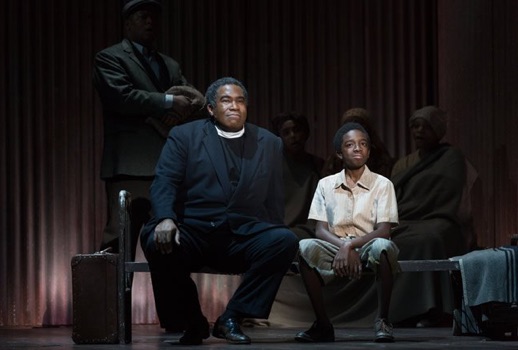
Kurt Weill and Maxwell Anderson’s 1949 musicalization of Alan Paton’s Cry, the Beloved Country has found a tentative home on the opera stage.

Sir Richard Eyre’s new Manon Lescaut at the Met Friday night demonstrated no particular aptitude for opera.
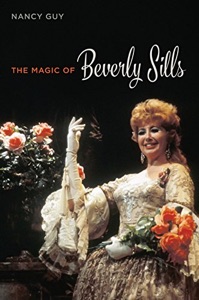
Ms. Guy goes into detail about what made Sills a “magic” performer, recounting reactions of people across an extraordinarily broad socio-economic spectrum who discovered their love of opera and singing through her.
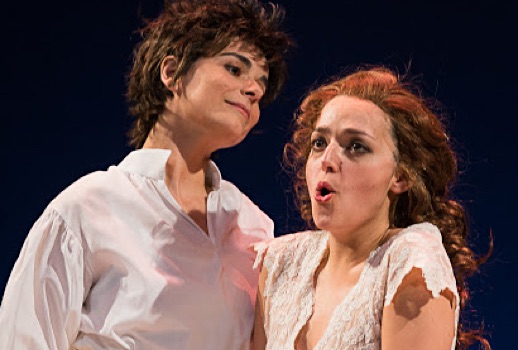
The concert presented by Opera Lafayette at the Alliance Française last Friday and Saturday was devoted to music of witty, short-lived Emmanuel Chabrier, notably Une Éducation Manquée.
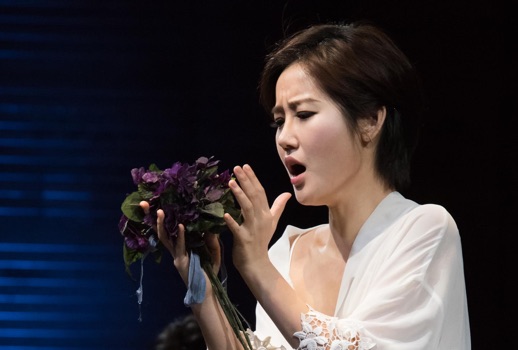
Bellini blossomed over us like a love fest.
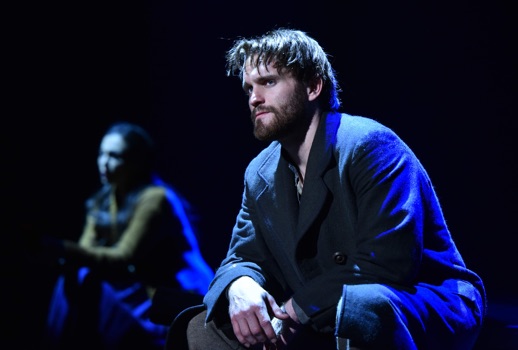
Jarrett Ott is a star. That is the only surprise takeaway from the well-intended snore, Cold Mountain.
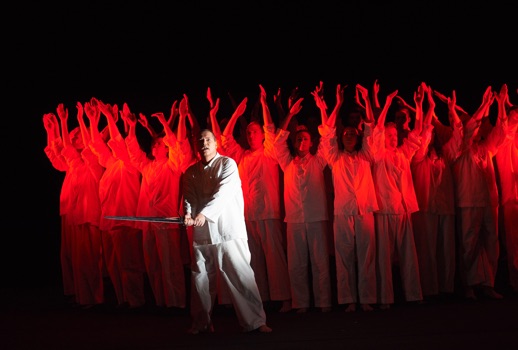
First seen in 2005, Siegfried makes a welcome return as a stand-alone production this season.

Washingtonians enjoyed a happy reunion this past Sunday with David Daniels.

Friday’s season premiere at the Met of Donizetti’s opera about the doomed Scottish queen proved surprisingly satisfying and a genuine success for Sondra Radvanovsky.

Live recordings of Hans Knappertsbusch conducting Parsifal seem to proliferate like stairways in M.C. Escher prints.

A woman reads from the Bible. There is a dance scene in a tavern. The discovery of blood gives away the protagonist.
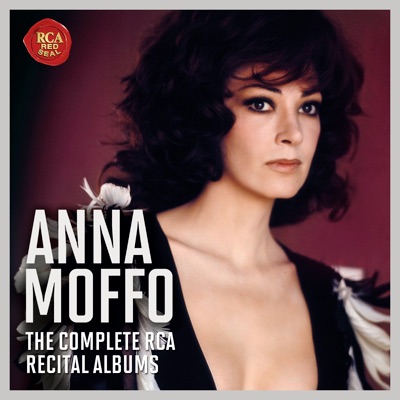
Anna Moffo made some of the most entrancing records ever. Their appeal is to “voice fanciers.” (I understand. We’re a despised group.) But Moffo’s best work renders us helpless.

When Maestro Carlo Rizzi lifted his baton and began leading the Lyric Opera Orchestra in a stirring, detailed account of the overture to Nabucco, the electrified audience knew we were in for an exciting evening of music making.

A “lone voice in the wilderness” booed Barbara Frittoli’s calamitous Nedda.
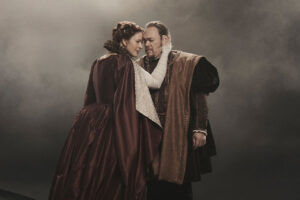
Quinn Kelsey and Lise Davidsen star in the Met's new Macbeth. We're giving away one ticket, so screw your courage to the sticking place and enter now!

The days are getting shorter, but you can keep the prattle going this fall’s Talk of the Town! You will, you can, you must join in the discussion about: Great mezzo soprano performances (October),
Gained in translation (November), Teleport me back to… (December).
Exclusive opera reviews, commentary, and top reads
delivered to your email weekly…ish.