

The winter 2014 final run of the Met’s first/only Rusalka production (a new one is scheduled in a few seasons) seemed both a nod to the theater’s past and a hint of its future.

The production by Sebastian Baumgarten is the type of regietheater that’s not a rethinking or reconstruction, but just a hot mess.
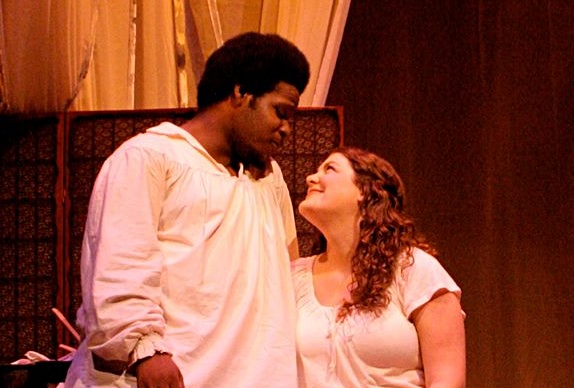
Homer, inspired by many a muse, sang not of sequels to his Iliad.
In just two years, Brooklyn’s LoftOpera has rapidly established itself as a bracing, essential addition to New York City’s musical life.

Few new operas have received the near-unanimous acclaim that has greeted Written on Skin since its first performance at the 2012 Aix-en-Provence Festival.

Anja Silja staked a claim as a leading Senta of her era with a series of searing performances of Der Fliegende Holländer while in her early twenties.
You might be surprised, though, when that title turns out to be Show Boat.
Another month, another La Traviata release on video.
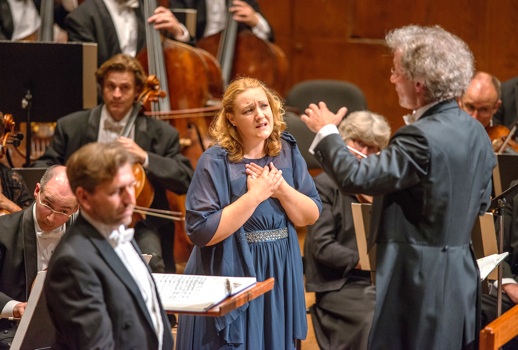
Richard Strauss’s many one-act operas make excellent concert programs, both for their length (usually under two hours) and the primary place each gives the orchestration, a specialty where Strauss’s brilliance seldom deserted him.

I was once accused—by my own mother, mind you!—of having too many recordings of Verdi’s Aida. The blistering audacity of that recrimination did get me to thinking: How many recordings of Aida is too many? I mean, you’ve got the old classic you cut your teeth on. Then there’s he one where the tenor and…
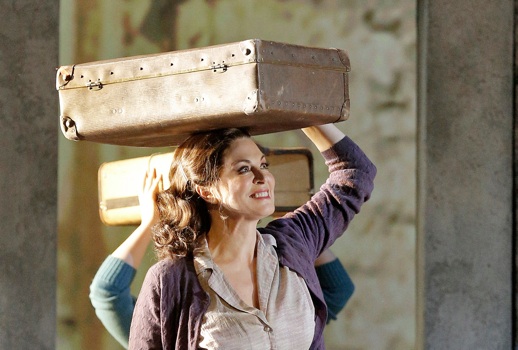
Three blocks from the opera house is a terrible time to realize there was homework.

I have an idea (soon to be angrily debunked in the comments section) that Le nozze di Figaro is rarely a source of unalloyed bliss to the chronic operagoer.
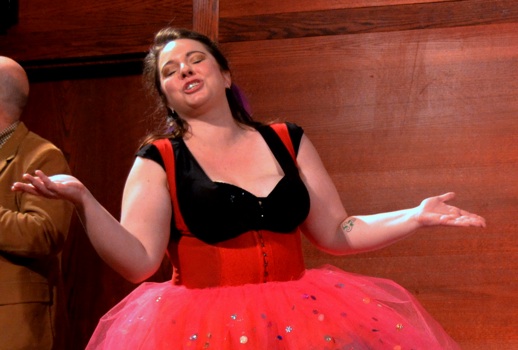
For instance, the mule is more intelligent and more patient than its parents the horse and the donkey.

Poor Paisiello. Out of the nearly 100 operas written by this industrious composer just one was generally regarded as a masterpiece.
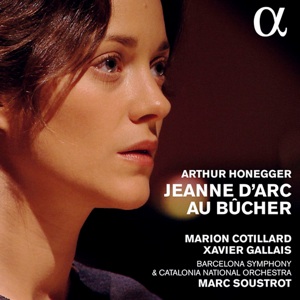
Tonight’s program at the New York Philharmonic, Arthur Honegger’s massive oratorio dramatique Jeanne d’Arc au Bûcher, has been an occasional visitor to the orchestra’s repertoire starting with the performance conducted by Charles Munch in January of 1948.
“Disciplined and intelligent.”

It is easy to become overly identified with opera—as a cleverer friend of mine once noted: being a sports fan is an interest, but if you like opera, everyone thinks of it as a crippling obsession.
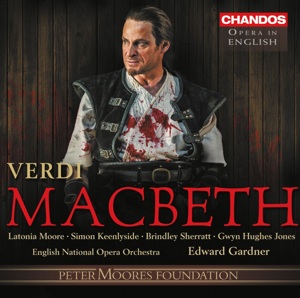
I’m a long-time fan of the Opera in English series funded by The Peter Moores Foundation that started, fittingly enough, with conductor Reginald Goodall’s performances of Wagner’s Ring cycle recorded live from the London Coliseum and released by EMI
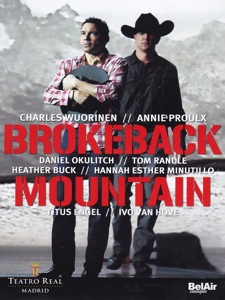
Beginning with the dark, ominous music of the prelude of Charles Wuorinen and Annie Proulx’s opera Brokeback Mountain, we know we are in for a very different and far less sentimental version of the work than was had with Ang Lee’s iconic 2005 film.

Töt erst sein Weib!” shrieks Anja Kampe as Leonore during the very first moments of Andreas Homoki’s ingenious production of Beethoven’s only opera, Fidelio, at Opernhaus Zürich.
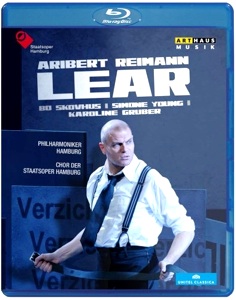
Aribert Reimann’s 1978 opera Lear, based of course on Shakespeare’s titanic tragedy King Lear, is a major achievement in modern operatic scoring.
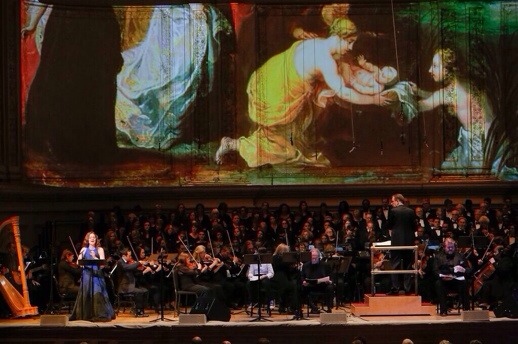
The creation of Kurt Weill’s The Eternal Road and its lately remodeled avatar, The Road of Promise, boiled down and premiered at Carnegie Hall Wednesday night by the Collegiate Chorale and the Orchestra of St. Luke’s, was an intricate process, far more interesting than the work itself.
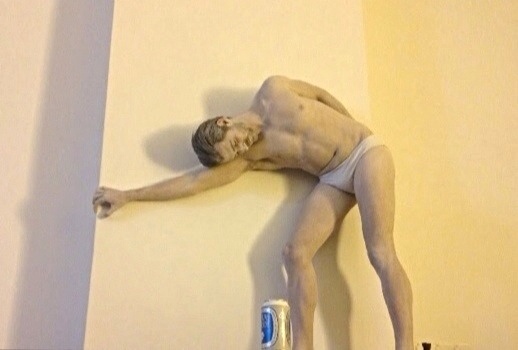
Our Own JJ reviews Orlando and Early Shaker Spirituals in the Observer.
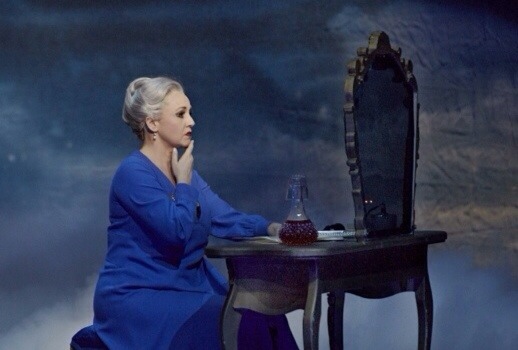
It will come to no surprise to followers of the direction of Stefan Herheim (or to readers of La Cieca’s gushing fangirl appreciations of his work) that his Stuttgart production of Der Rosenkavalier was as “delightfully busy” as we have come to expect.
Tell us: What’s your favorite Verdi performance?
Hasten thee to feed another quarter of conversation for The Talk of the Town!

