Daggers are a thane’s best friend
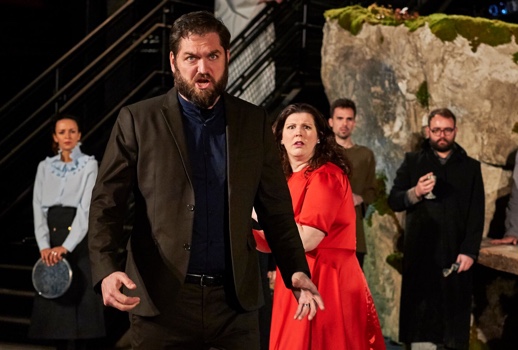
How often do you hear Macbeth with four really good singers in its four big roles?
How often do you hear Macbeth with four really good singers in its four big roles?
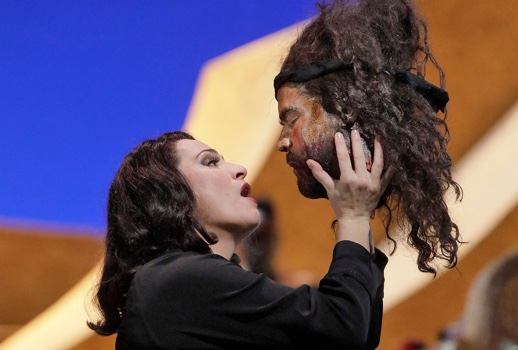
I can think of no other role that provides the most unique promise of humiliation, and consequently the most opportunity for glory.
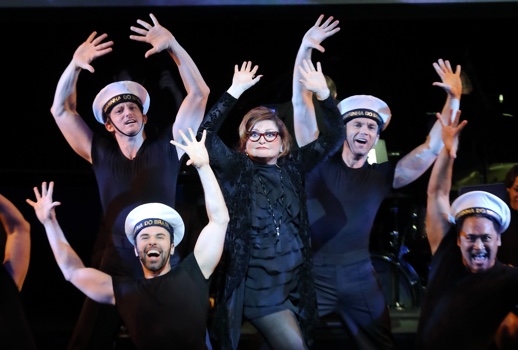
L.A. Opera offered an inspired concert staging of Leonard Bernstein’s musical-comedy bouquet to New York, Wonderful Town.
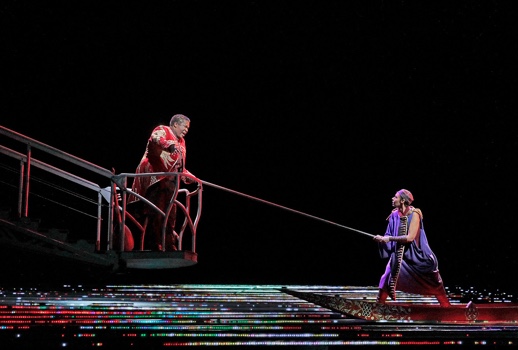
Much like Wagner’s Tristan und Isolde, which launched the Met’s 2016-2017 season, Kaija Saariaho’s L’Amour de Loin is an opera about love and death.
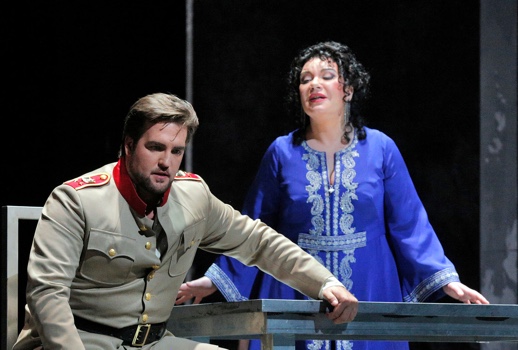
It is a good rule of thumb that if you emerge from a massive grand opera like Aida feeling any less than overwhelmed, you have a right to be somewhat disappointed.
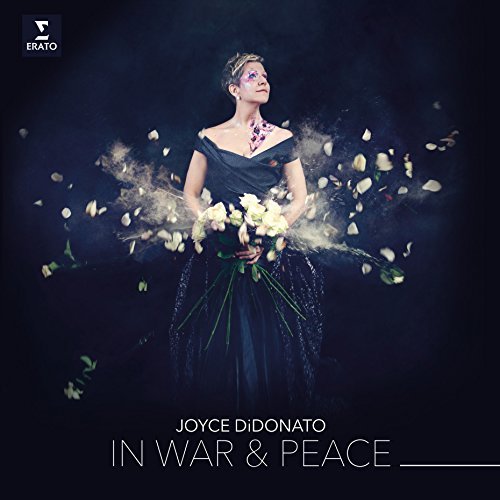
Joyce DiDonato’s atest album, In War & Peace: Harmony through music, is more specific than it sounds.
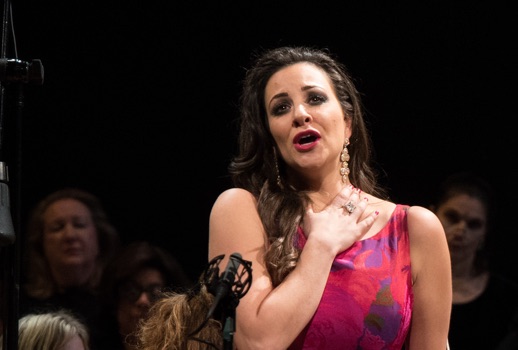
Operatic history can be cruel where multiple works with the same subject are concerned
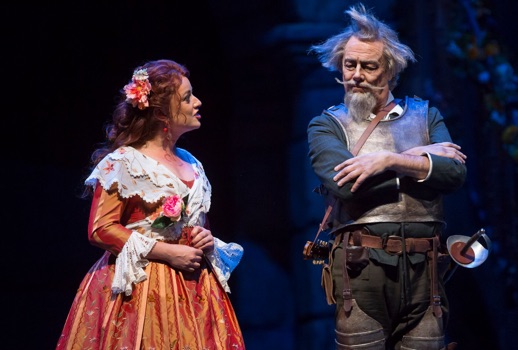
Like our beloved Cubs, Chicago Lyric Opera is in the midst of a championship season.
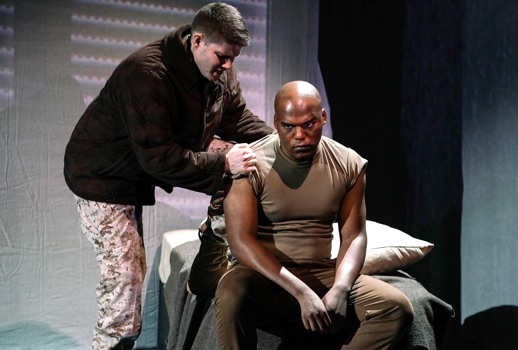
Last evening’s scorching performance of Fallujah by the New York City Opera demonstrated that sometimes impact is not limited by physical proximity.
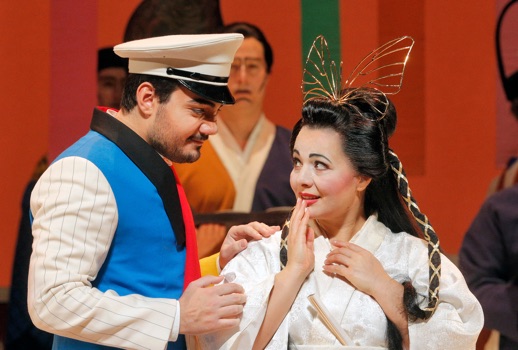
In one important respect, a great production of Puccini resembles a great production of Wagner.
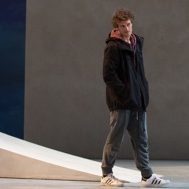
Jonathan Dove’s Flight is an opera that makes excellent use of setting.
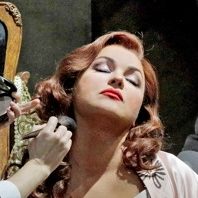
Anna Netrebko‘s Manon was deeply unforgettable for its wide scope, control, and incredible virtuosity.
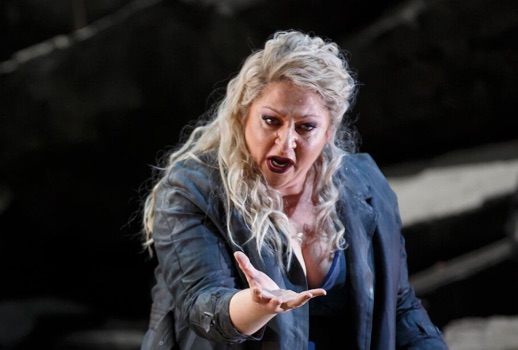
Lyric Opera of Chicago rose to the challenges mightily in its first-ever performance of Les Troyens.
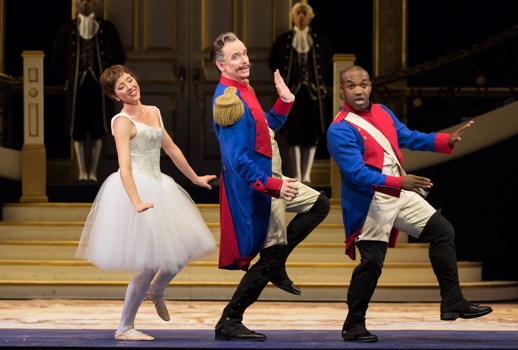
Washington National Opera offered a shellshocked D.C. some much-needed diversion Saturday night, with a new production of La Fille du Regiment.
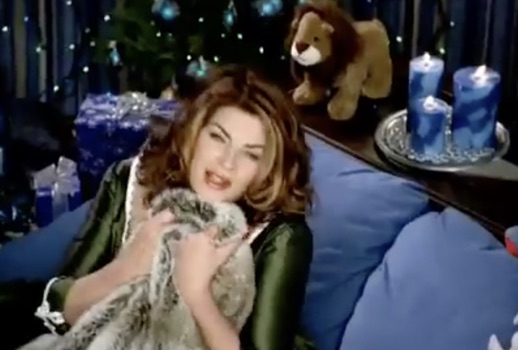
The celebrated ‘Triumph’ scene… borders on homoerotic porn.
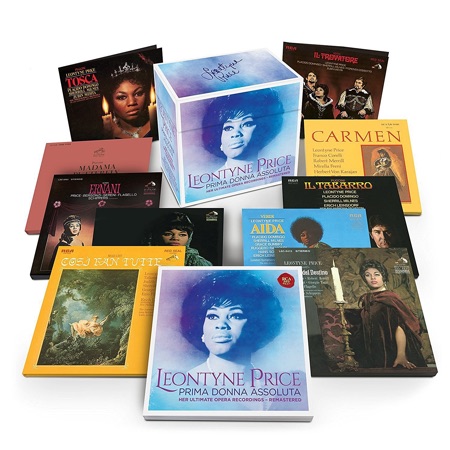
Sony Classical has now released “Leontyne Price Prima Donna Assoluta” containing nearly her entire operatic oeuvre in a box set.
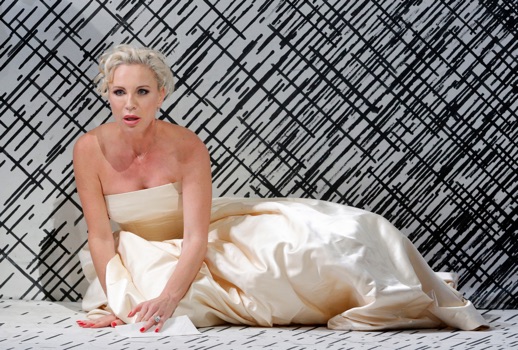
Janácek’s disconcerting commentary on youth and immortality received a full-throated performance.
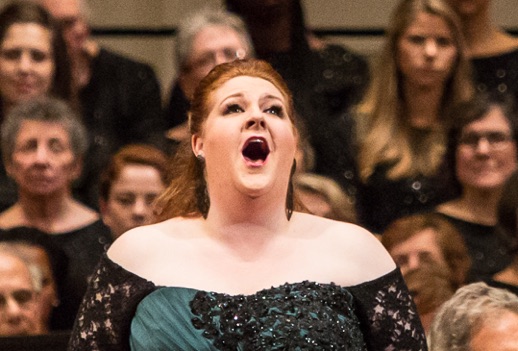
The 2016 Richard Tucker Award recipient is Tamara Wilson.
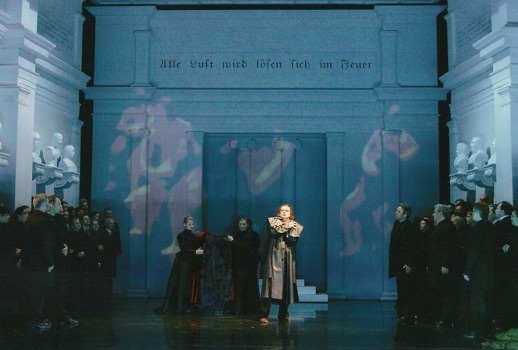
Seville bills itself as the “City of 150 operas,” and celebrated this fact at the Exposition of 1992 by erecting a magnificent new opera house, the Teatro de la Maestranza, right beside the Plaza de Toros.
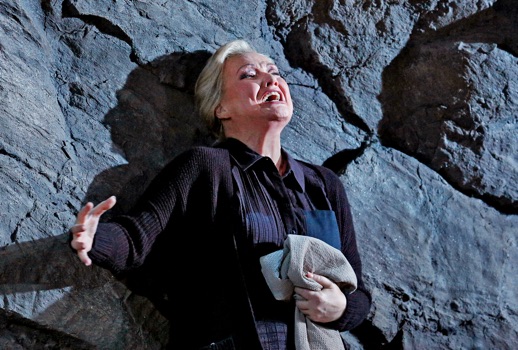
The centerpiece of Janácek’s Jenufa was the performance of Karita Mattila as the murderous Kostelnicka.
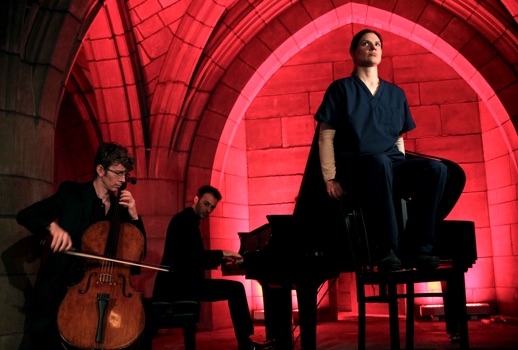
>The Crypt Sessions, in collaboration with On Site Opera, presented the world premiere of Gregg Kallor’s The Tell-Tale Heart
“Take a good deal of trouble with it, because it is a fine subject, delicate and full of pathos.”
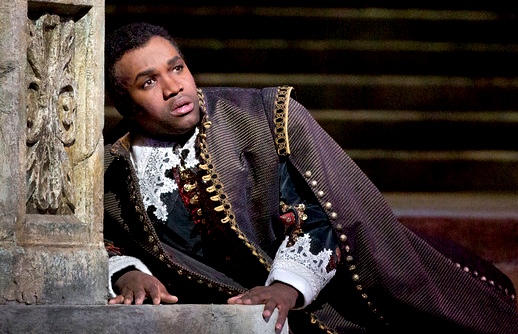
The good news is that the first concert was devoted to the exceptional artistry of Lawrence Brownlee.

The UK’s first-ever production of Poliuto, now available from Opus Arte on DVD, set the lions of Rome among the lambs of Glyndebourne.

The days are getting shorter, but you can keep the prattle going this fall’s Talk of the Town! You will, you can, you must join in the discussion about: Great mezzo soprano performances (October),
Gained in translation (November), Teleport me back to… (December).
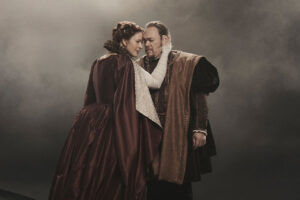
Quinn Kelsey and Lise Davidsen star in the Met's new Macbeth. We're giving away one ticket, so screw your courage to the sticking place and enter now!
Exclusive opera reviews, commentary, and top reads
delivered to your email weekly…ish.