
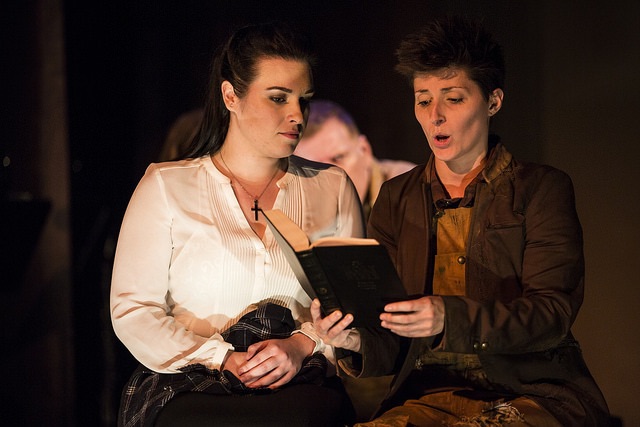
The opera Patience and Sarah is a fantastic example of radical creativity.
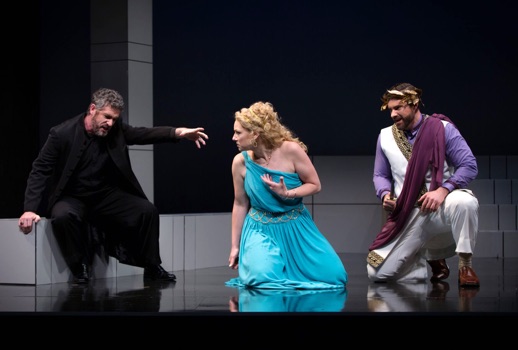
Ezio was an inspired choice for Boston’s feisty Odyssey Opera to open its “When In Rome” festival.
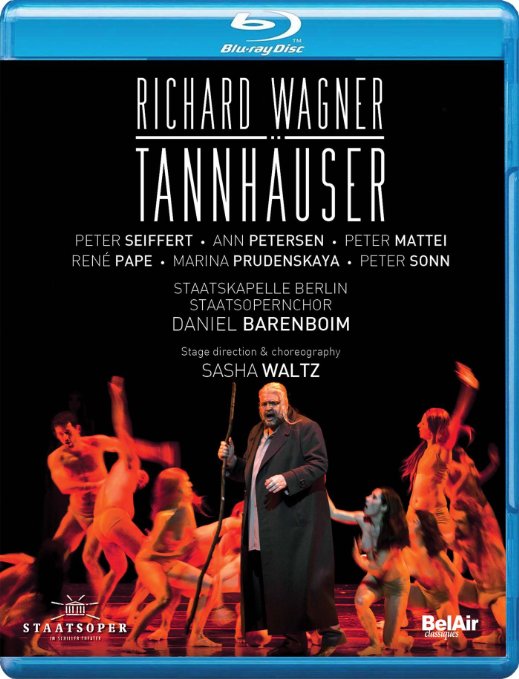
Richard Wagner viewed dance as an essential element of art, though he used it sparingly in his operas.
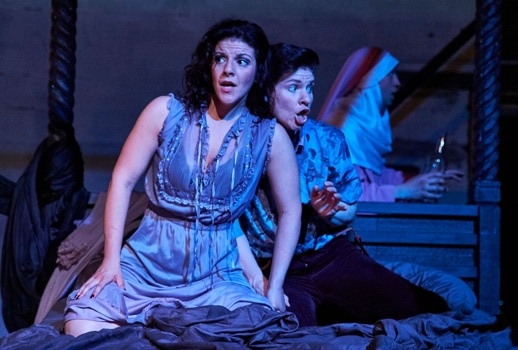
LoftOpera offered an unusually satisfying, immensely entertaining production of Rossini’s scintillating portrait of an inveterate seducer.
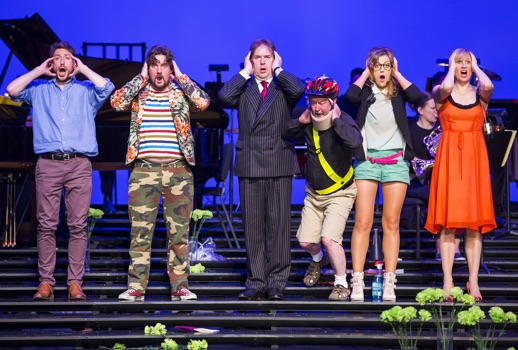
Have you ever had the unfortunate experience of listening to someone tell a joke badly?
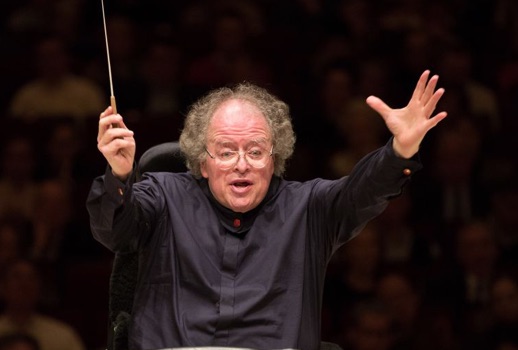
“Mr. Levine was conducting his beloved Wagner for what was almost certainly the last time.”
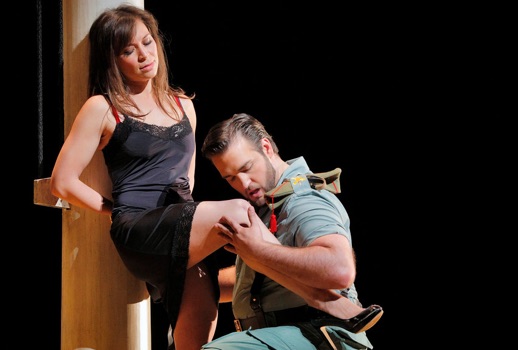
The big news on Van Ness Avenue, it goes without saying, is Calixto Bieito’s operatic debut on these shores.
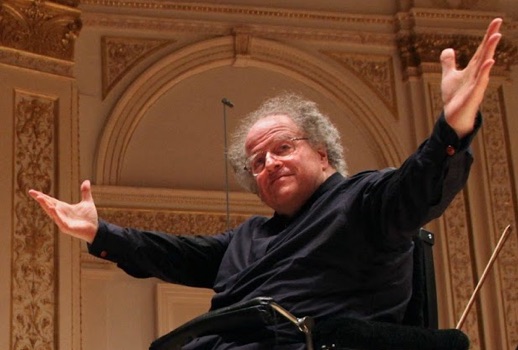
I can scarcely remember a performance where so many conflicting thoughts raced through my mind as happened Thursday night during the Met Orchestra’s “bleeding chunks” of Wagner’s Ring at Carnegie Hall.

“Has anyone ever seen a truly great production of this opera?”
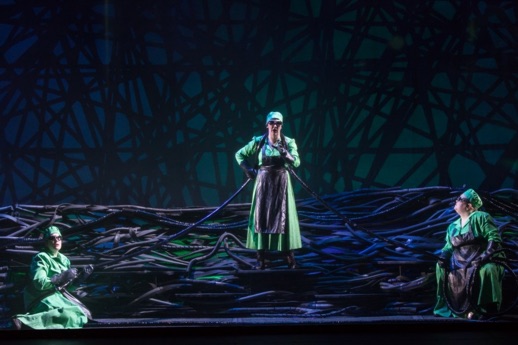
Washington National Opera’s first Ring Cycle came to a bittersweet conclusion this past Sunday, closing the door on an extraordinary three weeks in the opera house and a remarkable musical and theatrical achievement for the company.
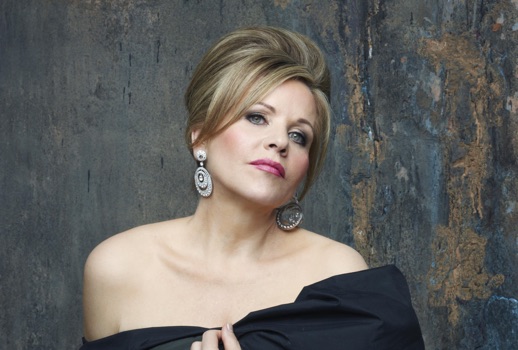
Sunday afternoon’s all-Richard Strauss concert served as a de facto commemoration of the 25th anniversary of the debut of Renée Fleming, long one of the house’s biggest stars.
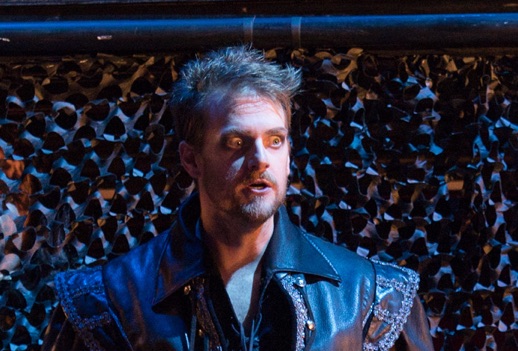
The grand illusion is that we know it all. From four hundred years of opera, we’ve distilled the worthy survivors.
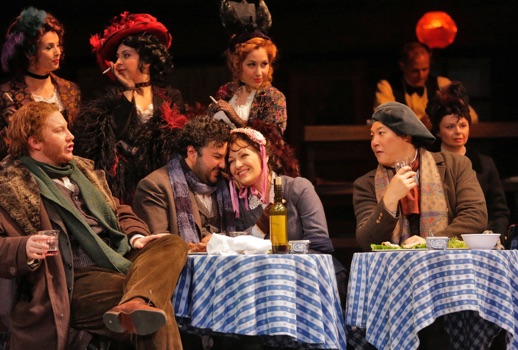
Los Angeles saw the first U.S. performance of Giacomo Puccini’s snow-dusted weeper in 1897 just a year after the young Toscanini led the prima in Turin.
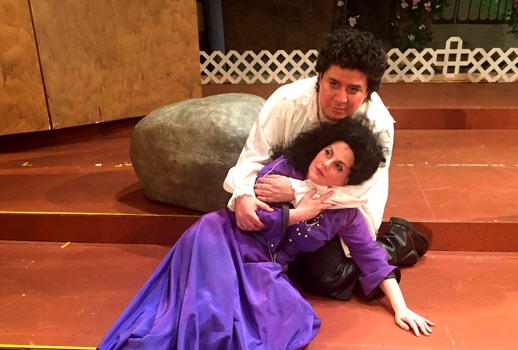
Regina Opera almost completely fulfilled its mission Saturday afternoon with their production of Manon Lescaut.
What we really need, some seem to believe, is fuller representation of the 19th century.
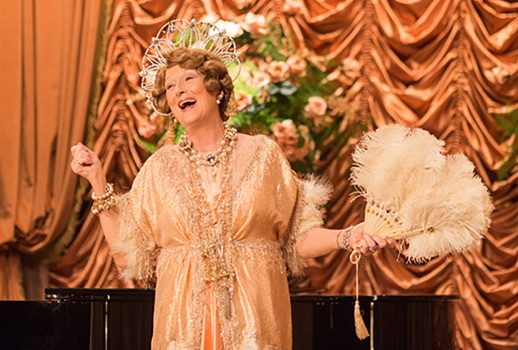
A biopic entitled Florence Foster Jenkins, marvelously directed by Stephen Frears of Philomena and The Queen fame, stars the actress that never ceases to amaze us all, Meryl Streep, as Mme. Jenkins.
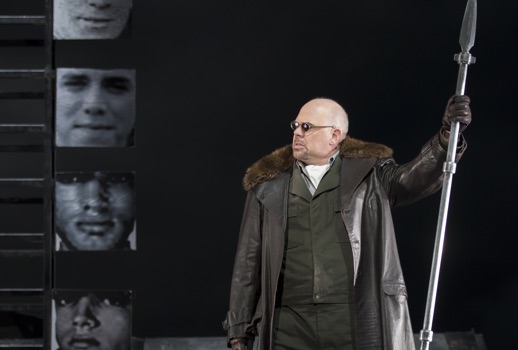
WNO’s first complete Ring Cycle continued Monday evening with a revamped version of the Die Walküre first seen at the Kennedy Center in 2007.
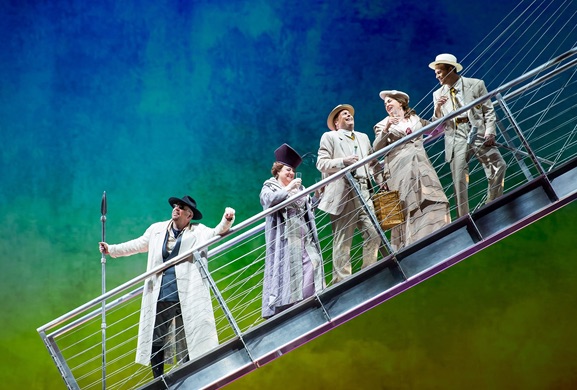
Happily, this Rheingold, which returned to the Kennedy Center Saturday night to open the first of three complete cycles, has been shorn of its clumsier gestures.

Giuseppe Verdi was so unhappy with the first production of his Giovanna d’Arco at La Scala in 1845 that he swore an oath to himself that he would never entrust that theatre with a prima again.
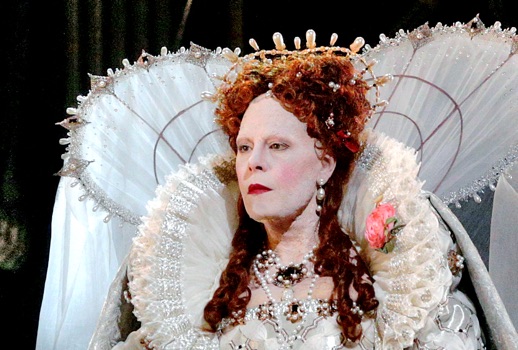
This season’s Met Donizetti Tudor Trilogy concluded with Roberto Devereux, given its penultimate performance by HD transmission Saturday, April 16. It is good to see these works finally given here; they are too important, too crucial a part of the operatic repertory to have been ignored for as long as they have.
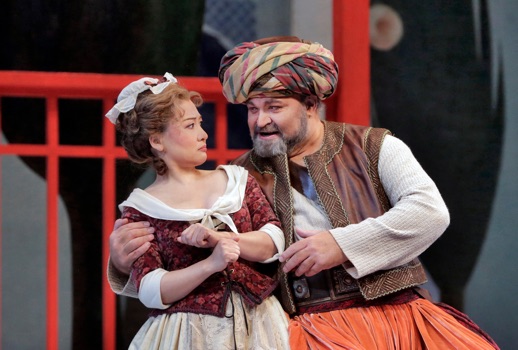
The no-star, slapstick revival of John Dexter’s 37-year-old production of Mozart’s Die Entführung aus dem Serail that opened Friday night proved James Levine’s tenure as Music Director of the Met will end in two weeks with neither a whimper nor a bang.
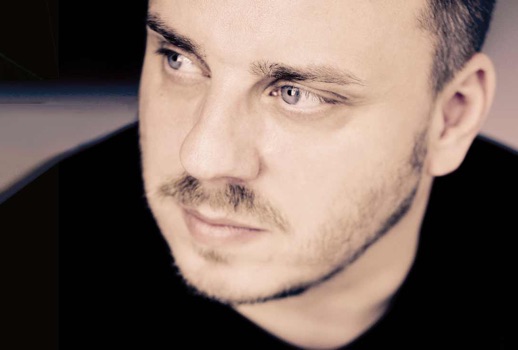
To be honest, I have never seen anything quite like Matthias Goerne in recital. He seemed so wonderfully free.
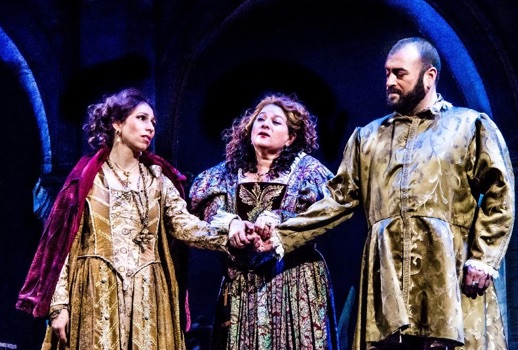
With six leads in Gioconda, you can reliably hope that three or four will be worth listening to, or why would they have revived the opera?
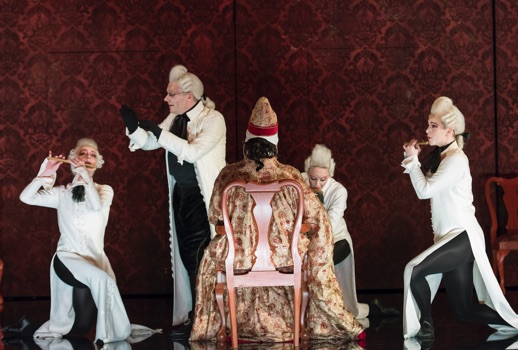
I was, to my astonishment, quite bored.
Tell us: What’s your favorite Verdi performance?
Hasten thee to feed another quarter of conversation for The Talk of the Town!

