
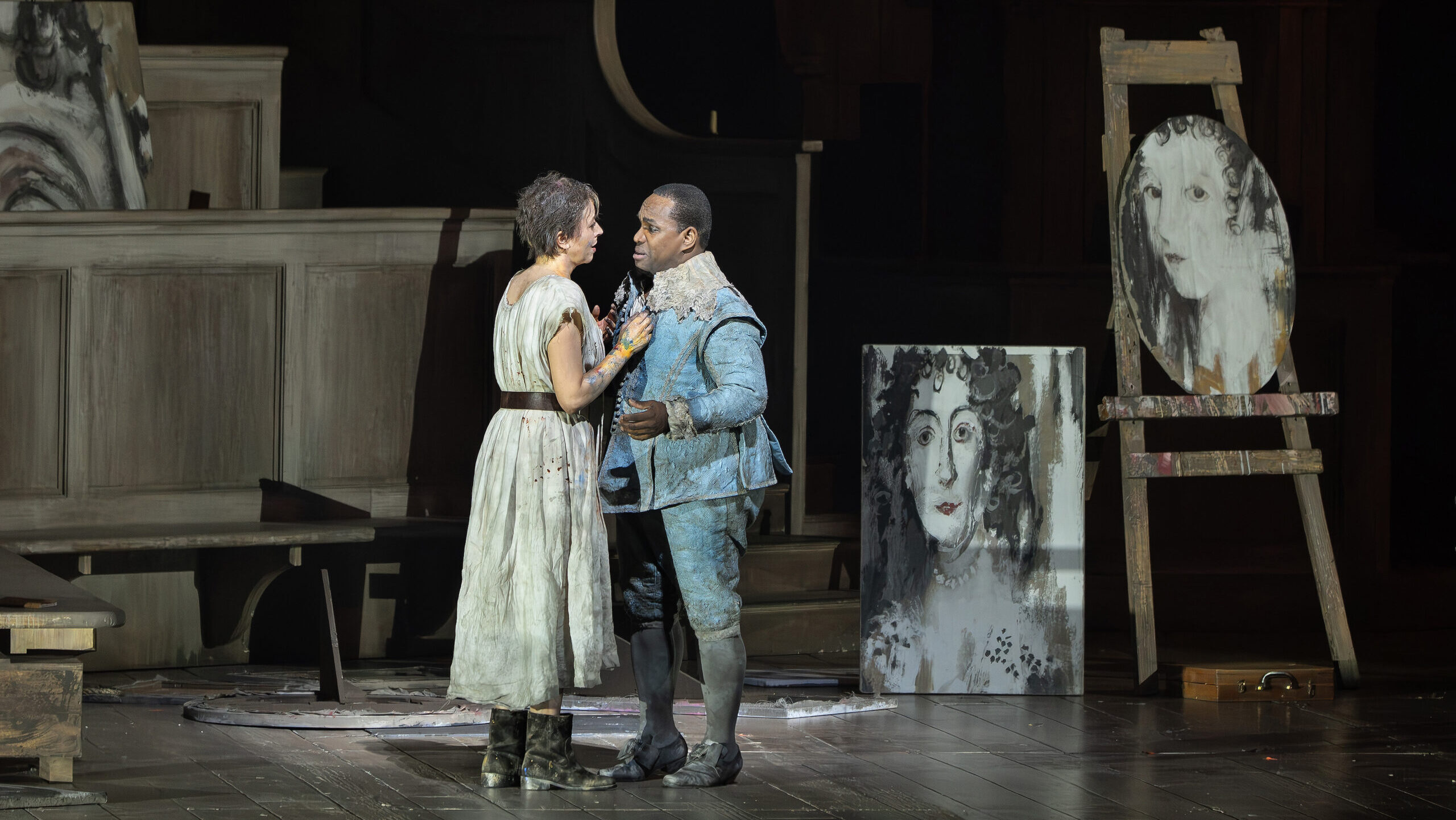
Doublet trouble
A messy new I puritani at the Met is a historic and historical disappointment.
A messy new I puritani at the Met is a historic and historical disappointment.
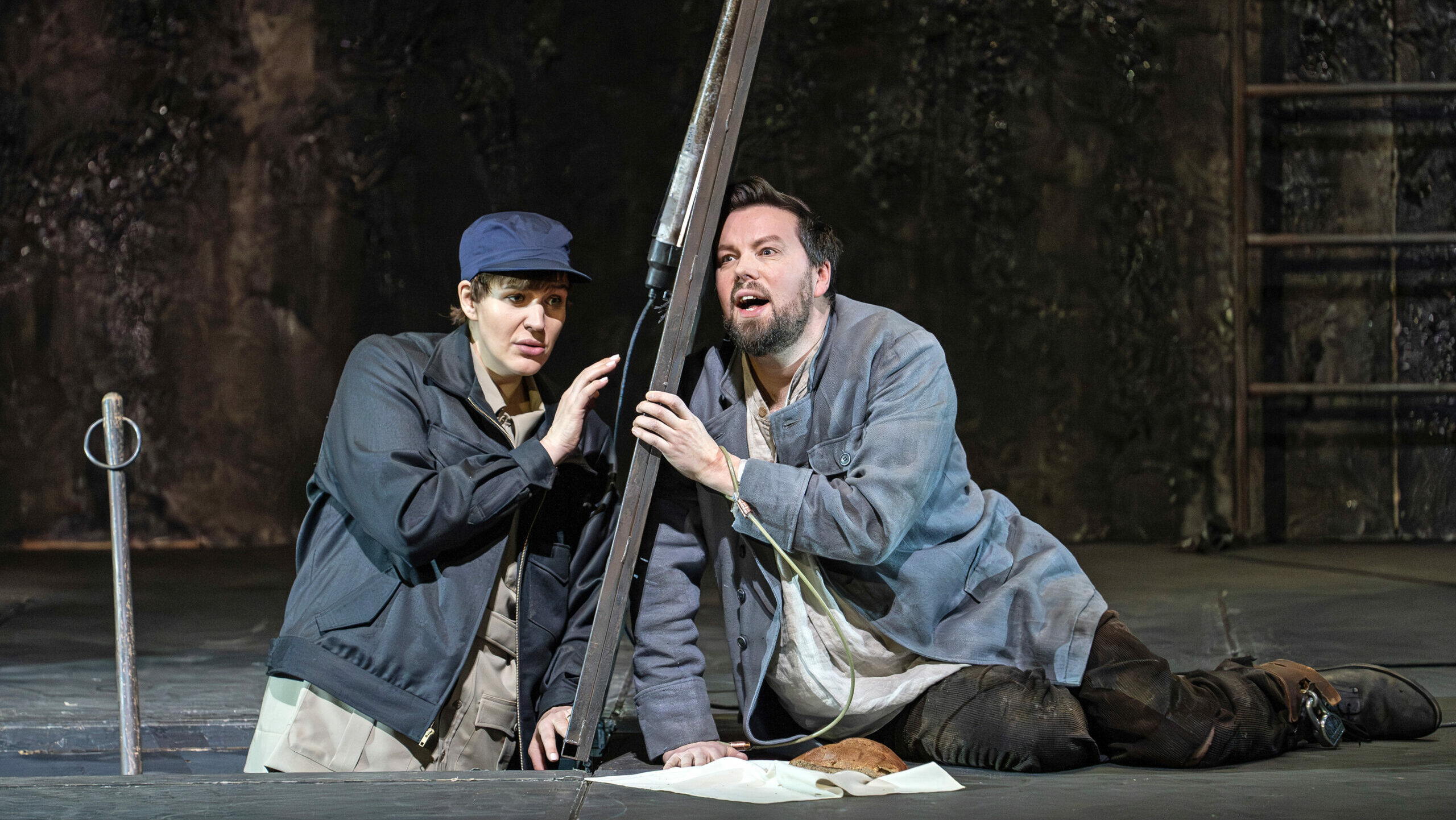
Fidelio, which opened last week at the Metropolitan Opera, will always be relevant, I fear.
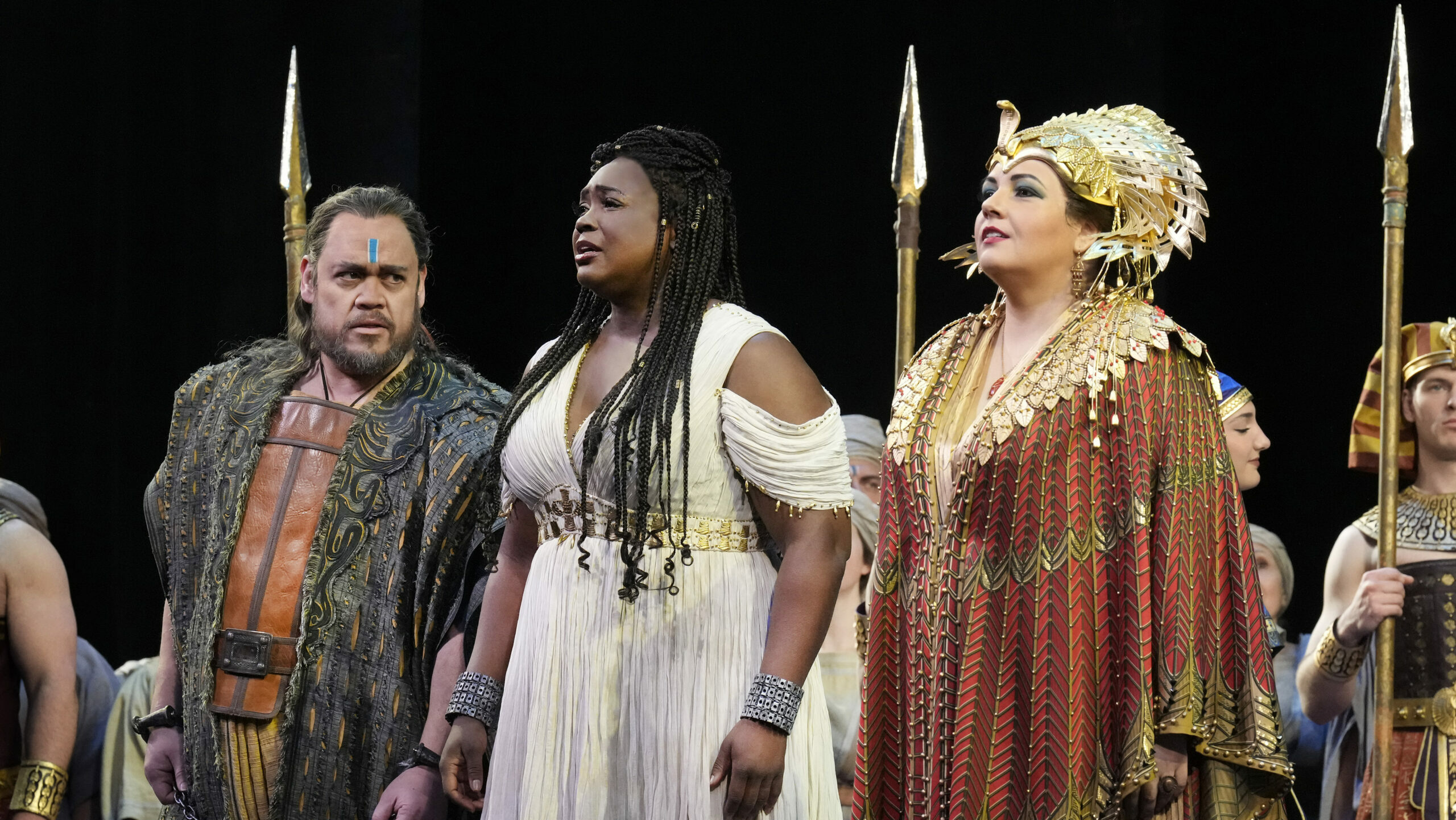
I had been hopeful that 2024 would end, if not on a high note, then one that was at least in tune.
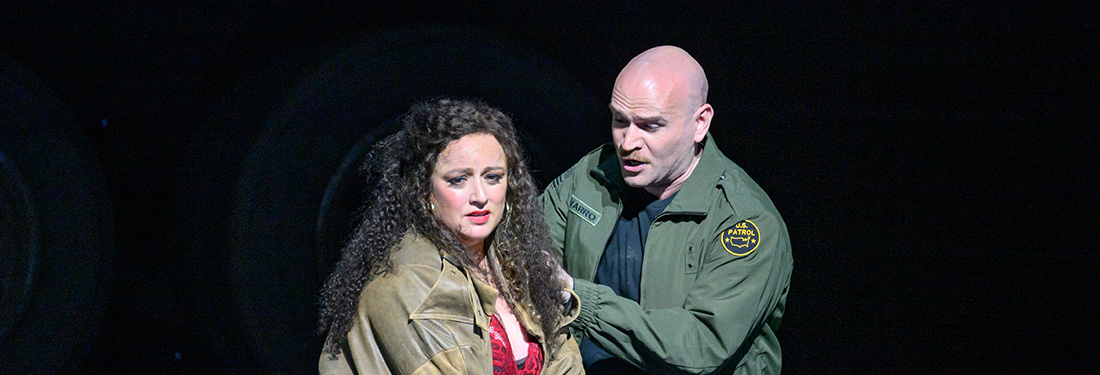
When it premiered at the Opéra Comique in 1875, Carmen shocked audiences with its frank depictions of female sexuality, the proletariat, and violence: subjects that have ensured the piece’s continued relevance and that have inspired numerous retellings and revisions.

It’s autumn in New York, baby.
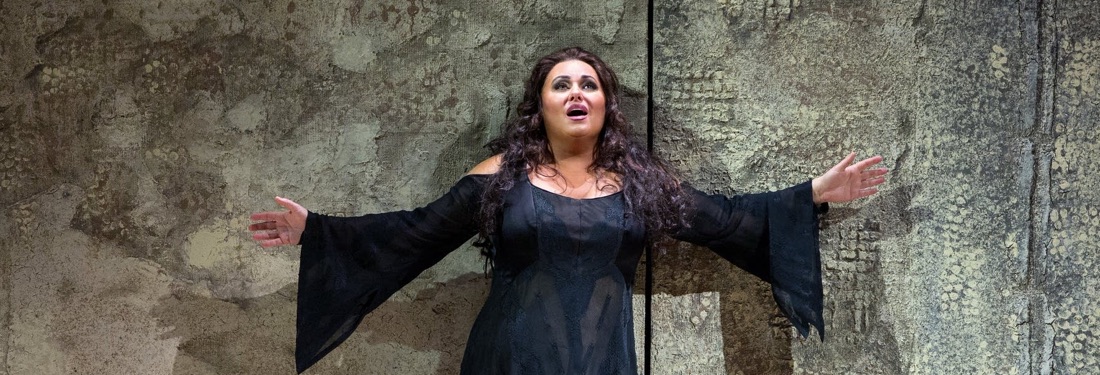
How appropriate that the Met should present this supposedly “Jewish” opera after many in the audience had just spent twelve days immersed in the genuine article over the High Holy Days.

One got a sense that the Met and the maestro directed most of the rehearsal and preparation toward the opening night premiere of the Heggie opus

To paraphrase Terence Blanchard’s Champion, what makes an opera an opera?
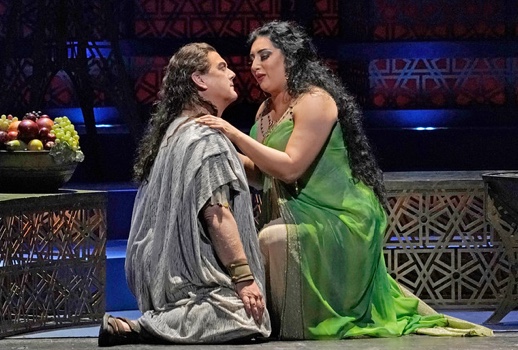
Austin McCormack‘s lascivious choreography outshone a tepid and tedious staging of Saint-Saëns’s old-testament epic.

Throw in a trio of murders and a healthy splash of vodka and you have, more or less, the plot of Shostakovich’s Lady Macbeth of Mtsensk.

The days are getting shorter, but you can keep the prattle going this fall’s Talk of the Town! You will, you can, you must join in the discussion about: Great mezzo soprano performances (October),
Gained in translation (November), Teleport me back to… (December).
Exclusive opera reviews, commentary, and top reads
delivered to your email weekly…ish.