
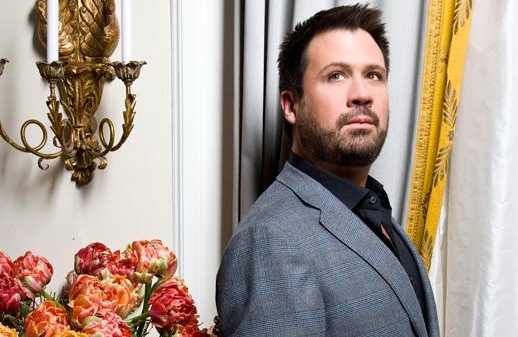
Thrace off
Nearly 30 years after a Handel opera last played there, Carnegie Hall presented The English Concert opening a three-year opera-oratorio project on Sunday afternoon with Radamisto.
Nearly 30 years after a Handel opera last played there, Carnegie Hall presented The English Concert opening a three-year opera-oratorio project on Sunday afternoon with Radamisto.
As with all good myths, certainly all the myths at the heart of Wagner’s operas, the juggling of symbols and archetypes and themes in Parsifal opens the piece to a great variety of interpretations.

That’s what it must have been like in 1726 London when Handel composed Alessandro for perhaps the three most famous (and expensive) singers of the day.
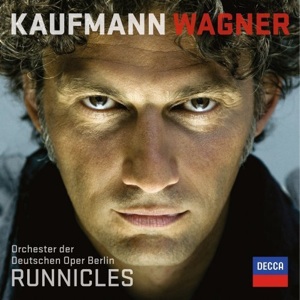
A new CD features the ten most gorgeous minutes recorded by a tenor in Wagner since World War II.

I completely missed The Enchanted Island during the Met’s 2011-12 season, both in the house and in the HD presentation. Even on Sirius, I had only heard snippets of the performance.
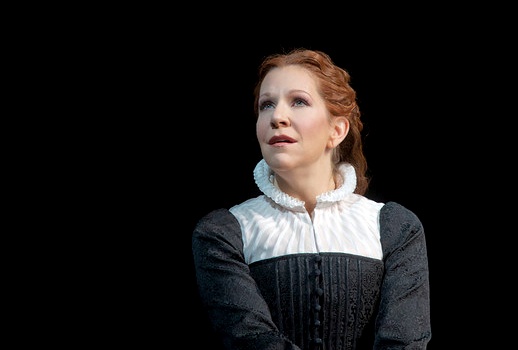
It’s easiest to write reviews when there are soaring triumphs and miserable failures.

Love grand opera but wary of a six o’clock curtain with five hours of music behind it? (And nothing is grander than Berlioz’s Les Troyens, eh?) Your dilemma has been solved. Show up at the Met at 7:30 or 8:00, whenever they have the first intermission.

The elegant Swiss-born soprano has died at 93.
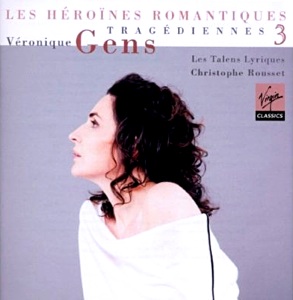
Cecilia Bartoli and Joyce DiDonato are not the only ladies who have recorded recitals this year featuring music from the 17th and 18th centuries.
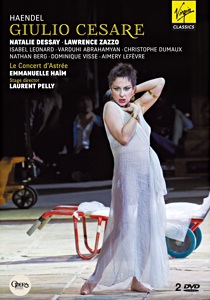
Natalie Dessay coyly bares a breast on the cover of Virgin Classics’ new Giulio Cesare.
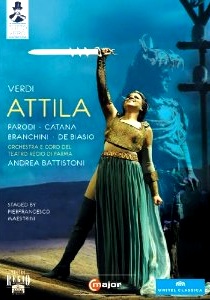
All of the operas of Giuseppe Verdi contain music that is worth hearing and can be rewarding in good performances.
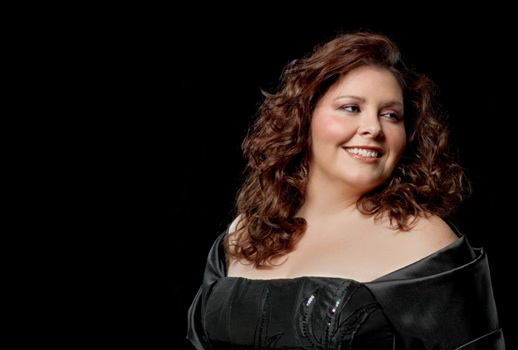
Everyone who revives Bellini’s Beatrice di Tenda, as the Collegiate Chorale did at Carnegie Hall on Wednesday night, calls the piece an “overlooked masterpiece.”
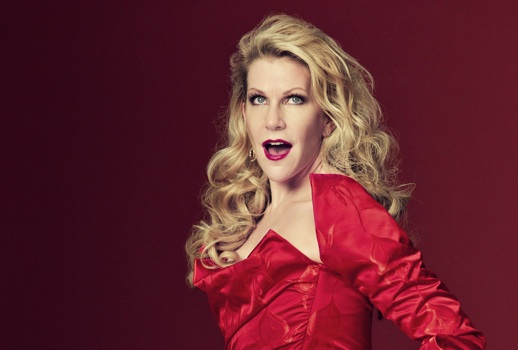
If you’re the sort who prefers his diva to be an unapproachable sphinx prone to infuriating cancellations while radiating ennui, I suspect that the sunny, hard-working, grateful persona of American mezzo soprano Joyce DiDonato will not appeal to you at all.
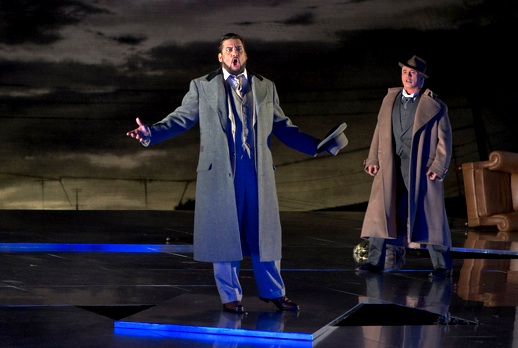
The realization of the opera Un ballo in maschera by Verdi and the librettist Antonio Somma is almost as famous as the opera itself.
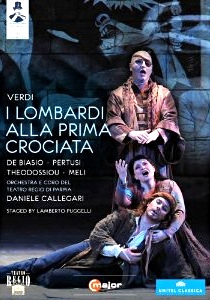
In spite of sounding like an indelicate football injury, I Lombardi alla prima crociata was only Giuseppe Verdi’s fourth opera.
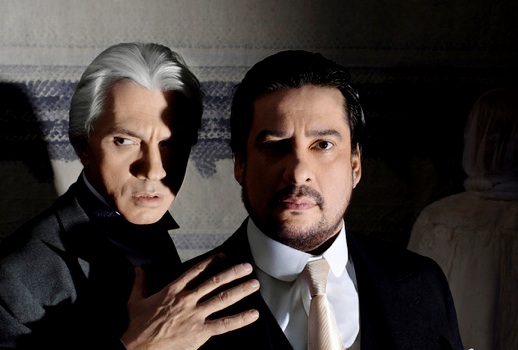
Recently your doyenne engaged in an email-based interview with David Alden, director of the Met’s new production of Un ballo in maschera, opening on Thursday.
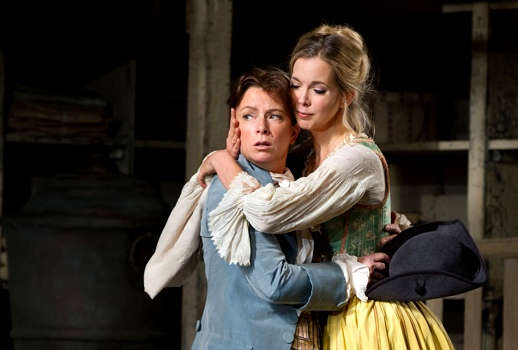
The performance at the Metropolitan Opera last night proved that yes, it is possible to kill this opera. I don’t know how they managed it, but they did.
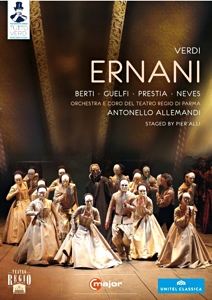
This DVD of Ernani is part of a series from the Teatro di Parma, a “Tutto Verdi” collection recently produced by Unitel Classica.

Can it be nearly a quarter-century ago that an Italian mezzo-soprano in her early twenties recorded her first recital?

At the age of thirty, Donizetti was already the experienced composer of about eighteen operas, both serious and farcical, but as Olivo e Pasquale (currently undergoing its American premiere run at Amore Opera) makes clear, the comic works were no slight matter.
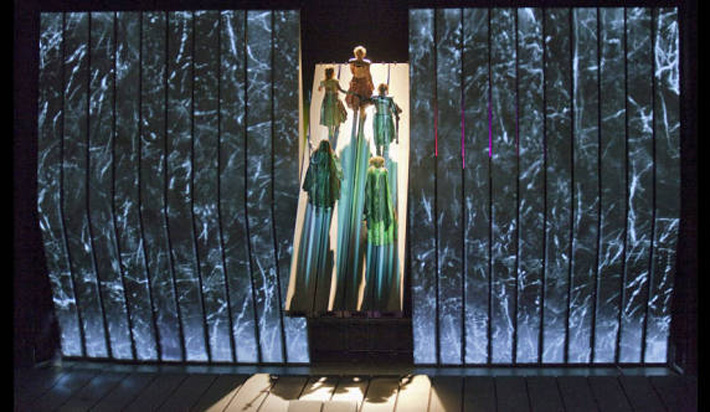
Since 2010 I’ve been reading nothing but horror being heaped upon the Met’s new Ring. It’s been like a cross between a cruise ship size buffet spread of internet snarking and a slasher film re-cast with music critics.
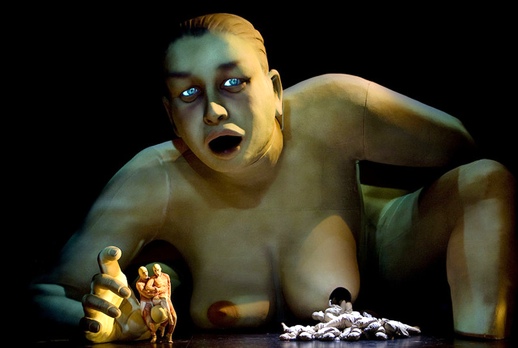
It took about 30 minutes for me to grow restless watching the world premiere video of Gyorgi Ligeti’s Le Grand Macabre from Gran Teatre del Liceu.
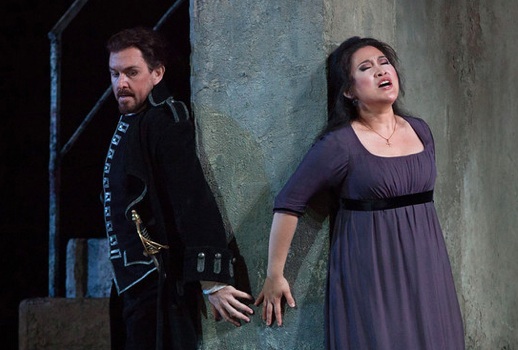
Saturday matinee’s prima Trovatore brought an exciting and compelling show to the Met’s stage in the revival of David McVicar’s dark, Goya-esque production.

The days are getting shorter, but you can keep the prattle going this fall’s Talk of the Town! You will, you can, you must join in the discussion about: Great mezzo soprano performances (October),
Gained in translation (November), Teleport me back to… (December).
Exclusive opera reviews, commentary, and top reads
delivered to your email weekly…ish.