

He is big
Falstaff, Verdi’s final opera, is exuberantly inventive, bubbling and roiling with ideas the 79-year-old composer was too impatient to develop.
Falstaff, Verdi’s final opera, is exuberantly inventive, bubbling and roiling with ideas the 79-year-old composer was too impatient to develop.
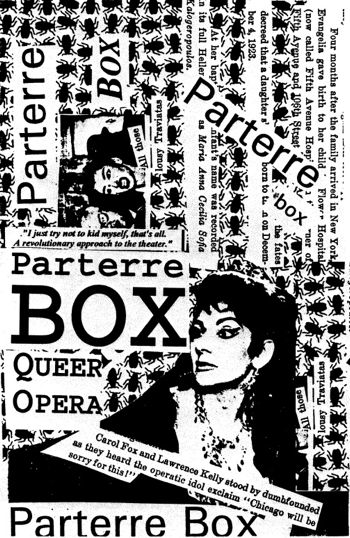
Twenty years ago, a sad and lonely gay man sat down with a pair of scissors and a glue stick and said, “I think I’ll make a magazine.”
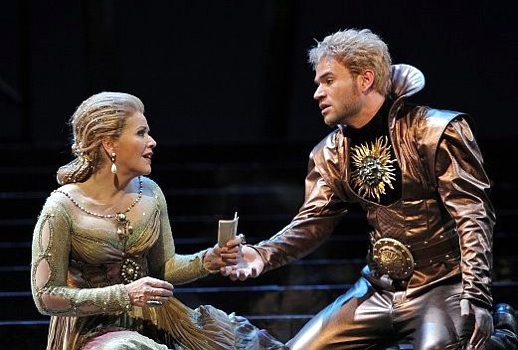
I think we’re all aware by now of the wicked libel that the French dramatist Victor Hugo concocted about the fair Lucrezia Borgia with his depiction of her as a murderous virago.
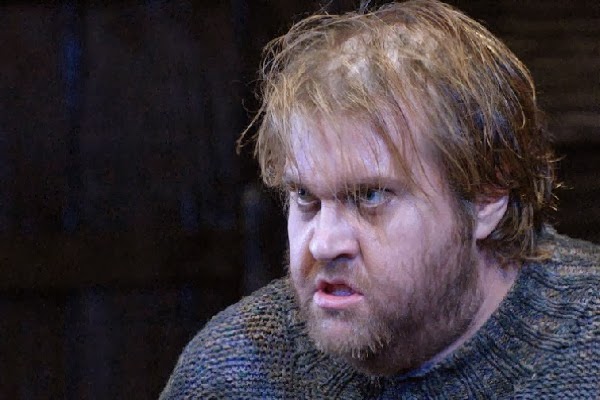
Ambiguity. That’s the theme of the operas of Benjamin Britten (ennobled as Baron Britten of Aldeburgh).

Lincoln Center hosted two milestones this week.
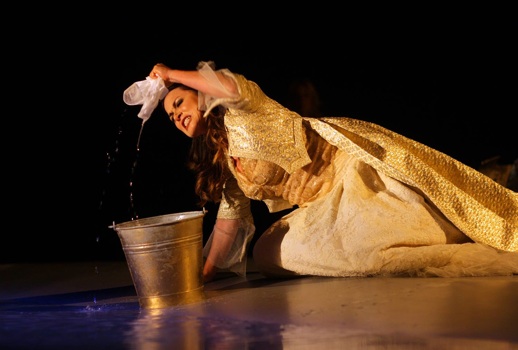
I suspect most New York City opera-lovers had long since given up hope that the fascinating soprano Anna Caterina Antonacci would ever return to their city.

The simple fable at the heart of Die Frau ohne Schatten shouldn’t be difficult to parse, but Hugo von Hofmannsthal’s libretto juggles its vaguely Jungian, vaguely Arabian Nights symbolitry as if with intent to mystify and bewilder.

Whenever I encounter Eric Owens, he’s plotting to conquer the universe.
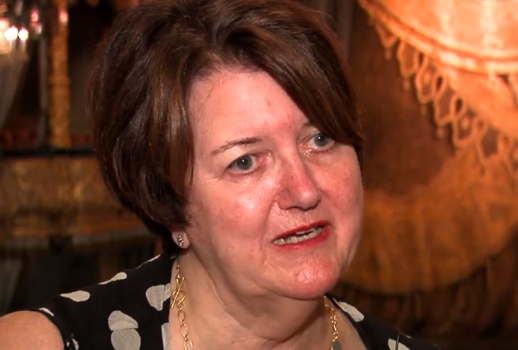
Before you depart the Met at the end of this season, Ms. Billinghurst, you have the chance to do some good for both the Met audience and James Levine.
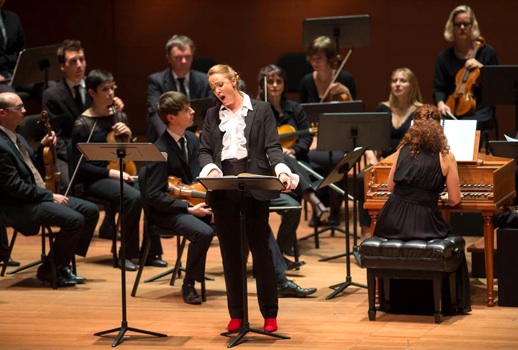
I can think of no other case that resembles Handel’s complex relationship to the story—derived from Ovid’s Metamorphoses—of the ill-fated love between the shepherd Acis and the sea nymph Galatea.
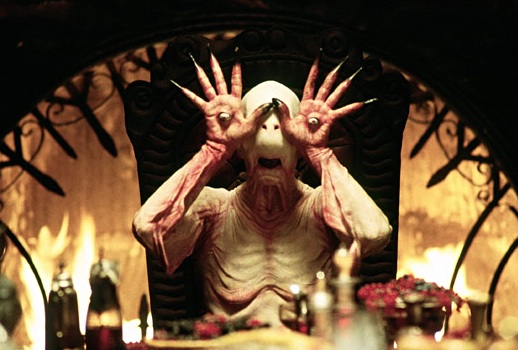
An impresario with a hit on his hands—Emanuel Schikaneder, for instance, after the initial run of Die Zauberflöte—will crave nothing so much as an opportunity to hit the same bell.
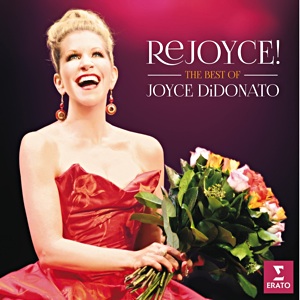
It’s hard to come up with any sensible reason to dislike Joyce DiDonato.

While James Levine’s name might not immediately spring to mind when pondering the great Mozart conductors, he does have a long and distinguished career leading operas by the Austrian master.
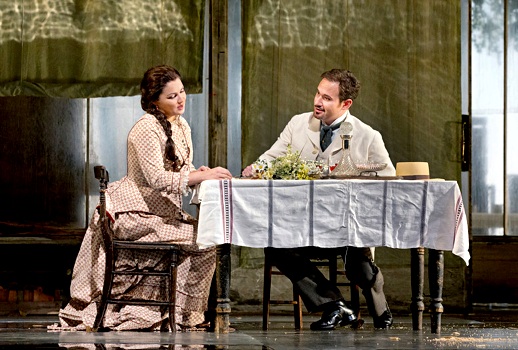
Last night, the Met opened the 2013-14 season with a handsome, fairly conservative new production of Eugene Onegin by Deborah Warner that replaces the handsome, fairly conservative one by Robert Carsen. (The trend is clear.)
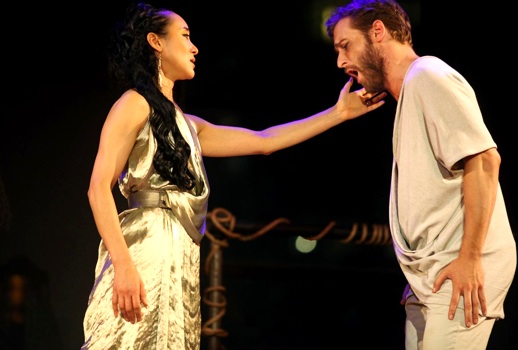
In the program for Opera Omnia’s production of Monteverdi’s Il ritorno di Ulisse, Crystal Manich, the company’s stage director, speaks of producing “baroque works in non-traditional ways.”

The 19th century could not cope with Così fan tutte, ossia La scuola degli amanti (Thus Do They All, or The School for Lovers) with a libretto by Lorenzo da Ponte and music by Mozart, first presented in Vienna in 1790.
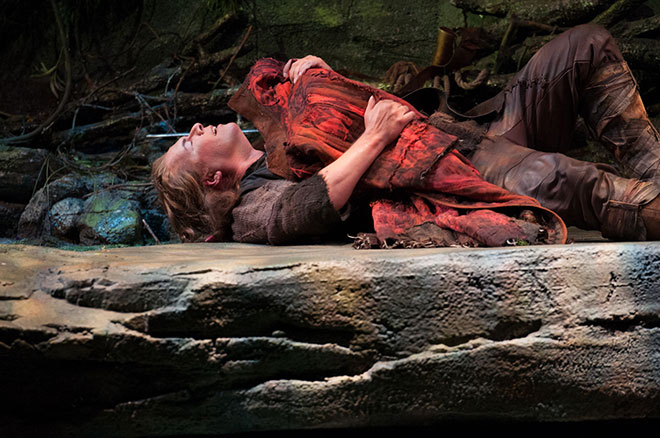
There is a mighty appetite among both old Wagnerians and new ones to see a Ring that follows—if not too slavishly—the scenic requests of the libretto.
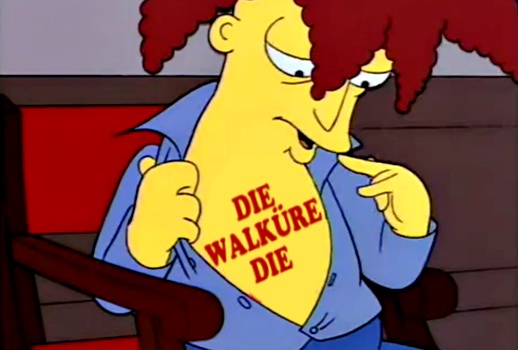
If Frank Castorf‘s work on Der Ring des Nibelungen at Bayreuth accomplishes nothing else, it should serve as a sort of loud disorganized reminder of the dangers of indulging in the intentional fallacy.

The 1965 season was a time of big changes at the Vienna State Opera.
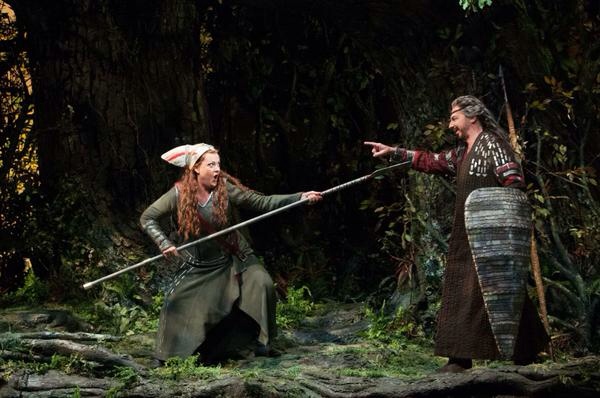
Is Der Ring des Nibelungen responsible for the transformation of Seattle from a gray, damp, low-rise Boeing company town where half the jokes had punchlines in Norwegian (and were about lutefisk in any case) into today's booming cultural metropolis? I like to think so.

What we have here is the grandest opera never heard.
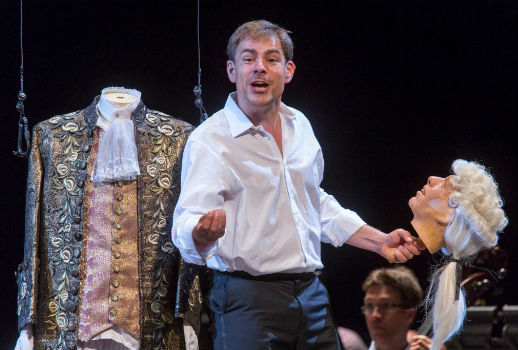
After the success of its Don Giovanni in 2011, Lincoln Center invited Iván Fischer and his Budapest Festival Orchestra to return for the Mostly Mozart Festival premiere (!) of the first of Mozart-da Ponte’s three masterpieces Le Nozze di Figaro late Sunday afternoon at the Rose Theater.
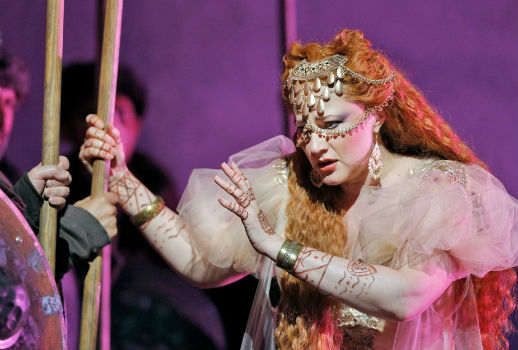
Sergey Taneyev, pupil of Tchaikovsky and teacher of Scriabin and Rachmaninov, composed just one opera, Oresteia, premiered in 1895 when he was 39.
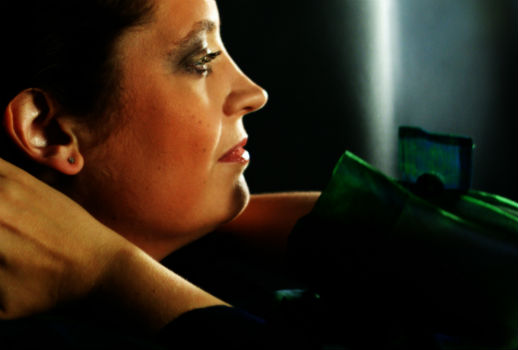
The behavioral phenomenon of limerence has been described as “an involuntary potentially inspiring state of adoration and attachment to a limerent object involving intrusive and obsessive thoughts, feelings and behaviors from euphoria to despair, contingent on perceived emotional reciprocation.”

The days are getting shorter, but you can keep the prattle going this fall’s Talk of the Town! You will, you can, you must join in the discussion about: Great mezzo soprano performances (October),
Gained in translation (November), Teleport me back to… (December).
Exclusive opera reviews, commentary, and top reads
delivered to your email weekly…ish.