

Man of the camellias
Tuesday the Met unveils its sixth new production of La Traviata since moving to Lincoln Center.
Tuesday the Met unveils its sixth new production of La Traviata since moving to Lincoln Center.
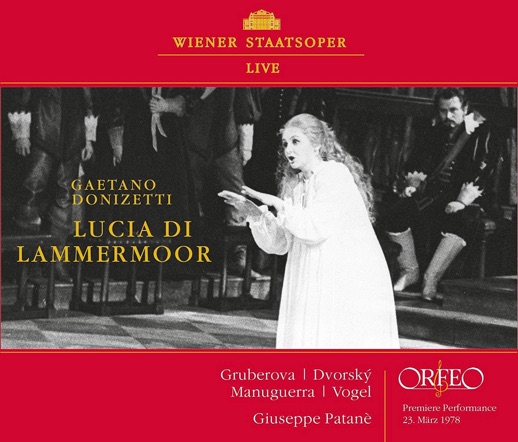
Orfeo’s latest edition is a 1978 performance of Lucia di Lammermoor with a very estimable cast that on its surface may seem a tad mundane but the extensive liner notes (with performance photos) tell the story of why it held such magic.

This week’s star-spangled “Trove Thursday” offers the second crazy-quilt installment of divas in the wrong language.
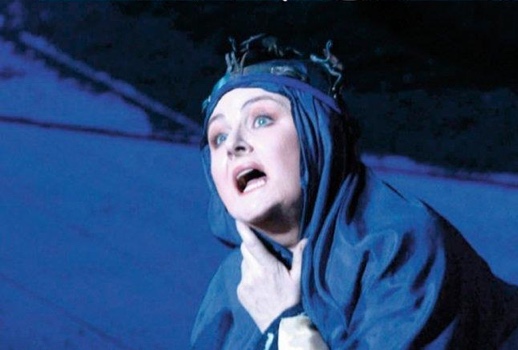
Edita Gruberova takes on the requirements of the title role in Bellini’s Norma.

In the midst of Tosca month “Trove Thursday” assembles from the 60s to the 80s an Il Trittico in which each opera features an important Italian star.
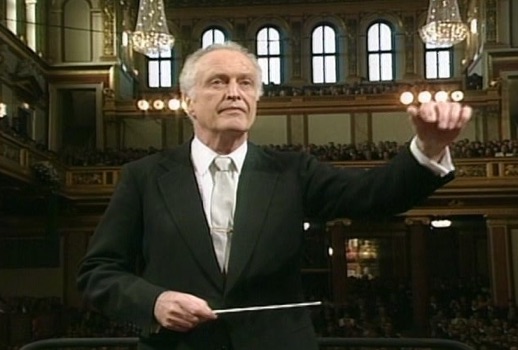
“Trove Thursday” celebrates with Carlos Kleiber conducting Johann Strauss, Jr.’s Die Fledermaus.
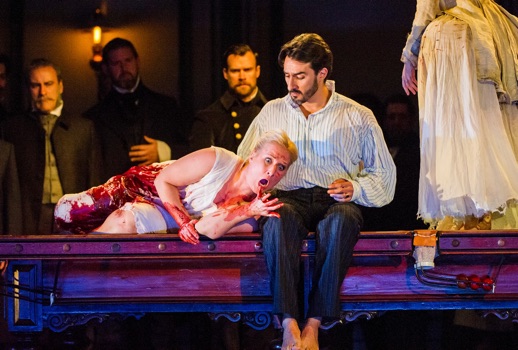
Psychology is encoded in the composer’s vocal lines more than his librettist’s words.
Another five-Thursday month invites “Trove Thursday” to offer a combo of shorter works.

Arabella with Wolfgang Sawallisch conducting a prime-time 1980s Munich cast.
An outstanding performance of Weber’s Euryanthe to share on “Trove Thursday.”
The subject of timidity has been in my thoughts in these waning days of February 2017. One would almost think there had been some big announcement recently, preceded by a series of smaller ones, to turn a U.S.-based opera fan’s thoughts in this direction.
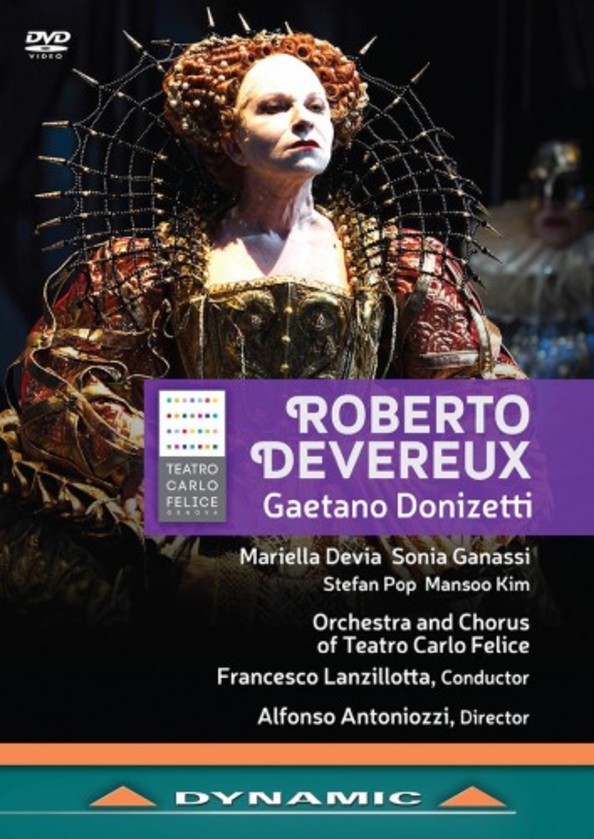
Now we find Mariella Devia, a diva held in near mythic regard due to her vocal longevity, with competing videos of two of her performances that were released, literally, on the same day.

Puccini’s Madama Butterfly with an unexpected heroine: the electrifying Julia Varady, seduced and abandoned by the suavely ardent Giacomo Aragall.

This week’s “Trove Thursday” features noted Wagnerian Hildegard Behrens revisiting Rusalka, one of her early, lyric roles.

On Thursday evening Jennifer Wilson “finally” made a belated, disappointing Met debut as Turandot.
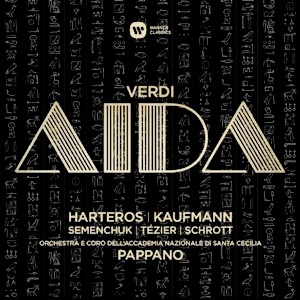
The studio opera recording is a rare beast these days and its arrival always a cause for celebration.

Anja Silja staked a claim as a leading Senta of her era with a series of searing performances of Der Fliegende Holländer while in her early twenties.
When LaCieca asked me to choose my favorite live recording, I had to think… and think.
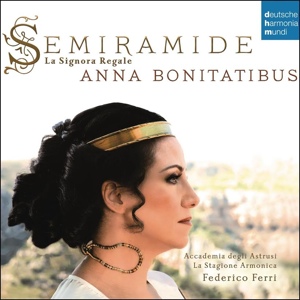
The last day of December a parcel arrived in the mail containing an absolute delight: “Semiramide—La Signora Regale.” One of best vocal recordings of 2014, this sumptuous 2-CD set on Deutsche Harmonia Mundi features the marvelous Italian mezzo-soprano Anna Bonitatibus and includes 90 minutes of rarely-heard music written for the legendary Babylonian queen.
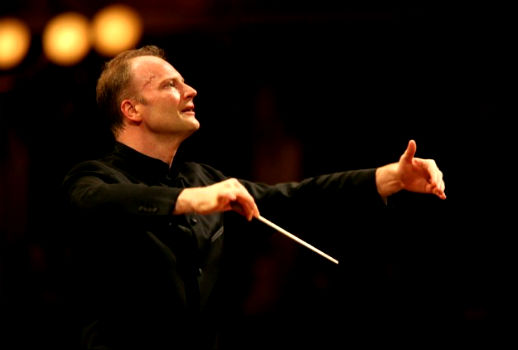
Whenever opera-lovers are canvassed about what neglected operas they hunger to see revived, the resulting lists inevitably feature a goodly number of grand operas, those once wildly popular monstrosities–particularly by Meyerbeer–written primarily for Paris in the mid-19th century.
Short answer: yes. But let’s begin by dismissing the a blatant canard. One thing that the Metropolitan Opera does not need to do is to scale back the number of performances in a season.
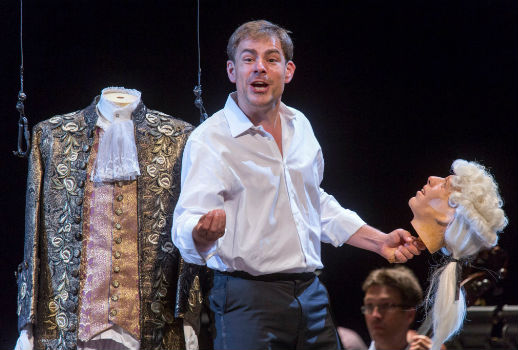
After the success of its Don Giovanni in 2011, Lincoln Center invited Iván Fischer and his Budapest Festival Orchestra to return for the Mostly Mozart Festival premiere (!) of the first of Mozart-da Ponte’s three masterpieces Le Nozze di Figaro late Sunday afternoon at the Rose Theater.

We waited eagerly to hear the Munich-born Jonas Kaufmann make his role debut as Manrico at the Bavarian State Opera as well the German-Greek soprano Anja Harteros take on Leonora’s bravura difficult arias.

For decades thousands and thousands have attended Handel’s Messiah (usually around Christmas or more appropriately near Easter) making it easily one of the most widely known works of classical music.

The days are getting shorter, but you can keep the prattle going this fall’s Talk of the Town! You will, you can, you must join in the discussion about: Great mezzo soprano performances (October),
Gained in translation (November), Teleport me back to… (December).
Exclusive opera reviews, commentary, and top reads
delivered to your email weekly…ish.