

Mourning becomes Iphigenia
Gluck’s Iphigénie en Aulide (1774), the occasion of his Paris debut, gets far less respect than her sequel, Iphigénie en Tauride.
14 pieces since 2013 — in 7 roles, at 6 companies, most often at Metropolitan Opera.
Gluck’s Iphigénie en Aulide (1774), the occasion of his Paris debut, gets far less respect than her sequel, Iphigénie en Tauride.

Gioachino Rossini’s adorable adaptation of Cinderella famously dispenses with a slipper in favor of a bracelet to lead the Principe Ramiro back to his Cenerentola. If only this performance had benefitted from such a glittering guiding hand.
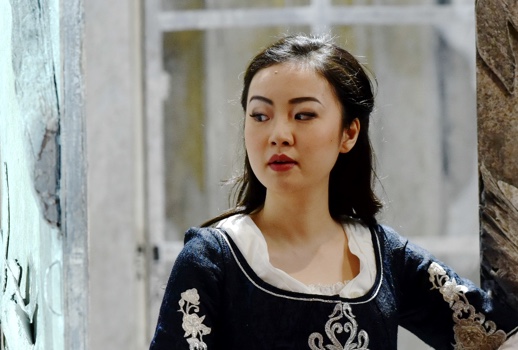
Opera Philadelphia ended its season with Le Nozze di Figaro, Friday, and it will play May 3, 5, and 7—a matinee. Figaro is considered by most to be one of the few perfect operas and although it’s perhaps too easily encountered in routine run-throughs, there are usually rewards in seeing it.
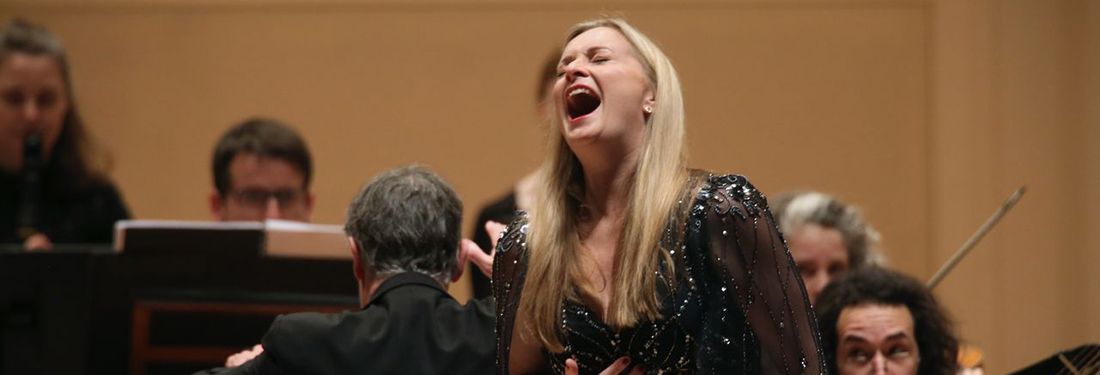
There is a strong case to be made that George Fridrich Handel is the composer most suited to the present moment.

I can still vividly remember the first time the music of George Frideric Handel made an impression on me.
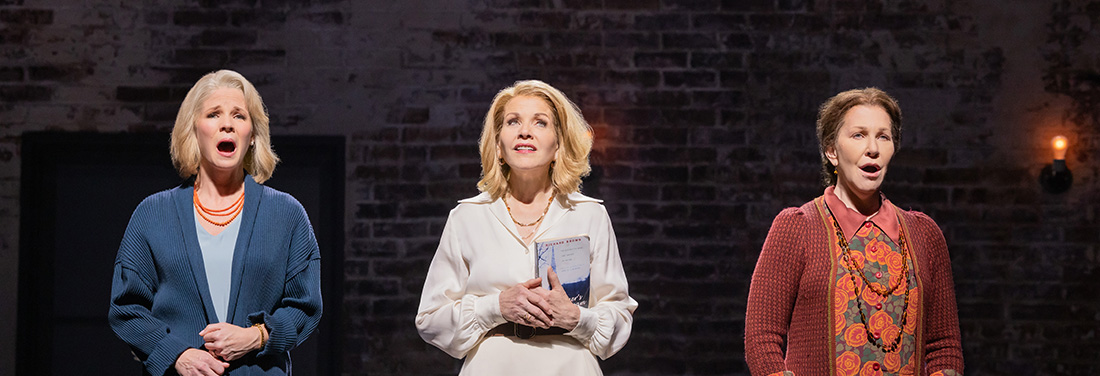
In its first go-around in November 2022, Kevin Puts’s The Hours (libretto by Greg Pierce based on the novel by Michael Cunningham and the screenplay for the Stephen Daldry’s 2002 film was a box office bullseye for the Metropolitan Opera.
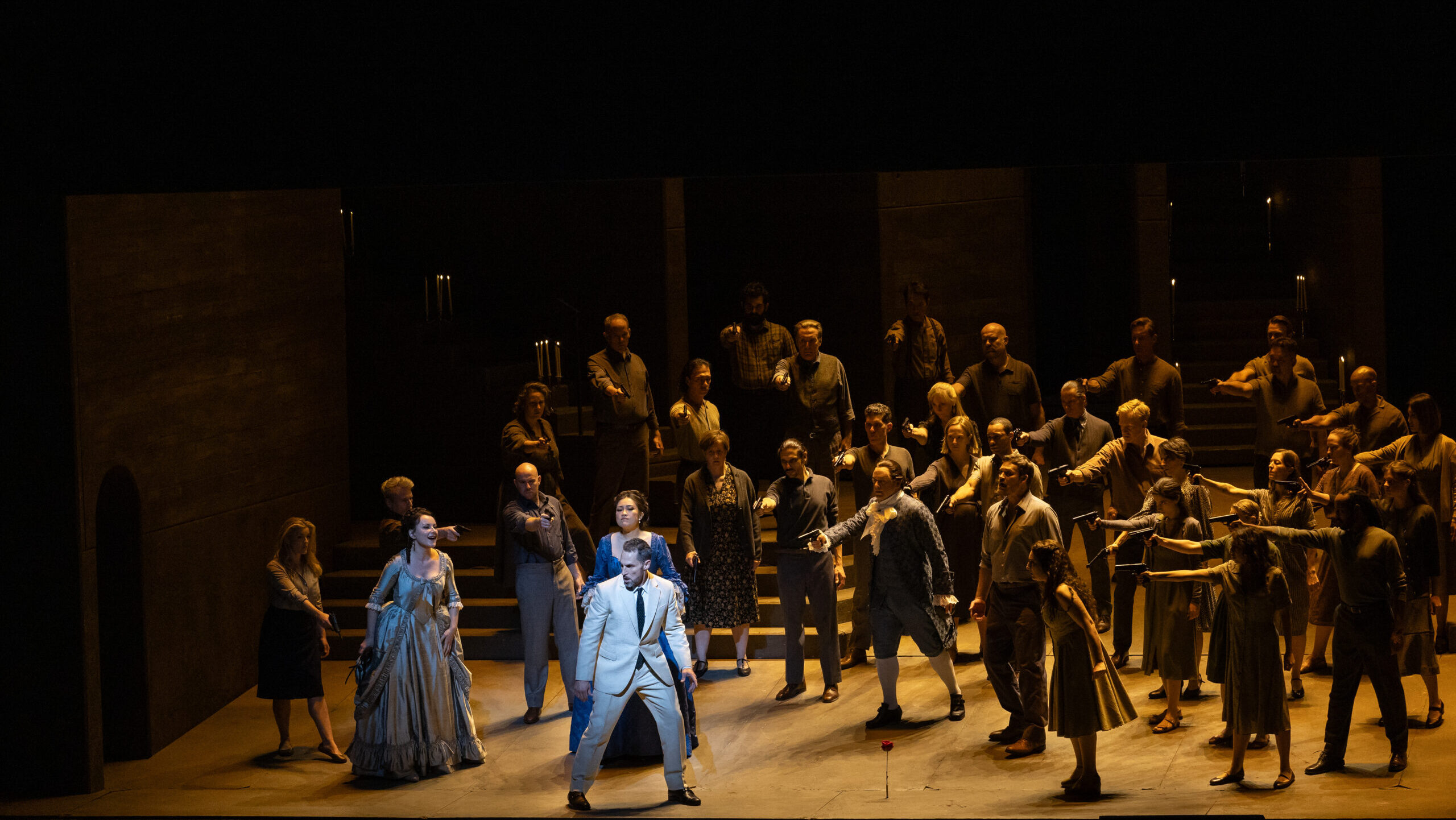
Second casts in Don Giovanni and Turandot at the Metropolitan Opera offer mixed blessings.
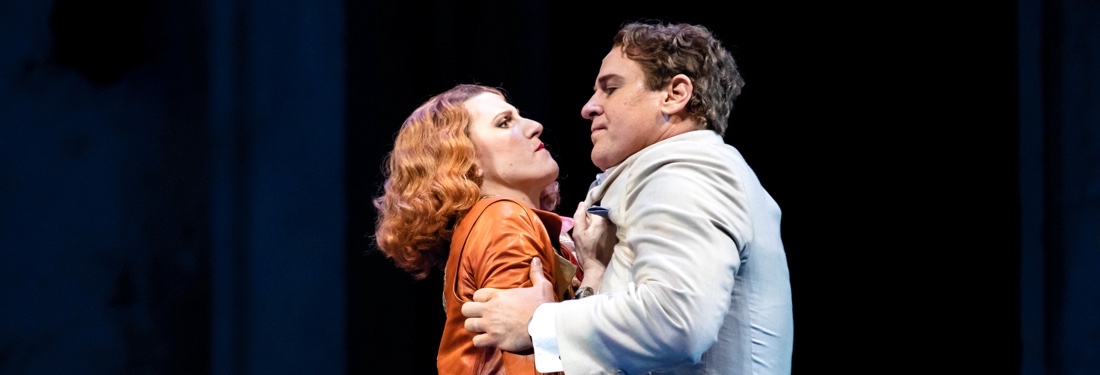
Lyric Opera of Chicago’as Don Giovanni lands smack dab in the middle of our current debate about wanted or unwanted sexual advances and outright sexual abuse.

I was shocked to realize I hadn’t seen Don Giovanni at the Met since Michael Grandage’s stultifying production opened in 2011.

Gotham Chamber Opera stumbled so badly Friday night with Francesco Cavalli’s 1668 Eliogabalo at The Box, it was hard to know whether to feel sad or angry—or both.

The days are getting shorter, but you can keep the prattle going this fall’s Talk of the Town! You will, you can, you must join in the discussion about: Great mezzo soprano performances (October),
Gained in translation (November), Teleport me back to… (December).
Exclusive opera reviews, commentary, and top reads
delivered to your email weekly…ish.