

Someday she’ll come along, the girl I love
In Richard Strauss’s Arabella, the heroine is consumed with finding the right man—der Richtige—but who is the right Arabella?
17 pieces since 2011 — in 7 roles, at 4 companies, most often at Salzburg Festival.
In Richard Strauss’s Arabella, the heroine is consumed with finding the right man—der Richtige—but who is the right Arabella?
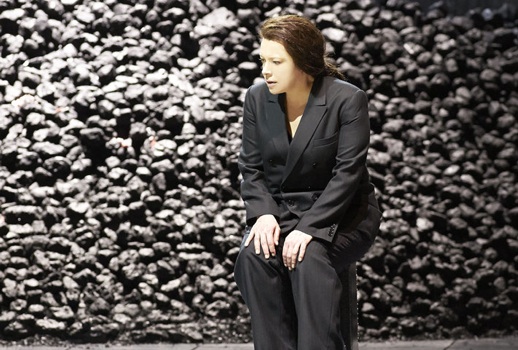
I think the sturdier of you will enjoy Nina Stemme’s Elektra from Saturday night at Wiener Staatsoper.
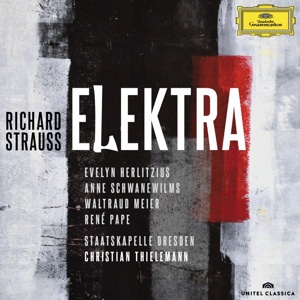
“Conduct Salome and Elektra as if they were by Mendelssohn: Fairy music.” Seriously, how often has that happened?
Not a fairy kingdom, but rather an unheated postwar Vienna ballroom transformed into an improvised recording studio: that’s the setting for Christof Loy‘s new production of Die Frau Ohne Schatten at Salzburg. The production is also (if not more so) notable for Christian Thielemann‘s virtuouso conducting of the Vienna Philharmonic and the hair-raising performances of […]
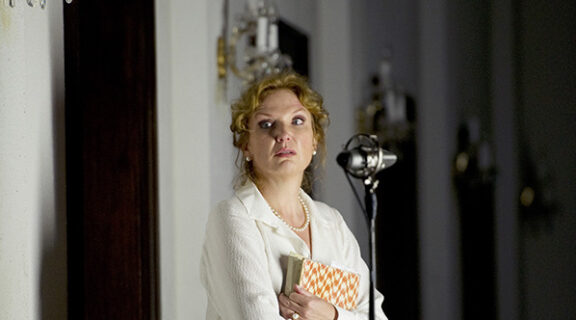
To make a success of the Empress in Frau ohne Schatten, it is not enough to be a fine singer and a great actress.

The simple fable at the heart of Die Frau ohne Schatten shouldn’t be difficult to parse, but Hugo von Hofmannsthal’s libretto juggles its vaguely Jungian, vaguely Arabian Nights symbolitry as if with intent to mystify and bewilder.
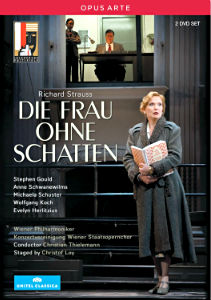
Richard Strauss’s “last romantic opera,” as he called Die Frau Ohne Schatten, is and has always been a problem child.
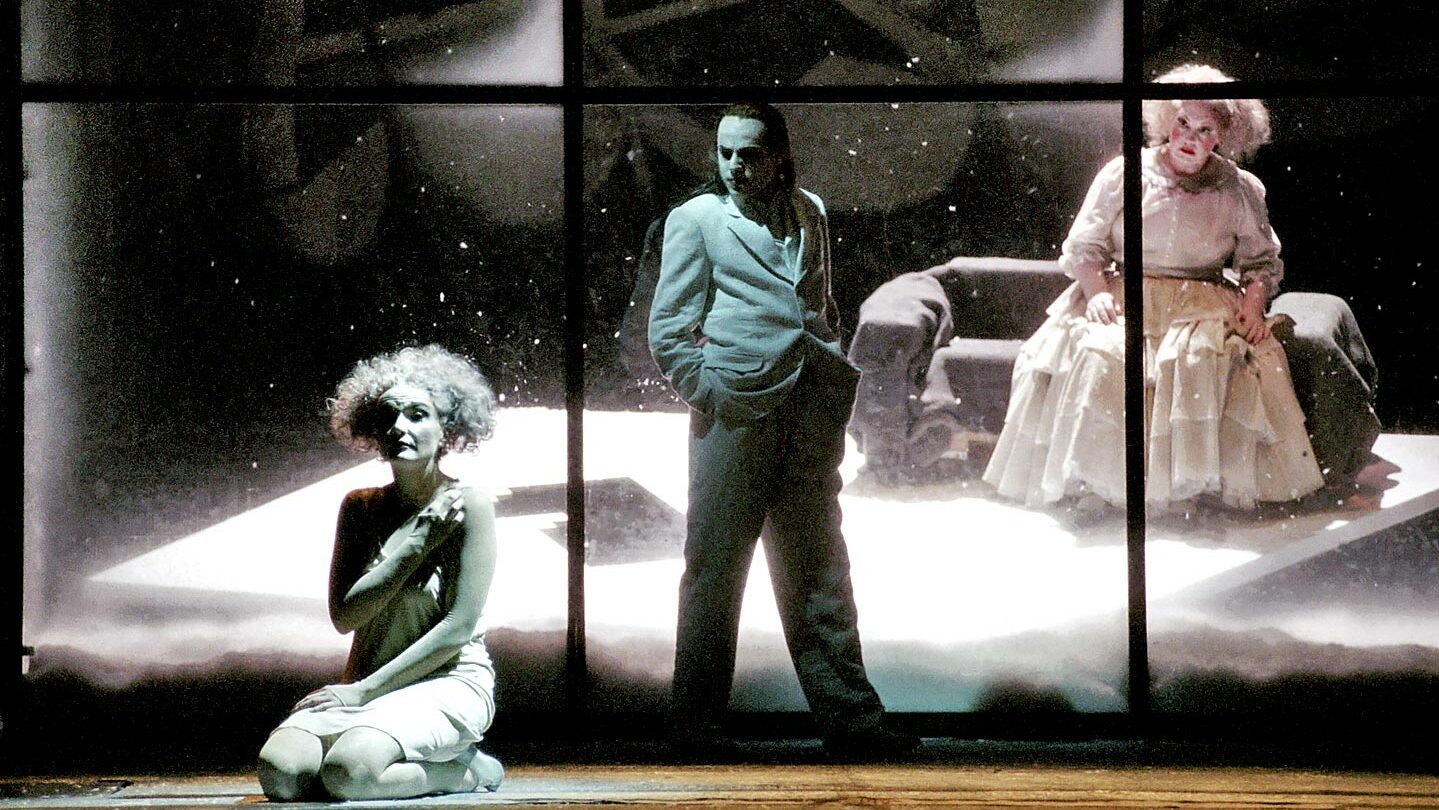
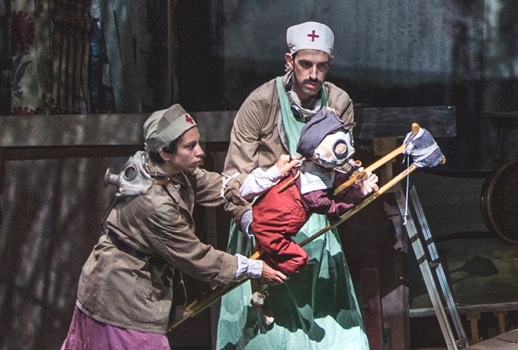
Alban Berg’s compact yet potent oeuvre has long played an outsized role in shaping my understanding of music’s aesthetic evolution.
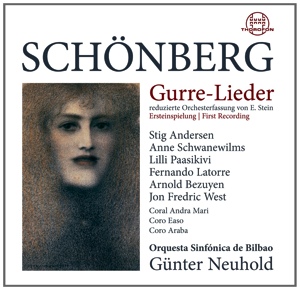
With orchestral and choral forces that could outnumber a small European village, Arnold Schoenberg’s Gurre-Lieder is a composition designed to overwhelm.

The days are getting shorter, but you can keep the prattle going this fall’s Talk of the Town! You will, you can, you must join in the discussion about: Great mezzo soprano performances (October),
Gained in translation (November), Teleport me back to… (December).
Exclusive opera reviews, commentary, and top reads
delivered to your email weekly…ish.