
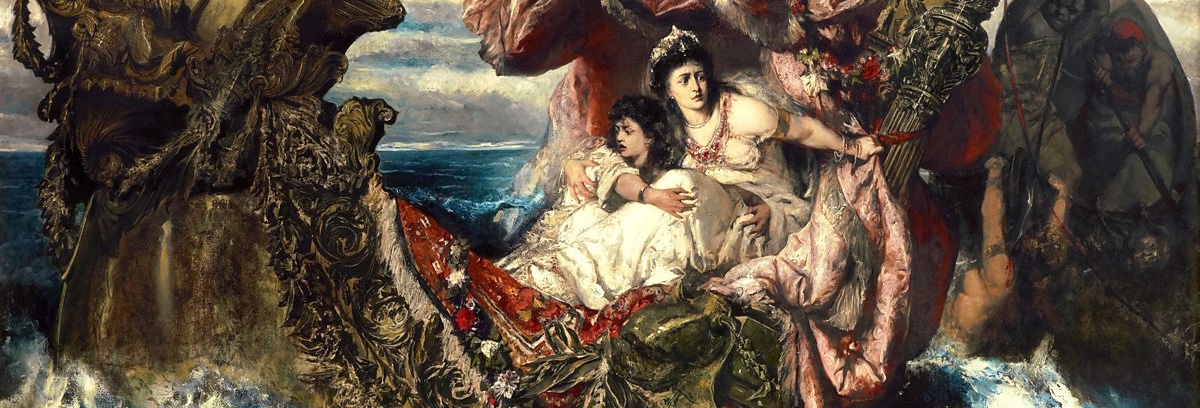
Agrippina
“Trove Thursday” presents for the third annual installment of “Handel for my Birthday” a wickedly ideal Felicity Palmer dominating Agrippina.
42 pieces since 2011 — in 14 roles, at 5 companies, most often at Les Talens Lyriques.
“Trove Thursday” presents for the third annual installment of “Handel for my Birthday” a wickedly ideal Felicity Palmer dominating Agrippina.
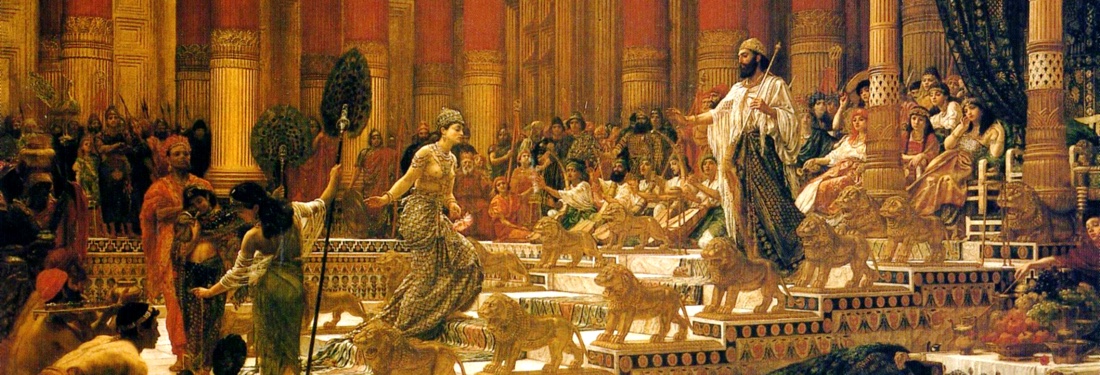
The English Concert’s annual Handel tour brings Solomon conducted by Harry Bicket to the US beginning Sunday March 5. In anticipation, Chris’s Cache offers Solomon plus four other oratorios by the master: Belshazzar, Hercules, Saul and Jephtha, all via broadcasts for which I feel a personal connection.
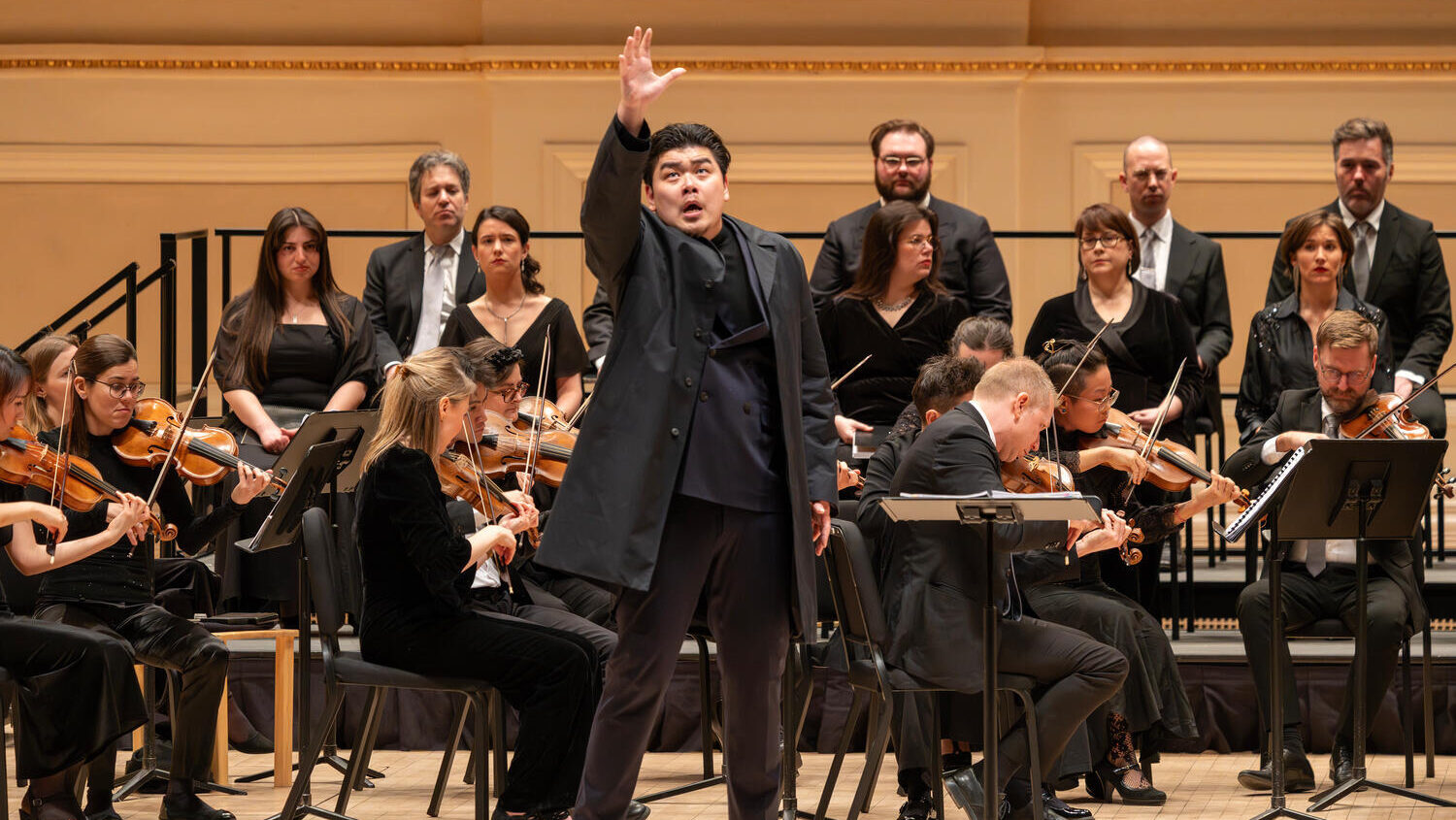
William Guanbo Su and Ann Hallenberg are compelling in The English Concert’s presentation of Handel‘s Hercules at Carnegie Hall.
The English Concert’s annual Handel tour brings Solomon conducted by Harry Bicket to the US beginning Sunday March 5. In anticipation, Chris’s Cache offers Solomon plus four other oratorios by the master: Belshazzar, Hercules, Saul and Jephtha, all via broadcasts for which I feel a personal connection.
For all his historical importance Christoph Willibald Gluck remains one of the least known and performed of the great opera composers.
Here’s a quick sprint through some recent (and a few maybe not-so-very-recent) Handel CDs that have been stacking up.

No one who followed Trove Thursday will be surprised that Diva November on Chris’s Cache today features Ann Hallenberg and Sandrine Piau.
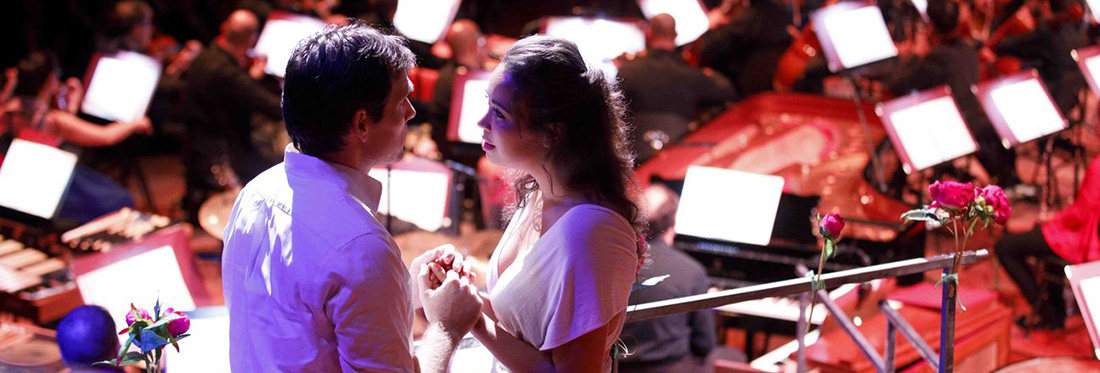
Chris’s Cache follows up its Gounod R&J installment with a widely varied quintet of additional Romeos and Juliets
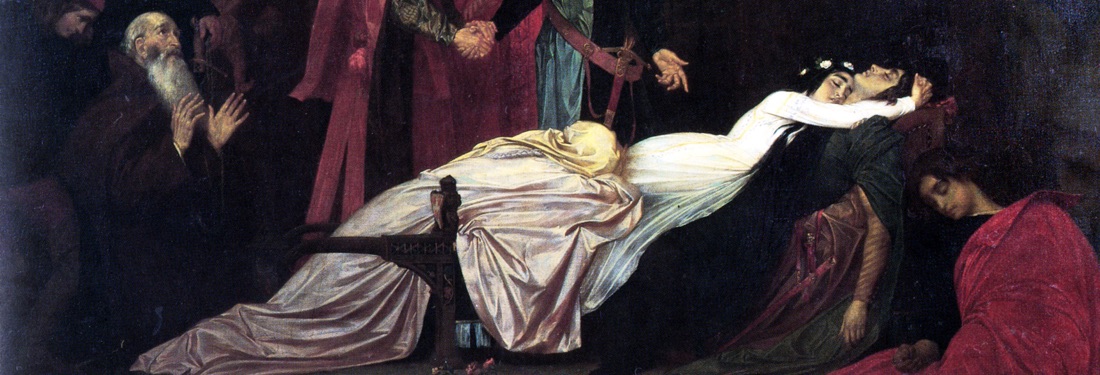
Joining the Met’s week of bel canto reruns and Tuesday’s premiere of Teatro Nuovo’s exciting new project, Trove Thursday presents Bellini’s I Capuleti ed I Montecchi with Tatiana Troyanos and Cecilia Gasdia.
“Trove Thursday” presents a live Motezuma conducted by Alan Curtis with Karina Gauvin, Sonia Prina, Mary-Ellen Nesi, Vito Priante and Ann Hallenberg (as Hernán Cortés!).
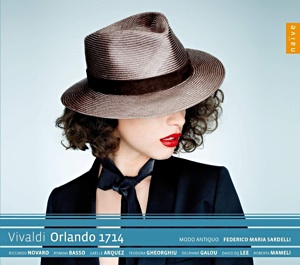
“I’ve lived with mendacity!—Why can’t you live with it? Hell, you got to live with it, there’s nothing else to live with except mendacity, is there?”
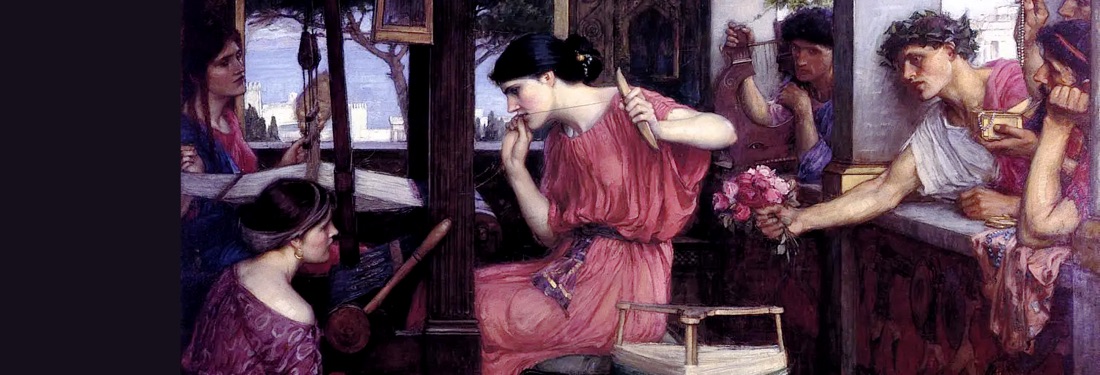
Monteverdi’s late Homeric masterpiece Il Ritorno d’Ulisse in Patria isn’t often performed in the United States.
A brace of Handel operas at the George Enescu International Festival.
There’s nothing unusual about casting a woman in Solomon‘s titular role.
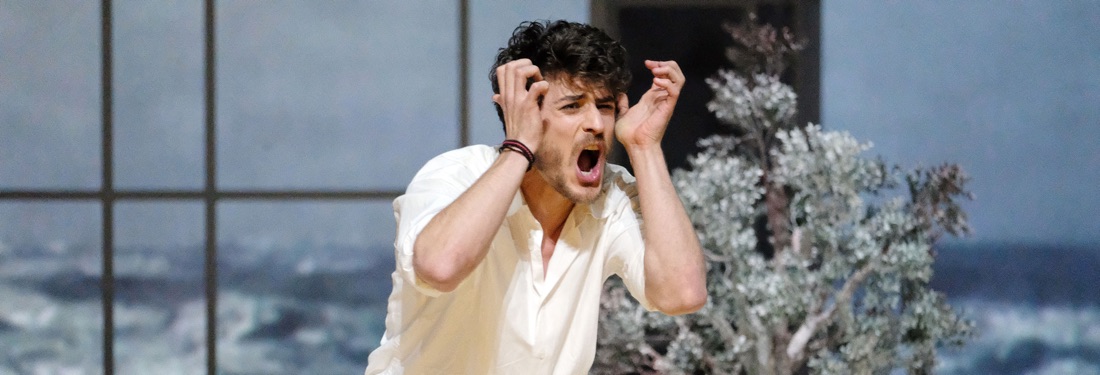
Jakub Józef Orlinski‘s “Stille amare” packed a lot of punch in terms of dramatic intensity.
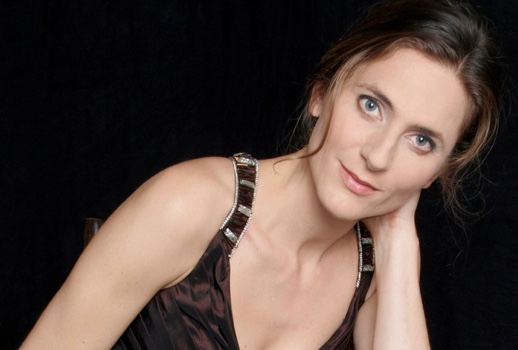
An unstaged performance of Juditha Triumphans by five soloists and the Venice Baroque Orchestra under Andrea Marcon.

The days are getting shorter, but you can keep the prattle going this fall’s Talk of the Town! You will, you can, you must join in the discussion about: Great mezzo soprano performances (October),
Gained in translation (November), Teleport me back to… (December).
Exclusive opera reviews, commentary, and top reads
delivered to your email weekly…ish.