
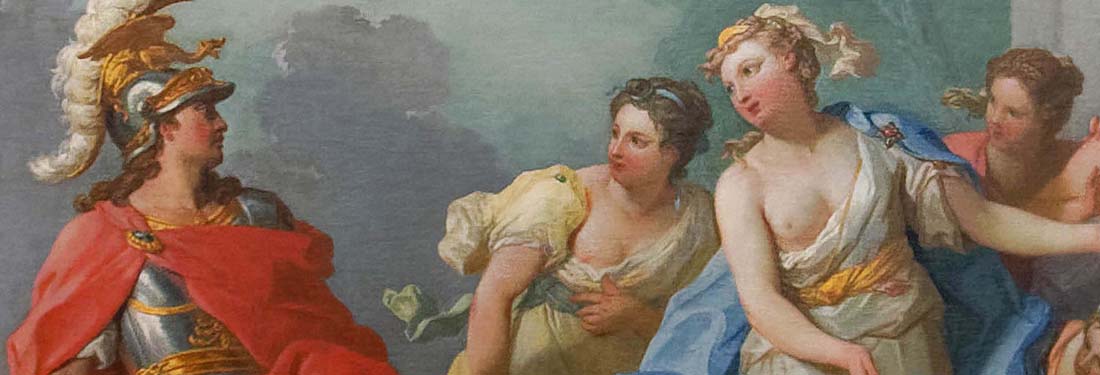
A three-hour tour
We may all be armchair Handelians, but some of us are more used to it than others.
12 pieces since 2011.
We may all be armchair Handelians, but some of us are more used to it than others.
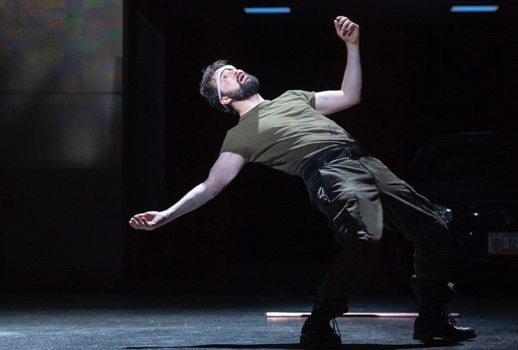
Claus Guth, in a staging of Handel’s Orlando for Theater an der Wien, decided to revisit a PTSD theme.
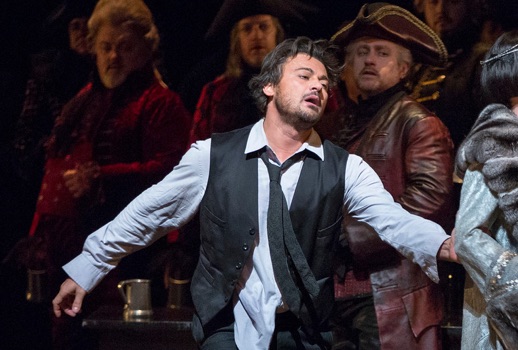
Last night was my fourth or fifth wade into the slough of Bartlett Sher’s production of Offenbach’s Les Contes d’Hoffmann at the Met since its premiere in 2009.
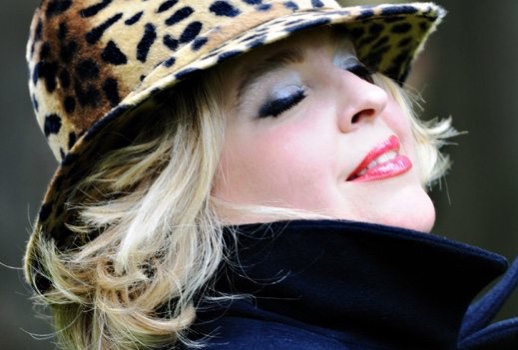
“Trove Thursday” presents a live Motezuma conducted by Alan Curtis with Karina Gauvin, Sonia Prina, Mary-Ellen Nesi, Vito Priante and Ann Hallenberg (as Hernán Cortés!).
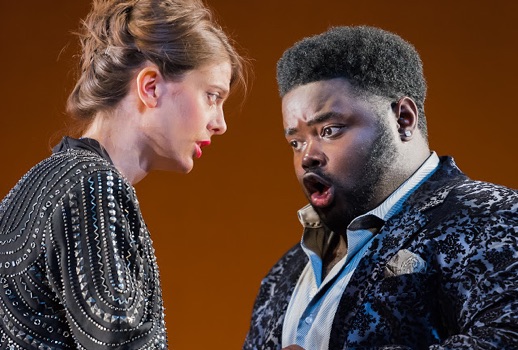
Since its founding 20 years ago, Washington, DC-based Opera Lafayette has devoted its considerable imagination and energy to reviving lesser-known 17th and 18th century French operas.
“I’ve lived with mendacity!—Why can’t you live with it? Hell, you got to live with it, there’s nothing else to live with except mendacity, is there?”
Cecilia Bartoli and Joyce DiDonato are not the only ladies who have recorded recitals this year featuring music from the 17th and 18th centuries.

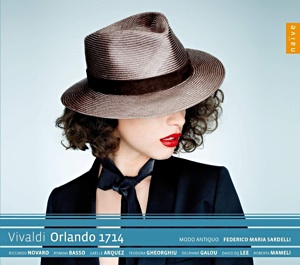
Orlando is the first of three Händel operas based Orlando Furioso, Ariosto’s 15th-century adaptation of the 12-century poem, Chanson de Roland, the other two operas being Alcina and Ariodante. This epic tale of heroism, love, reason and madness also served as the basis for operas by Lully, Vivaldi, Haydn and Scarlatti. In fact, Händel based […]
Many American opera-lovers take the “Grand Tour”—a pilgrimage to Europe to attend opera at its great houses—Peter Grimes at the Royal Opera in London or Otello at La Scala in Milan, or perhaps for the more well-heeled a visit to the summer festivals of Glyndebourne, Salzburg or Aix-en-Provence.
Handel’s Orlando is one of three operas Handel based on episodes from Ariosto’s best-selling sixteenth-century epic, Orlando Furioso. The story was, in 1733, well known throughout the Mediterranean world, and everyone set it to music—Vivaldi’s and Haydn’s settings have enjoyed recent revivals, and the libretto Handel set had originally been devised for Domenico Scarlatti. Intricate […]
Pornography being the seminal [sic] art form of our time, through which every other art is interpreted (I lament this, but what can you do?), and opera being in one of its periodic up-cycles, new ones being composed and premiered, old ones being dusted off for re-use, and stage directors feeling impelled, as they do, […]

The days are getting shorter, but you can keep the prattle going this fall’s Talk of the Town! You will, you can, you must join in the discussion about: Great mezzo soprano performances (October),
Gained in translation (November), Teleport me back to… (December).
Exclusive opera reviews, commentary, and top reads
delivered to your email weekly…ish.