
After 23 years, the Queen of Carthage has finally made it to Manhattan.
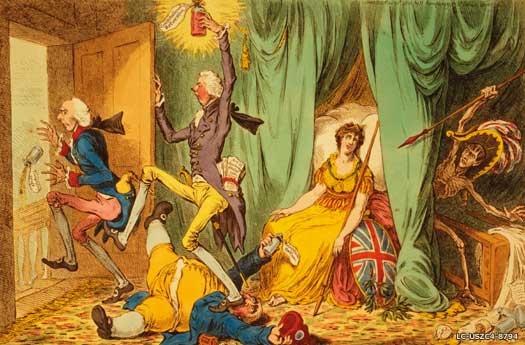
Rule Britannia? Often during the Olympics that famous number from Thomas Arne’s 1740 Alfred echoed in my ears.

Beethoven expressed it best when he reportedly threw Rossini shade: “Any other other style than opera buffa would do violence to your nature.”
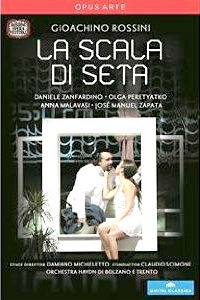
Unlike Mozart, the young Gioacchino Rossini seldom let his ambitions strain relations with employers.
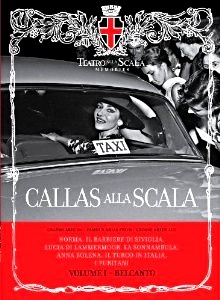
We approach, beloveds, as unto a shrine, for these are no ordinary performances.
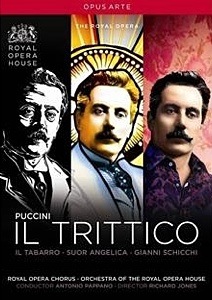
Puccini’s evening of one-act operas Il Trittico seems to be riding a wave of popularity over the last few years, with a new production at the Met and several high-profile productions in America and Europe.

The chicken or the egg?

The diva must be a Diva in Adriana Lecouvreur. Fact.

This Hans Neuenfels staging for the Bayreuth Festival caused quite a stir at its 2010 premiere, but now, with time and distance, how radical is the production?
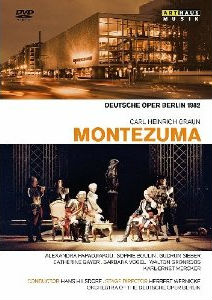
Sometime in 1753, Frederick The Great of Prussia, following a tiff with his great friend Voltaire, began writing an opera libretto in French prose that was to elucidate his ideas about the role of an enlightened monarch.
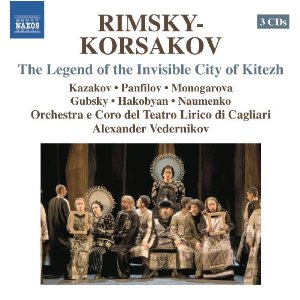
The story is enough of a cipher to make any regie-bent director salivate.
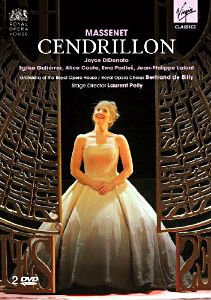
As a child I had but a few criteria that were necessary to ensure a happy entertainment. These included mostly ball-gowns, fairy godmothers and Julie Andrews, though Sally Ann Howes was acceptable in a pinch.
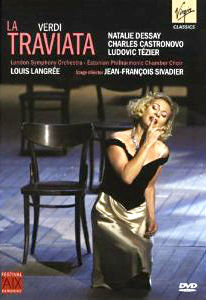
This year, I attended one of Natalie Dessay‘s only fully-sung Traviatas at the Met.
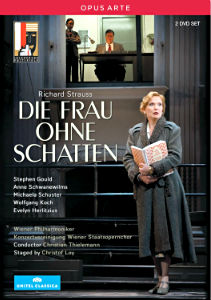
Richard Strauss’s “last romantic opera,” as he called Die Frau Ohne Schatten, is and has always been a problem child.
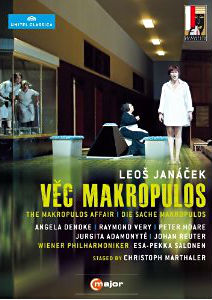
The operas of Leos Janácek have been slowly gaining ground in the world’s theatres over the past fifty years.
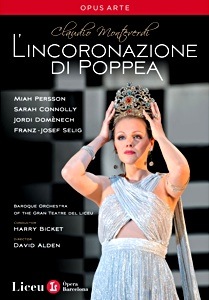
L’incoronazione di Poppea nearly disappeared from the stage completely after its 1642 Venice premiere and a Naples revival in 1651.
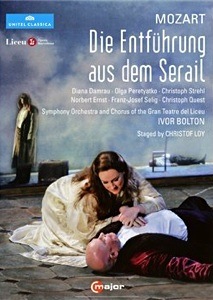
Die Entführung aus dem Serail has been a bit of an unruly child recently, with productions by Neuenfels and Bieito dividing audiences and inspiring critics like Heather MacDonald to lengthy manifestos.
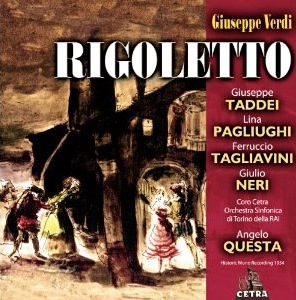
One of my adolescent pastimes was trolling the classical cut-out bins in record stores searching for overlooked gems or unfamiliar singers.
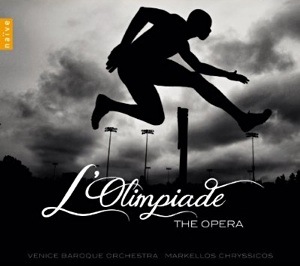
Of all the Olympics-related products created to honor the upcoming summer games in London, surely one of the oddest must be a brand new pasticcio just released on a two-CD set by Naïve—L’Olimpiade.
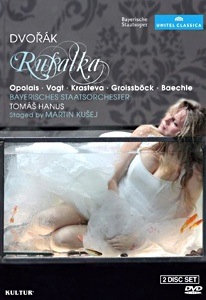
Rusalka and her sisters are huddled in the flooded basement.
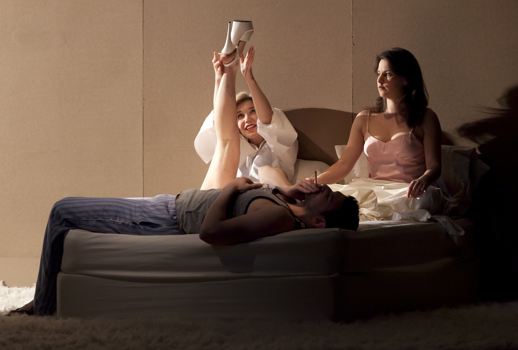
It’s hard to think of a rare work by a great composer more tailor-made for a twenty-first century reexamination than Mozart’s Il Sogno di Scipione.

There’s nothing like a good performance of Verdi’s Macbeth and here is proof positive because this dvd is (almost) nothing like a good performance.
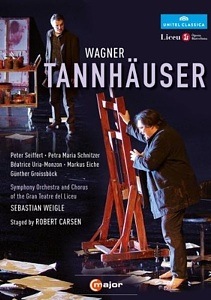
Certain contemporary opera directors have taken to portraying Wagner protagonists as visual artists to better illuminate the characters’ moral and aesthetic struggles.

I have been a devotee of Berlioz’s Les Troyens since I first discovered the Covent Garden recording conducted by Colin Davis.
Tell us: Filth or dementia?
Hasten thee to feed another quarter of conversation for The Talk of the Town!
×
Sign up for Parterre’s free newsletter.
Exclusive opera reviews, commentary, and top reads
delivered to your email weekly…ish.