
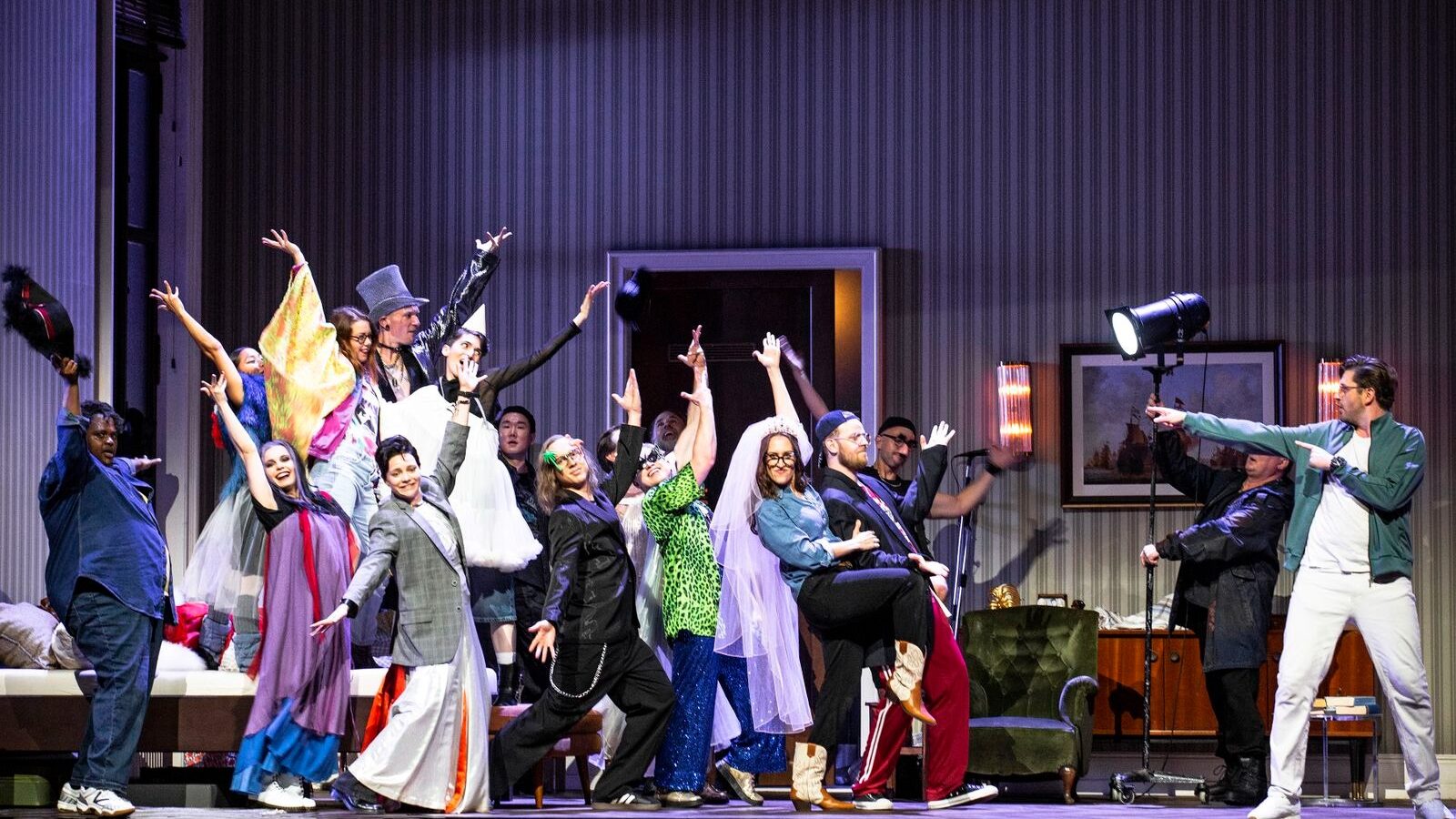
Were you silent or were you silenced
A new production of Die schweigsame Frau at the Berlin Staatsoper has precious little to say.
15 pieces since 2011.
A new production of Die schweigsame Frau at the Berlin Staatsoper has precious little to say.
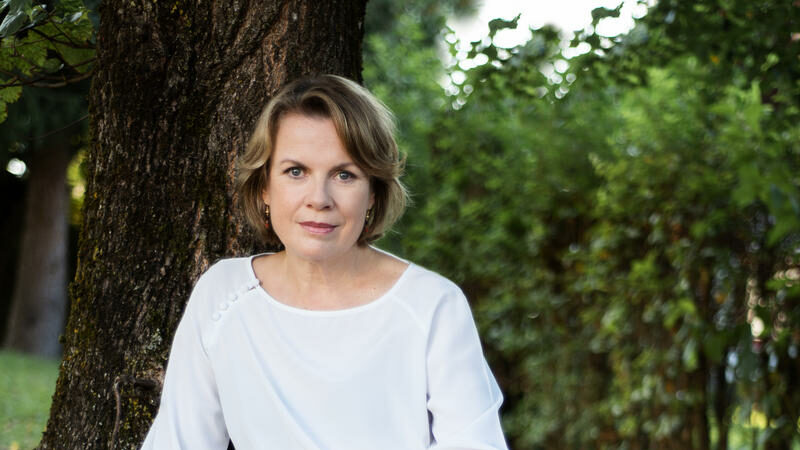
This week, Chris’s Cache highlights Bernarda Fink and Inga Kalna in an opera by Johann Gottlieb Naumann
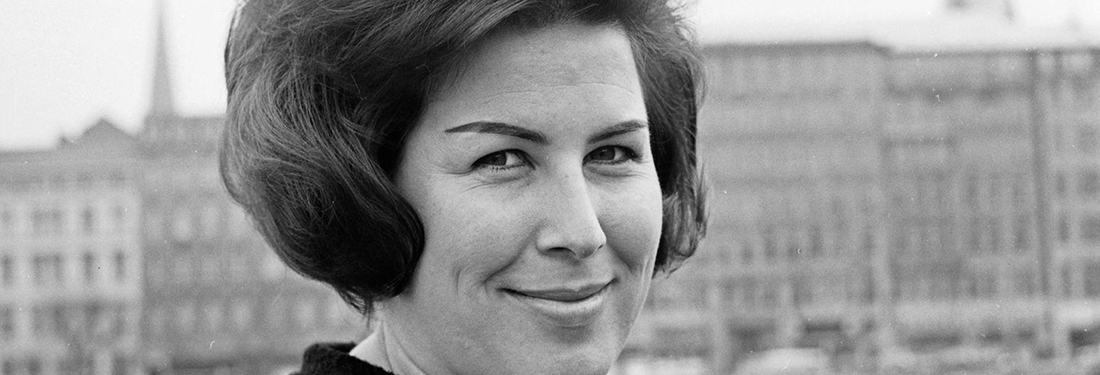
Chris’s Cache wishes Gundula Janowitz a happy 87th birthday today with three early live broadcasts of a favorite soprano in works by Pergolesi, Haydn, and Schumann.
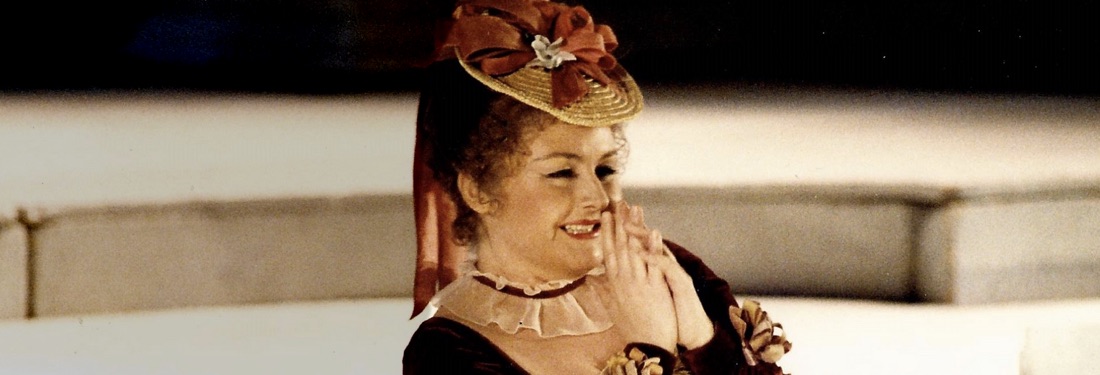
Trove Thursday remembers Edita Gruberová with live recordings of two of the three operas I heard her perform at the Met: a 1985 Munich La Traviata with Neil Shicoff and Wolfgang Brendel conducted by Carlos Kleiber and an I Puritani from Vienna 1994 featuring two other artists who recently left us too soon: Marcello Giordani and Dmitri Hvorostovsky.
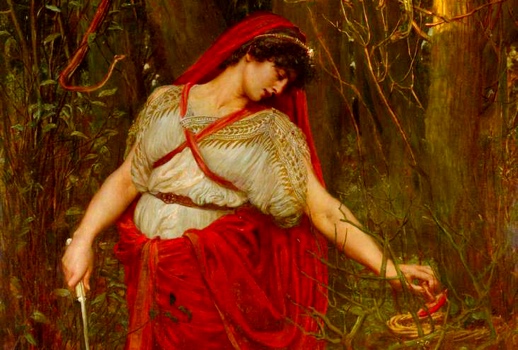
Trove Thursday offers a pair of live broadcasts of Médée featuring two compelling mid-20th century divas—Inge Borkh in German and Eileen Farrell in Italian.
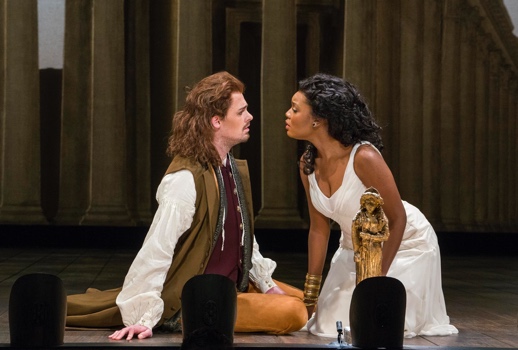
I had my head in my hands groaning in disbelief instead of joining in the general applause around me.
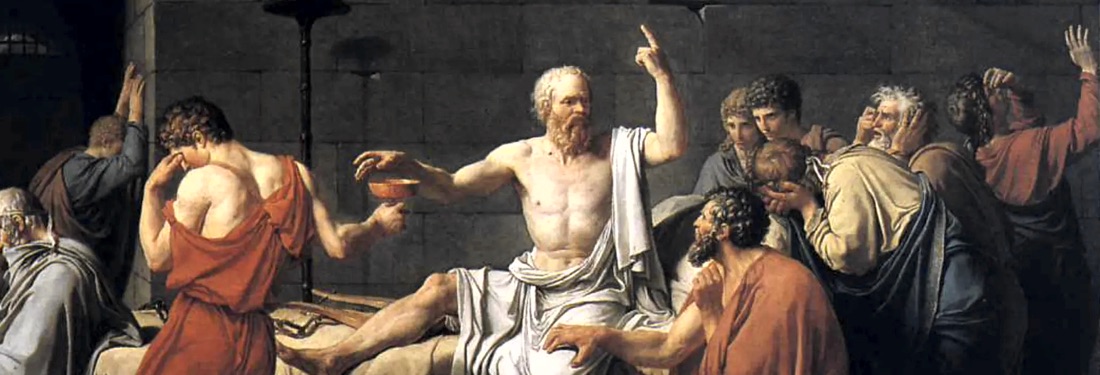
A rollicking performance of his delightful comic opera Der geduldige Sokrates featuring a fine cast and the magnificent Akademie für Alte Musik conducted by René Jacobs.
An outstanding performance of Weber’s Euryanthe to share on “Trove Thursday.”
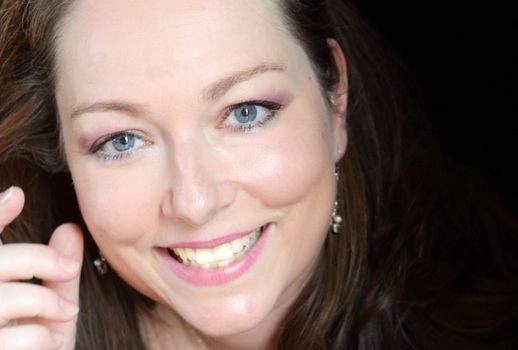
Although she began her career nearly 25 years ago recording and performing lots of baroque music, I was surprised to see German soprano Dorothea Röschmann promoted as the star attraction of an all-Purcell concert Sunday at Carnegie Hall.
The role debut of a world-class singer is always a time of great anticipation, hopefully to be followed by celebration, if not unbridled jubilation.

Joined by the Choir of Trinity Wall Street, The English Concert concluded the US leg of its current tour at Carnegie Hall Sunday with a complete performance of the darkly moving Theodora, Handel’s penultimate oratorio.

Sneaking in under the wire during the final week of May were two highpoints of New York’s opera season: the Cleveland Orchestra’s Salome with a stunning Nina Stemme and operamission’s revelatory US stage premiere of a complete edition of Handel’s first opera Almira.
Certain opera productions become the stuff of legend as much for the circumstances surrounding the performance as for the musical results.
Despite baby-steps over the years, America’s musical scene, especially opera, remains decidedly un-HIP. (HIP: “historically-informed performance,” also called “period performance.”) While European opera houses turn increasingly to “original instrument” orchestras and specialist singers for seventeenth and eighteenth century works, this rarely occurs in the US.

The days are getting shorter, but you can keep the prattle going this fall’s Talk of the Town! You will, you can, you must join in the discussion about: Great mezzo soprano performances (October),
Gained in translation (November), Teleport me back to… (December).
Exclusive opera reviews, commentary, and top reads
delivered to your email weekly…ish.