
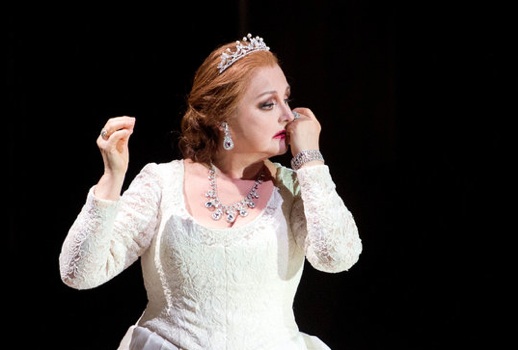
Eternamente
“Go while the going is good. Knowing when to leave may be the smartest thing anyone can learn,” sings Fran in Promises, Promises, the 1968 Hal David/Burt Bacharach musical which apparently Edita Gruberová has never seen.
“Go while the going is good. Knowing when to leave may be the smartest thing anyone can learn,” sings Fran in Promises, Promises, the 1968 Hal David/Burt Bacharach musical which apparently Edita Gruberová has never seen.
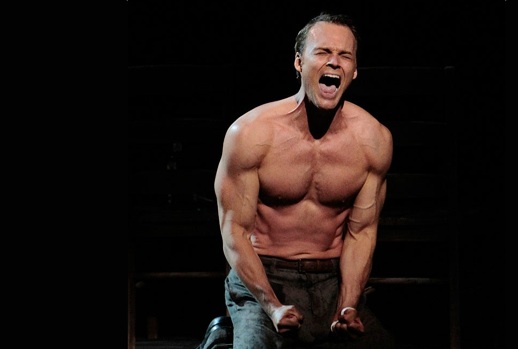
Renée Fleming is one of the most polarizing figures to be discussed here on an ongoing basis.
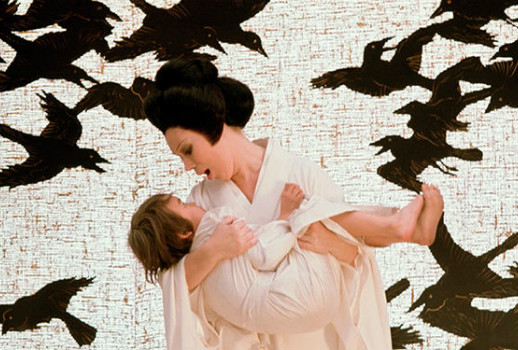
It seems almost comical to think now but the designer-director Jean-Pierre Ponnelle, who died in 1988, was at one time considered the height of regie-theatre scandal.
The role debut of a world-class singer is always a time of great anticipation, hopefully to be followed by celebration, if not unbridled jubilation.

Wednesday brought the Met’s “real” season opener, an indelible, indispensable night at the opera: a starry revival of Verdi’s Macbeth crowned by Anna Netrebko’s demented Lady.
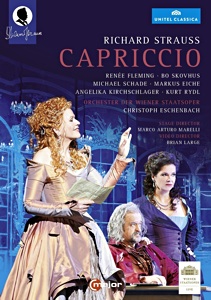
Soprano Renée Fleming is certainly making the role of the Countess in Richard Strauss’s final opera Capriccio the focus of her late-career years.
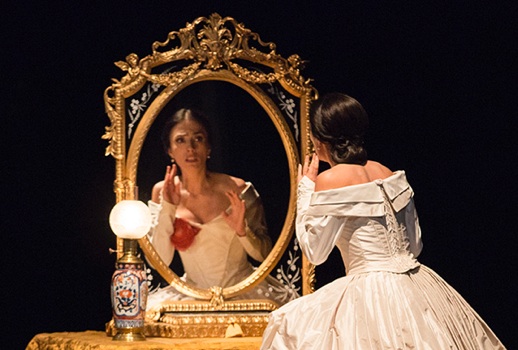
“Oh to be young and going to Paris for the first time,” exclaimed an elderly gentleman who donned his best sweatervest for a concert at the Ottawa International Chamber Music Festival this past August.
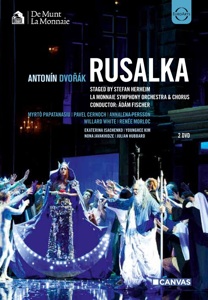
After viewing Stefan Herheim’s production of Rusalka, I’ve got a new category: “regie slick.”
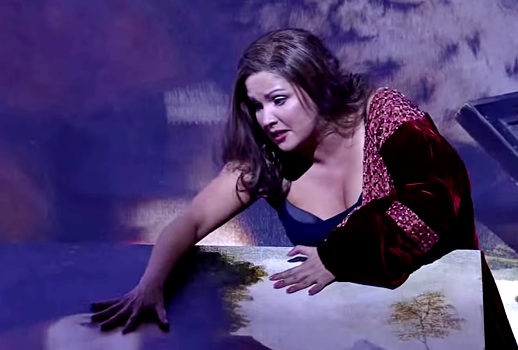
Cher public, you may remember that about 18 years ago a parterre writer called Dr. Repertoire came up with a handy list of rules for stage directors.
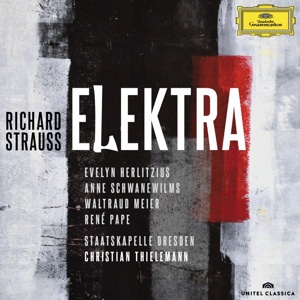
“Conduct Salome and Elektra as if they were by Mendelssohn: Fairy music.” Seriously, how often has that happened?
The Salzburg Festival has long had the image of this place where for a little over a month, the very best singers are brought together with the very best conductors and the very best directors to create the very best productions the opera world has to offer.
Short answer: yes. But let’s begin by dismissing the a blatant canard. One thing that the Metropolitan Opera does not need to do is to scale back the number of performances in a season.

Andris Nelsons led the Vienna Philharmonic in a performance of Salome that provided just the sort of thing one hopes for in a concert performance of an overflowingly rich operatic score.
Mr. Ian Rosenblatt is a London solicitor and patron of charitable causes in Britain primarily focused on classical music.
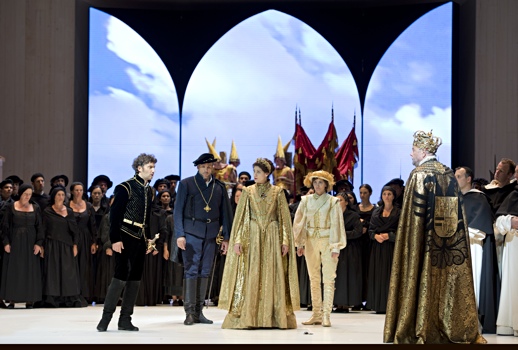
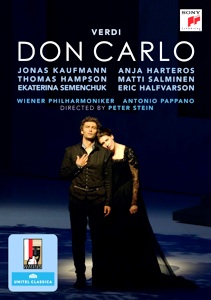
Well, my dears, if you thought Frank Castorf‘s Ring or Stefan Herheim‘s Meistersinger were outré, then wait until you get a load of the radical take on Don Carlos by Peter Stein for the Salzburg Festival!
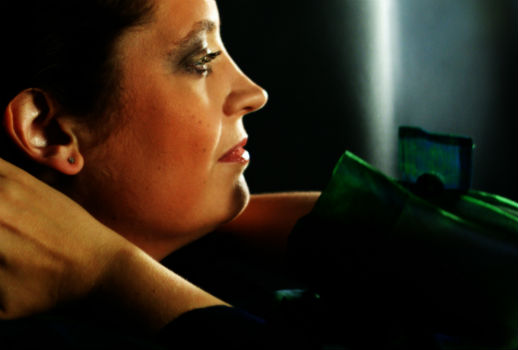
The behavioral phenomenon of limerence has been described as “an involuntary potentially inspiring state of adoration and attachment to a limerent object involving intrusive and obsessive thoughts, feelings and behaviors from euphoria to despair, contingent on perceived emotional reciprocation.”
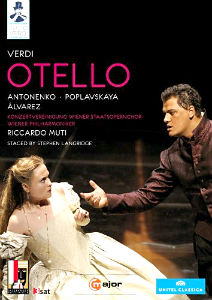
It may have taken most of Verdi’s canon to do it, but the “Tutto Verdi” collection finally manages to do justice to Verdi in his last two operas.

A Dutch-speaking parterrian has graciously translated the interview with Piotr Beczala that’s been causing such a foofaraw lately.
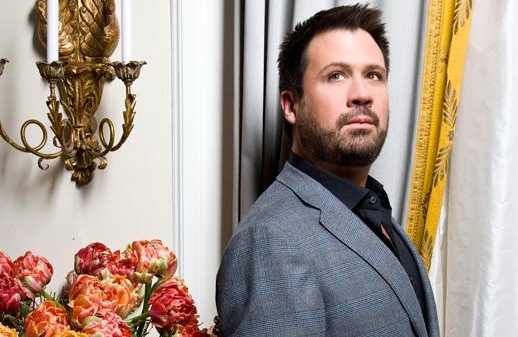
Nearly 30 years after a Handel opera last played there, Carnegie Hall presented The English Concert opening a three-year opera-oratorio project on Sunday afternoon with Radamisto.

The last of the Strauss-Hofmannsthal collaborations, Arabella, is a real problem child.
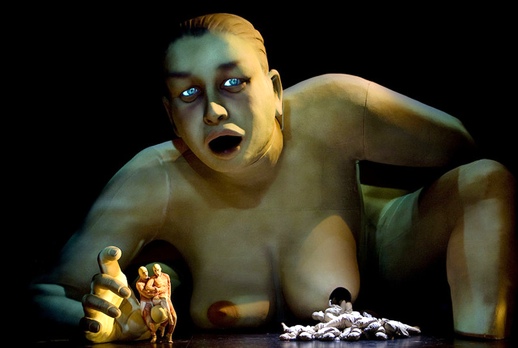
It took about 30 minutes for me to grow restless watching the world premiere video of Gyorgi Ligeti’s Le Grand Macabre from Gran Teatre del Liceu.
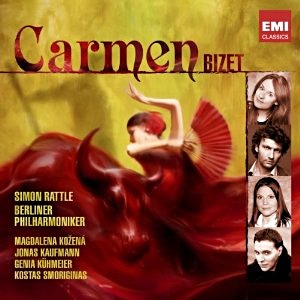
Press quotes on the back of this new release from EMI of Georges Bizet’s masterpiece promise ”a stylish and cliché-free Carmen” and on most fronts I think it’s a fair assessment.
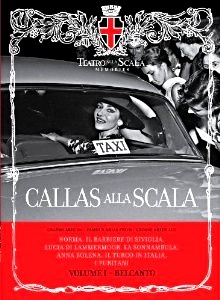
We approach, beloveds, as unto a shrine, for these are no ordinary performances.
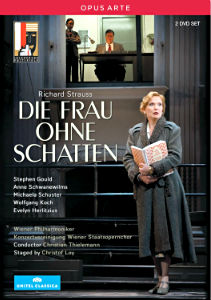
Richard Strauss’s “last romantic opera,” as he called Die Frau Ohne Schatten, is and has always been a problem child.

The days are getting shorter, but you can keep the prattle going this fall’s Talk of the Town! You will, you can, you must join in the discussion about: Great mezzo soprano performances (October),
Gained in translation (November), Teleport me back to… (December).
Exclusive opera reviews, commentary, and top reads
delivered to your email weekly…ish.