
Haircut and paste
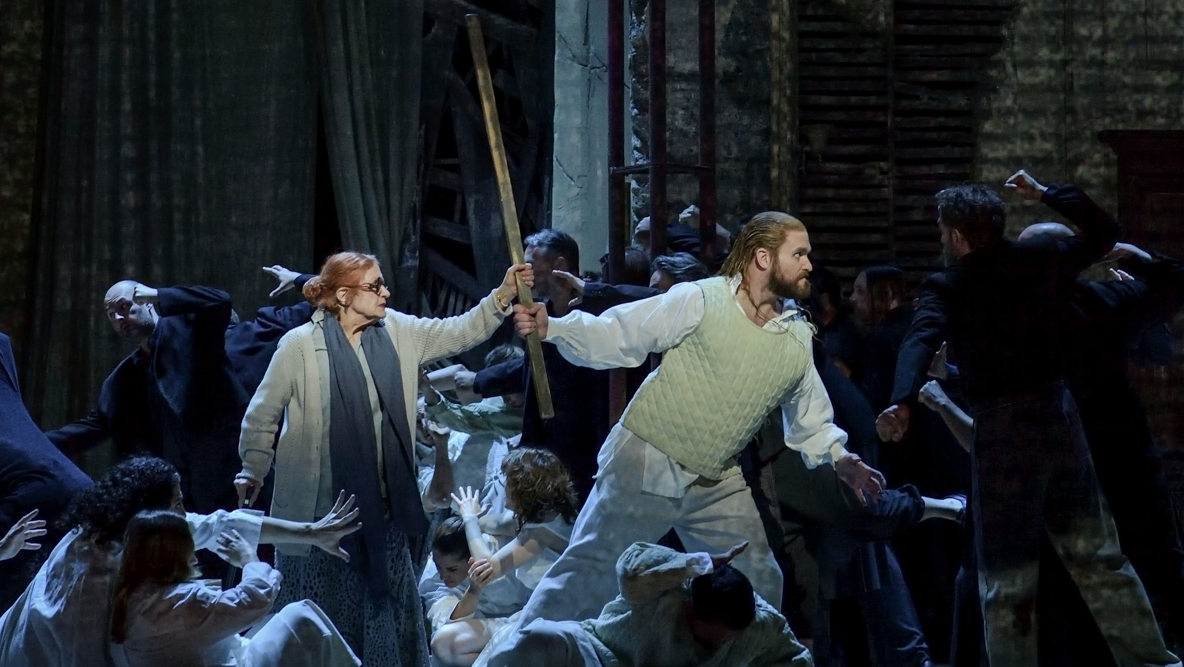
Back to Rameau again this week with Samson at the Opéra Comique, my third Rameau production in as little as three months, after Les Fêtes d’Hébé in the same house, and Castor et Pollux at the Palais Garnier.
13 pieces since 2012.
Back to Rameau again this week with Samson at the Opéra Comique, my third Rameau production in as little as three months, after Les Fêtes d’Hébé in the same house, and Castor et Pollux at the Palais Garnier.
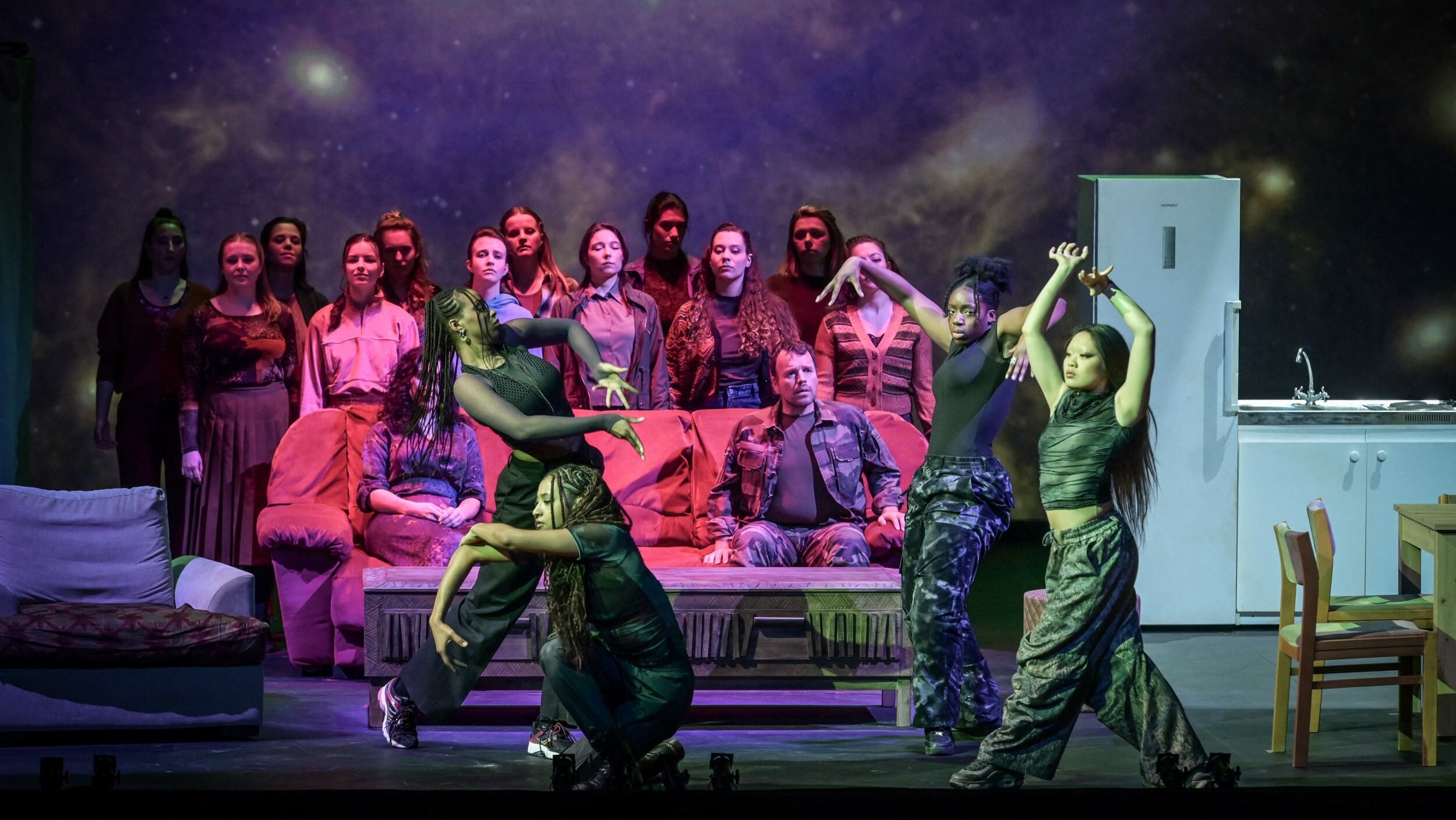
Nigel Wilkinson reports on Teodor Curentzis and Peter Sellars‘s new production of Rameau‘s Castor et Pollux in Paris.
What can you say, other than that everything was fab?
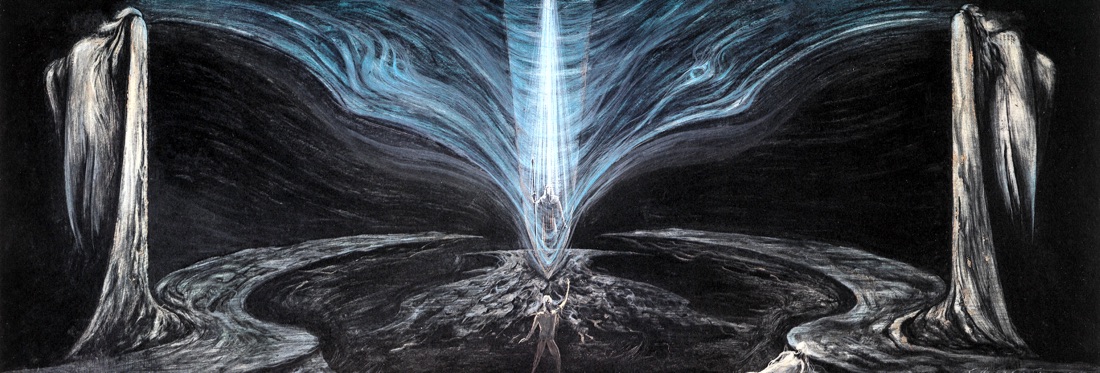
On this day in 1967 Herbert von Karajan bowed at the Metropolitan Opera in a new production of Die Walküre which he directed and conducted.
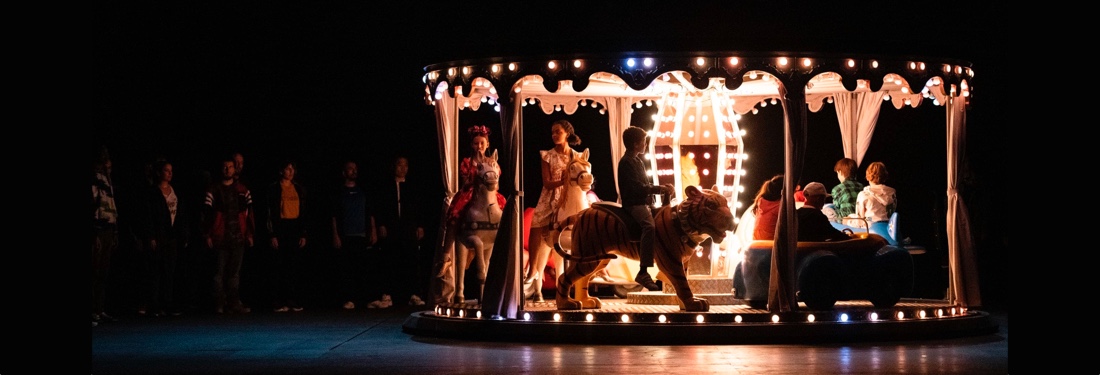
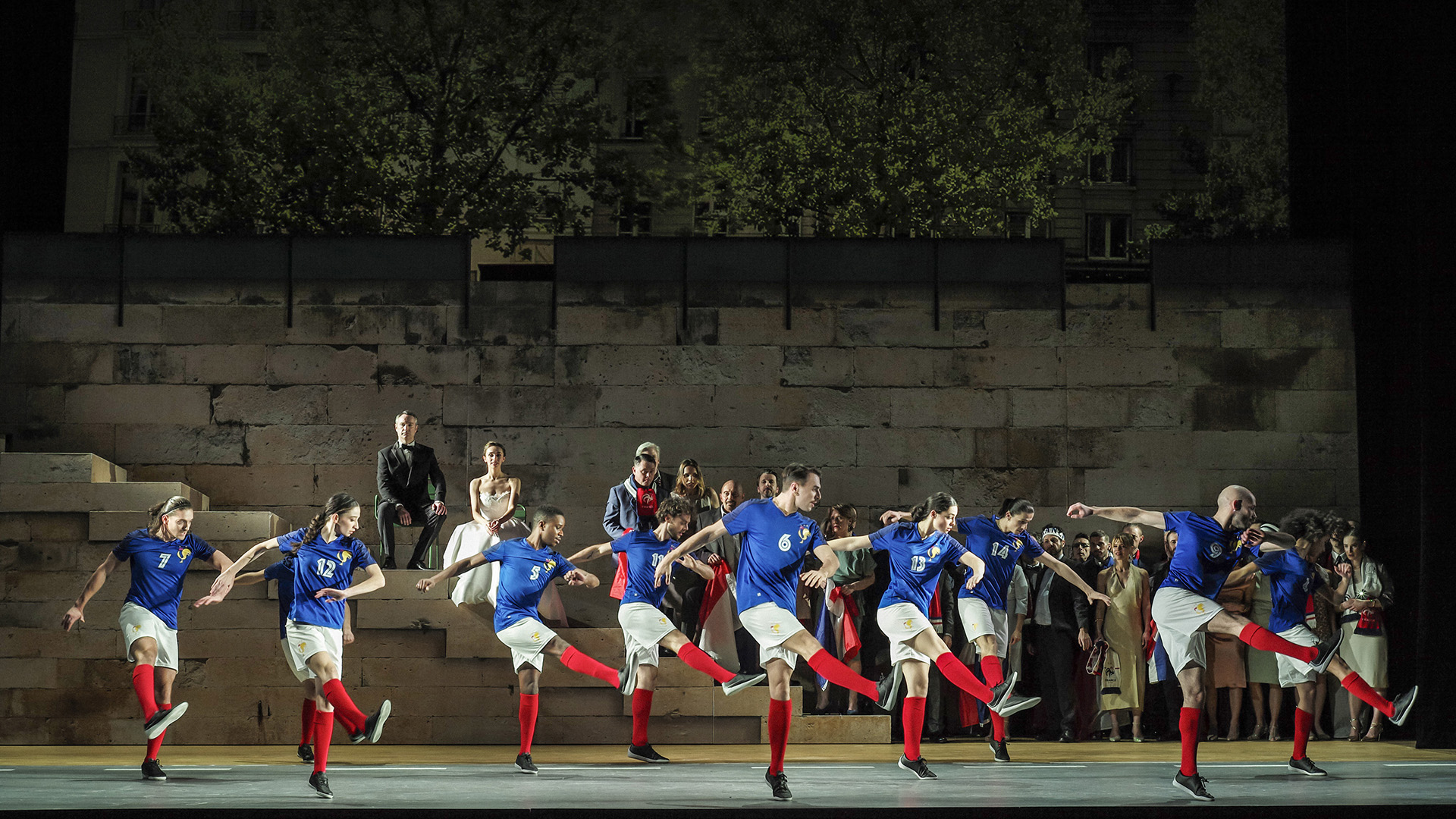
The Paris Opera assembled an all-French cast to stage arguably the most well-known example of opéra-ballet, Jean-Philippe Rameau’s Les Indes Galantes.
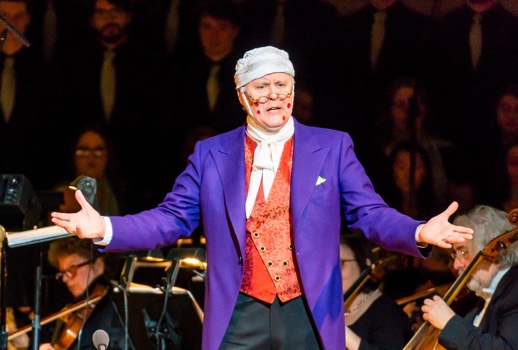
Celebrating Lenny’s 100th this year has made Candide ubiquitous at opera houses worldwide.
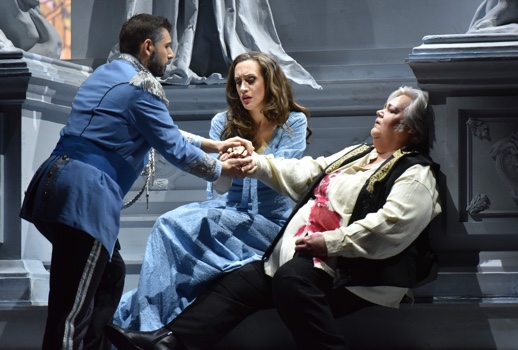
Tancredi, given on February 10th, was a credit to Opera Philadelphia, who offered a well-considered and compelling production.
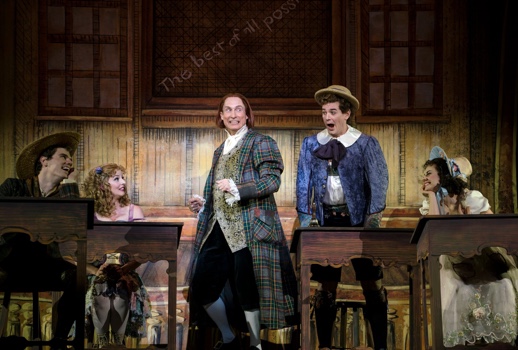
It’s easy to see why Leonard Bernstein’s Candide was a flop when it premiered on Broadway.
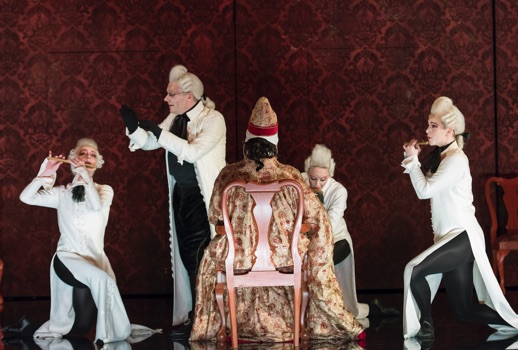
I was, to my astonishment, quite bored.

Heaven temporarily relocated to the Théâtre des Champs-Élysées Sunday evening for a concert performance of Rossini’s revered but rarely heard Semiramide.

The merits of Candide—Leonard Bernstein‘s musically glimmering yet dramatically awkward comic operetta based on Voltaire’s novella – are on ravishing display at the Menier Chocolate Factory.

Name a Verdi opera, based on a play by Voltaire, described in the immortal words of the composer as “Questo e proprio brutto.”
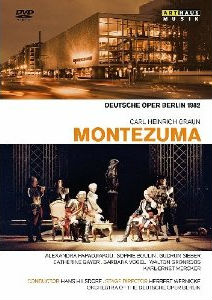
Sometime in 1753, Frederick The Great of Prussia, following a tiff with his great friend Voltaire, began writing an opera libretto in French prose that was to elucidate his ideas about the role of an enlightened monarch.

The days are getting shorter, but you can keep the prattle going this fall’s Talk of the Town! You will, you can, you must join in the discussion about: Great mezzo soprano performances (October),
Gained in translation (November), Teleport me back to… (December).
Exclusive opera reviews, commentary, and top reads
delivered to your email weekly…ish.