
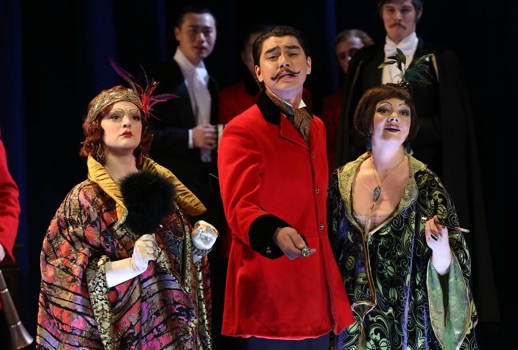
Well-trod cinders in fitting slippers
Forgotten operas when revived may prove to be only their own reward.
46 pieces since 2005.
Forgotten operas when revived may prove to be only their own reward.
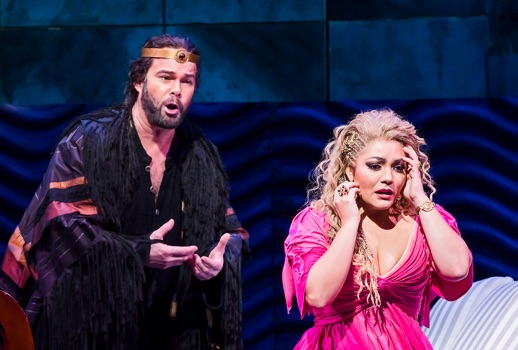
A wonderfully committed Ailyn Pérez and Gerald Finley at Saturday afternoon’s revival abetted by Emmanuel Villaume’s passionate conducting converted me to a Thaïs believer.
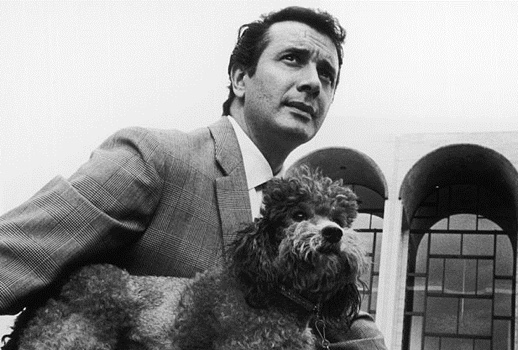
Due to a small hiccup in scheduling at Casa della Cieca, this week you get two uploads!
Massenet’s La Navarraise in a live performance featuring Rita Gorr as Anita and George Shirley as Araquil.

Sandrine Piau‘s lovely recital with pianist Susan Manoff at The Philadelphia Chamber Music Society on February 14 entered around the themes of sleep, dreams and waking.
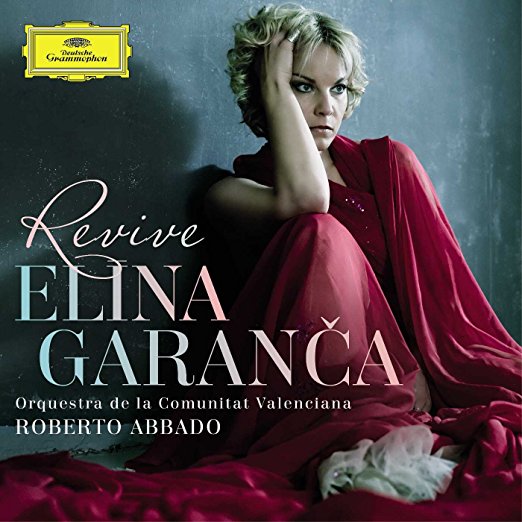
Revive is a manifesto of sorts, declaring Elina Garanca’s intentions for the new direction in her career.
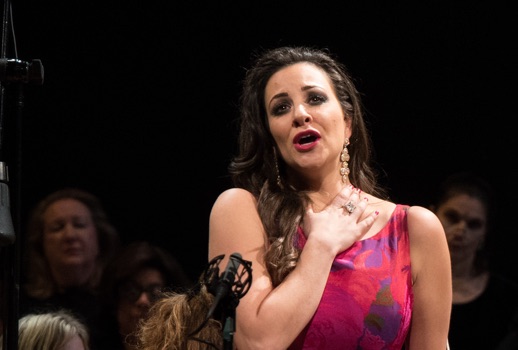
Operatic history can be cruel where multiple works with the same subject are concerned
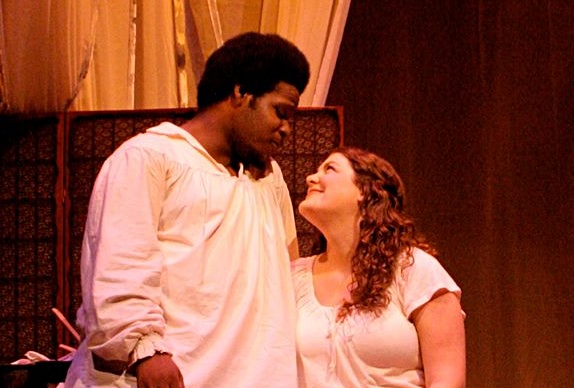
Homer, inspired by many a muse, sang not of sequels to his Iliad.
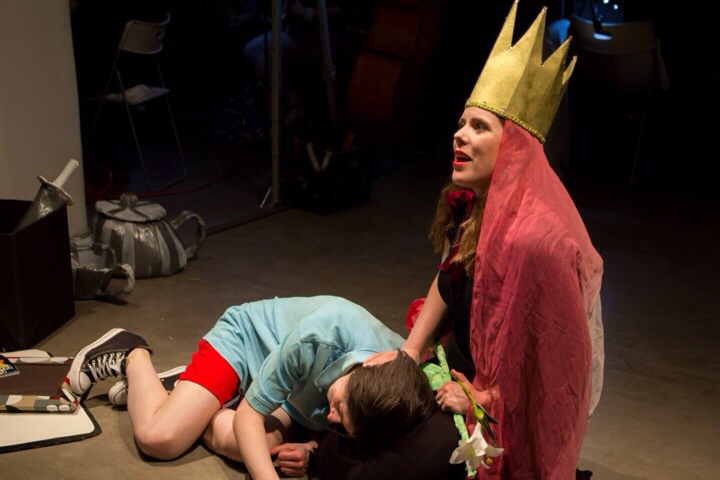
On Saturday, a new company called Bare Opera gave its first performance, a double bill of Debussy’s L’Enfant Prodigue and Ravel’s L’enfant et les sortilèges, at the Robert Miller Gallery in Chelsea.
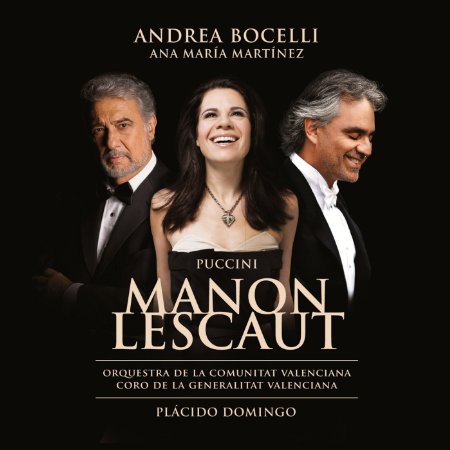
Manon Lescaut was Giacomo Puccini’s first big international success. His publisher, Giulio Ricordi, tried to put him off the project by citing Jules Massenet’s very successful adaptation just nine years previously. Puccini was intent on making the story his own, insisting, “A woman like Manon can have more than one lover… I shall feel it […]
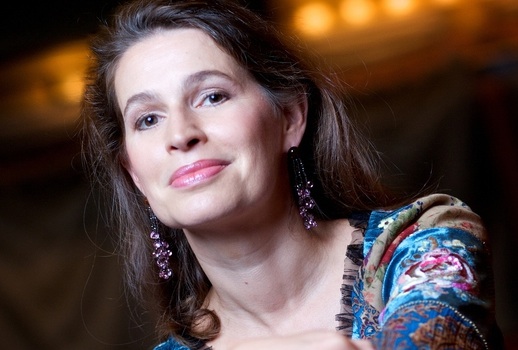
And though I have the gift of prophecy, and understand all mysteries, and all knowledge; and though I have all faith… I am nothing.”

Thérèse is a compact work consisting of two short acts and clocks in just under seventy minutes.
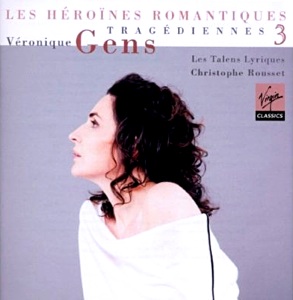
Cecilia Bartoli and Joyce DiDonato are not the only ladies who have recorded recitals this year featuring music from the 17th and 18th centuries.
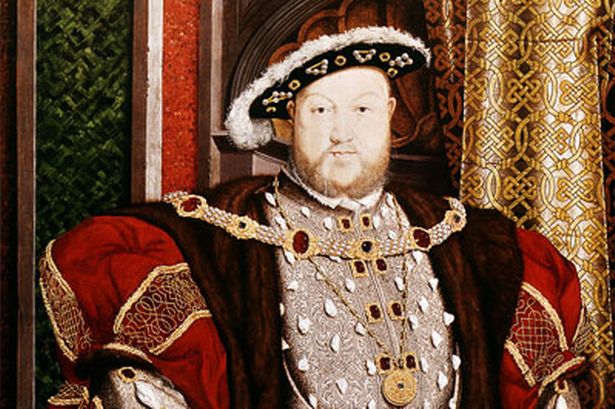
Camille Saint-Saëns was such a brilliant, facile musician that pals like Wagner and Liszt felt a distinct schadenfreude when he suffered composer’s block.
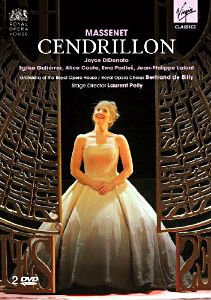
As a child I had but a few criteria that were necessary to ensure a happy entertainment. These included mostly ball-gowns, fairy godmothers and Julie Andrews, though Sally Ann Howes was acceptable in a pinch.
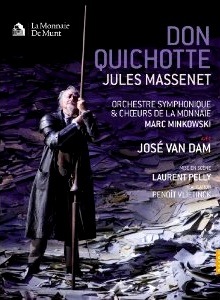
Jules Massenet’s Don Quichotte was one of a number of commissions from the Monte Carlo Opera that occupied the composer at the end of his life.

Jules Massenet wrote Werther at the midpoint of his very successful career.

When the hard-partying heroine of Massenet’s Manon hits bottom, she literally lands in the gutter.
The cover of Joyce Di Donato’s third recital disc Diva, Divo immediately tells the listener that either the famed mezzo (along with the Orchestre et Choeur de L’Opera National de Lyon under Kazushi Ono) has decided to release a recording of music from Victor/Victoria, or her new CD will feature her performing arias as male […]
It’s safe to say that there has been a lot of talk about Rufus Wainwright’s opera Prima Donna, which received its London premiere this week.
Leyla Gencer: The very name is exotic. She was an artist of Turkish ancestry who, during the 1950s and 60s, held her own despite the presence of Maria Callas, Renata Tebaldi, Renata Scotto, Montserrat Caballe, and Magda Olivero, all of whom shared roles in her repertoire. Ironically, Gencer has a number of important credits attached […]
“She had awakened desire in him, and he had once approached the house of Thais. But he stopped on the threshold of the courtesan’s house, partly restrained by the natural timidity of extreme youth– he was then but fifteen years old– and partly by the fear of being refused on account of his want of […]

The days are getting shorter, but you can keep the prattle going this fall’s Talk of the Town! You will, you can, you must join in the discussion about: Great mezzo soprano performances (October),
Gained in translation (November), Teleport me back to… (December).
Exclusive opera reviews, commentary, and top reads
delivered to your email weekly…ish.