
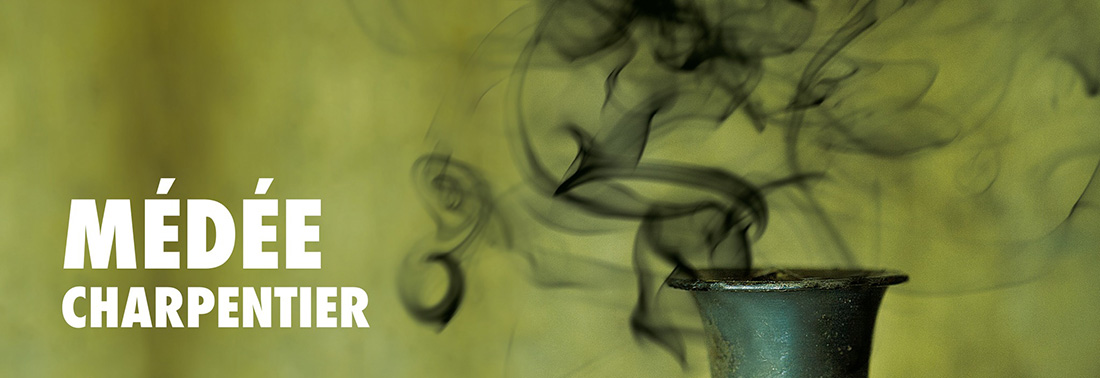
A woman scorned
Marc-Antoine Charpentier and Thomas Corneille’s Médée is a monument of the 17th century French baroque lyric tragedy.
13 pieces since 2011 — at 2 companies, most often at Théâtre des Champs-Élysées.
Marc-Antoine Charpentier and Thomas Corneille’s Médée is a monument of the 17th century French baroque lyric tragedy.

While Charles III’s coronation (with Harry but without Meghan and Fergie) commences in London on Saturday, the party started early last month at Carnegie Hall when the Orchestra of St. Luke’s joined by La Chappelle de Québec performed Handel’s gloriously celebratory Coronation Anthems which were composed for a 1727 crowning.
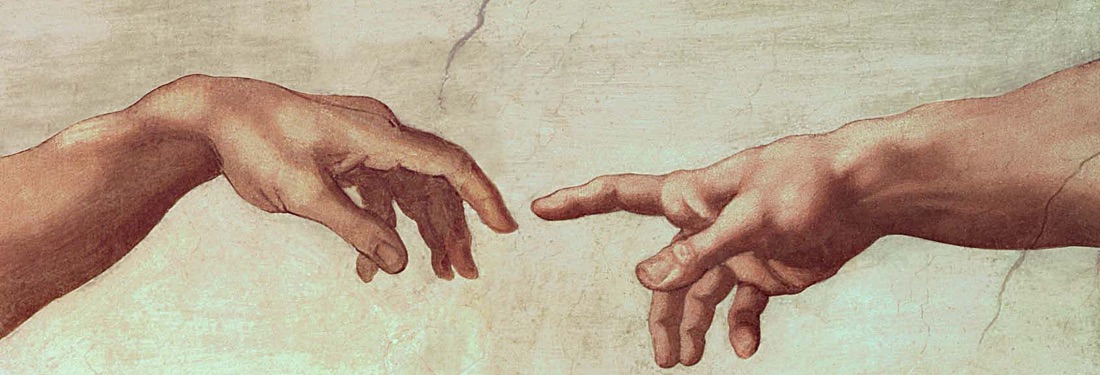
Beverly Sills and Renée Fleming perform 30 years apart the same work with the same orchestra in the same venue!
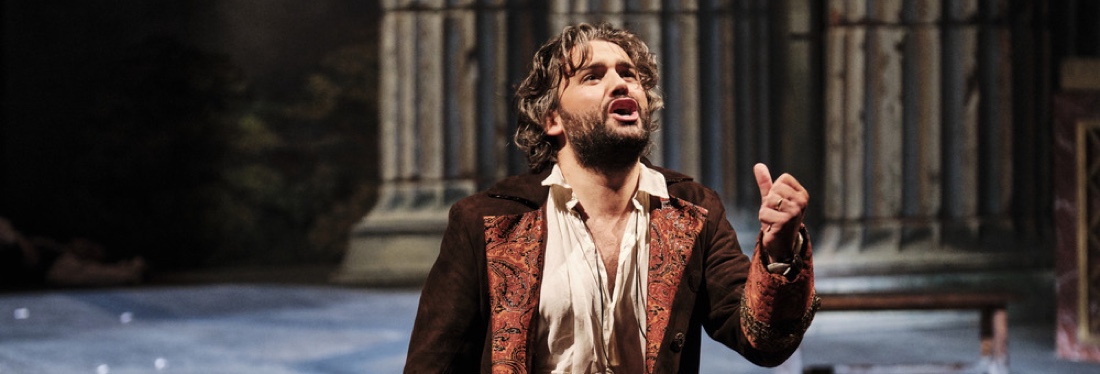
Opéra Royal revives Grétry’s Richard Cœur-de-lion, one of the finest examples of the opéra comique genre.

“Trove Thursday” offers Offenbach’s irreverent La Belle Hélène featuring the beauteous Véronique Gens.

“The heavens are telling” begins the famous chorus that ends the first section of The Creation.
Sometimes the fates conspire, preventing an artist from recording the role for which he is his generation’s touchstone.
As promised, “Trove Thursday” offers Don Quichote chez la duchesse, a second nearly unknown opera based on Cervantes’ towering literary masterpiece.
Three nights, three concert halls, and three incredibly diverse programmes.
America hasn’t exactly been vigorous about commemorating the 250th anniversary of the death of Jean-Philippe Rameau.
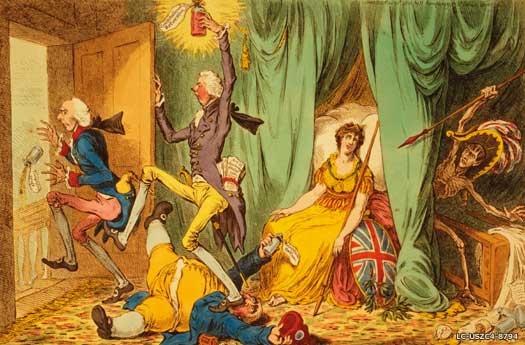
Rule Britannia? Often during the Olympics that famous number from Thomas Arne’s 1740 Alfred echoed in my ears.
Every year New York City opera-lovers eagerly anticipate the autumn because it means that summer is finally over and we can get back to serious opera-going, and this September promises “The Battle of the A’s.”
Despite baby-steps over the years, America’s musical scene, especially opera, remains decidedly un-HIP. (HIP: “historically-informed performance,” also called “period performance.”) While European opera houses turn increasingly to “original instrument” orchestras and specialist singers for seventeenth and eighteenth century works, this rarely occurs in the US.

The days are getting shorter, but you can keep the prattle going this fall’s Talk of the Town! You will, you can, you must join in the discussion about: Great mezzo soprano performances (October),
Gained in translation (November), Teleport me back to… (December).
Exclusive opera reviews, commentary, and top reads
delivered to your email weekly…ish.