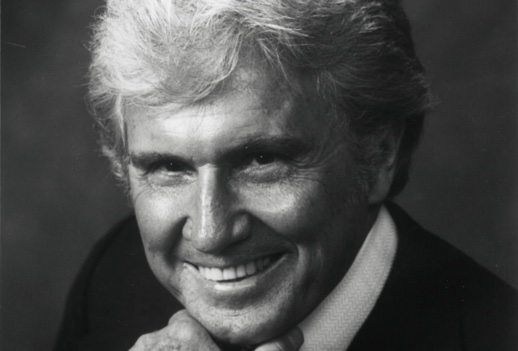
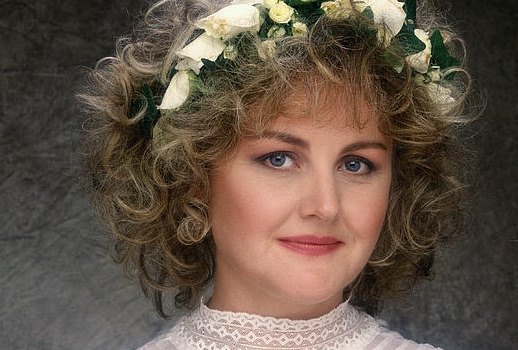
Niel Rishoi
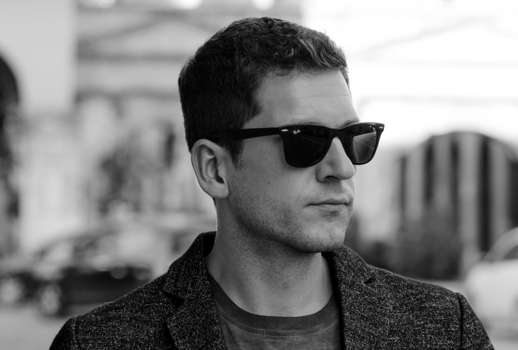
Niel Rishoi fell in love with the high soprano voice when he was 6 years old with Marni Nixon when he heard her sing on a Disneyland record of Hansel and Gretel, the story with the music of Engelbert Humperdinck. Julie Andrews, Jeanette MacDonald, Kathryn Grayson, and Beverly Sills led him to Edita Gruberova in 1983. In 1996 his book on Gruberova was published in German, with subsequent Japanese and Slovak translations following. In between writing reviews, recording booklet notes, and programs, he trains as a bodybuilder, a decades-long passion. A true vocal aficionado, his other favorite artists are Cesare Siepi, Perry Como, Renata Tebaldi, Fiorenza Cossotto, Piero Cappuccilli, and, yes, Doris Day. Niel resides in Metro Detroit with his spouse Ron and their crazy menagerie of dogs and cats.

Though the formal recorded aria recital is the ultimate calling card of an artist, the invitation to the spectator to receive, listen, and critically behold of the offerings (on fire or burnt), they are but a souvenir and there are a few drawbacks inherent with the presentation.
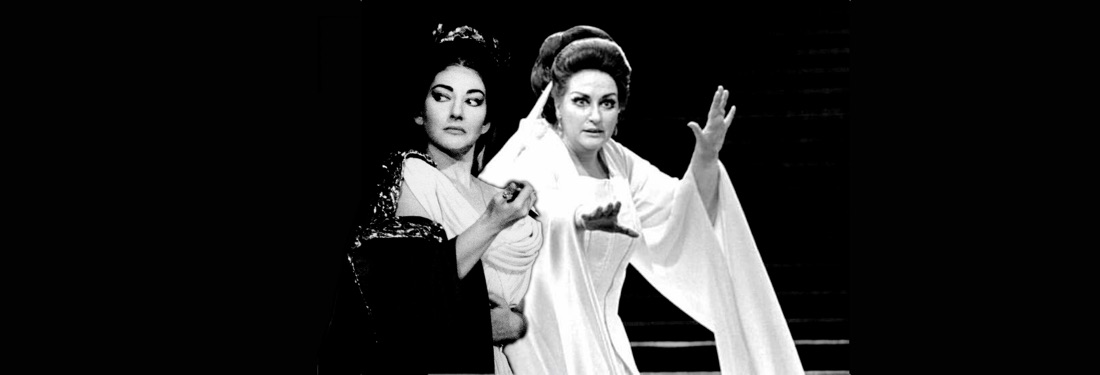
Maria Callas and Montserrat Caballé are two of the most highly-regarded and esteemed exponents of the great soprano roles in both bel canto and in the operas of Verdi, and their recordings are held as artistic triumphs of the highest order.
The flawless, classical singing style of Perry Como. Perry Como?
Next Marko Mimica discussed which music “reached” him most and how he regards expressing himself in various languages.
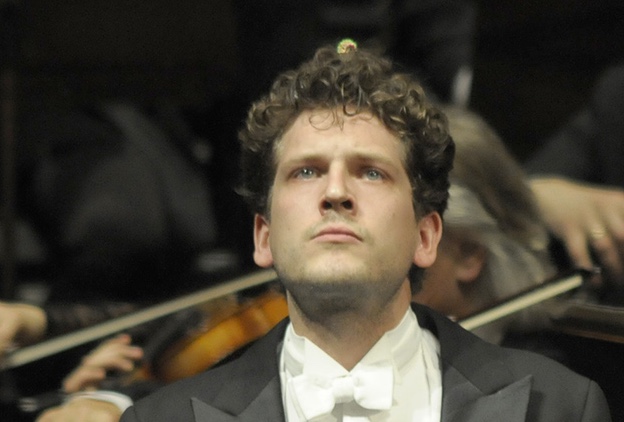
Next, I asked Marko Mimica which basses he prefers to listen to on recordings.
In Bellini’s opera Norma, the “padre” role of Oroveso, it may be safely said, is “undistinguished”—dull and conventional. The bass entrusted with the role usually will engender two reactions: more frequently than not, “Cut this boring music,” and rather more rarely: “What a pity Oroveso doesn’t have more music.”
On the occasion of the hundredth anniversary of your birth, I am perplexed as to what to write about you that isn’t of the highest, most ecstatic praise and of deliriously effusive encomiums.
In the final installment of this interview, the star discusses the enduring appeal of Carousel.
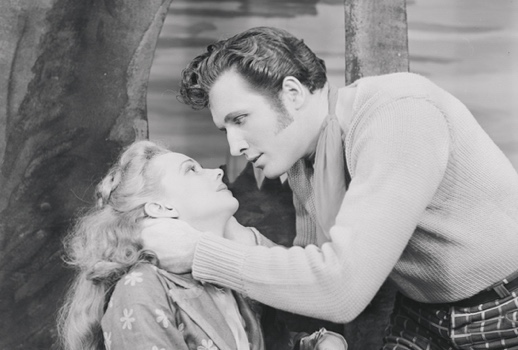
In the third part of this interview with John Raitt, the singer speaks in great detail how he was cast in his breakthrough role of Billy Bigelow in Carousel.
How did you first grow interested in singing?
Never in my wildest dreams did I imagine I would be having lengthy telephone conversations with John Raitt.
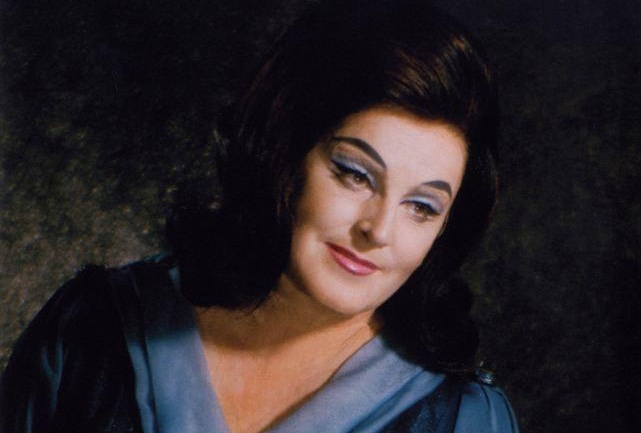
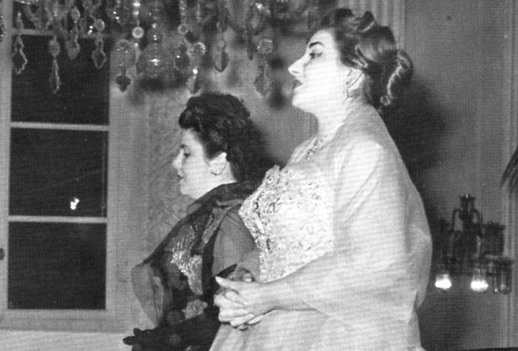
Maria Callas’s most outstanding Adalgisa, out of all she partnered with, was Fiorenza Cossotto.
I clearly remember the day I first heard the voice of Cesare Siepi.
If one looks at trends in the last 40 or so years, the most successful Normas are mainly those who’ve made not just bel canto, but Bellini as a mainstay in their repertoire.
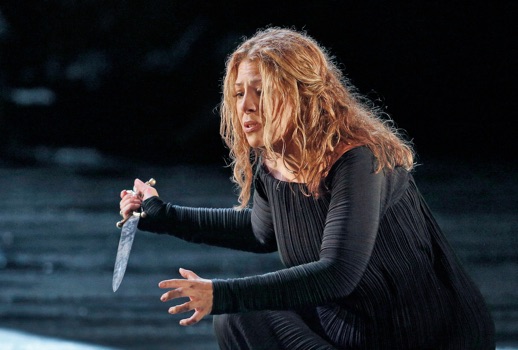
Edita Gruberova takes on the requirements of the title role in Bellini’s Norma.
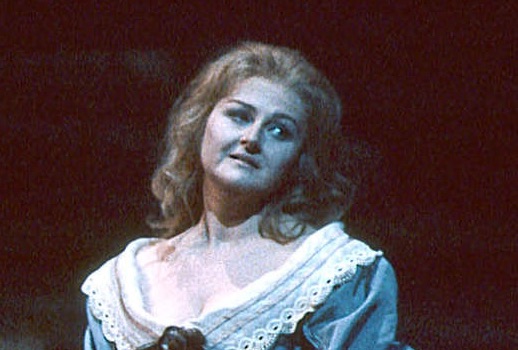
Edita Gruberova essentially revived and propagated the bel canto repertoire in central Europe, specifically in the German-speaking countries.
It can be confidently asserted that Edita Gruberova is one opera’s most gifted comediennes.
No 50th anniversary career tribute would be complete without covering Edita Gruberova’s legendary status as the premier Zerbinetta of her long reign in the role!
The third installment of my 50th anniversary tribute to Edita Gruberova was impossible to narrow down to one selection.
The Summer of 1983 is when “it” happened.
In observance of Edita’s Gruberova’s 50th anniversary in opera, I would like to offer a series of commentaries, over successive days, of my favorite performances.
I suspect that David McVicar’s new production of the Metropolitan Opera’s Norma had its most congenial showing as a totality, specifically in the HD format at the movie theater.
Rest in peace, dear Albert.
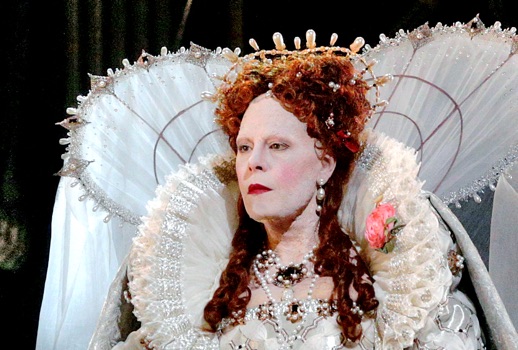
This season’s Met Donizetti Tudor Trilogy concluded with Roberto Devereux, given its penultimate performance by HD transmission Saturday, April 16. It is good to see these works finally given here; they are too important, too crucial a part of the operatic repertory to have been ignored for as long as they have.
Tell us: Filth or dementia?
Hasten thee to feed another quarter of conversation for The Talk of the Town!
Sign up for our free Newsletter.
Support Parterre Box
Donate to keep opera's liveliest publication free and independent. No paywalls, no institutional backing, no bootlicking.
Get our free newsletter
Opera's top reads delivered to your email weekly…ish.
Join over 100k readers.
The best opera magazine on the web.
Reviews, breaking news, critical essays, and brainrot commentary on opera from those demented enough to love it.
Essentials
Copyright © 2026 Parterre Box.
All rights reserved.
Registration or use of this site constitutes acceptance of our Terms & Conditions and our Privacy Policy. Do Not Sell or Share My Personal Information.
Sign up for Parterre’s free newsletter.
Exclusive opera reviews, commentary, and top reads
delivered to your email weekly…ish.