Christopher Corwin

Christopher Corwin began writing for parterre box in 2011 under the pen name “DeCaffarrelli.” His work has also appeared in , The New York Times, Musical America, The Observer, San Francisco Classical Voice and BAMNotes. Like many, he came to opera via the Saturday Met Opera broadcasts which he began listening to at age 11. His particular enthusiasm is 17th and 18th century opera. Since 2015 he has curated the weekly podcast Trove Thursday on parterre box presenting live recordings.
The CD explosion coincided with an enormous increase in interest in HIP (historically informed performance) so now there were lots of commercial recordings of the sort of operas I had turned to pirates to find.
Many live treasures (and some duds) began to take up more and more space—first in my dorm room, then in my first little studio apartment thanks to a group of quite special men, none of whom I ever met face to face.
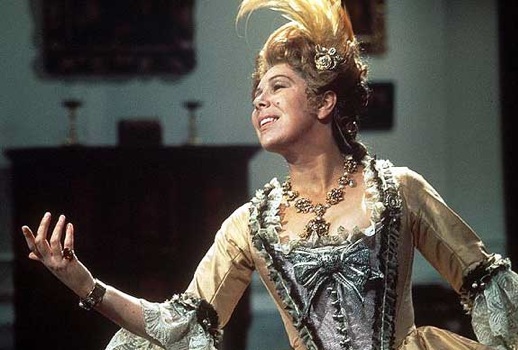
It never occurred to me that each tape had to be individually dubbed or that others, maybe many, many others, might also be ordering tapes at the same time.
Back when I was a good boy, I told my parents that my goal in getting my first job was to earn money for college; however, my real motive was to make my secret wish come true—to be able to consort with “pirates.”

Saturday evening conductor Will Crutchfield revived Donizetti’s La Favorite—unheard in New York for fifteen years.

Poor Paisiello. Out of the nearly 100 operas written by this industrious composer just one was generally regarded as a masterpiece.
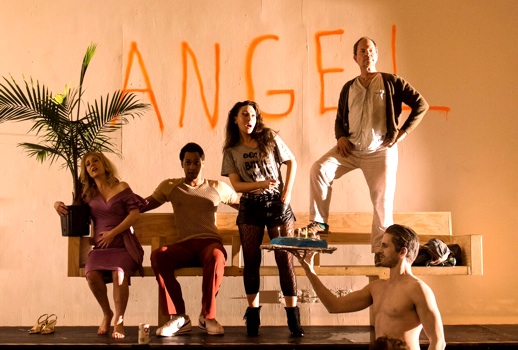
Director R.B. Schlather and his team explored Handel’s Orlando and the results, as seen at Monday night’s final presentation, proved uncommonly stimulating.
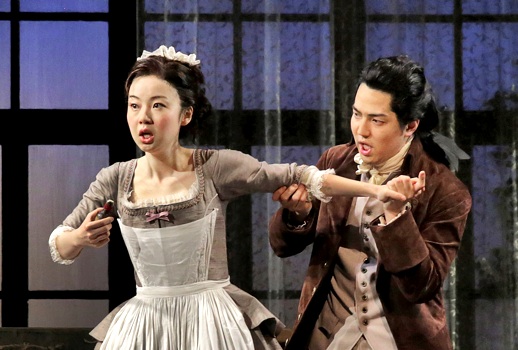
All those who have been in a rage since the news broke this week that the Metropolitan Opera has invited Calixto Bieito to stage Verdi’s La Forza del Destino can relax and embrace the Juilliard Opera’s new Le Nozze di Figaro which opened Friday night.
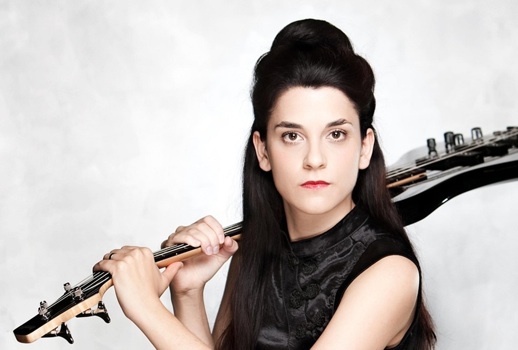
Many large opera companies these days host valuable young artist programs dedicated to helping singers negotiate the difficult transition between leaving the conservatory and becoming full-time performing artists.
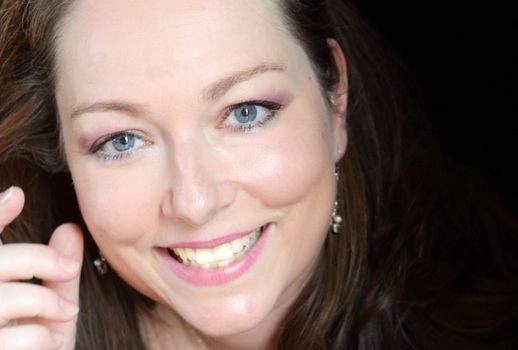
Although she began her career nearly 25 years ago recording and performing lots of baroque music, I was surprised to see German soprano Dorothea Röschmann promoted as the star attraction of an all-Purcell concert Sunday at Carnegie Hall.

Who needs sets and costumes anyway?

The advance publicity about Zhang Huan’s production of Handel’s luscious Semele currently having its US premiere at the Brooklyn Academy of Music prominently featured a provocative claim.
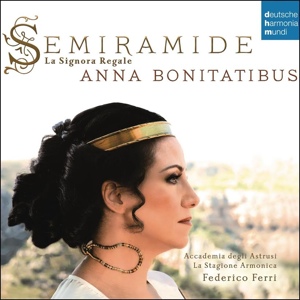
The last day of December a parcel arrived in the mail containing an absolute delight: “Semiramide—La Signora Regale.” One of best vocal recordings of 2014, this sumptuous 2-CD set on Deutsche Harmonia Mundi features the marvelous Italian mezzo-soprano Anna Bonitatibus and includes 90 minutes of rarely-heard music written for the legendary Babylonian queen.
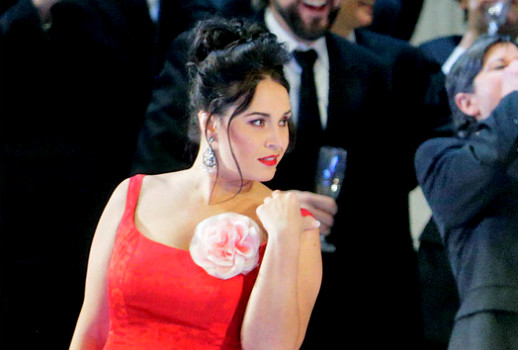
At what moment does a “rising star” become simply a “star”?

New York City isn’t a bad place to live, operatically-speaking.
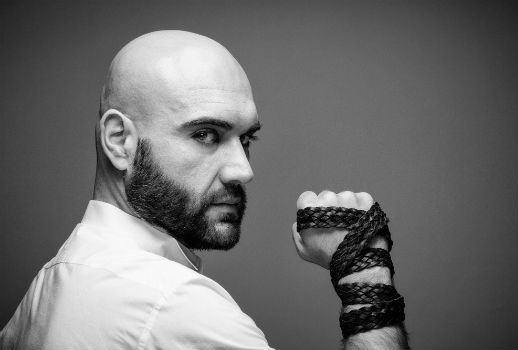
His shaved head in striking contrast to his dark beard and glinting eyes, the implacable Tartar conqueror glowers at us from the CD cover, while the uncropped photo of countertenor Xavier Sabata (above) is even more disturbing, featuring his raised fist and forearm tightly wrapped in a leather belt.

For many in New York and around the world, if the name William Christie appears on a concert or opera program, it’s a must-attend.
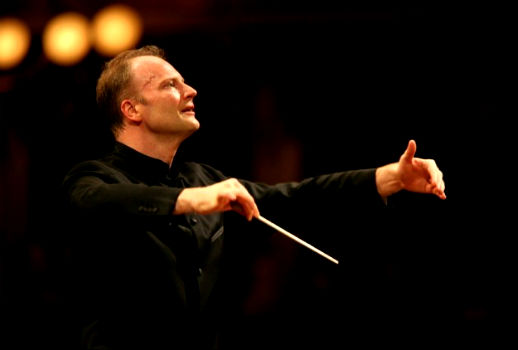
Whenever opera-lovers are canvassed about what neglected operas they hunger to see revived, the resulting lists inevitably feature a goodly number of grand operas, those once wildly popular monstrosities–particularly by Meyerbeer–written primarily for Paris in the mid-19th century.
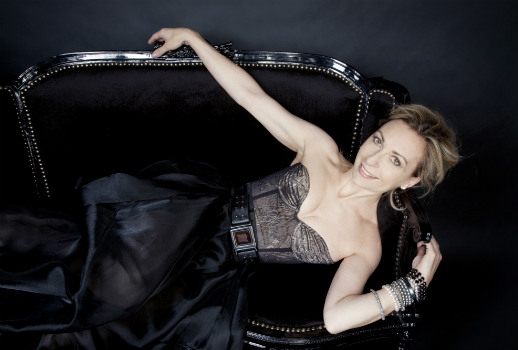
Almost exactly twenty years after her auspicious Metropolitan Opera debut as the Fiakermilli in Arabella and a year following what she has claims was her final appearance on the operatic stage, Natalie Dessay returned Sunday afternoon to Lincoln Center—to sing opera.

Sunday afternoon’s intermittently involving concert performance of Handel’s Alcina at Carnegie Hall starred an unusually intense Joyce DiDonato as a powerful sorceress blinded by her romantic delusions.
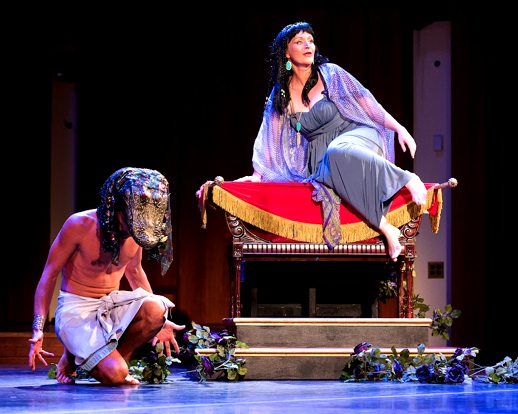
America hasn’t exactly been vigorous about commemorating the 250th anniversary of the death of Jean-Philippe Rameau.
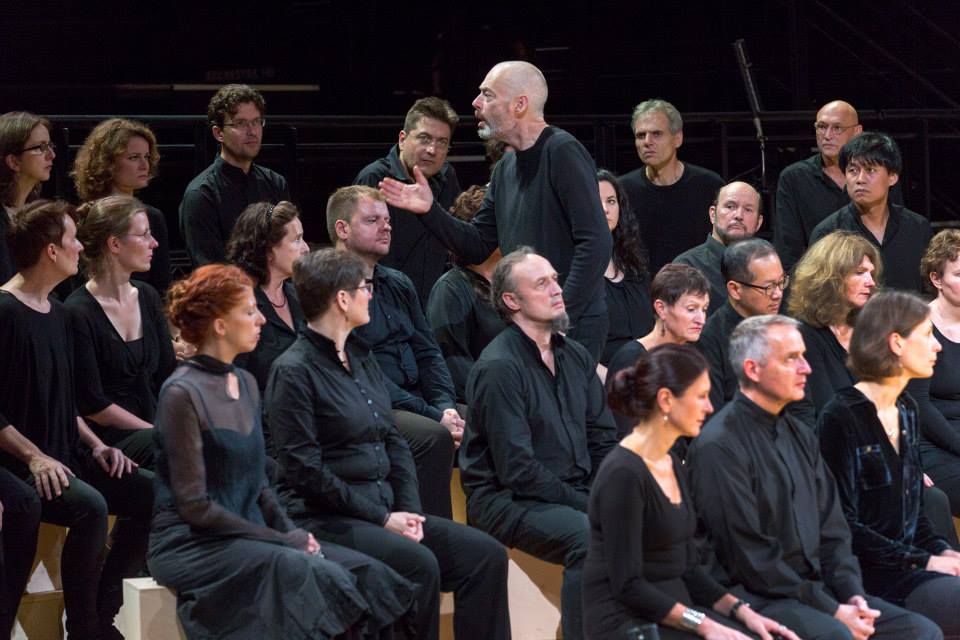
Passion propels more operas than almost any other human emotion; however, many musical dramas have a very different sort of passion—the final days of Jesus—as their subject.

Wednesday brought the Met’s “real” season opener, an indelible, indispensable night at the opera: a starry revival of Verdi’s Macbeth crowned by Anna Netrebko’s demented Lady.
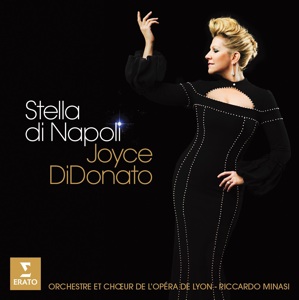
After listening to “Stella di Napoli,” her mightily impressive new CD of rare bel canto arias just released by Erato, I felt many of the old sparks reigniting.
Tell us: What’s your favorite Verdi performance?
Hasten thee to feed another quarter of conversation for The Talk of the Town!