I’d never heard Götterdämmerung in a live performance until 1985 at The Dallas Opera. OMG, so long ago!
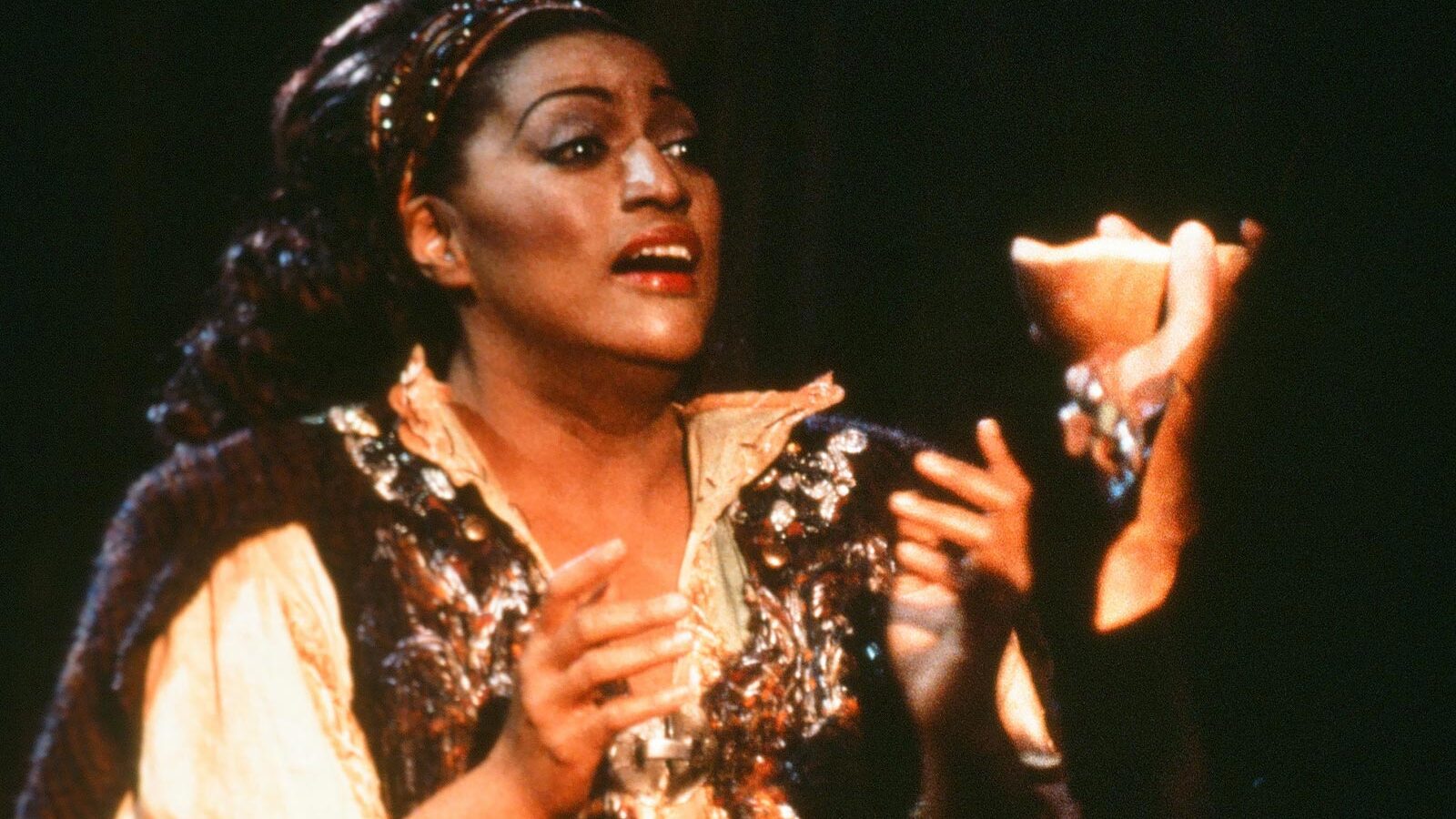
It took me a while to “warm up” to Wagner.


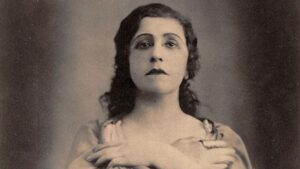
Well, I had a favorite—Sabine Kalter. But 15 years later, I changed my mind. It was Sabine Kalter.

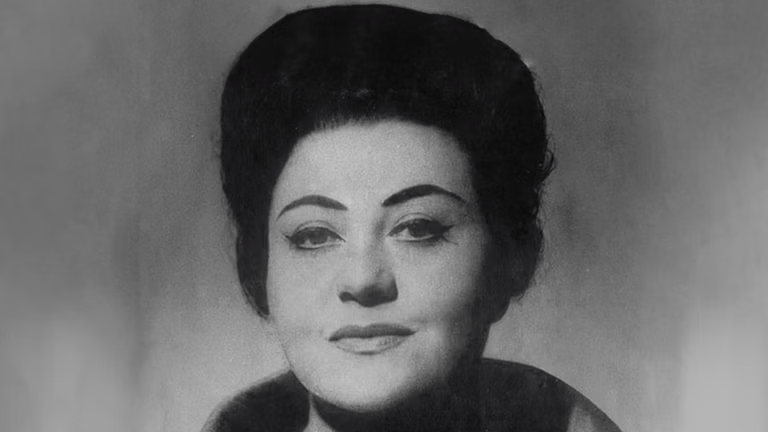
Régine Crespin singing the Wesendonck Lieder is the most beautiful Wagner singing I’ve ever heard.
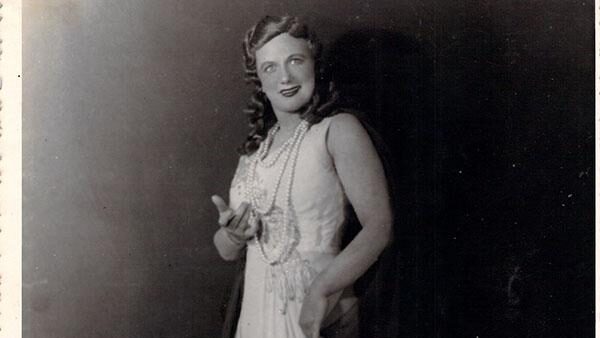
All of the Teatro Colón live opera recordings conducted by Fritz Busch are special, but his 1936 Parsifal is my favorite.
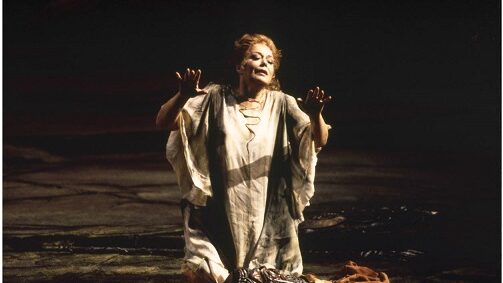
Dame Gwyneth Jones as Brünnhilde pretty much started it all for me.
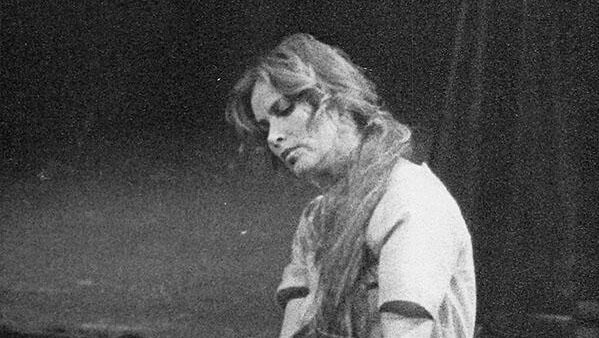
Júlia Várady‘s smoldering, almost feral Sieglinde from the Sawallisch/Lehnhoff Ring, remains my favorite.
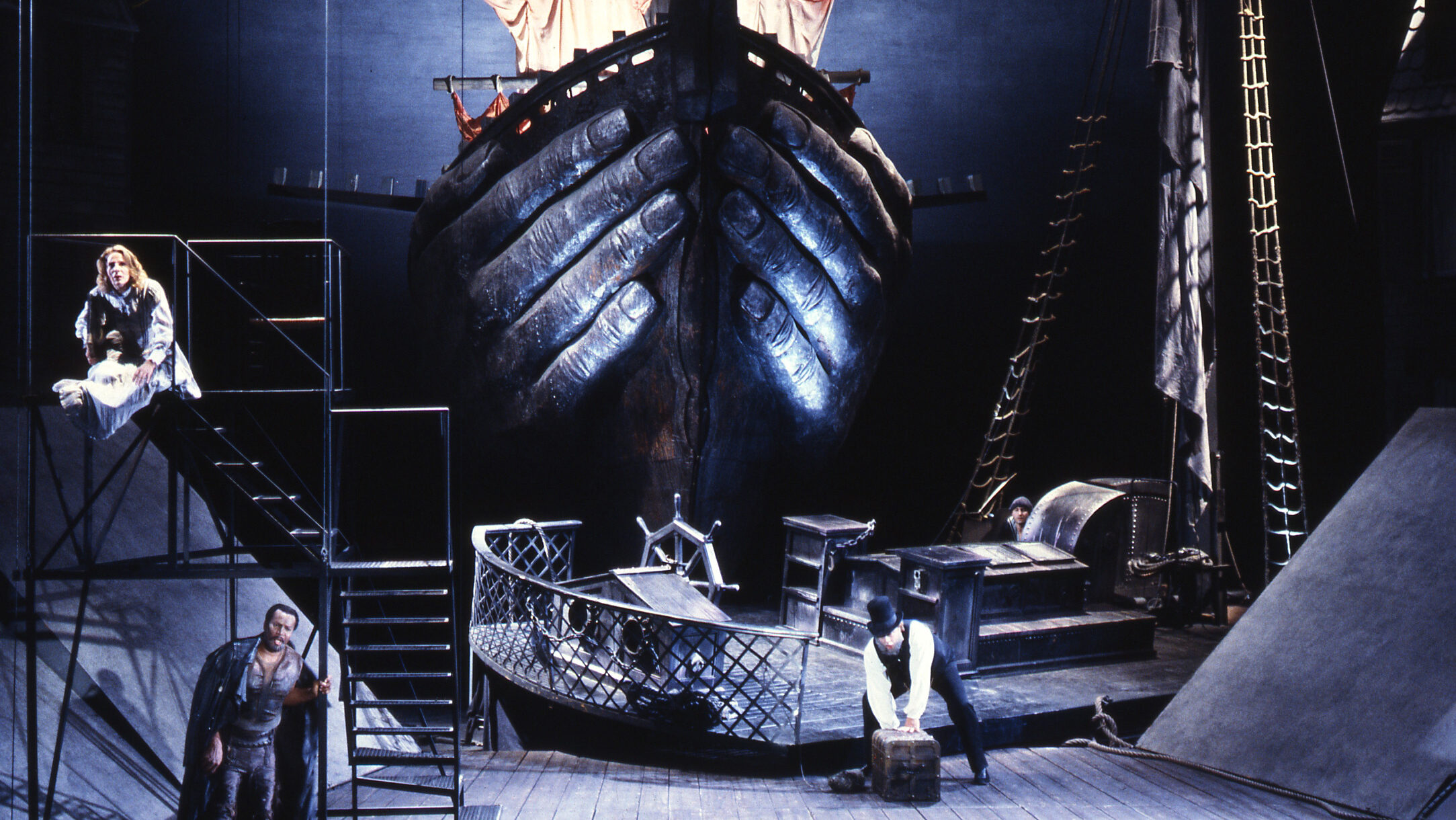
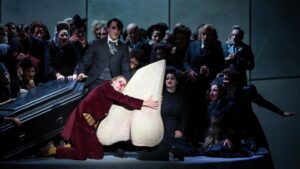
This is one of my favorite operas, and visually and story telling-wise, you can’t beat this production.
One final appeal for you to share what most titillates you in the upcoming season for September’s The Talk of the Town
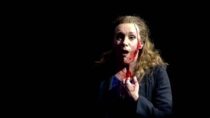
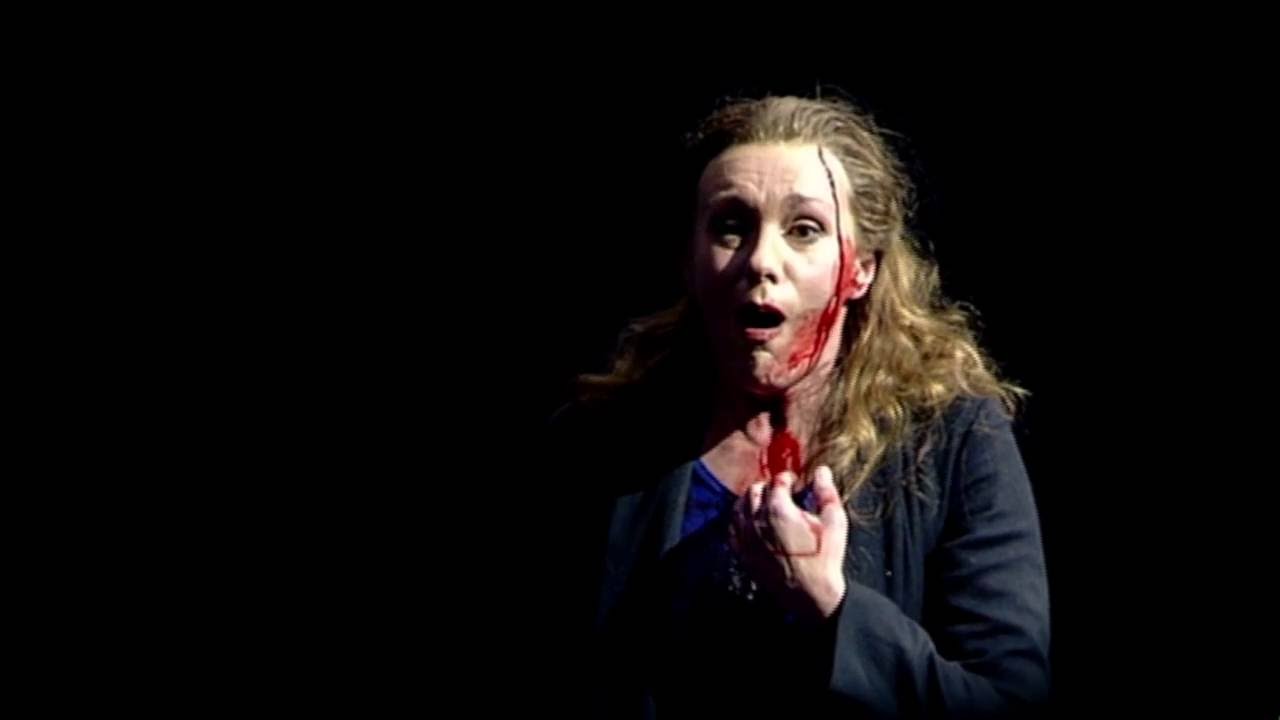
This performance represents a perfect alignment of piece, performer, director, and conductor – the epitome of Gesamtkunstwerk.
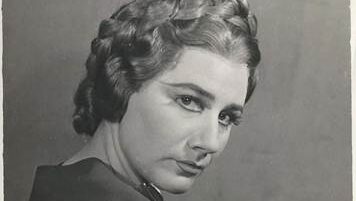
Rita Gorr as Ortrud, Bayreuth, 1959, Cluytens.
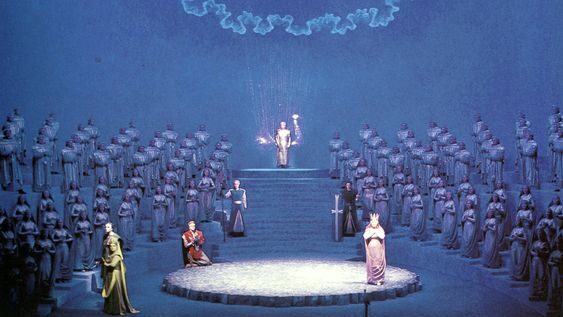
The superb 1958 Bayreuth Lohengrin, under the wonderful Cluytens.
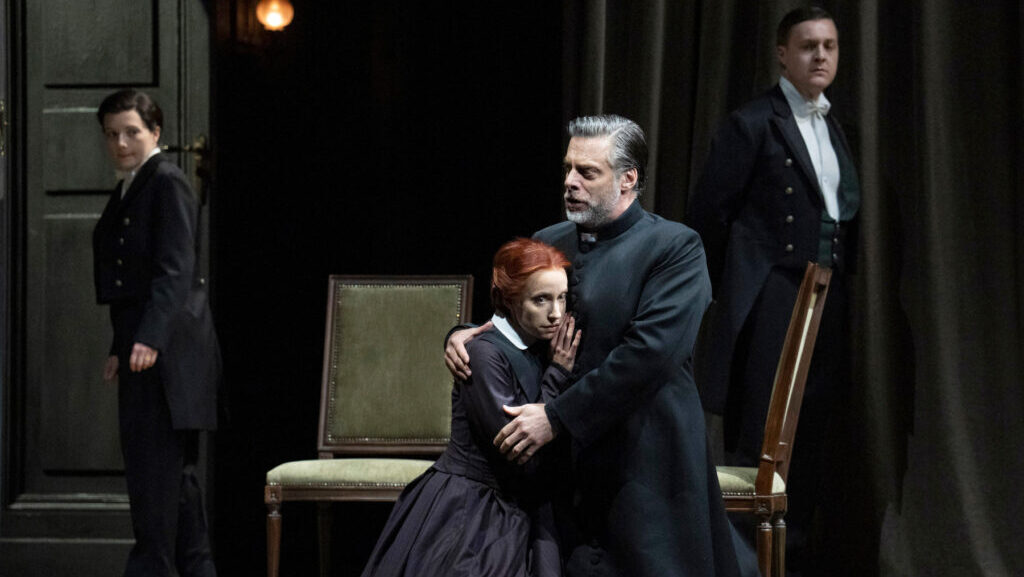
Recency bias is in full swing here, but Glyndebourne’s first ever staging of Parsifal – and my first Parsifal – takes top prize for me.
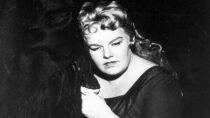
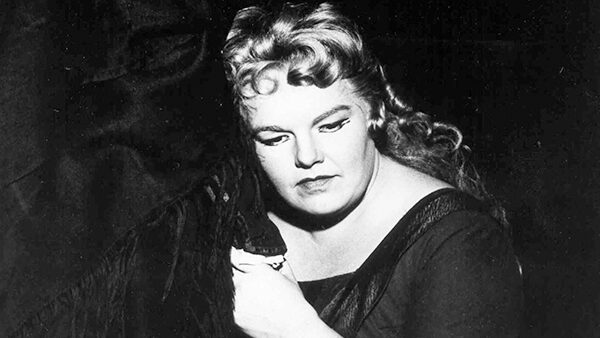
I went to hear Eileen Farrell conducted by Leonard Bernstein at the Philharmonic in 1970.

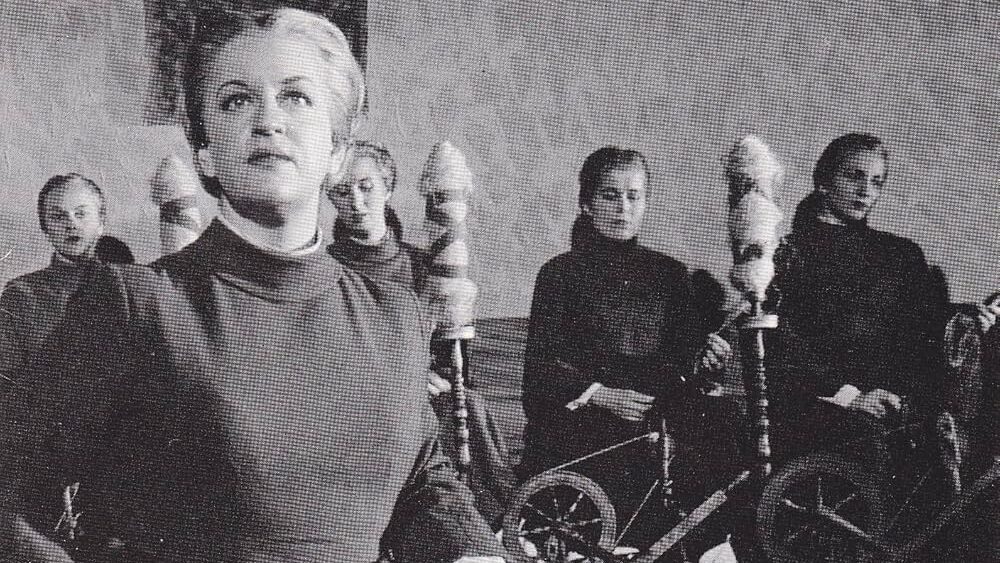
I suppose Der fliegende Holländer is my favorite Wagner opera — a riveting masterpiece from start to finish, dramatically and musically.
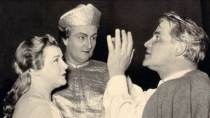
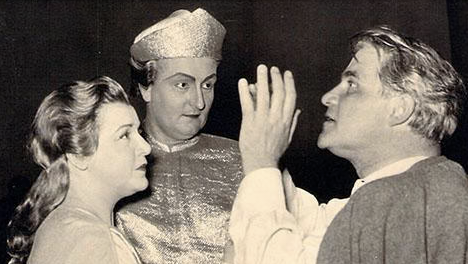
Eleanor Steber and Wolfgang Windgassen in the Act III bridal chamber scene of Lohengrin.
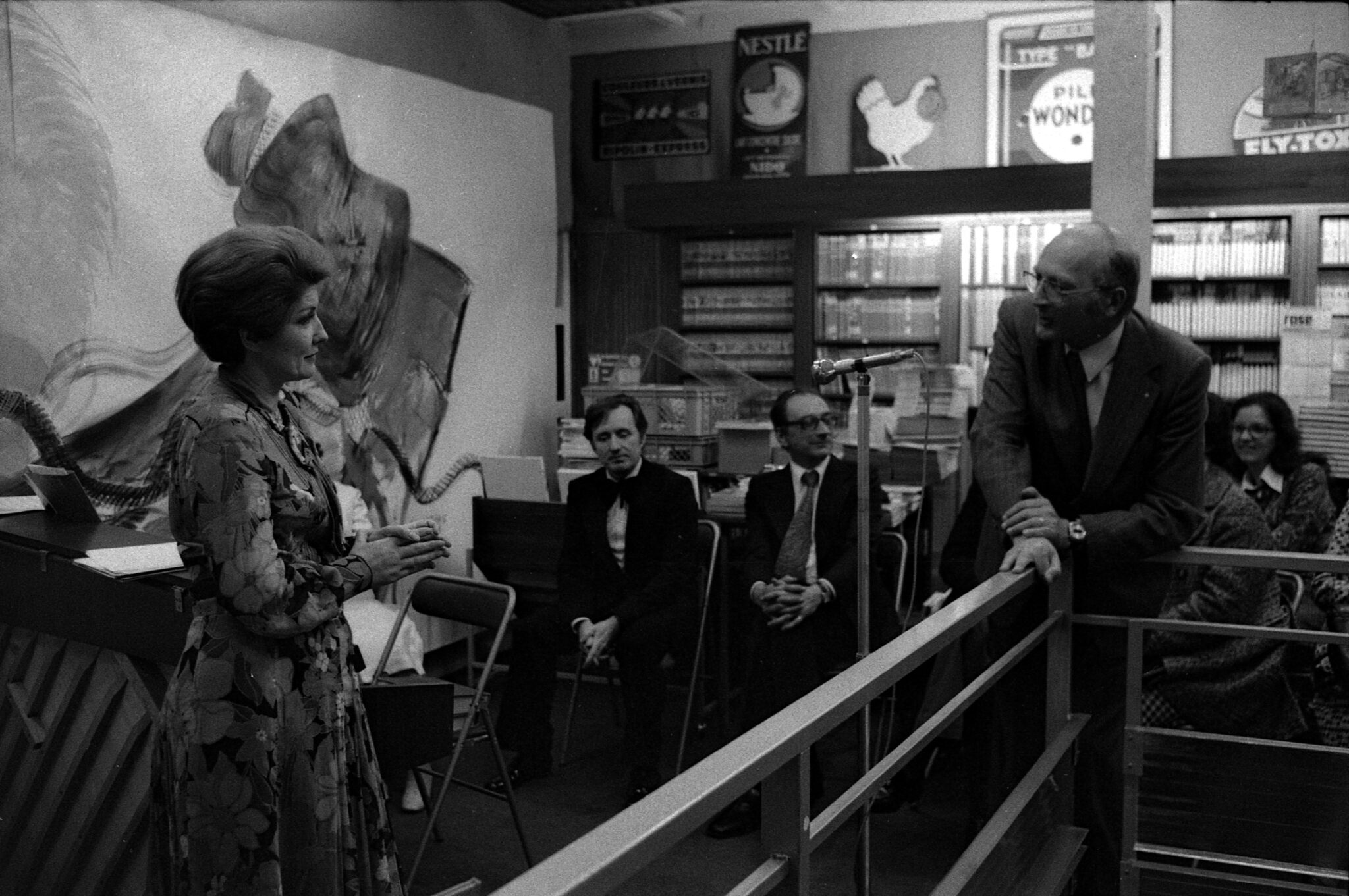
Mady Mesplé’s voice has, sadly, become an acquired taste.
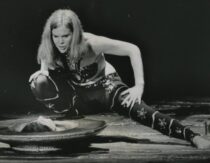
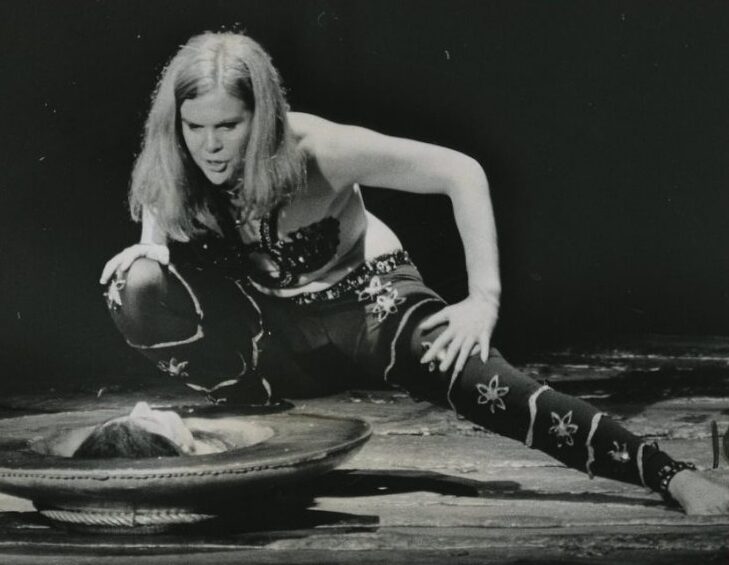
I never got to hear Silja in person, and I suspect I should have for me to even begin to appreciate her.
This clip is a strong case for leaving non-operatic music alone.
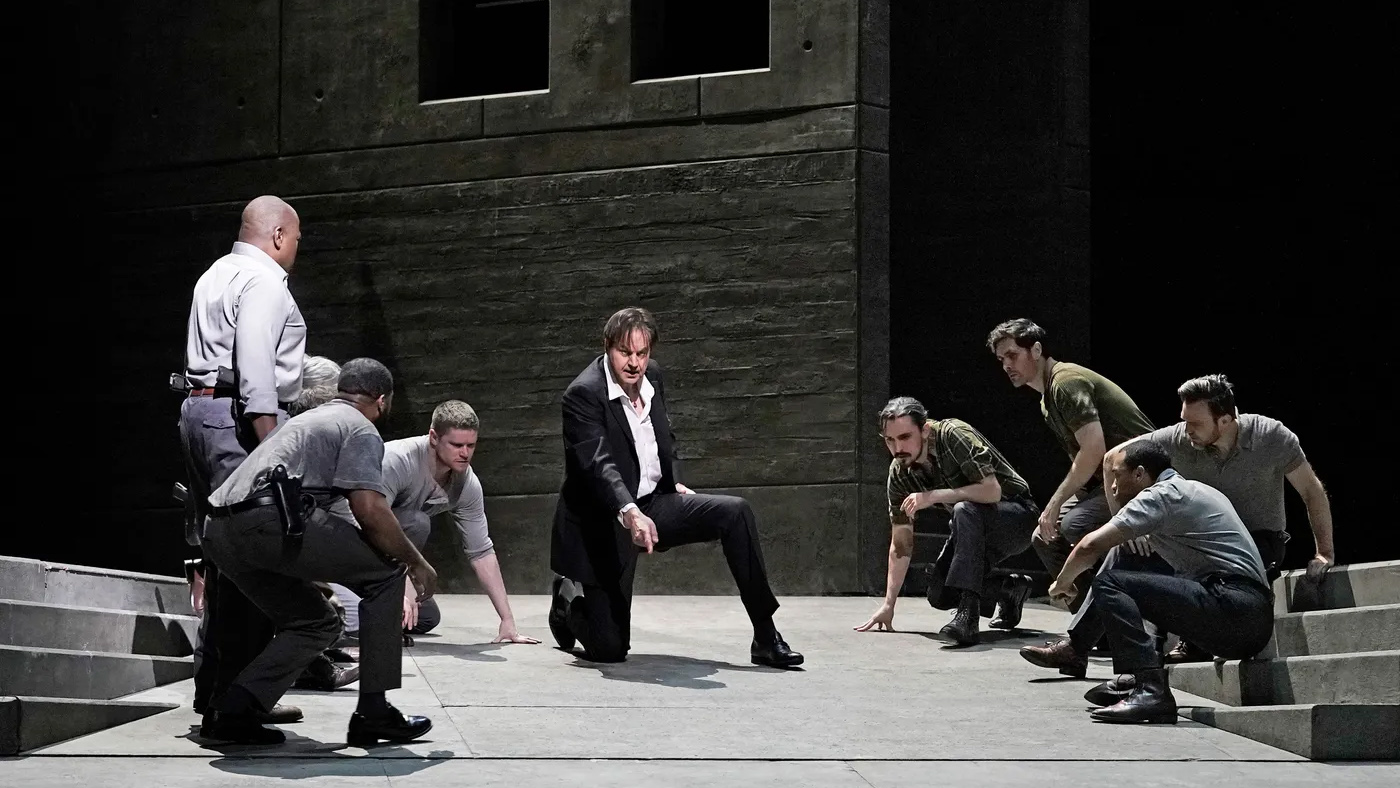
Carmen Paddock and Mr. Portafiori aren’t getting the hype behind Ivo van Hove, Krzysztof Warlikowski, and Calitxo Bieito
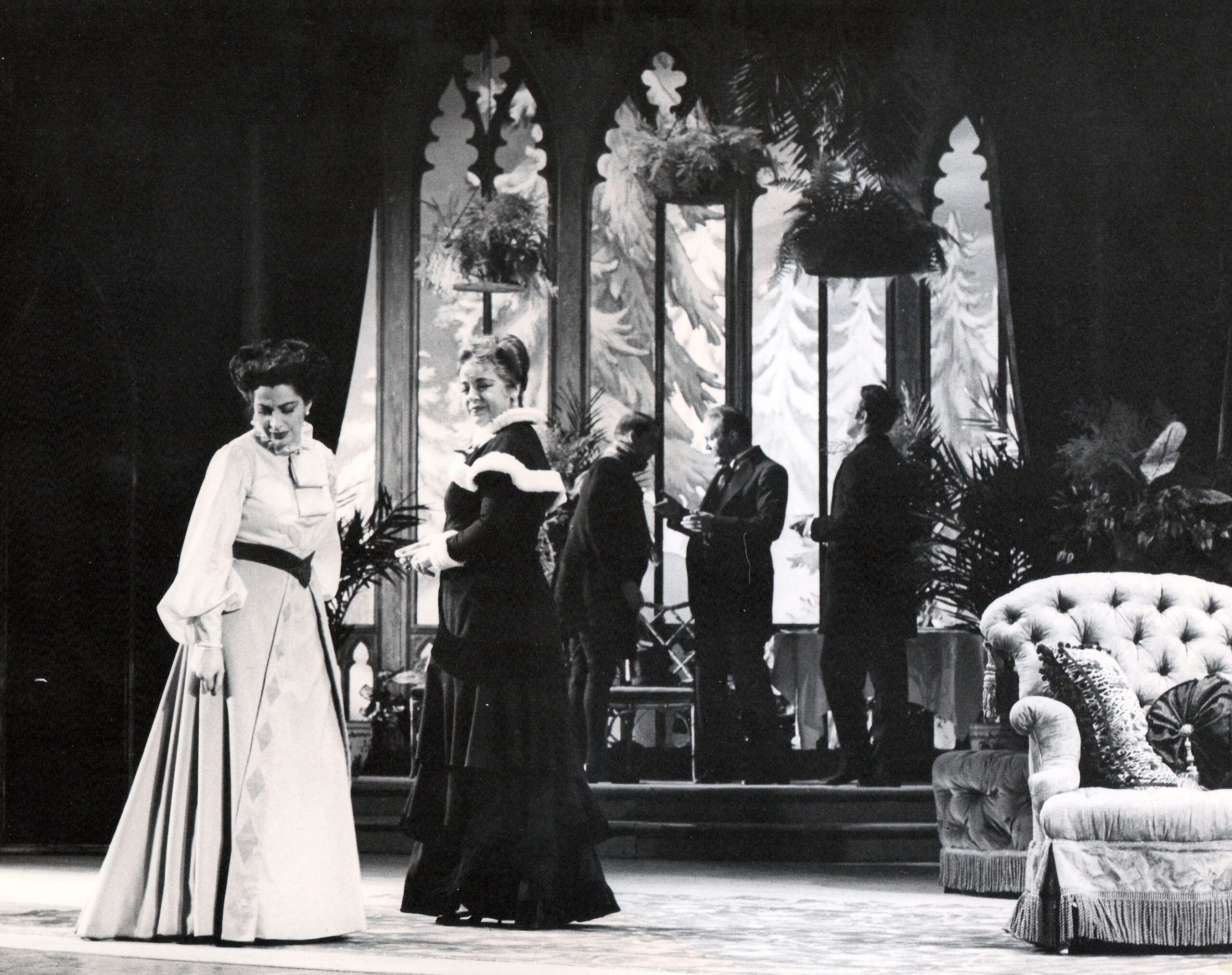
I know, as a musical gay boy d’un certain âge I supposed to consider this the great American opera, the equal if not superior to anything by Britten and preferable to any of that atonal garbage from the Continent.
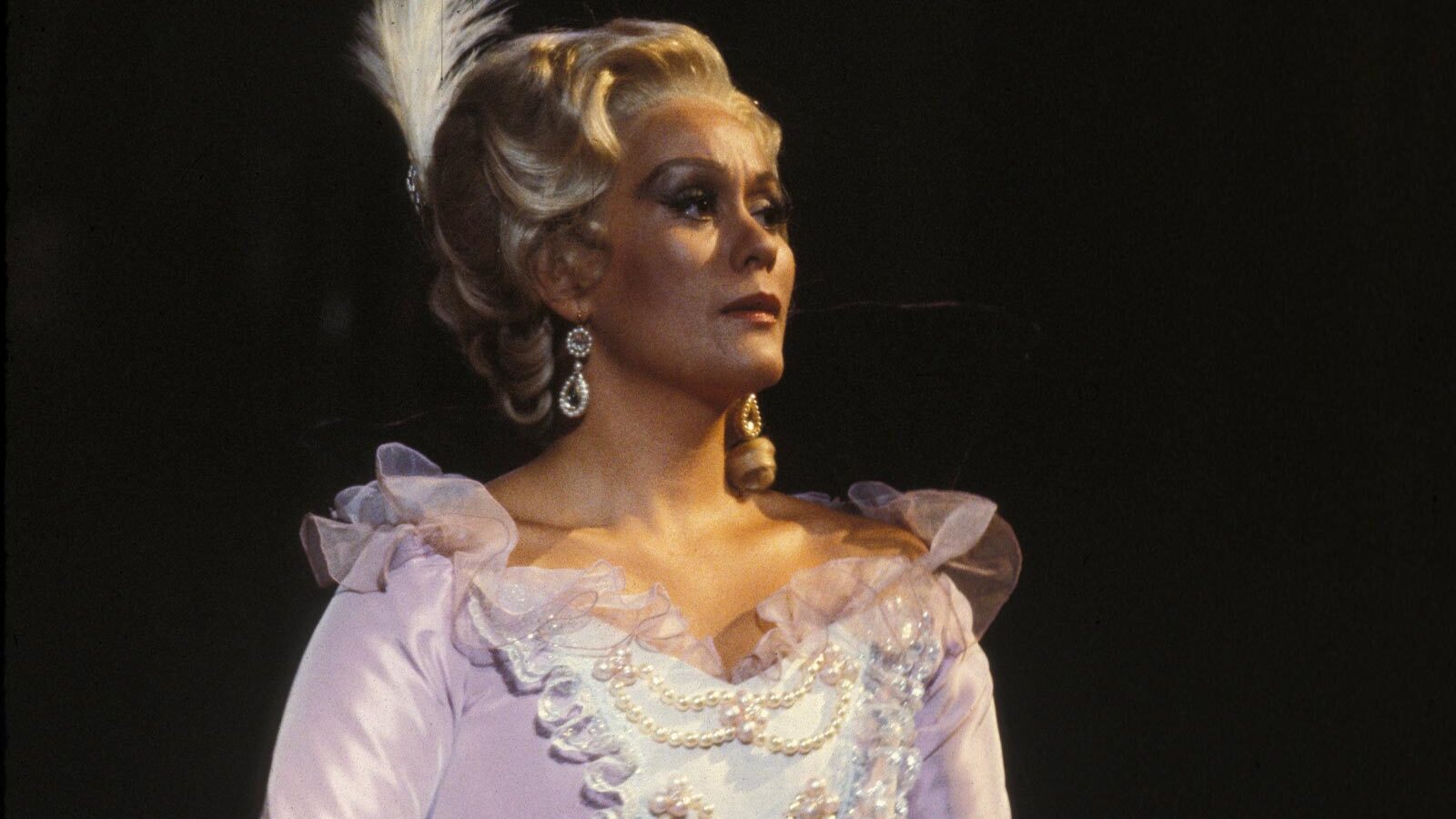
I just don’t get Der Rosenkavalier except for the plum moments like The Presentation of the Rose and the Final Trio which for me satisfy my indulgent sweet tooth.
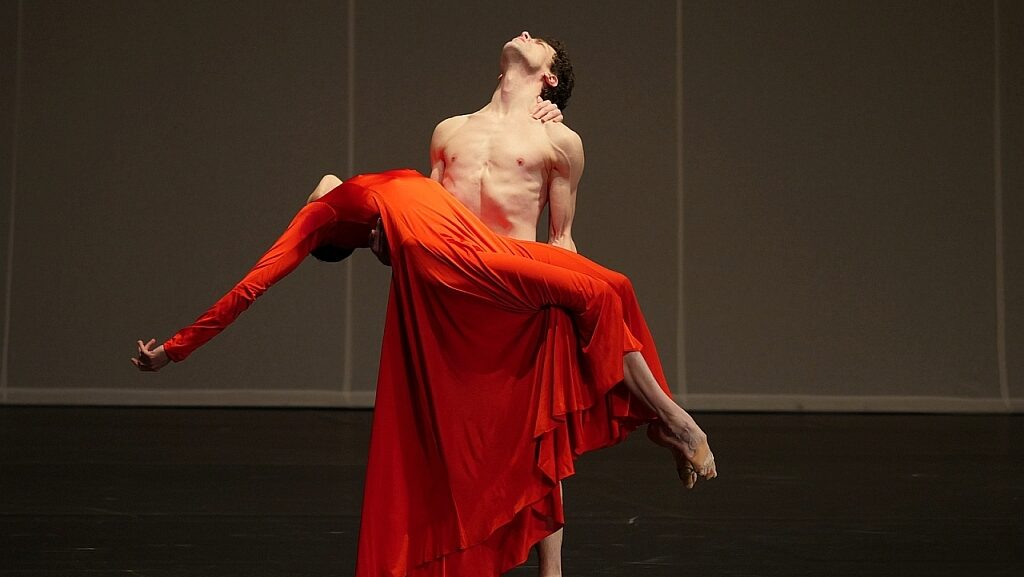
By giving Orfeo ed Euridice a happy ending, Gluck ruined a wonderful score.
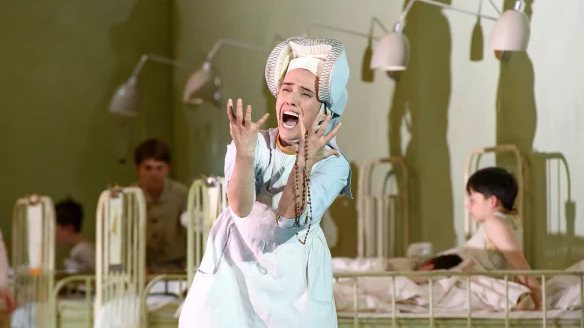
Yes, Ermonela Jaho is a compelling swooner. But is she a great singer? I have yet to be convinced!
Tell us: What’s your favorite Verdi performance?
Hasten thee to feed another quarter of conversation for The Talk of the Town!