
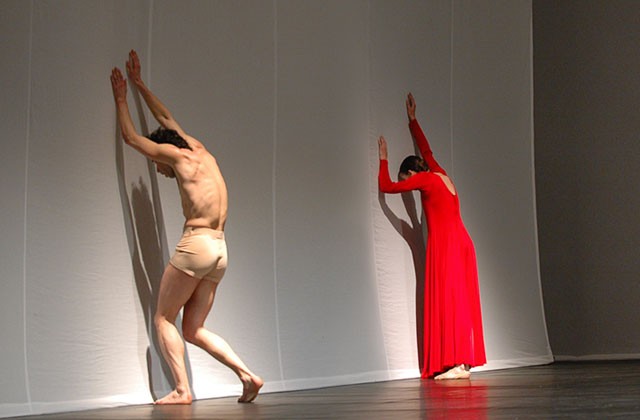
Is the threnody, the lament over a beloved corpse, the oldest form of song? Surely it is among the oldest; one of the most widespread and stylistically various, millennia before opera was devised.

This Hans Neuenfels staging for the Bayreuth Festival caused quite a stir at its 2010 premiere, but now, with time and distance, how radical is the production?
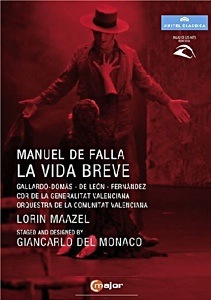
Manuel de Falla’s La Vida Breve makes its video debut with this release from C-Major which means there’s still plenty of opportunities for improvement.

Our Own JJ has been spending a lot of time outdoors lately, which is such a novelty for him that he felt he really must write about it.

Richard Wagner believed the key to any legend was contrasting the supernatural with human nature, and showing how the combination had no chance of enduring. In Lohengrin, the title’s character’s insistence on unconditional love and trust collide with the conditional expectations of the real world. The challenge is capturing the tale’s somber majesty without losing…

The cover picture on the Opera Australia’s DVD of a 2011 production of Mozart’s Don Giovanni is rather startling.
“Yet the evening’s first words, heard in the set-piece Ombra ma fui—like all of Xerxes’ arias sung with monarchic sprezzatura and amoral relish by Stella Doufexis…”
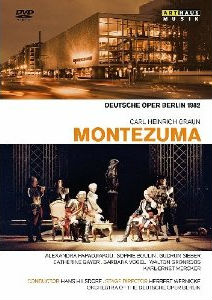
Sometime in 1753, Frederick The Great of Prussia, following a tiff with his great friend Voltaire, began writing an opera libretto in French prose that was to elucidate his ideas about the role of an enlightened monarch.
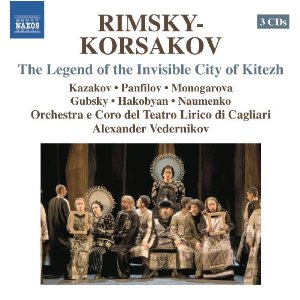
The story is enough of a cipher to make any regie-bent director salivate.
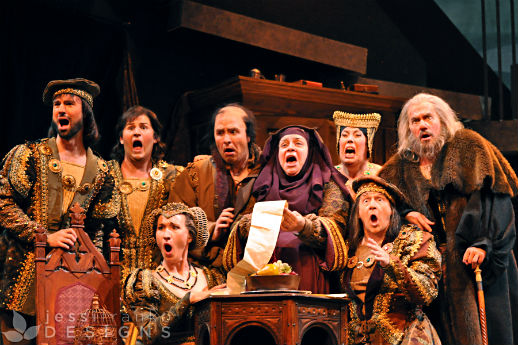
On this Gay Pride weekend, I remember my late friend Robert Chesley, activist and playwright (Stray Dog Story), who had also been an elementary schoolteacher.
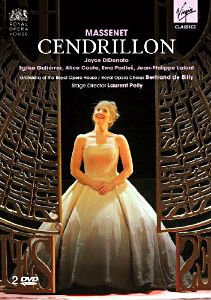
As a child I had but a few criteria that were necessary to ensure a happy entertainment. These included mostly ball-gowns, fairy godmothers and Julie Andrews, though Sally Ann Howes was acceptable in a pinch.
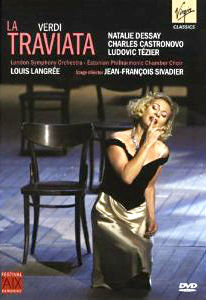
This year, I attended one of Natalie Dessay‘s only fully-sung Traviatas at the Met.
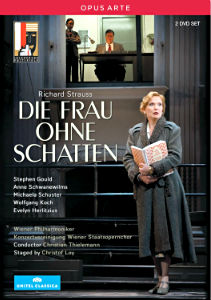
Richard Strauss’s “last romantic opera,” as he called Die Frau Ohne Schatten, is and has always been a problem child.
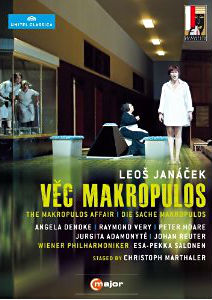
The operas of Leos Janácek have been slowly gaining ground in the world’s theatres over the past fifty years.
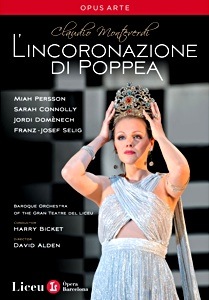
L’incoronazione di Poppea nearly disappeared from the stage completely after its 1642 Venice premiere and a Naples revival in 1651.
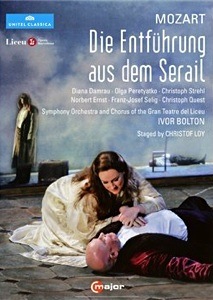
Die Entführung aus dem Serail has been a bit of an unruly child recently, with productions by Neuenfels and Bieito dividing audiences and inspiring critics like Heather MacDonald to lengthy manifestos.
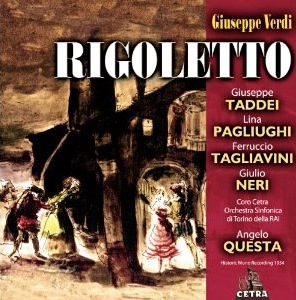
One of my adolescent pastimes was trolling the classical cut-out bins in record stores searching for overlooked gems or unfamiliar singers.
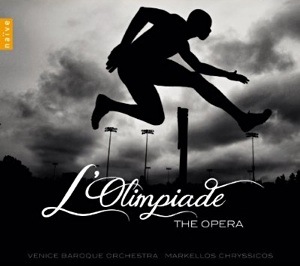
Of all the Olympics-related products created to honor the upcoming summer games in London, surely one of the oddest must be a brand new pasticcio just released on a two-CD set by Naïve—L’Olimpiade.
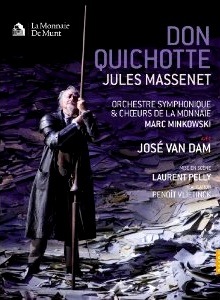
Jules Massenet’s Don Quichotte was one of a number of commissions from the Monte Carlo Opera that occupied the composer at the end of his life.
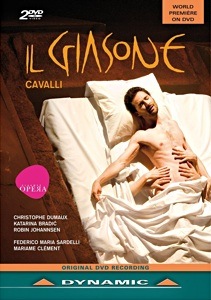
Francesco Cavalli’s 1649 opera Il Giasone (Jason) was virtually a model of the many conventions that had come to be expected in Venetian public opera in the seventeenth century.

Sneaking in under the wire during the final week of May were two highpoints of New York’s opera season: the Cleveland Orchestra’s Salome with a stunning Nina Stemme and operamission’s revelatory US stage premiere of a complete edition of Handel’s first opera Almira.

Frustrated, perhaps, by the bulky requirements and dubious future of grand opera—and grand opera commissions—Benjamin Britten created some of his most intriguing and, nowadays, popular pieces for small casts and chamber orchestra.
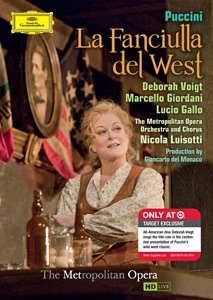
You may remember, gentle readers, that last year about this time Peter Gelb decided to enter into an unholy alliance with Target to benefit their mountainous number of opera loving customers by pre-releasing two Met performances exclusively in their fine emporiums.
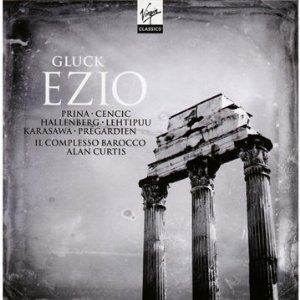
For all his historical importance Christoph Willibald Gluck remains one of the least known and performed of the great opera composers.
Tell us: What’s your favorite Verdi performance?
Hasten thee to feed another quarter of conversation for The Talk of the Town!

