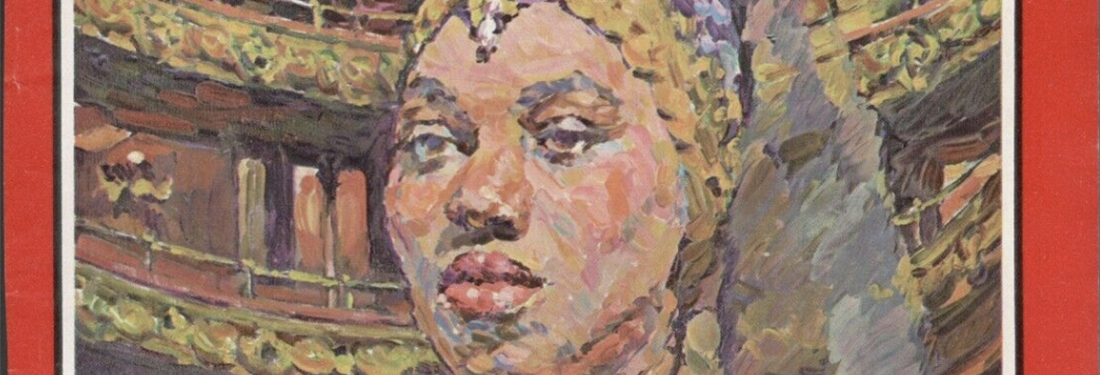
Beethoven expressed it best when he reportedly threw Rossini shade: “Any other other style than opera buffa would do violence to your nature.”
Based on reliable reports about reshuffling of the Met’s repertoire for the 2013-14 season, the only reasonable conclusion is that James Levine will never return to conduct with the company.
We approach, beloveds, as unto a shrine, for these are no ordinary performances.
Verdi’s only successful comic opera, Falstaff, is notably hard to produce.
Puccini’s evening of one-act operas Il Trittico seems to be riding a wave of popularity over the last few years, with a new production at the Met and several high-profile productions in America and Europe.
Is the threnody, the lament over a beloved corpse, the oldest form of song? Surely it is among the oldest; one of the most widespread and stylistically various, millennia before opera was devised.
When Giuseppe Filianoti isn’t busy being one of the world’s more versatile tenors, he plays detective.
By the time Rossini was 20, he had produced six operas, most of them brief, comic and slight. He admitted to admiring Mozart (not then well known south of the Alps), but the melodies of his early works show more of the influence of Paisiello.
On this Gay Pride weekend, I remember my late friend Robert Chesley, activist and playwright (Stray Dog Story), who had also been an elementary schoolteacher.
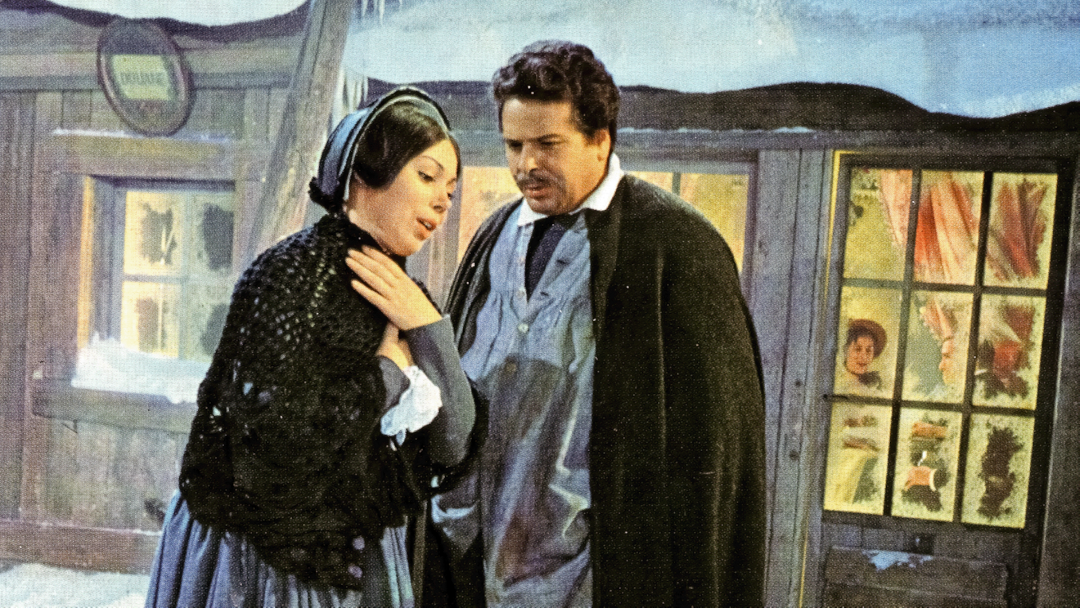
This year, I attended one of Natalie Dessay‘s only fully-sung Traviatas at the Met.
Of all the Olympics-related products created to honor the upcoming summer games in London, surely one of the oddest must be a brand new pasticcio just released on a two-CD set by Naïve—L’Olimpiade.
Jules Massenet’s Don Quichotte was one of a number of commissions from the Monte Carlo Opera that occupied the composer at the end of his life.
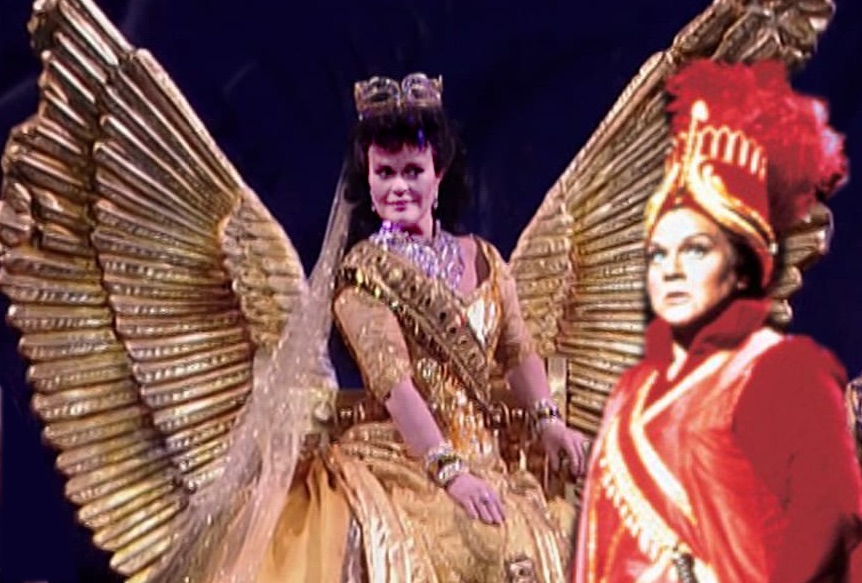
Sneaking in under the wire during the final week of May were two highpoints of New York’s opera season: the Cleveland Orchestra’s Salome with a stunning Nina Stemme and operamission’s revelatory US stage premiere of a complete edition of Handel’s first opera Almira.
You may remember, gentle readers, that last year about this time Peter Gelb decided to enter into an unholy alliance with Target to benefit their mountainous number of opera loving customers by pre-releasing two Met performances exclusively in their fine emporiums.
“Opera News, 76 years old and one of the leading classical music magazines in the country, said on Monday that it would stop reviewing the Metropolitan Opera, a policy prompted by the Met’s dissatisfaction over negative critiques.”
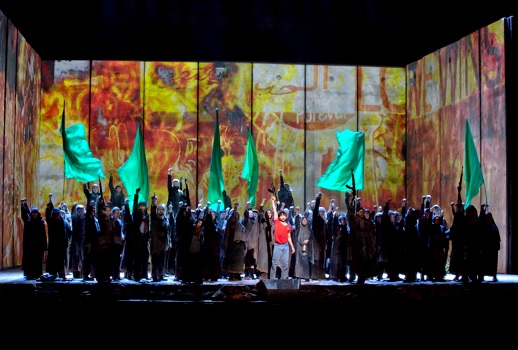
When Mikhail Gorbachev assumed the mantle of the General Secretary of the Communist Party of the Soviet Union in 1985, a palpable change was felt in the air, from Novosibirsk to East Berlin. Words like glasnost (openness) and perestroika (restructuring) began to replace the gradually outmoded Leninist philosophies that had become warped under Stalin and Andropov.
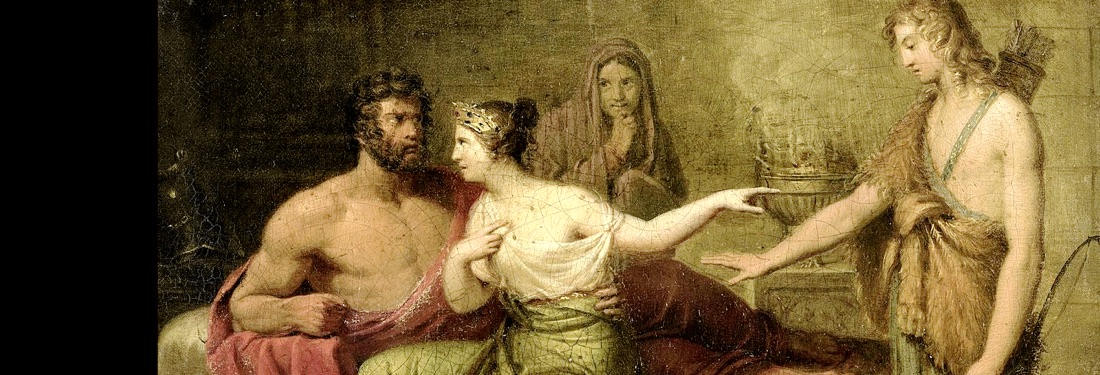
For all his historical importance Christoph Willibald Gluck remains one of the least known and performed of the great opera composers.
The Underworld as corporate boardroom, Pluto a “suit,” the damned a bunch of clerks tapping away at laptops.
Certain opera productions become the stuff of legend as much for the circumstances surrounding the performance as for the musical results.
Can a day pass without the New York Times‘ 24/7 coverage of the Met’s Ring getting on yet another of La Cieca’s nerves?
Daniel Wakin reports that “WQXR pulled a blog posting critical of the Metropolitan Opera’s new Ring cycle last month after the Met’s general manager, Peter Gelb, personally complained to the radio station’s top executive…”
Rusalka and her sisters are huddled in the flooded basement.
Janácek’s Makropulos Case has only chalked up thirteen performances in three previous runs at the Met and will have just five more this season. Try to catch at least one.
The Met has finally released the contents of the James Levine 40th Anniversary box sets separately for those of us who didn’t have $500 lying around.
Tell us: Filth or dementia?
Hasten thee to feed another quarter of conversation for The Talk of the Town!
Sign up for our free Newsletter.
Support Parterre Box
Donate to keep opera's liveliest publication free and independent. No paywalls, no institutional backing, no bootlicking.
Get our free newsletter
Opera's top reads delivered to your email weekly…ish.
Join over 100k readers.
The best opera magazine on the web.
Reviews, breaking news, critical essays, and brainrot commentary on opera from those demented enough to love it.
Essentials
Copyright © 2026 Parterre Box.
All rights reserved.
Registration or use of this site constitutes acceptance of our Terms & Conditions and our Privacy Policy. Do Not Sell or Share My Personal Information.
Sign up for Parterre’s free newsletter.
Exclusive opera reviews, commentary, and top reads
delivered to your email weekly…ish.