

General Elektra
Nina Stemme’s Elektra is familiar to me in three different incarnations.
Nina Stemme’s Elektra is familiar to me in three different incarnations.

La Fille du Régiment, Donizetti’s half-spoken ode to La France about a girl raised by a division of daddies, is at once infamous and beloved for the string of nine high C’s capping act one.

A beautiful concert of 18th century sacred music arrived at Weill Recital Hall performed by the soulful Polish Wunderkind Jakub Jósef Orlinski.

There are, on rare occasions, moments in a live performance where some intangible symbiotic relationship between audience and performer creates an instant that borders on the sublime.

I was shocked to realize I hadn’t seen Don Giovanni at the Met since Michael Grandage’s stultifying production opened in 2011.

Academy of Vocal Arts’ Rusalka—surprisingly, only their second venture in many years into the Slavic repertoire—left a divided impression.

Tchaikovsky’s Iolanta and Bartók’s Bluebeard’s Castle both use themes of vision and revelation to ask compelling questions about knowledge, responsibility, and gender.
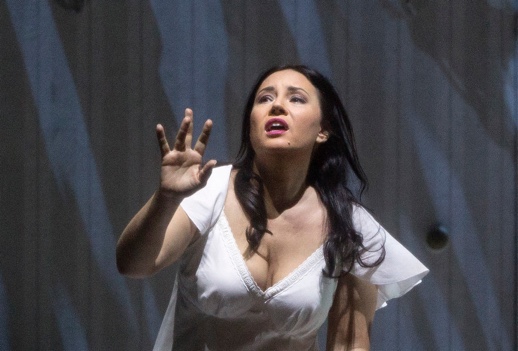
Iolanta was crowned on Thursday evening by Sonya Yoncheva’s haunting portrayal of the blind title character.

I do not envy Jennifer Rowley the task of stepping into Anna Netrebko’s shoes.

A 1985 broadcast of Don Giovanni featuring Cheryl Studer, Gundula Janowitz (as Elvira!), Krisztina Laki, Gösta Winbergh, Hermann Prey (in a rare outing as the Don) and Malcolm King conducted by Jeffrey Tate.
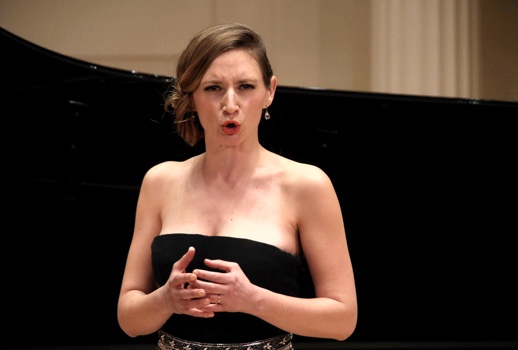
Although she didn’t sing that eponymous song by Reynaldo Hahn at Weill Recital Hall Thursday evening, Sabine Devieilhe did offer an “exquisite hour” of early 20th century French songs.

If I had to live with just one Tchaikovsky opera, it would be Iolanta.

When a work is named for its lovers one might legitimately expect that pair to dominate its performance but in my experience that is never the case with Debussy’s Pelléas et Mélisande.
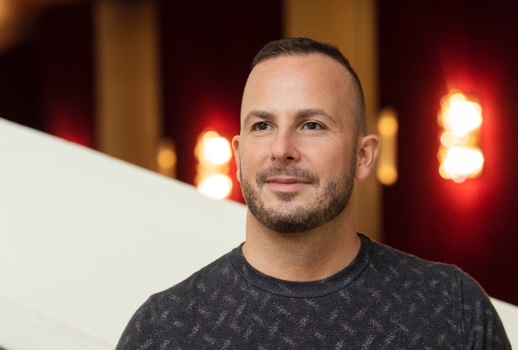
Now, you would think nothing could please gaycentric La Cieca more than yesterday’s New York Times profile of the Met’s new music director…

Roberto Alagna’s physical and vocal embodiment of Don José lent his particular narrative a complication I hadn’t anticipated.

At tonight’s performance of Aida at the Met, the Triumphal Scene horses suddenly panicked and tried to bolt from the stage. I can’t say I blame them.
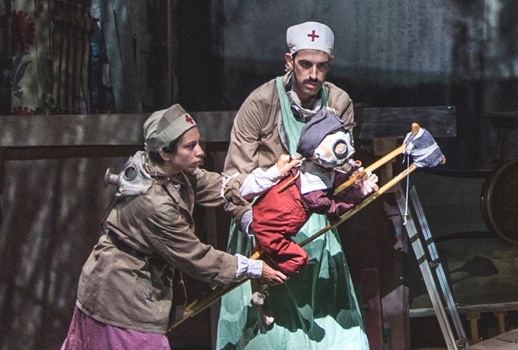
Alban Berg’s compact yet potent oeuvre has long played an outsized role in shaping my understanding of music’s aesthetic evolution.

Use bodily force and get your friends to one of the next five performances of the Met’s new production of Adriana Lecouvreur. It is everything!

We close 2018 with Le Comte Ory with an enviable nearly all-Italian cast of prime-time Rossini specialists: Mariella Devia, Cecila Bartoli, Ewa Podles, William Matteuzzi, Claudio Desderi and Pietro Spagnoli.
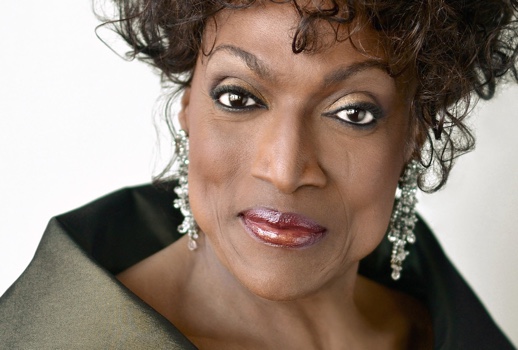
In addition to Jessye Norman, this event paid homage to the shamefully obscure soprano Sissieretta Jones—once billed as “The Black Patti.”
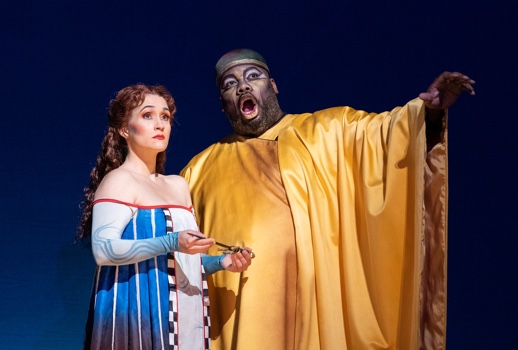
Heretofore I’d avoided the Met’s abridged, English-language holiday presentations.
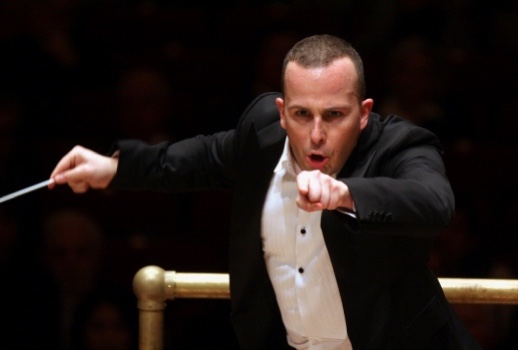
Philadelphia is a city famous for its musical institutions—so, of course, at this time of year Messiah performances abound.

On this day in 1937 soprano Zinka Milanov made her Metropolitan Opera debut as Leonora in Il trovatore.
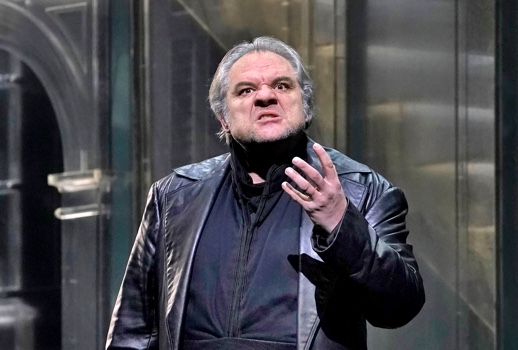
At Friday’s opening of Otello, there was a good deal of interesting going on, though not all of it necessarily onstage.

The days are getting shorter, but you can keep the prattle going this fall’s Talk of the Town! You will, you can, you must join in the discussion about: Great mezzo soprano performances (October),
Gained in translation (November), Teleport me back to… (December).
Exclusive opera reviews, commentary, and top reads
delivered to your email weekly…ish.