
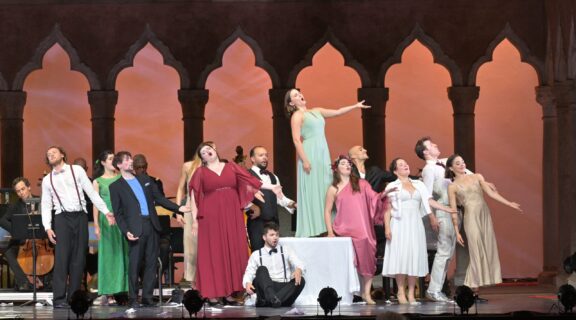
Wedding from hell
Les Arts Florissants (lightly) stages two Charpentier rarities as a summer wedding gone wrong.
17 pieces since 2010.
Les Arts Florissants (lightly) stages two Charpentier rarities as a summer wedding gone wrong.

Mad Scenes and Exit Arias: The Death of the New York City Opera and the Future of Opera in America provides ample fodder for the legions of amateur opera sleuths seeking to confirm their theory of “Who Killed City Opera?”
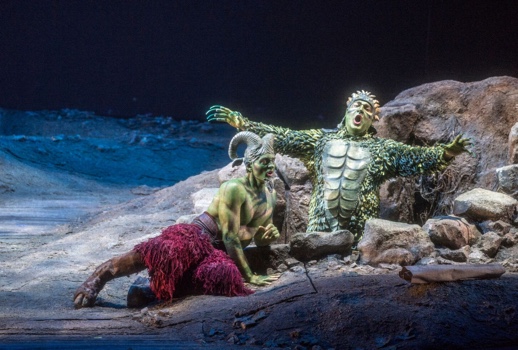
La Campana Sommersa (The Sunken Bell), which is being presented by the New York City Opera at the Rose Theater through April 7, is a true oddball.

An opera revolving around chastity vows, adultery, slut-shaming, lesbianism, transvestism and much more!
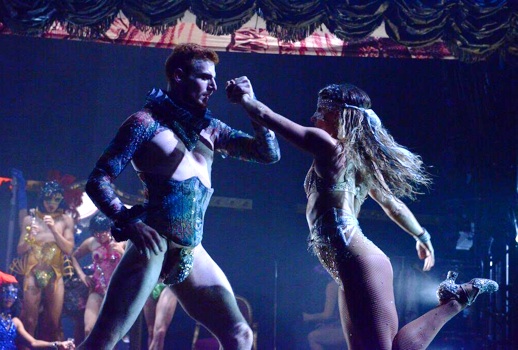
“Operatic” generally refers to sung drama, but there is another meaning of that term: grandiose, outsize, hysterical.

My memory is fading but the events I recall most vividly of the last season seem largely to have been concert performances.
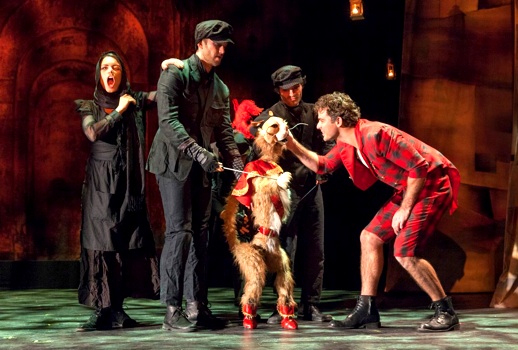
Xavier Montsalvatge is best known in these parts for the songs of his “Antilles” period in the 1940s, the exquisite “Cinco Canciones Negras” and so on, making use of rhythms and melodies with a Caribbean flavor.

Gotham Chamber Opera, which began to operate twelve years ago with a double bill of Bohuslav Martinu’s quirky little pieces, opened its 2014-15 season with two more, Alexandre bis (Alexander, twice) and Comedy on the Bridge.
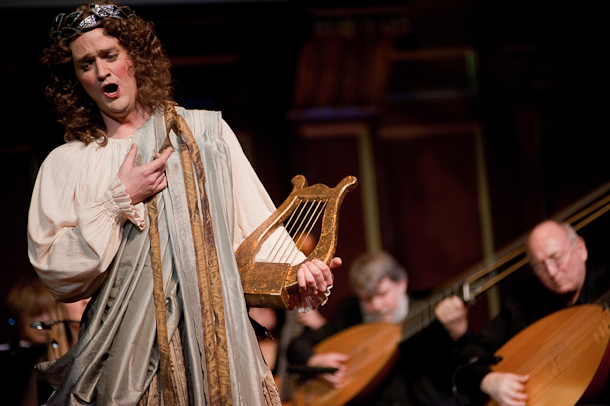
For one week every two years since 1981 the eyes—and ears—of those interested in period performance turn to the Boston Early Music Festival, particularly to its opera centerpiece, but that organization doesn’t rest on its laurels in between festivals.
Marc-Antoine Charpentier came along at the wrong time for a composer of French opera.
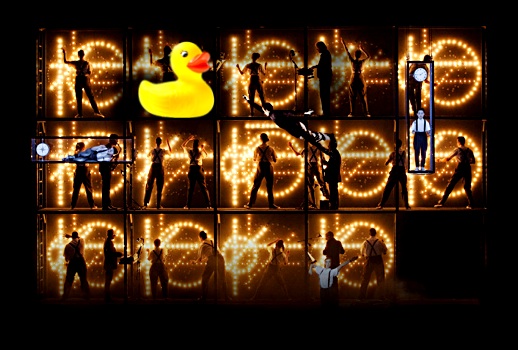
This week’s canard is contributed in by the artistic director of Gotham Chamber Opera, Neal Goren.

Baden-Baden 1927 is the title Gotham Chamber Opera has given to its evening of four brief operas that premiered together at a festival in, yes, Baden-Baden on July 17, 1927.
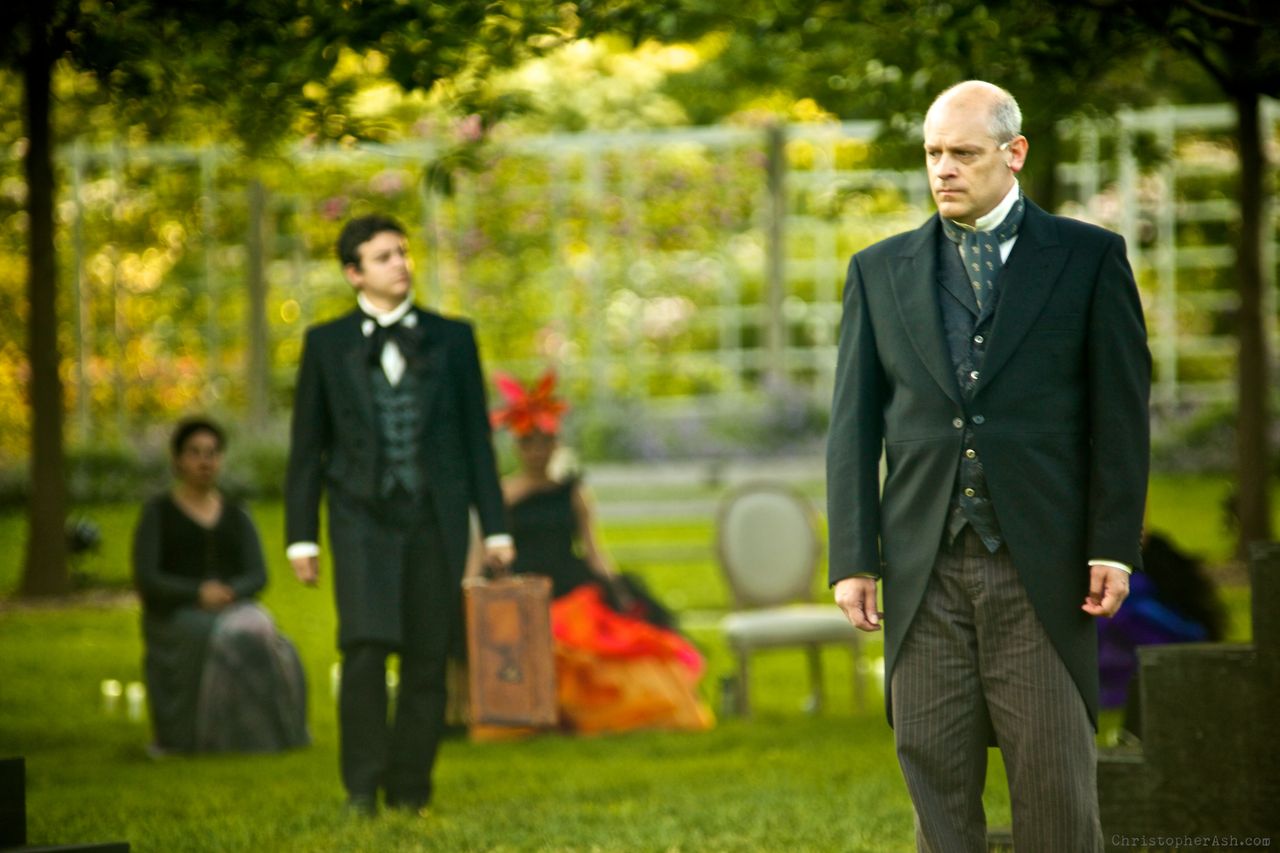
Nathaniel Hawthorne, the repentant Puritan—that is, he repented that his family had once been Puritans—describes the voice of Rappaccini’s Daughter, Beatrice, as “rich as a tropical sunset, … which made Giovanni, though he knew not why, think of deep hues of purple or crimson and of perfumes heavily delectable.”
Gotham Chamber Opera stumbled so badly Friday night with Francesco Cavalli’s 1668 Eliogabalo at The Box, it was hard to know whether to feel sad or angry—or both.

Can it be nearly a quarter-century ago that an Italian mezzo-soprano in her early twenties recorded her first recital?

It’s hard to think of a rare work by a great composer more tailor-made for a twenty-first century reexamination than Mozart’s Il Sogno di Scipione.
Gotham Chamber Opera presented Haydn’s Il Mondo della Luna on Tuesday evening at the Museum of Natural History’s Hayden Planetarium, in a production that took advantage of the museum’s NASA constellations and a multitude of other more economical yet impressive stage and lighting effects. Despite cramped quarters and inhospitable acoustics, the company made a strong […]

The days are getting shorter, but you can keep the prattle going this fall’s Talk of the Town! You will, you can, you must join in the discussion about: Great mezzo soprano performances (October),
Gained in translation (November), Teleport me back to… (December).
Exclusive opera reviews, commentary, and top reads
delivered to your email weekly…ish.